When considering a move to Upstate New York, Rochester and Albany frequently appear on the radar for their distinct job markets, educational institutions, and lifestyle offerings. Both cities serve as regional hubs, yet they present different opportunities and challenges for newcomers. This comparison aims to cut through the noise, providing a data-driven look at what it’s really like to live, work, and build a life in each.
This deep dive is for anyone weighing career prospects, calculating a budget, or simply trying to decide which city's vibe best suits their personal goals. We’ll analyze everything from housing costs and job opportunities to safety and schools, giving you the unvarnished truth to help you make an informed decision between these two significant New York cities. Forget the fluff – we're giving you the practical details you need to choose your next home.
Cost of Living
When it comes to your wallet, Rochester generally offers a more affordable entry point than Albany, particularly in housing. In Rochester, the median home price hovers around $245,000, while in Albany, you're looking at a median closer to $290,000. This difference extends to rental markets as well; a one-bedroom apartment in Rochester typically ranges from $1,250 to $1,450, whereas in Albany, similar units are often priced between $1,400 and $1,650. Two-bedroom apartments follow suit, with Rochester averaging $1,600-$1,800 and Albany closer to $1,850-$2,100.
Property taxes in both cities can be significant, a common reality in New York State. However, Rochester's overall cost of living index, often around 82% of the national average, is slightly lower than Albany's, which typically sits around 91%. This means everything from groceries to transportation can add up to less in Rochester. Median household incomes also reflect this; Rochester's median is approximately $54,000, whereas Albany's is higher at about $62,000, indicating that while Albany is more expensive, its job market may offer slightly better compensation to offset the higher costs.
| Metric | Rochester, NY | Albany, NY |
|---|---|---|
| Median Home Price | $245,000 | $290,000 |
| Median 1-Bed Rent | $1,350 | $1,500 |
| Median Household Income | $54,000 | $62,000 |
| Cost of Living Index (US Avg=100) | 82 | 91 |
Job Market & Economy
Rochester's economy has largely diversified from its manufacturing past, though optics and imaging remain strong. Major employers include the University of Rochester Medical Center (URMC), Rochester Institute of Technology (RIT), L3Harris, and Bausch + Lomb. The city has a growing tech startup scene, particularly in photonics and advanced manufacturing, building on the legacy of Kodak and Xerox. The unemployment rate for the Rochester MSA typically hovers around 3.7%, indicating a relatively stable job market with opportunities in healthcare, education, and specialized technology sectors. Remote work is viable, especially for tech roles, but many significant opportunities are still tied to local institutions.
Albany, as the state capital, benefits from a robust and stable government sector. The New York State government is the largest employer, providing a consistent job base. Beyond government, healthcare (Albany Medical Center, St. Peter's Health Partners) and education (SUNY Albany, Rensselaer Polytechnic Institute in Troy) are dominant forces. The region has also become a hub for nanotech, anchored by the Albany NanoTech Complex, attracting significant research and development. The Albany-Schenectady-Troy MSA generally sees a slightly lower unemployment rate, often around 3.2%, due to the stability of state employment. Remote work opportunities are present but tend to be concentrated in IT, higher education, and some administrative roles, often with employers that still maintain a regional presence.
Neighborhoods
In Rochester, if you're looking for historic charm and walkability, consider the Park Avenue or East Avenue neighborhoods, where median home prices can range from $350,000 to $600,000+ for larger, historic properties. These areas boast boutiques, cafes, and a lively atmosphere with Walk Scores often in the 80s. For a more bohemian and slightly more affordable option, the South Wedge, just south of downtown, offers renovated homes and apartments, local businesses, and a younger demographic, with median home prices typically between $250,000 and $350,000. If suburban life with top schools is your priority, towns like Brighton (ZIP 14618) and Pittsford (ZIP 14534) offer excellent public schools and larger homes, but with median prices easily exceeding $400,000.
Albany offers its own distinct neighborhood flavors. Center Square and the areas around Washington Park are highly sought after for their historic brownstones, tree-lined streets, and proximity to the Capitol and downtown amenities. Median home prices here typically fall between $300,000 and $550,000, and Walk Scores are high, often in the 90s. The Pine Hills neighborhood, popular with students from SUNY Albany, offers a mix of owner-occupied and rental properties, with more affordable single-family homes and multi-units typically ranging from $250,000 to $380,000. For families prioritizing top-tier suburban schools and a quieter environment, communities like Guilderland (ZIP 12084) or Colonie (ZIP 12205) are popular choices, where median home prices generally start from $380,000 and go upwards.
Safety
Like many mid-sized cities, both Rochester and Albany have areas with higher crime rates, particularly related to property crime and occasional violent incidents. Overall, the national average for violent crime is around 4 per 1,000 residents, and for property crime, it's about 20 per 1,000. Rochester's violent crime rate has historically been higher than the national average, often around 8-10 per 1,000 residents, with property crime also elevated. Areas to be particularly aware of include some neighborhoods on the north and west sides, such as parts of ZIP codes 14605, 14608, and 14613, especially after dark. Downtown Rochester has seen revitalization but still requires awareness.
Albany's crime statistics present a similar picture, with its violent crime rate often slightly above the national average, typically in the range of 6-8 per 1,000 residents, and property crime also elevated. Areas south and west of downtown, including parts of ZIP codes 12202 and 12206, tend to experience higher rates of both property and violent crime. While Center Square and Washington Park areas are generally safe and vibrant, being vigilant, especially late at night, is always advisable. Both cities are working to address crime, but prospective residents should research specific neighborhood crime statistics and exercise caution in less developed or transitional areas.
Schools
The quality of public education in Rochester is a tale of two cities: the city district itself and its surrounding suburbs. The Rochester City School District (RCSD) generally faces significant challenges, and many of its schools receive lower ratings, often in the 3-5 out of 10 range on standard rating scales. For families prioritizing public education within the city limits, this is a major drawback. However, Rochester boasts excellent private school options such as Allendale Columbia School and The Harley School. For top-tier public schools, families typically look to the highly-rated suburban districts like Pittsford Central School District, Brighton Central School District, and Penfield Central School District, where schools consistently score 8-10 out of 10, drawing families to these communities despite higher housing costs.
Albany's public school landscape is somewhat similar. The Albany City School District is generally mixed, with many schools receiving ratings in the 4-6 out of 10 range. While there are individual schools within the district that perform better, the overall reputation is inconsistent. Private school options in Albany include Albany Academy and the nearby Emma Willard School for girls (in Troy). For families seeking consistently strong public education, suburban districts surrounding Albany are the preferred choice. These include Guilderland Central School District, Bethlehem Central School District, and North Colonie Central School District, which routinely achieve ratings of 7-9 out of 10 and are known for their comprehensive academic programs and strong community support.
Lifestyle & Things to Do
Rochester offers a diverse lifestyle with a strong emphasis on arts, culture, and outdoor activities. The city is home to the world-renowned Eastman School of Music, the Geva Theatre Center, and a vibrant Public Market. Major annual events like the Lilac Festival and Rochester International Jazz Festival draw large crowds. With Lake Ontario and the Finger Lakes region just a short drive away, residents have easy access to boating, hiking, and New York's burgeoning wine industry. The city also has an underrated food scene, with a range of ethnic restaurants and craft breweries. Winters are cold and snowy due to lake effect, but summers are warm and pleasant, ideal for exploring the numerous parks like Highland Park and Genesee Valley Park.
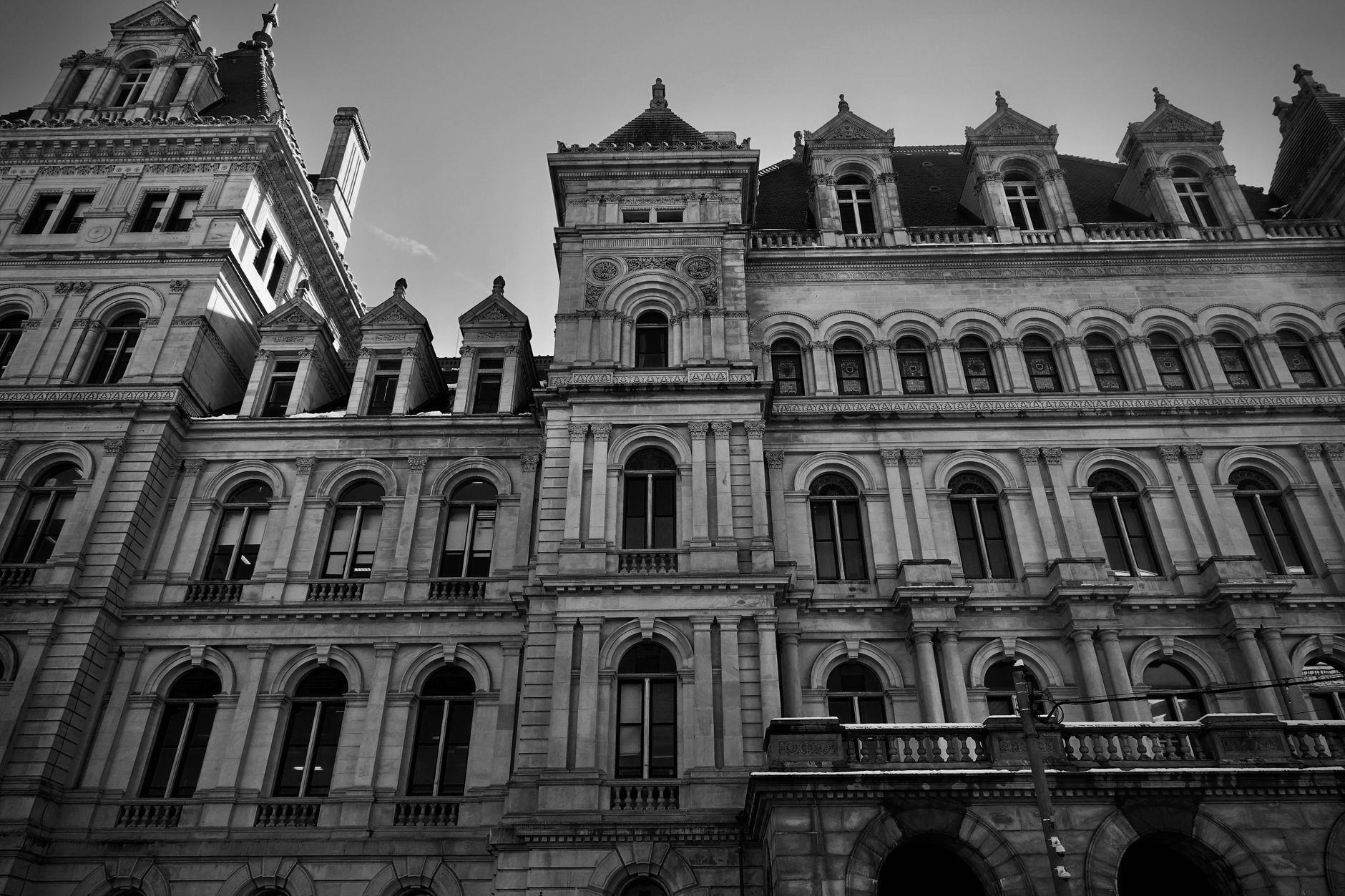
Albany, as the state capital, blends historical significance with modern urban amenities. The iconic Empire State Plaza is a hub for government buildings, a performing arts center (The Egg), and a museum. The city's restaurant scene is robust, particularly in areas like Lark Street and Center Square, offering diverse dining experiences and a growing number of craft beverage establishments. Outdoor enthusiasts will appreciate Albany's proximity to both the Adirondack and Catskill Mountains, providing year-round opportunities for skiing, hiking, and exploring nature. The Hudson River also offers recreational activities. While Albany experiences harsh winters similar to Rochester, it generally receives less lake-effect snow. Cultural offerings are strong, including several historical sites and a thriving local music scene.
The Verdict
Choosing between Rochester and Albany ultimately comes down to your specific priorities. If you're a young professional in the optics, imaging, or healthcare sectors, or someone prioritizing a slightly lower cost of living and a vibrant arts scene, Rochester wins. It offers a diverse job market with strong academic and medical institutions, and its proximity to the Finger Lakes provides excellent recreational opportunities. However, be prepared to consider suburban districts for top-tier public schools if you have children.
Conversely, if career stability in government, healthcare, or advanced manufacturing (nanotech) is your primary driver, and you don't mind a slightly higher cost of living, Albany is the stronger choice. Its stable job market, direct access to the state capital's resources, and excellent suburban schools make it appealing for families and those seeking a more metropolitan feel with easy access to mountains and the Hudson Valley. While both cities have their challenges with urban crime in specific areas, Albany's generally lower unemployment rate and higher median income may offset its higher housing costs for many. Pick Rochester for its unique tech niches and affordability; choose Albany for government stability and mountain access.
Explore neighborhood-by-neighborhood data on WYLT: Rochester, NY (Rochester) · Albany, NY (Albany).
Get the full data-driven report on any neighborhood at WYLT's neighborhood finder.


