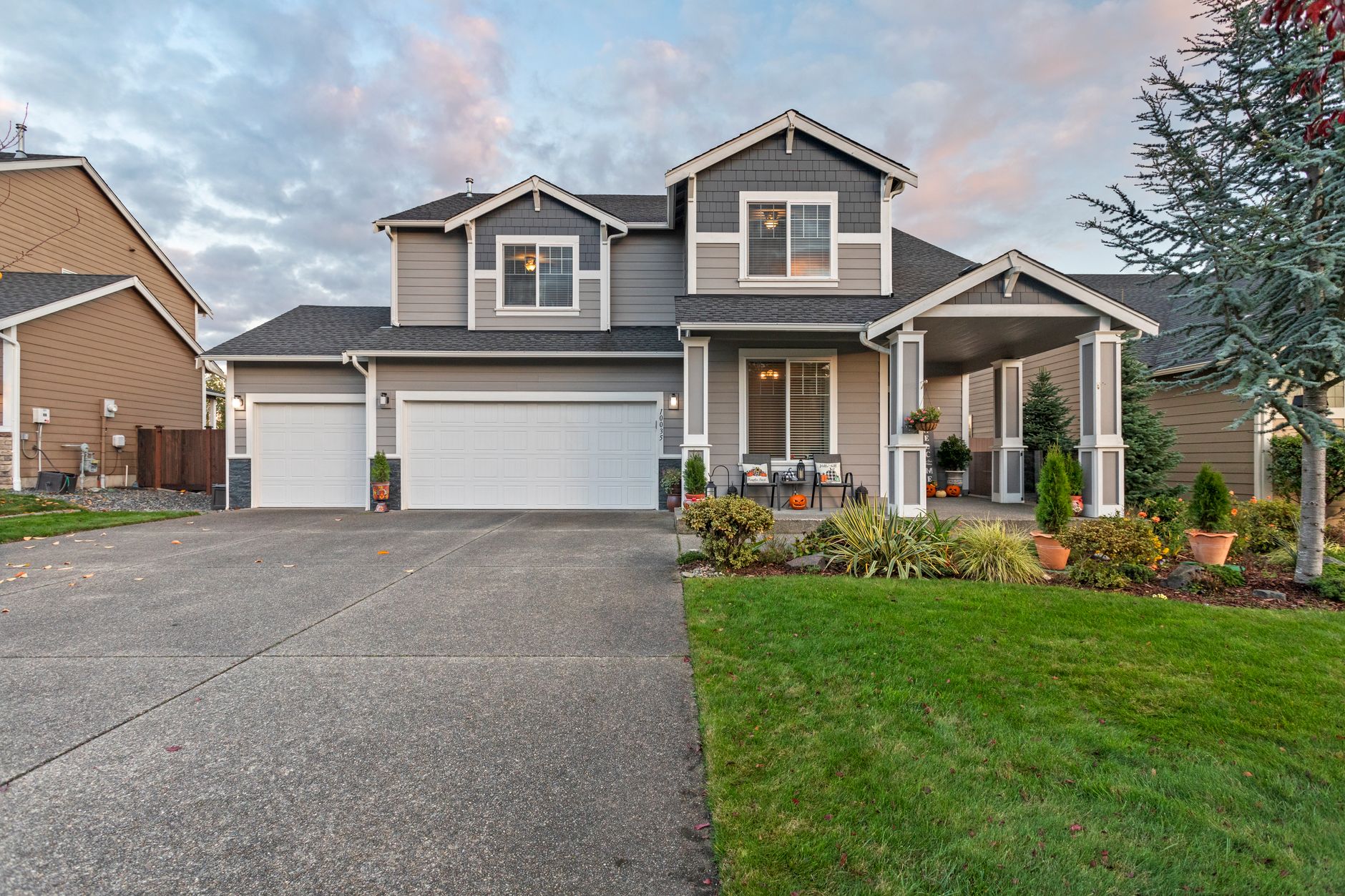
Deciding between Rochester, NH, and Concord, NH, means weighing two distinct lifestyles within the Granite State. Both offer a slice of New England charm, but they cater to very different priorities, from urban amenities to suburban tranquility, and significantly different price points. This comparison is for anyone considering a move within New Hampshire, specifically those looking at central or southeastern parts of the state, trying to balance budget, commute, schools, and overall community feel.
Rochester, in Strafford County, is known for its more industrial roots and proximity to the Seacoast, offering a grittier, more blue-collar vibe with significant revitalization efforts underway. Concord, as the state capital, carries a more established, historic feel, with government and healthcare driving its economy. We’ll break down the real numbers and realities of living in each city to help you decide which New Hampshire destination is the right fit for your next chapter.
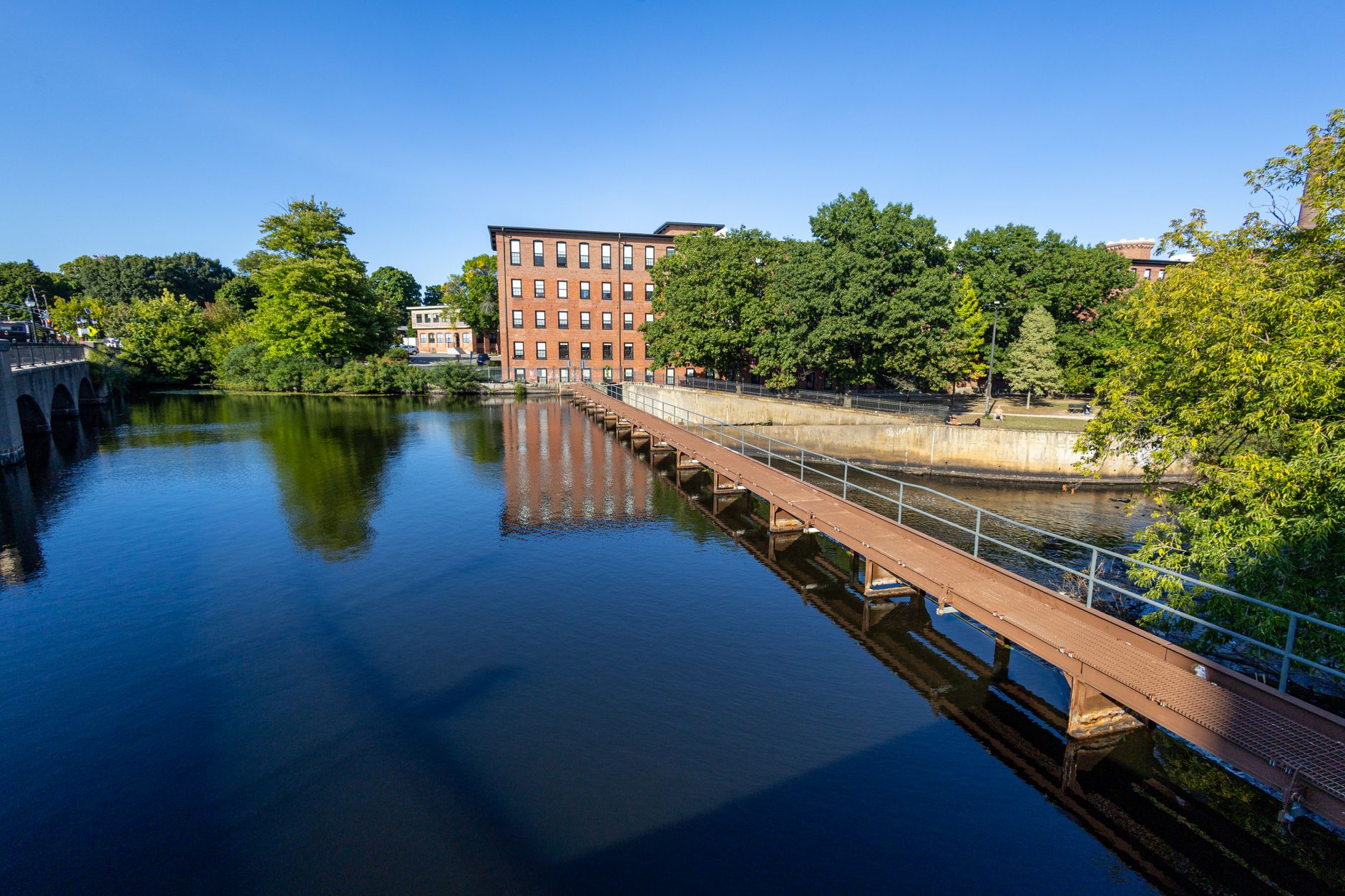
Cost of Living
When it comes to your wallet, Rochester generally offers more bang for your buck than Concord. The median home price in Rochester hovers around $395,000, significantly lower than Concord's median of approximately $480,000. Renters will also find relief in Rochester, where the median rent for a 2-bedroom apartment is about $1,900, compared to Concord's $2,300. Property taxes in both cities are relatively high for national standards but comparable to each other within New Hampshire, with Rochester's median property tax bill slightly lower due to lower home values.
Utilities, groceries, and transportation costs are fairly consistent across both cities, though Concord's slightly higher overall cost of living index (around 112 vs. Rochester's 107, with 100 being the national average) reflects its higher housing expenses. For a median household income of roughly $80,000 in Rochester and $88,000 in Concord, the purchasing power stretches further in Rochester. If affordability, particularly in housing, is a primary driver for your relocation, Rochester presents a clear advantage.
| Metric | Rochester, NH (2026 Est.) | Concord, NH (2026 Est.) |
|---|---|---|
| Median Home Price | $395,000 | $480,000 |
| Median Rent (2-bed) | $1,900 | $2,300 |
| Median Household Income | $80,000 | $88,000 |
| Cost of Living Index (US Avg = 100) | 107 | 112 |
Job Market & Economy
Concord's job market is dominated by state government and healthcare, providing a stable, albeit sometimes slow-growing, employment landscape. Major employers include the State of New Hampshire (with numerous agencies), Concord Hospital, and Northeast Delta Dental. The unemployment rate typically sits slightly below the state average, around 2.5-3.0%. For those in public administration, healthcare, or related professional services, Concord offers robust opportunities. Its proximity to Manchester also allows for a reasonable commute to larger tech and finance employers.
Rochester's economy is more diverse, with a mix of manufacturing, retail, and healthcare. Frisbie Memorial Hospital (part of the Mass General Brigham system) is a significant employer, alongside companies like Albany International and various small businesses and retail chains along its commercial corridors. While manufacturing jobs are still present, there's a growing retail and service sector. Rochester's unemployment rate generally mirrors the state average, perhaps slightly higher at 3.0-3.5% at times. Remote workers will find viable options in both cities, though Concord's slightly better broadband infrastructure and coworking spaces might give it a slight edge for some.
Neighborhoods
Rochester offers a variety of housing styles, from historic downtown properties to more suburban developments. The 03867 ZIP code encompasses much of the city, but distinct areas exist. The downtown area has seen significant investment, with renovated brick buildings and new mixed-use developments, offering more walkability (Walk Score: 60-70) but also higher density. Areas like East Rochester offer more traditional, quieter residential streets with single-family homes, often with larger lots, at prices typically in the $350,000-$450,000 range. Rochester Neck, situated near the Cocheco River, provides a blend of older homes and some newer construction, appealing to those seeking a suburban feel close to downtown amenities.
Concord, encompassing ZIP codes 03301 and 03303, boasts a classic New England aesthetic with well-preserved historic neighborhoods. The West End is highly sought after, known for its beautiful Victorian and Colonial homes, tree-lined streets, and proximity to schools, with prices often starting at $500,000 and climbing. It's relatively walkable (Walk Score: 65-75) to local parks and some downtown shops. The South End offers a mix of historic homes and more modest residences, maintaining a strong community feel, with homes typically in the $400,000-$600,000 range. Downtown Concord provides apartment and condo living above shops, offering the most walkable lifestyle (Walk Score: 80+), but with limited parking and higher price points for purchase or rent.
Safety
Neither Rochester nor Concord are crime-ridden cities, but like any urban area, they have their challenges. Concord generally reports lower violent crime rates compared to national averages, but property crime, particularly vehicle break-ins, can occur, especially in commercial areas and downtown parking garages. Overall, Concord is perceived as a very safe city, particularly in its residential neighborhoods like the West End or South End, where residents feel comfortable walking after dark.
Rochester has historically had a slightly higher crime rate per capita than Concord, particularly concerning property crime and some drug-related incidents. However, the city has made significant efforts in recent years to revitalize its downtown and improve public safety. While most residential areas are quiet and safe, some concentrated areas, particularly around certain commercial strips or lower-income housing developments, may experience more petty crime. It's not a dangerous city by any means, but residents often advise more awareness in specific parts of the downtown core late at night.
Schools
Concord School District (SAU 8) generally holds a stronger reputation compared to Rochester. Concord's schools, including Concord High School, typically rank around a 7/10 by various metrics, with strong programs in academics and extracurriculars. Top-rated elementary schools like Broken Ground School or Beaver Meadow School are often a draw for families. The district offers a comprehensive curriculum and good college preparatory resources. Private school options in Concord include St. Paul's School, a highly prestigious boarding school, and Concord Christian Academy.
The Rochester School Department (SAU 54) serves a larger and more socioeconomically diverse population, which can present challenges. Rochester schools, including Spaulding High School, typically fall in the 5-6/10 range. While dedicated teachers and improving programs exist, test scores and college readiness metrics often lag behind Concord. Elementary schools like McClelland Elementary or William Allen School strive to serve their communities well. For private education, families might look at institutions in nearby Dover or private options within Rochester like Holy Rosary School (K-8).
Lifestyle & Things to Do
Concord offers a more traditional New England capital city experience. Its downtown is walkable and vibrant, with a variety of independent shops, local restaurants like The Barley House and Revival Kitchen & Bar, and cultural institutions like the Capitol Center for the Arts. White Park and Rollins Park provide green spaces and recreational opportunities. Concord's location on I-93 makes it a gateway to the White Mountains for hiking and skiing, and it's about an hour's drive to Boston. The city hosts regular farmers' markets, street fairs, and has a strong sense of community engagement.
Rochester provides a different flavor. It's closer to the New Hampshire Seacoast (about 25-30 minutes to Portsmouth or Dover) and lakes region, offering easier access to coastal activities and lake recreation. While its downtown is smaller and still developing, it has local eateries like Revolution Taproom & Grill and some unique shops. Recreation often centers around outdoor activities at places like the Rochester Country Club or exploring local trails. Nightlife is more limited to local pubs. Rochester's proximity to NH-16 (Spaulding Turnpike) offers convenient access to coastal cities, making it a good base for those who commute to Portsmouth or enjoy frequent trips to the beach.
The Verdict
Choosing between Rochester and Concord ultimately comes down to your priorities and what you value most in a community. Both offer a distinct New Hampshire experience, but for different people.
If you're a family prioritizing stronger public schools, a more established and polished downtown, and a stable job market dominated by government and healthcare, Concord is the clear winner. You'll pay more for housing, but you'll get a classic New England capital city feel, excellent access to the mountains, and generally higher-rated educational opportunities. It's ideal for professionals working in state government or healthcare, or those who value a slightly more upscale suburban environment with good amenities.
However, if affordability is your main concern, you want easier access to the coast, and you appreciate a city undergoing revitalization, then Rochester is the better choice. It offers significantly lower housing costs, a more diverse and growing economy with opportunities in manufacturing and retail, and a no-frills, practical atmosphere. It's a great option for remote workers seeking more affordable housing, young families on a tighter budget, or those who work in the Seacoast area and want to avoid higher coastal housing prices. Be prepared for a city still finding its footing in terms of cultural amenities and acknowledge that school rankings are generally lower.
Explore neighborhood-by-neighborhood data on WYLT: Rochester, NH (Rochester) · Concord, NH (Concord).
Get the full data-driven report on any neighborhood at WYLT's neighborhood finder.