Deciding between two cities in the same region, like Chester and Philadelphia, Pennsylvania, often comes down to priorities: budget, lifestyle, and what kind of urban experience you're seeking. While both are located in Southeast PA, they offer vastly different living environments and opportunities. This comparison is for anyone weighing the financial benefits of a smaller city against the expansive amenities and job market of a major metropolitan hub.
This post cuts through the noise, providing a direct, data-driven look at what it's really like to live in Chester versus Philadelphia. We'll break down everything from housing costs and job prospects to neighborhood vibes and, crucially, safety statistics. Our goal is to equip you with the honest insights you need to make an informed decision about where to plant your roots in 2026.
Cost of Living
The most immediate and significant difference between Chester and Philadelphia is the cost of living. Chester offers a substantially more affordable entry point into homeownership and renting. The median home price in Chester, PA, hovers around $150,000 to $170,000, with typical rent for a 2-bedroom apartment ranging from $900 to $1,300 per month. Utilities and property taxes are also generally lower, reflecting the city's smaller infrastructure and property values. However, residents often find themselves traveling to nearby municipalities for a wider range of services and shopping, which can add to transportation costs.
Philadelphia, on the other hand, comes with a much higher price tag. The median home price across the city is closer to $270,000 to $300,000, but this varies wildly by neighborhood. Expect to pay significantly more in desirable areas like Graduate Hospital ($500,000+) or Fishtown ($400,000+). Rent for a 2-bedroom apartment can range from $1,600 in outer neighborhoods like Mayfair to $2,500+ in Center City. Philadelphia also has a 3.75% wage tax for residents and non-residents working in the city, which significantly impacts take-home pay. While Philadelphia offers more local amenities, the overall cost of living index is notably higher.
| Metric | Chester, PA | Philadelphia, PA |
|---|---|---|
| Median Home Price | $160,000 | $285,000 |
| Median 2-Bedroom Rent | $1,100 | $1,900 |
| Median Household Income | $38,000 | $52,000 |
| Cost of Living Index (approx.) | 80 (vs. US average 100) | 107 (vs. US average 100) |
Job Market & Economy
Chester's job market is more localized and has historically faced challenges. Key employers include the Crozer-Chester Medical Center, the Chester Upland School District, and local government. There are some manufacturing and logistics jobs, particularly along the Delaware River waterfront, but the overall number of professional opportunities is limited. The unemployment rate in Chester has historically been higher than state and national averages, reflecting fewer diverse industries. Many Chester residents commute to Philadelphia or other suburban areas for work, especially in healthcare, education, or office-based roles.
Philadelphia boasts a robust and diverse economy, making it a major employment hub for the entire region. Healthcare and education are dominant sectors, anchored by institutions like Penn Medicine, Jefferson Health, Children's Hospital of Philadelphia (CHOP), the University of Pennsylvania, and Drexel University. Other significant industries include finance (e.g., Vanguard nearby, many regional banks), technology, pharmaceuticals, and tourism/hospitality. Major corporations like Comcast have their headquarters here. The unemployment rate is generally lower than Chester's, and remote work opportunities are abundant, making it an attractive option for professionals in various fields.
Neighborhoods
Chester's neighborhoods are largely residential, characterized by older row homes and some detached properties. Areas like West End offer a mix of housing stock, often at highly affordable prices, but walkability to amenities is generally low. Sun Village and the Highland Gardens areas are also predominantly residential, reflecting the city's historical development. The city has seen some recent revitalization efforts along the waterfront, but the residential areas still face significant challenges in terms of services and infrastructure. Most residents rely on cars for daily errands and commuting.
Philadelphia's neighborhoods are incredibly diverse, each with its own distinct character and price point. For those seeking urban amenities and walkability, Center City offers high-rise living and row homes, with average walk scores in the 90s, but at a premium price. Graduate Hospital and Fitler Square are popular for families and young professionals, known for their charming brick homes, tree-lined streets, and access to parks, with median home prices often exceeding $600,000. Fishtown and Kensington have transformed into trendy areas, attracting artists and young professionals with a mix of renovated rowhomes, new constructions, and an evolving restaurant scene, with prices ranging from $300,000 to $550,000. For more suburban-style living within city limits, Northeast Philadelphia neighborhoods like Mayfair and Rhawnhurst offer more affordable rowhomes and detached houses, but with lower walkability and longer commutes to Center City.
Safety
This is where the two cities diverge most sharply. Chester has one of the highest violent crime rates in Pennsylvania and significantly exceeds national averages. Areas like the West End, Highland Gardens, and Sun Village have historically struggled with high rates of gun violence, property crime, and drug-related offenses. While there have been community-led initiatives and policing efforts to improve safety, the city still faces systemic challenges, and residents often report feeling unsafe, particularly after dark. It's a key consideration for anyone looking to move there, especially families.
Philadelphia's crime rates are higher than the national average, but safety is highly neighborhood-dependent. Center City, South Philadelphia (like Passyunk Square or Bella Vista), and parts of Northwest Philadelphia (like Manayunk or Chestnut Hill) are generally considered safe, with violent crime rates comparable to or lower than other major US cities, though property crime and petty theft are common. However, other areas, particularly parts of North Philadelphia and West Philadelphia, experience significantly higher rates of violent crime, including shootings and robberies. While the city has grappled with an increase in gun violence in recent years, living in Philadelphia means understanding and selecting your neighborhood carefully, as safety can change block by block.
Schools
The Chester Upland School District faces profound challenges. It is consistently ranked among the lowest-performing districts in Pennsylvania, with schools often receiving ratings of 1 or 2 out of 10. Test scores are well below state averages, and resources are limited. For families considering Chester, private school options (often requiring tuition or scholarships) or charter schools are almost a necessity, though choices within the city are sparse. This can present a significant financial and logistical hurdle for parents.
The School District of Philadelphia is a vast and complex system. While many neighborhood public schools struggle with underfunding and low performance (often rating 3-5 out of 10), the city also boasts highly-regarded magnet schools like Julia R. Masterman Secondary School and Central High School, which are among the best in the state but require competitive admissions. Additionally, there are numerous charter schools offering alternative educational models, some performing quite well. Philadelphia also has a wide array of private and parochial schools, from historic institutions to smaller independent schools, catering to various educational philosophies and budgets, making it possible to find quality education if you can afford it or gain admission to selective public options.
Lifestyle & Things to Do
Life in Chester is quieter and more community-focused, though amenities are limited. The city has a few local parks, and the waterfront area is slowly developing. For dining, shopping, or entertainment, residents typically drive to nearby areas like Springfield, Media, or Wilmington, DE, or make the 30-minute drive into Philadelphia. The overall vibe is one of a small, struggling industrial city with tight-knit communities, but without the cultural institutions or extensive dining scenes of a major city.
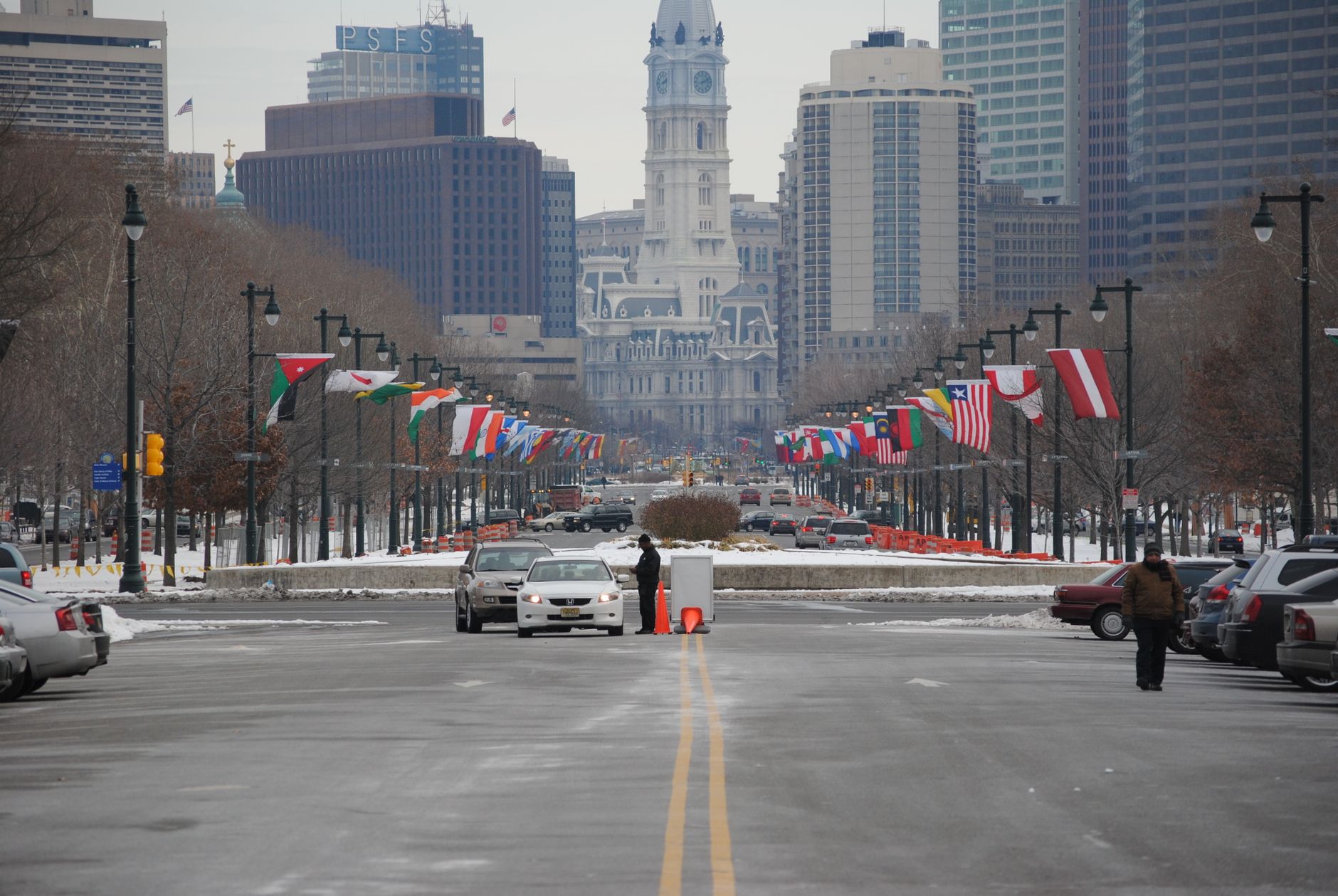
Philadelphia offers a vibrant, diverse, and robust lifestyle. It's a city rich in history, culture, and entertainment. Residents have access to world-class museums (Philadelphia Museum of Art, Barnes Foundation), a thriving performing arts scene (Kimmel Center), major league sports (Eagles, Phillies, 76ers, Flyers), and an endless array of dining options, from gourmet restaurants to beloved food trucks. Fairmount Park, one of the largest urban parks in the world, provides ample green space for recreation. Nightlife ranges from dive bars to upscale clubs, and the city's numerous festivals and events ensure there's always something to do. Philadelphia experiences all four seasons, with hot, humid summers and cold, snowy winters.
The Verdict
The choice between Chester and Philadelphia is stark, driven primarily by budget and safety concerns versus amenities and opportunities. If you are on an extremely tight budget, prioritize rock-bottom housing costs, and have a job directly in Chester, or are willing to commute for all other needs, Chester might be a financial win. However, be prepared for significant compromises on safety, school quality, and available amenities. It suits someone who values extreme affordability above all else and understands the challenges inherent in the community.
For virtually everyone else, Philadelphia is the clear winner, despite its higher cost of living and the need for careful neighborhood selection regarding safety. If you're a professional seeking diverse job opportunities, a family prioritizing better (though still varied) public or private school options, or anyone who desires a rich cultural scene, abundant dining, and a vibrant urban lifestyle, Philadelphia offers significantly more. You'll pay more for housing and face a city wage tax, but in return, you gain access to a major metropolitan experience with countless advantages over its smaller, more challenged neighbor. Philadelphia provides a more robust and diverse environment for growth, family life, and entertainment, making it the superior choice for most prospective residents.
Explore neighborhood-by-neighborhood data on WYLT: Chester, PA (Chester) · Philadelphia, PA (Philadelphia).
Get the full data-driven report on any neighborhood at WYLT's neighborhood finder.