Dallas is one of the fastest-growing metro areas in the United States and it has been for more than a decade. The region adds more than 100,000 residents per year. Companies have relocated headquarters here from California, New York, and Illinois at a pace that no other American metro can match. And yet Dallas remains one of the most misunderstood major cities in the country — simultaneously oversold by real estate agents and undersold by people who flew through DFW once and decided they knew the place.
Here is the honest, complete guide to moving to Dallas in 2026.
What "Dallas" actually means
The first thing to understand about Dallas is that "Dallas" is a region, not a single city. The Dallas-Fort Worth Metroplex covers 13 counties and nearly 8 million people. When people say they're "moving to Dallas," they almost always mean one of the suburbs — Plano, Frisco, McKinney, Allen, Southlake, Flower Mound, Coppell, or one of a dozen other incorporated cities that have their own character, school districts, and price points.
Dallas proper — the city of Dallas — has its own distinct neighborhoods worth understanding: Uptown, Oak Lawn, the Bishop Arts District, Deep Ellum, Lake Highlands, Preston Hollow. But most families relocating to the Dallas area end up in the northern suburbs, and understanding the differences between them is the most important research you can do before you commit.
Cost of living in 2026
Dallas's cost-of-living advantage over coastal metros remains real but has compressed significantly since 2020. Home prices in desirable suburbs have risen 40% to 60% from 2019 levels. The sticker shock for buyers from cheaper midwestern markets has gone in the other direction.
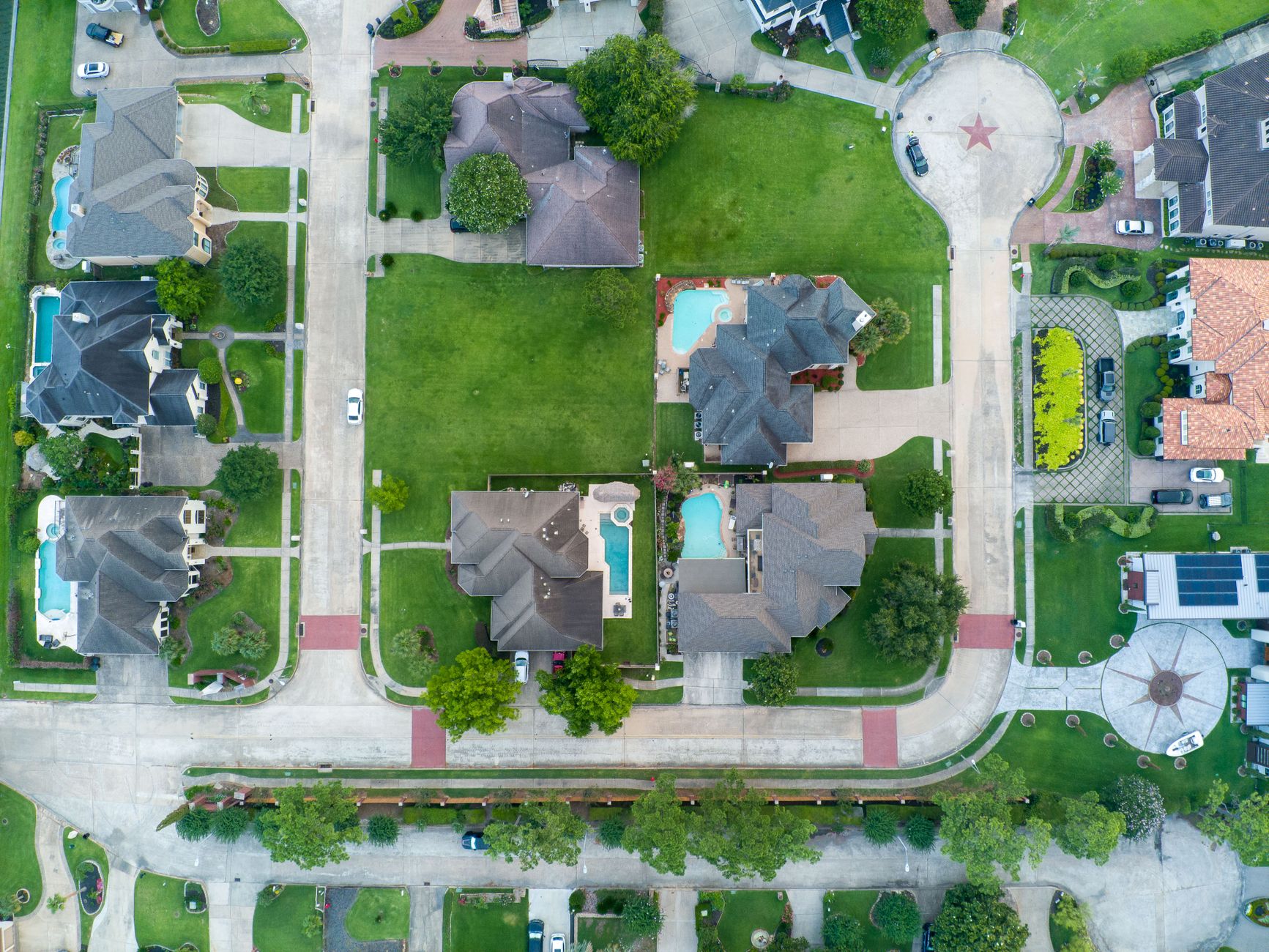
Housing prices by area (2026):
- Frisco: $480,000–$750,000 median for family homes. The most expensive of the major northern suburbs, with school quality to match.
- Plano: $420,000–$620,000. Established suburb with excellent schools, more price diversity than Frisco.
- McKinney: $390,000–$580,000. Strong growth corridor, historic downtown, slightly more affordable than Plano.
- Allen: $380,000–$550,000. High school football stadium that went viral for its cost notwithstanding, Allen is a well-run suburb with excellent schools.
- Southlake: $700,000–$1.2M+. The premium suburb — Carroll ISD, luxury retail, some of the highest income concentrations in Texas.
- Flower Mound / Coppell: $420,000–$640,000. Strong DFW Airport proximity, excellent schools, established community feel.
- Dallas city proper (desirable neighborhoods): $450,000–$900,000+ in Uptown, Knox-Henderson, M Streets, Preston Hollow.
Property taxes are the number that surprises buyers most. Texas has no state income tax — the headline that draws coastal migration — but property taxes run 1.8% to 2.4% effective in most Dallas-area jurisdictions. On a $550,000 home that is $9,900 to $13,200 per year. On a $700,000 home in Frisco or Southlake, the tax bill can reach $15,000 to $17,000 annually. Budget for this before you buy.
The cost-of-living index for the Dallas metro runs approximately 5% above the national average in 2026 — meaningfully cheaper than California, New York, or the DC suburbs, but not the dramatic bargain it was five years ago.
The job market
Dallas's employment base is the primary reason the migration has sustained itself. This is not a city that grew because it was cheap — it grew because it has genuine economic opportunity across multiple industries.
Technology: The Legacy West corridor in Plano and the surrounding area hosts Toyota's North American headquarters, JPMorgan Chase's major operations hub, Liberty Mutual, McKesson, and dozens of technology companies that have relocated or expanded here from California. The tech employment base is large, well-paying, and growing.
Financial services: American Airlines, AT&T, Goldman Sachs, Charles Schwab, and State Farm all have major Dallas-area operations. The financial services employment density rivals Charlotte and exceeds most cities its size.
Healthcare: UT Southwestern Medical Center is one of the top research medical centers in the country. Baylor Scott & White, Texas Health Resources, and Medical City anchor a healthcare employment base that provides professional career stability independent of the broader economy.
Real estate and construction: The growth itself creates employment. Construction, development, property management, and real estate services represent a significant share of the regional economy — which creates both opportunity and cyclical risk.
Weather — the honest version
Dallas weather is more complicated than "hot" and the full picture matters for lifestyle decisions.
Summer: Genuinely extreme. Temperatures above 100°F for 20 to 40 days per year are normal. The heat index regularly reaches 105°F to 112°F in July and August. Outdoor activity between 10am and 7pm in peak summer is genuinely limited. The summer is not a minor inconvenience — it is a season-long constraint that shapes how Dallas residents live and where they spend time. If you are moving from the Pacific Northwest or the upper Midwest, this will be a larger adjustment than you expect.
Winter: Mild most years, with temperatures rarely below 25°F. The ice storms that periodically shut down the city — and the infrastructure failures that have accompanied some of them — are a real consideration. The February 2021 winter storm that left millions without power for days is the extreme case, but ice storms that close highways and schools happen every few years.
Spring: Excellent — genuinely beautiful, with the best outdoor conditions of the year. Tornado risk is real in North Texas and residents take shelter warnings seriously. The storm infrastructure — community sirens, local weather coverage — is taken seriously here in ways that newcomers sometimes underestimate.
Fall: Exceptional. October and November in Dallas are among the best months of any major American city — warm days, cool evenings, football season, and the energy of a city that genuinely loves its fall.
Traffic

Dallas traffic is bad. Not New York or Los Angeles bad, but significantly worse than its size alone would predict, because the sprawl of the metroplex means commutes are long even when traffic is moving. The distance from McKinney to downtown Dallas is 35 miles. At 5pm on a weekday, that can be 75 to 90 minutes.
The Tollway system — the Dallas North Tollway, the George Bush Turnpike, the Sam Rayburn Tollway — is extensive and genuinely useful. Budget $100 to $200 per month in toll costs if you commute regularly. Remote work has meaningfully improved the quality of life for Dallas residents who can avoid the worst of peak hour, but if you are commuting five days per week to downtown from a northern suburb, the time cost is real.
DART light rail exists and serves some corridors, but the system is not comprehensive enough to make car-free living viable in most of the metro. Dallas is a car city.
Neighborhoods worth knowing
Uptown / Turtle Creek: The most walkable urban neighborhood in Dallas. Dense with restaurants, bars, and coffee shops. The Katy Trail running path connects Uptown to Highland Park. Median condo prices run $350,000 to $600,000. Rent for a one-bedroom runs $1,800 to $2,800. The lifestyle is genuinely urban by Texas standards.
Bishop Arts District: Oak Cliff's creative neighborhood. Independent restaurants, boutiques, and a genuinely local character that contrasts with the planned suburban environment of most of the metro. Home prices in the surrounding streets run $380,000 to $580,000.
Deep Ellum: Dallas's music and arts district. Live music venues, independent bars, murals. More scene than residential neighborhood, but the adjacent streets have seen significant residential development.
Preston Hollow: Dallas's established wealth neighborhood. Large lots, mature trees, some of the most expensive single-family homes in the city. George W. Bush's Dallas home is here.
Lake Highlands: One of the best-value established neighborhoods in Dallas proper. Good schools (in parts), community character, home prices running $380,000 to $600,000 for family-sized homes.
Schools
School quality varies dramatically within the Dallas metro and this single factor drives more location decisions than any other.
The northern suburbs — Frisco ISD, Plano ISD, Allen ISD, Carroll ISD (Southlake) — consistently rank among the best school districts in Texas. If school quality is a primary factor in your decision, these districts deliver and the premium in home prices reflects that.
Dallas ISD — the city of Dallas public school system — is large and uneven. There are excellent magnet programs within DISD (Booker T. Washington High School for the Arts, TAG elementary programs) but the general neighborhood school quality varies significantly by area. Families moving to Dallas proper with children typically spend significant time researching specific school attendance zones rather than treating the district as a whole.
The honest pros and cons
Reasons to move to Dallas: Genuine career opportunity across multiple industries. No state income tax. Strong suburban school infrastructure in the northern suburbs. A food scene that has developed into one of the best in the country. Low unemployment and a diversified economy that has proven resilient across multiple cycles. Affordable compared to coastal alternatives.
Reasons to pause: Summer heat that is not for everyone. Property taxes that partially offset the income tax advantage. Traffic and car dependency that are structural features, not temporary problems. A built environment — outside of a few urban neighborhoods — that prioritizes the automobile over the pedestrian in ways that some buyers find difficult to adjust to. Insurance costs (homeowners and car) that are higher than the national average.
The honest bottom line
Dallas works best for people who are moving for specific reasons — career opportunity, family proximity, or a deliberate financial decision — and who have researched the specific suburb and neighborhood that fits their life rather than buying into a generic "Dallas is booming" narrative.
The region is genuinely good. The economy is real. The schools in the right districts are excellent. The food is genuinely exceptional. The people are friendlier than the national stereotype of Texas captures.
The adjustment from a coastal urban environment is real and requires honest reckoning — the heat, the car dependency, the sprawl, the absence of the cultural density that New York or San Francisco provides by the square mile. For people who have honestly assessed those tradeoffs, Dallas delivers on its promise.
For people who moved for the tax bill and assumed the lifestyle would follow — the return rate is not zero.
Research your specific Dallas neighborhood on WYLT before you commit. Free data on schools, flood risk, commute, crime, and price trends for every zip code in the Dallas metro.
Find your Dallas neighborhood →
Also in the WYLT moving guides: Houston TX, San Antonio TX, Kansas City MO.