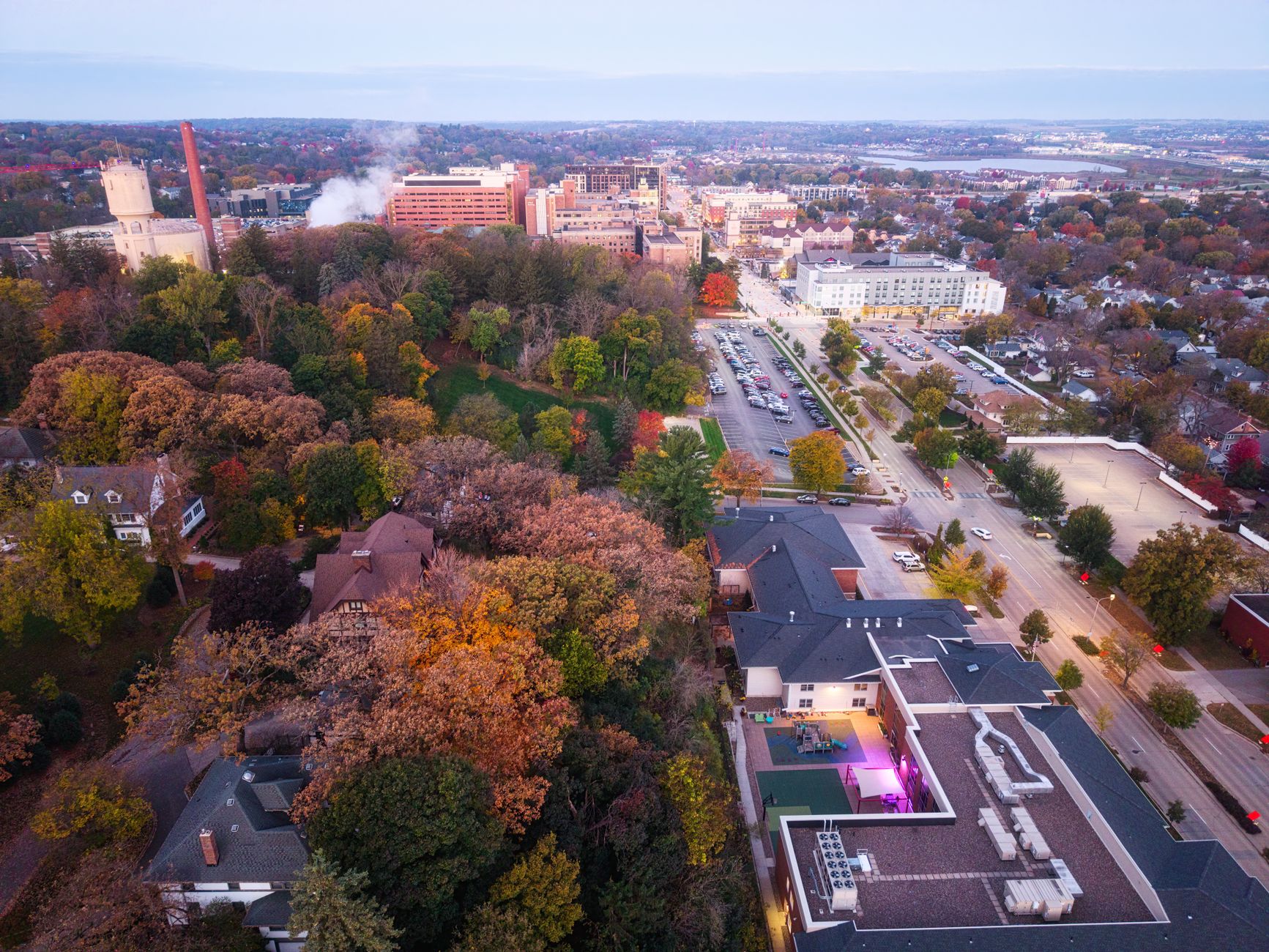
Considering a move to Toledo, Ohio, or looking to invest in its housing market? The question of what home prices will look like in 2026 is critical for anyone making a serious financial decision. This post cuts through the typical real estate rhetoric to give you an honest, data-driven look at Toledo's market, its costs, its neighborhoods, and what you can realistically expect.
We'll unpack the current trends, highlight the city's unique strengths and significant challenges, and provide specific numbers to help you evaluate if Toledo is the right fit for your budget and lifestyle. This isn't about making Toledo sound perfect; it's about giving you the straight facts so you can make an informed choice, whether you're a first-time homebuyer, a relocating professional, or an investor.
Cost of Living & Home Prices
Toledo remains one of the most affordable cities in Ohio, though prices have seen steady appreciation in recent years. As of early 2024, the median home price within Toledo city limits hovers around $150,000. For reference, this is significantly lower than the national median of over $400,000, making homeownership accessible to a broader demographic. We project a modest but continued increase into 2026, with median prices potentially reaching $160,000-$170,000, assuming stable economic conditions and continued demand.
Renting in Toledo also offers value. The median rent for a 2-bedroom apartment typically ranges from $1,050 to $1,250, depending on the neighborhood and amenities. Utilities, including electricity, natural gas, water, and internet, can add another $200-$350 per month to your budget. Property taxes in Lucas County, where Toledo is located, average an effective rate of about 1.8% of a home's market value. For a $150,000 home, expect annual property taxes around $2,700-$3,000. Toledo's median household income is approximately $52,000, resulting in a favorable price-to-income ratio compared to many larger metro areas.
| Metric | Current Toledo Data |
|---|---|
| Median Home Price | $150,000 |
| Median 2-Bedroom Rent | $1,100/month |
| Median Household Income | $52,000/year |
| Price-to-Rent Ratio | 11.36 (favorable for buying) |
Best Neighborhoods
Choosing a neighborhood in Toledo depends heavily on your priorities: budget, schools, and desired character. The Old West End (ZIP 43620) is famous for its historic Victorian and Edwardian homes, often selling for $120,000 to $250,000, though fully restored gems can go higher. It has a unique artistic vibe and a Walk Score ranging from 30-60 depending on the block, indicating some areas are more walkable than others. Buyers here should be prepared for potential renovation costs, as many homes are older.
For those prioritizing top-tier schools and a more suburban feel, Ottawa Hills (ZIP 43606) is a prime choice, though it's technically an independent village bordering Toledo. Home prices here are significantly higher, ranging from $350,000 to $700,000+, reflecting its status as one of the area's most affluent communities and its highly-rated school district. Walk Scores are typically low (20-40) as it's a car-dependent area. Within Toledo city limits, the Westgate/Secor Road area (ZIP 43615) offers a good balance. It's an established residential area with convenient access to shopping and services, with homes typically priced between $180,000 and $300,000. Walk Scores are moderate, around 40-60, especially near commercial corridors.
If waterfront living appeals, Point Place (ZIP 43611) at the northern tip of Toledo offers access to Maumee River and Lake Erie. This area has a distinct community feel, with homes ranging from $120,000 for smaller bungalows to $250,000 for properties with water views or access. However, some areas in Point Place can be prone to flooding, which buyers should factor into their due diligence. Its Walk Score is generally low (20-50), making a car essential.
Schools
Toledo Public Schools (TPS) serves the majority of the city's residents. On GreatSchools.org, individual TPS schools typically receive ratings in the 3-6 out of 10 range, reflecting mixed academic performance and resources. While some schools within TPS show pockets of excellence, the district as a whole faces challenges common to many urban school systems, including funding disparities and varying student achievement levels.
Families prioritizing highly-rated public education often look to the surrounding suburban districts. As mentioned, Ottawa Hills Local School District consistently ranks among the best in the state, with GreatSchools ratings often at 9 or 10 out of 10. Similarly, the Sylvania City School District, bordering Toledo to the west, is another top performer, with many schools rating 8-9 out of 10. Living in these districts typically means higher housing costs and property taxes, a trade-off many families are willing to make for the educational advantages.
Safety
Safety is a significant concern for many considering a move to Toledo, and it's important to be direct about the data. Toledo's violent crime rate is higher than both the national and state averages, particularly in specific areas of the city. According to recent FBI data, residents have a 1 in 100 chance of being a victim of violent crime. Property crime is also above average, with theft and vehicle break-ins being common issues.
It's crucial to understand that crime is not uniformly distributed across the city. Areas in central and east Toledo, as well as some southern neighborhoods, tend to have higher crime rates. Neighborhoods like Old West End have a mix, with some blocks being very stable and others experiencing more challenges. Generally, the suburban areas bordering Toledo, such as Sylvania, Maumee, and Perrysburg, and the village of Ottawa Hills, have significantly lower crime rates. Prospective buyers should research specific ZIP codes and blocks thoroughly, using tools like local police crime maps and neighborhood-specific statistics, rather than relying on city-wide averages alone.
Job Market
Toledo's job market is historically rooted in manufacturing, particularly the automotive industry, with Stellantis (formerly Fiat Chrysler) operating the Jeep assembly plant and General Motors having a powertrain facility nearby. These companies remain major employers, providing thousands of jobs. However, the economy has diversified significantly.
Healthcare is a dominant and growing sector, with major hospital systems like ProMedica and Mercy Health being among the largest employers. The University of Toledo and Owens Corning also contribute significantly to the job landscape in education, research, and corporate sectors. Logistics and distribution have also seen growth due to Toledo's strategic location at the intersection of major interstates (I-75, I-80/90). While local job growth has been steady, it is not explosive. Remote work opportunities are increasingly viable, allowing residents to leverage Toledo's affordable cost of living while earning salaries from companies based in higher-cost areas, making the city an attractive option for certain professionals.

The Verdict
Toledo's housing market in 2026 will continue to offer significant affordability compared to national averages, with projected modest appreciation. It's a clear BUY for specific demographics. If you're a first-time homebuyer prioritizing an accessible entry point into homeownership and a strong price-to-rent ratio, Toledo is an excellent option. Look at areas like the Westgate/Secor Road corridor or parts of South Toledo (e.g., ZIP 43614) for solid, family-friendly homes in the $180,000-$250,000 range, offering a good balance of value and amenities.
If you're an investor, Toledo also presents a compelling opportunity. The favorable price-to-rent ratio means strong potential for rental income and cash flow, especially in neighborhoods around the University of Toledo or areas experiencing revitalization. However, be cautious and research crime rates thoroughly; focus on properties in stable or improving areas. If you're relocating with school-aged children and education is paramount, you'll likely need to budget for higher housing costs in neighboring suburbs like Ottawa Hills or Sylvania, as the in-city public schools generally underperform. Toledo isn't for everyone, especially those seeking a booming job market or top-tier urban public schools, but for affordability, investment potential, and a community with a strong local identity, it delivers.
Explore neighborhood-by-neighborhood data on WYLT: Toledo, OH (Toledo).
Get the full data-driven report on any neighborhood at WYLT's neighborhood finder.