Considering a move to Saint Louis, Missouri, and trying to figure out if you can actually afford to live there? You're in the right place. Saint Louis has a reputation for affordability, especially compared to coastal metros, but what does that really mean for your wallet in 2026? This post cuts through the noise to give you a clear, data-driven look at what you’ll pay.
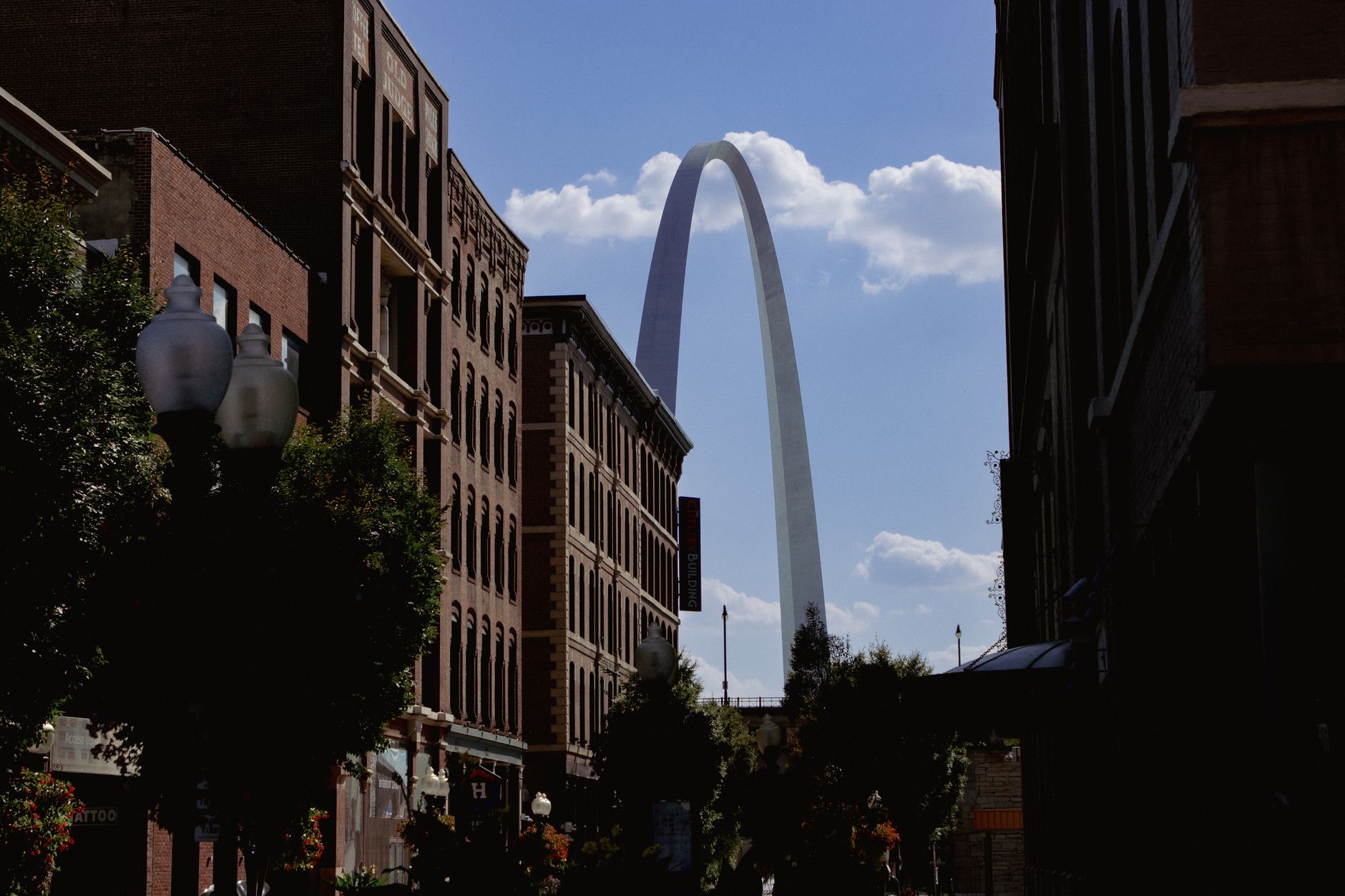
We're diving deep into the housing market, local costs, and quality-of-life factors specific to the city of Saint Louis, not the broader county. This is for renters eyeing their first apartment, first-time homebuyers navigating a tight budget, or professionals relocating for work who want an honest assessment of life beyond the Gateway Arch. Let's break down the real numbers and trade-offs.

Cost of Living & Home Prices
Saint Louis stands out for its relatively low cost of living among major U.S. cities. As of late 2025/early 2026 projections, the median home price within the city limits is around $235,000. This is significantly lower than the national median, making homeownership a realistic goal for many. However, this is an average; a renovated 3-bedroom in a desirable South City neighborhood might hit $350,000+, while properties in North City can be found for under $100,000.
Renters can expect to pay anywhere from $950 to $1,300 for a one-bedroom apartment, with the median sitting closer to $1,150. Two-bedroom units typically range from $1,200 to $1,800. Utilities, including electricity (Ameren), gas (Spire), water, and internet, generally add another $200-$350 per month, depending on usage and apartment size. Property taxes in the City of St. Louis average around 1.5% of the assessed home value, meaning a $235,000 home might incur annual property taxes of approximately $3,500.
| Category | 2026 Estimate (City of St. Louis) |
|---|---|
| Median Home Price | $235,000 |
| Median Rent (1-bedroom) | $1,150 |
| Median Household Income | $59,000 |
| Price-to-Rent Ratio | 17.0 (Buy is often better long-term) |
The price-to-rent ratio for Saint Louis, around 17.0, indicates that buying a home is often a more financially sound long-term decision than renting, given the relatively low entry point for ownership and moderate rent prices. Groceries and transportation costs are generally on par with the national average, though having a car is highly recommended for navigating the city efficiently, despite decent public transit options along major corridors.
Best Neighborhoods
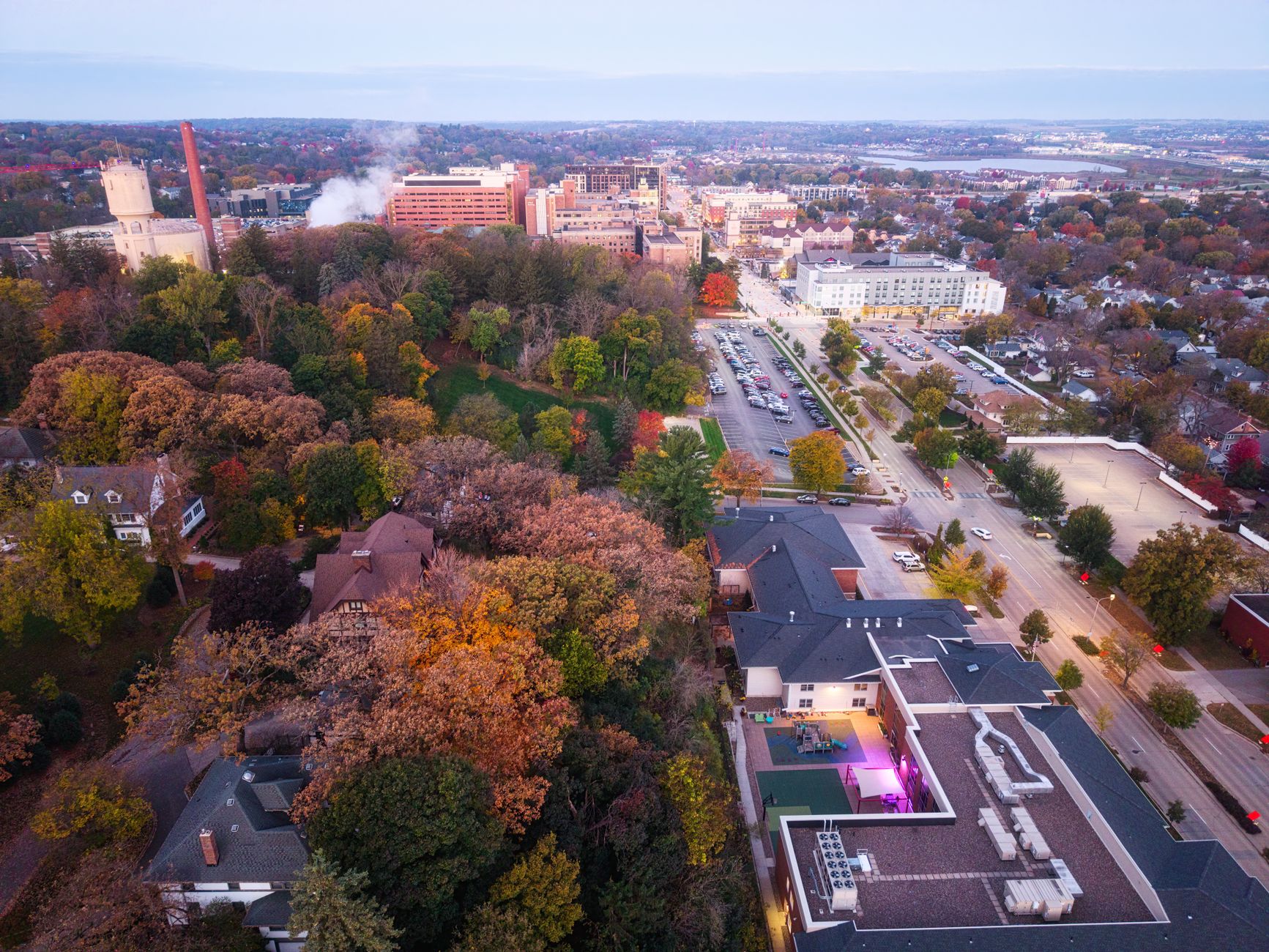
Choosing a neighborhood in St. Louis is crucial, as experiences can vary wildly block by block. For those prioritizing walkability and amenities, the Central West End (CWE) is a top contender. With median home prices ranging from $380,000 to $700,000 for condos and historic homes, it boasts a Walk Score of 85. It’s dense with restaurants, boutiques, and cultural institutions, and home to Barnes-Jewish Hospital and Washington University Medical Campus.
If you're looking for a more eclectic, community-focused vibe with slightly better value, Tower Grove South offers median home prices between $280,000 and $450,000. It's known for its beautiful historic homes, access to the expansive Tower Grove Park, and a vibrant strip of independent businesses along South Grand Boulevard. Its Walk Score is typically around 75, making daily errands manageable on foot. You get a lot of character and a strong community feel for your dollar here.
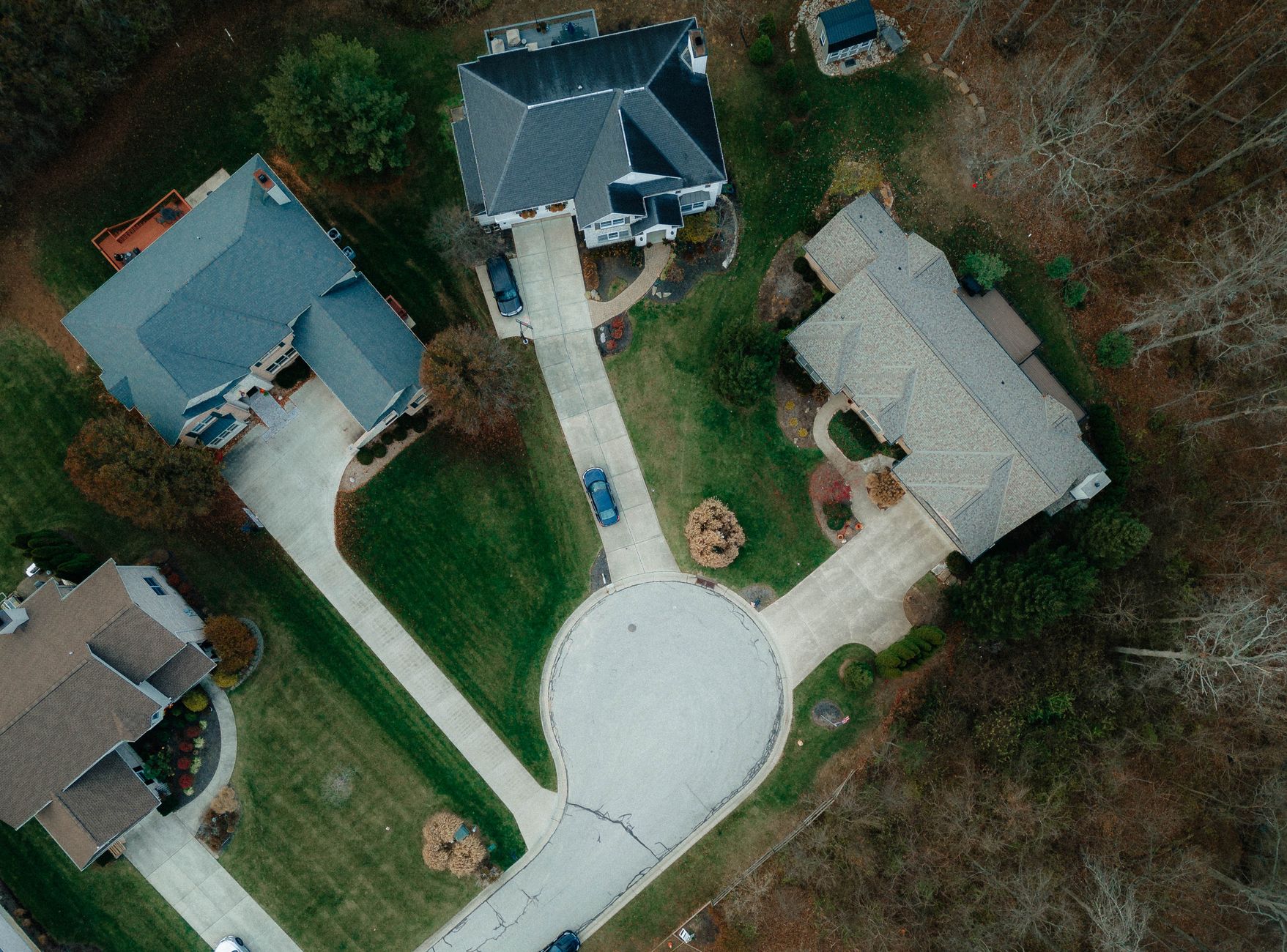
For families seeking a quiet, residential feel within the city, Lindenwood Park and St. Louis Hills are excellent choices. Median home prices here are typically $300,000 to $480,000 for well-maintained brick homes, offering a suburban aesthetic without leaving city limits. Lindenwood Park has a Walk Score of about 65, and both neighborhoods are lauded for their stable, tree-lined streets and proximity to parks like Francis Park and Lindenwood Park itself.
Schools
Navigating the Saint Louis Public School (SLPS) system requires careful research. Historically, SLPS has faced significant challenges, and overall district ratings often fall in the 4-5/10 range on sites like GreatSchools. Many city residents, particularly those with school-aged children, often consider private schools or prioritize specific neighborhoods known for stronger K-8 options, or eventually move to surrounding county districts like Kirkwood, Webster Groves, or Clayton, which consistently rank 8-10/10.
However, SLPS does offer some excellent magnet schools that operate on a lottery system, such as Metro High School (often rated 9-10/10 nationally) for high schoolers, and several highly-regarded elementary and middle schools like Gateway Elementary or McKinley Classical Junior Academy. These schools are competitive, and admission is not guaranteed. For families committed to city living, a deep dive into individual school performance and the magnet application process is essential.
Safety
Safety is a significant consideration when evaluating Saint Louis. The city has a higher-than-average crime rate, particularly concerning violent crime, which often makes national headlines. However, crime in St. Louis is highly concentrated and varies dramatically by neighborhood. Many areas popular with residents, like the Central West End, Tower Grove, Lafayette Square, and South City neighborhoods (e.g., St. Louis Hills, Southampton), experience much lower crime rates than the city average.
Areas north of Delmar Boulevard, generally referred to as North City, historically face the brunt of violent crime and poverty. While revitalization efforts are underway, these areas still require a higher degree of caution. For residents in most South City and central neighborhoods, general urban awareness is key: lock your doors, don't leave valuables visible in your car, and be aware of your surroundings, especially at night. It's not a city where you can be completely oblivious, but it's also not a constant danger zone outside of specific, well-known hot spots.
Job Market
Saint Louis boasts a diverse and stable job market, underpinned by several strong sectors. Healthcare is a dominant industry, with major employers including BJC HealthCare, SSM Health, and Mercy, along with the Washington University Medical Center. The biotech and plant science sectors are also significant, anchored by the Cortex Innovation Community and the Donald Danforth Plant Science Center, attracting research and development talent.
Education provides numerous opportunities through institutions like Washington University in St. Louis, Saint Louis University, and the University of Missouri-St. Louis. Financial services, led by companies such as Edward Jones and Wells Fargo Advisors, also contribute substantially to the local economy. Manufacturing, particularly in aerospace with Boeing's presence, remains a key employer. For those in remote roles, Saint Louis's lower cost of living makes it an attractive base for national companies, offering a better quality of life for a lower wage point than many major coastal cities.
The Verdict
Saint Louis offers exceptional affordability for a major U.S. city, but it comes with trade-offs that demand careful consideration. If you're a first-time homebuyer or a professional seeking a vibrant urban environment where your dollar stretches further, St. Louis is a strong contender. The median home price of $235,000 in 2026 makes homeownership genuinely accessible, particularly in neighborhoods like Tower Grove South or Lindenwood Park, where you can find great community and amenities for $280,000-$450,000.
However, if top-tier public schools are your non-negotiable priority, be prepared to do significant research into specific magnet programs within the city or broaden your search to the immediate surrounding county suburbs. Similarly, while many neighborhoods are perfectly safe, an honest understanding of the city's crime statistics and geographical variations is crucial. It’s not a city for the naive, but for those who do their homework and choose wisely, Saint Louis offers a rich cultural life and a welcoming community at a price point that's increasingly rare.
Get the full data-driven report on any neighborhood at WYLT's neighborhood finder.
Explore neighborhood-by-neighborhood data on WYLT: Saint Louis, MO (Saint Louis).