Nevada has no state income tax. That one fact draws more relocation searches than almost any other state-level policy in the country right now — and for people looking at Nevada specifically, the comparison almost always comes down to Reno or Las Vegas. They're both in the same state. They're both affordable relative to California, which is where most Nevada transplants are coming from. And they're genuinely different cities serving genuinely different kinds of people.
WYLT has reviewed multiple neighborhoods in both cities. The verdict patterns are specific, and the data tells a story that the standard "both have no state income tax" framing misses entirely.
The 30-second version
Choose Reno if: You want a mid-size Western city with real downtown walkability, proximity to Lake Tahoe (45 minutes), a growing tech sector (Tesla Gigafactory, Apple data center, Google data center), and a housing market that earns "Good for now" at $376,800. Reno is the better city for people who want an urban lifestyle at a lower cost.
Choose Las Vegas if: You're in hospitality, entertainment, or the service economy that supports them; you want more suburban space for the money ($345,800–$460,900 in the reviewed neighborhoods); or the Strip's proximity to world-class entertainment and dining is a genuine quality-of-life factor for you. Las Vegas has more neighborhoods reviewed and most of them earn "Good for now" — the challenge is car dependence and the summer heat.
Cost of living
Both cities are affordable relative to the coasts. The specific numbers matter.
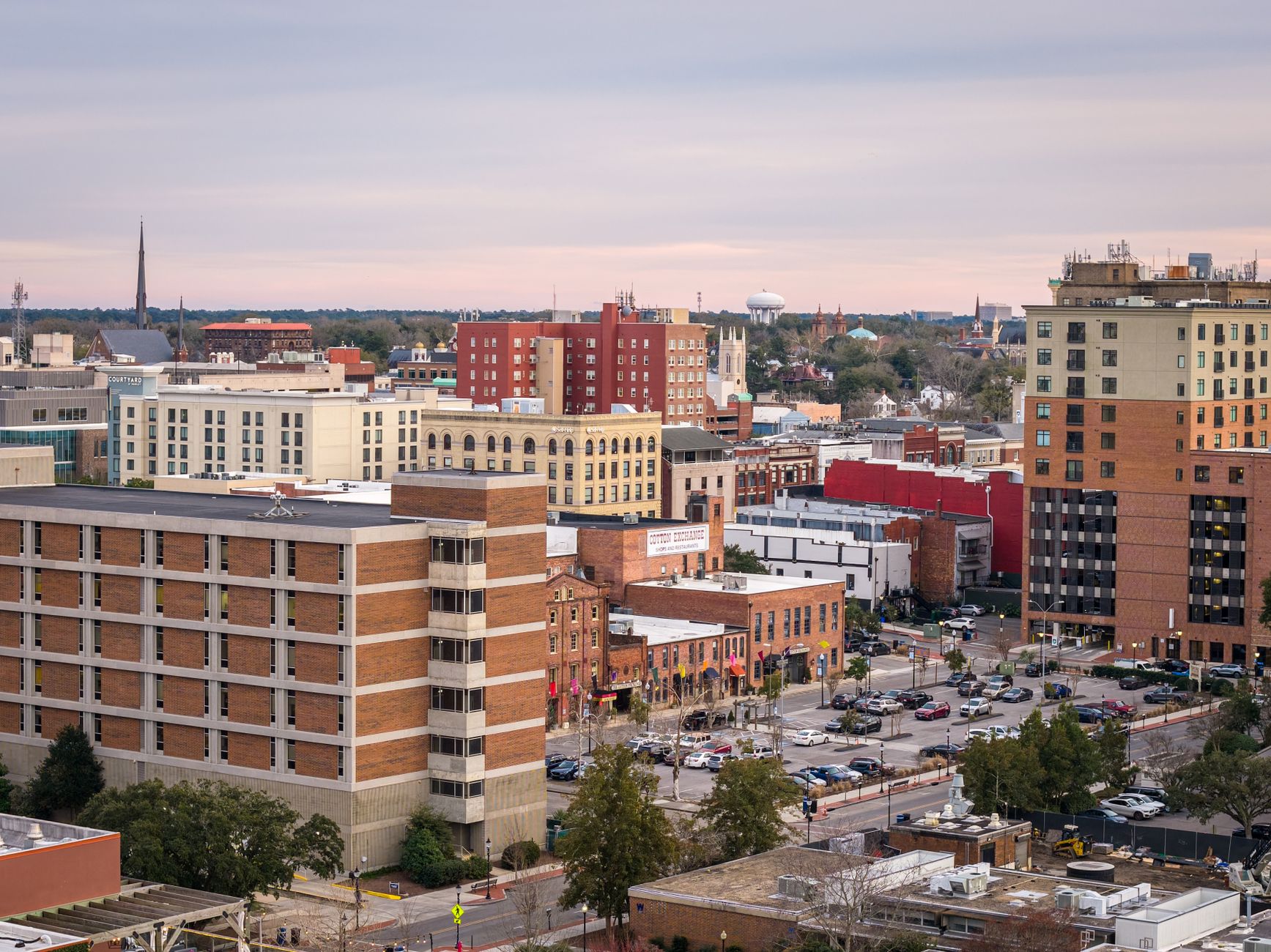
Reno's reviewed neighborhood — Downtown Reno (89501) — earns "Good for now" at a median home price of $376,800 with a walk score of 62. For a Nevada city, that walkability number is exceptional — Reno's downtown grid is genuinely walkable in a way that Las Vegas's suburban sprawl is not.
Las Vegas's reviewed neighborhoods show more range. Spring Valley (89147) earns "Good for now" at $345,800 — the most affordable. Summerlin (89134) earns "Good for now" at $402,800. The northwest corridor (89149) earns "Good for now" at $460,900. The premium address in the reviewed set — Summerlin West (89135) — earns "Good for now" at $612,600. Downtown Las Vegas (89101) earns "Think twice" at $235,000 — cheap but with a crime profile that drives the lower verdict.
Both Nevada cities have no state income tax and relatively low property taxes. California transplants will find either city a significant financial improvement over their previous situation. The cost difference between Reno and Las Vegas is real but secondary — the bigger differentiator is lifestyle, not price.
Job market
Las Vegas has the larger job market by total number but a more concentrated sector profile. Hospitality, gaming, entertainment, conventions, and the enormous service economy surrounding the Strip are the primary employers. MGM, Caesars, Wynn, and the dozen other Strip operators collectively employ tens of thousands of people. The Las Vegas Convention Center makes it a national hub for trade shows and conferences. Outside hospitality and gaming, Las Vegas's private sector employment is thinner than a city its size might suggest.
Reno's job market has transformed in the last decade. Tesla's Gigafactory in Sparks (just east of Reno) was the catalyst — a $3.6 billion facility that brought supply chain, manufacturing, and engineering jobs to the region. Apple and Google both built major data centers nearby. Switch, one of the largest data center operators in the world, is headquartered in Las Vegas but has a major Reno presence. The result is a Reno tech and manufacturing sector that is disproportionately large for a city of 250,000 and growing faster than the hospitality-anchored Vegas economy.
For remote workers, both cities work equally well on infrastructure and cost basis. The lifestyle difference — which we'll get to — is what should drive the decision.
Safety
Both cities have specific neighborhoods to avoid and neighborhoods where crime is genuinely manageable. The overall patterns differ.
Reno's downtown (89501) earns "Good for now" despite being the urban core — a positive indicator for a Nevada city. Downtown Reno has made real progress on homelessness and crime management compared to five years ago, though it hasn't solved the problem entirely. The walk score of 62 reflects a genuinely urban neighborhood that functions for residents who want city-center living.
Las Vegas's downtown (89101) earns "Think twice" at $235,000 — the crime profile there is a genuine concern that the low price reflects honestly. The suburban neighborhoods — Spring Valley, Summerlin, and the northwest corridors — all earn "Good for now." Las Vegas's livability, in practice, is a function of which part of Las Vegas you're in. The suburban rings are genuinely safe and well-run; downtown and parts of North Las Vegas are not.
Lifestyle and outdoor access

Reno's lifestyle identity is built on Tahoe access and a genuine downtown. Lake Tahoe is 45 minutes away — ski season at Heavenly, Northstar, and a dozen other resorts; summer hiking, kayaking, and beaches. The Truckee River runs through downtown Reno with a riverside trail. The National Bowling Stadium and the National Automobile Museum are resident landmarks, but the real draw is the outdoor access. For people who want mountain lifestyle without paying Tahoe or Truckee prices, Reno is the unlock.
Las Vegas's lifestyle identity is the Strip — and that's genuinely not nothing. Having world-class restaurants, shows, concerts, and sporting events (Raiders, Golden Knights, a new MLB stadium on the way) within 20 minutes of a residential neighborhood is a quality-of-life factor that's easy to discount until you live there. The outdoor access is also underrated: Red Rock Canyon National Conservation Area is 25 minutes from the Strip; Lake Mead is 40 minutes; Mount Charleston (ski resort and trails) is 45 minutes. Nevada has exceptional public land access.
The Las Vegas summer is the deal-breaker for some people and a non-issue for others. June through September average highs exceed 100°F. You will spend those months in air conditioning and in pools. If that sounds miserable, it is. If you work indoors, have a pool, and spend summers in places other than Las Vegas, the heat is manageable. Reno gets hot summers too — but 95°F in Reno versus 110°F in Las Vegas is a real difference.
What WYLT's data shows
Reno
- Downtown Reno (89501) — Good for now: Walk score 62, median home $376,800. The best urban-walkable entry point in Nevada outside of downtown Las Vegas — and with a better verdict than downtown LV. Earns "Good for now" with the best walk score of any reviewed Nevada neighborhood.
Las Vegas
- Spring Valley (89147) — Good for now: Walk score 13, median home $345,800. The most affordable "Good for now" neighborhood in the Las Vegas metro — established suburb with reasonable crime profile. Car-dependent, like all Las Vegas neighborhoods.
- Summerlin (89134) — Good for now: Walk score 0, median home $402,800. The most popular master-planned community in Las Vegas — excellent schools, low crime, well-maintained. Car-dependent but one of the best suburban packages in Nevada.
- Northwest Las Vegas (89149) — Good for now: Walk score 45, median home $460,900. A newer development corridor with better walkability than most Las Vegas suburbs and strong school ratings.
- Summerlin West (89135) — Good for now: Walk score 2, median home $612,600. The premium address in the Summerlin master plan — the best schools, the most amenities, the highest price.
- Downtown Las Vegas (89101) — Think twice: Walk score 33, median home $235,000. Affordable but earns "Think twice" due to elevated crime. Worth watching as the downtown redevelopment continues, but not currently a safe buyer's bet.
The verdict
Reno is the better city for most people who are choosing based on livability. A "Good for now" downtown at $376,800 with a walk score of 62, Tahoe 45 minutes away, and a growing tech job market — Reno is a genuine urban lifestyle at Nevada prices, which is a rare combination.
Las Vegas makes more sense for people in hospitality and entertainment, people who genuinely value the Strip's proximity as a quality-of-life factor, or buyers looking for the best suburban school package at $400K–$600K (Summerlin). The heat is real and non-trivial. The car dependence is universal outside of a small downtown strip. But the "Good for now" verdicts hold across most reviewed neighborhoods — Las Vegas is not a bad place to live, it's a specific kind of place to live.
The single clearest factor: if you want walkability and a genuine downtown, Reno. If you want space, suburban infrastructure, or the Strip lifestyle, Las Vegas.
Get the full data-driven report on any neighborhood at WYLT's neighborhood finder.