Considering a move to Tacoma, WA, and wondering if it's a good real estate market in 2026? You're not alone. Many people are drawn to Tacoma's unique blend of outdoor recreation, cultural attractions, and relatively affordable housing compared to neighboring Seattle. But before making a decision, it's essential to dig into the details of the local market, including home prices, neighborhood options, schools, safety, and job opportunities.
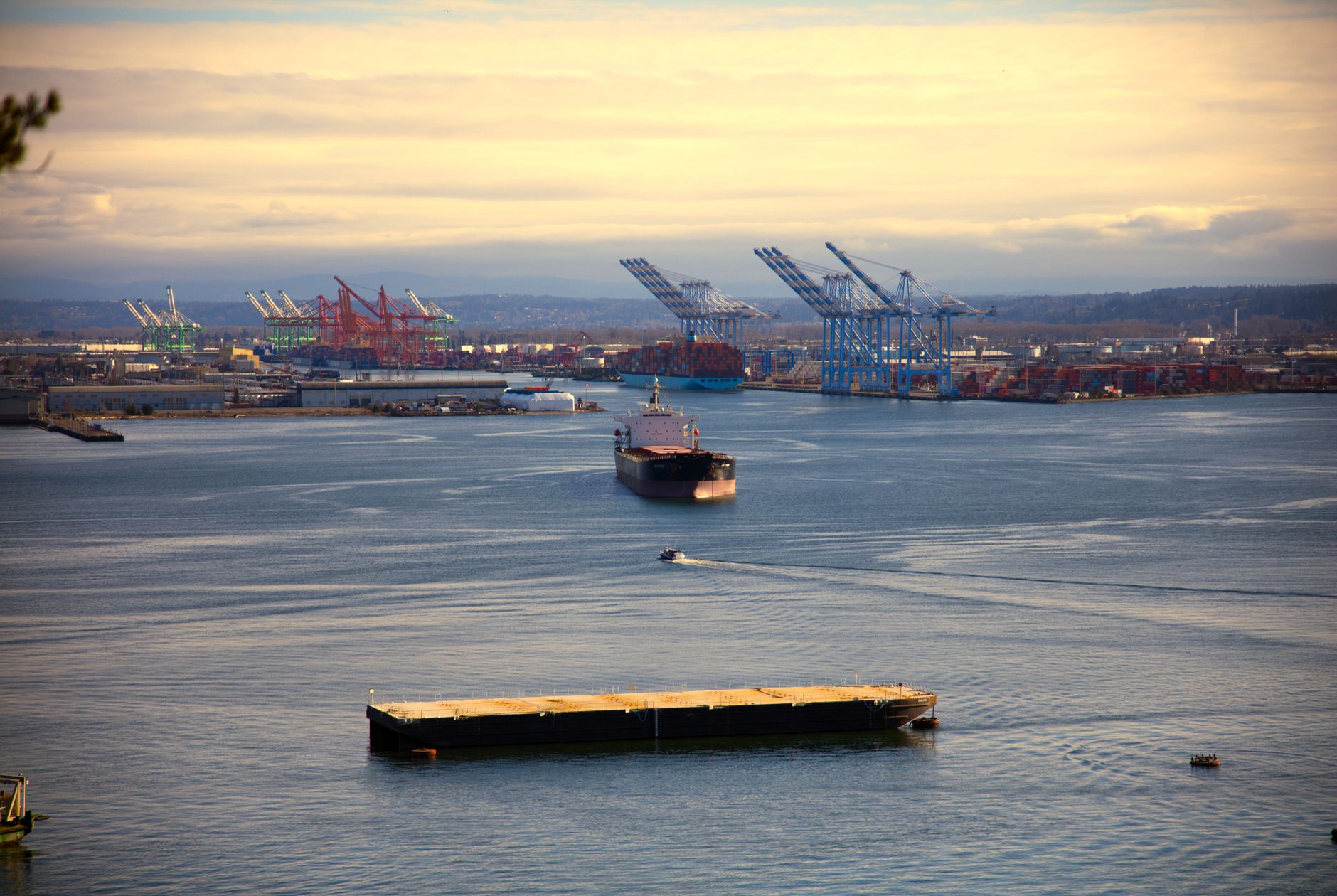
Tacoma is a city of around 220,000 people, located about 32 miles southwest of Seattle. Its proximity to the larger city, combined with its own attractions like the Museum of Glass and Point Defiance Park, make it an appealing choice for many. However, like any city, Tacoma has its downsides, including some areas with higher crime rates and a mix of older and newer housing stock that can vary significantly in condition and price.
Cost of Living & Home Prices
The cost of living in Tacoma is generally lower than in Seattle, but it's still higher than many other parts of the country. The median home price in Tacoma is around $440,000, with prices ranging from approximately $280,000 for a smaller, older home in a less desirable neighborhood to over $700,000 for a larger, newer home in a more desirable area. Rent prices vary as well, with the median rent for a one-bedroom apartment being around $1,300 per month and $1,800 for a three-bedroom house.
Here's a breakdown of some key statistics for Tacoma:
| Statistic | Value |
|---|---|
| Median Home Price | $440,000 |
| Median Rent | $1,600/month |
| Median Household Income | $63,000/year |
| Price-to-Rent Ratio | 22 |
Utilities, including electricity, water, and gas, can cost an average household around $150-200 per month, depending on usage and the time of year. Property taxes are also a consideration, with the average effective tax rate in Pierce County being around 0.88% of the home's value.
Best Neighborhoods
Tacoma has a variety of neighborhoods to choose from, each with its own character and advantages. The Stadium District, ZIP code 98403, is known for its historic homes, vibrant nightlife, and proximity to downtown Tacoma and the stadium. Homes in this area can range from around $380,000 for a smaller, older house to over $600,000 for a larger, newer one. Another popular area is the North End, which offers a mix of older and newer homes, parks, and a more suburban feel, with prices ranging from approximately $320,000 to $550,000.
The Proctor District, situated in the 98407 ZIP code, is famous for its small-town feel, with local shops, restaurants, and a weekly farmers' market during the warmer months. Home prices here can vary widely, from around $300,000 for a smaller home to over $500,000 for a larger, newer property. For those looking for a more affordable option, the 98404 ZIP code area around South Tacoma Way offers a mix of older homes and apartments, with prices starting from around $250,000 for a home and $1,000 per month for a rental.
Walk scores in Tacoma's neighborhoods can vary significantly, from a walk score of 82 in the Stadium District, indicating a very walkable area, to scores in the 40s and 50s in more suburban neighborhoods, which require a car for most errands. The character of each neighborhood also plays a role in deciding where to live, with some areas offering a more urban, bustling atmosphere and others providing a quieter, more suburban lifestyle.
Schools
The quality of schools is a crucial factor for many homebuyers, especially families. Tacoma Public Schools, the main school district serving the city, has a rating of 6 out of 10, according to GreatSchools.org. However, there are some standout schools within the district, such as Stadium High School, which is known for its strong programs and has a rating of 8 out of 10. Other highly rated schools include Lincoln High School and Bryant Montessori, both with ratings above 7 out of 10.
For families looking for alternative education options, there are several private and charter schools in Tacoma, including the Annie Wright Schools and the Tacoma School of the Arts. These schools can offer smaller class sizes, specialized programs, and a more personalized educational experience, but often come with tuition costs that can range from $5,000 to over $20,000 per year, depending on the school and the student's grade level.
Safety
Like many cities, Tacoma has areas that are considered safer than others. The overall crime rate in Tacoma is higher than the national average, with a mix of violent and property crimes reported across different neighborhoods. Areas like the Stadium District and the North End are generally considered to be among the safer neighborhoods, with lower crime rates compared to other parts of the city. However, other areas, such as parts of the Hilltop and South Tacoma, have higher crime rates and are considered less safe.
It's essential for anyone considering moving to Tacoma to research the specific crime statistics for the neighborhoods they're interested in and to visit these areas to get a firsthand impression of their safety and overall feel. Additionally, the city and local community organizations are working to improve safety through various initiatives, including increased police presence in certain areas, community policing programs, and neighborhood watch groups.
Job Market
Tacoma's job market is diversified, with major industries including healthcare, education, manufacturing, and government services. Some of the largest employers in the area include MultiCare Health System, Tacoma Public Schools, and the City of Tacoma. The nearby Joint Base Lewis-McChord also provides employment opportunities for military personnel and civilians. The median household income in Tacoma is around $63,000, which is lower than in some other parts of the Puget Sound region but still reflective of the area's relatively high cost of living.
For those interested in remote work, Tacoma offers a range of coworking spaces and libraries with reliable internet, making it feasible to work from home or a shared office space. The city's proximity to Seattle also means that many residents commute to jobs in the larger city, with commute times ranging from about 45 minutes to over an hour and a half, depending on traffic and the specific route taken.
The Verdict
If you're looking for a more affordable alternative to Seattle with its own set of attractions and a strong sense of community, Tacoma could be a good choice. However, it's crucial to carefully consider the trade-offs, including the potential for higher crime rates in some areas and the mix of older and newer housing stock. For first-time buyers prioritizing affordability and not necessarily needing to be in the most desirable neighborhoods, areas like the 98404 ZIP code around South Tacoma Way could offer a good balance of price and amenities.
For families, the quality of schools is likely to be a significant factor. In this case, looking at neighborhoods served by highly rated schools like Stadium High School could be a good strategy. Ultimately, whether Tacoma is a good real estate market for you in 2026 depends on your individual priorities, budget, and what you're looking for in a community. With careful research and consideration of the pros and cons, Tacoma can be a great place to call home.
Explore neighborhood-by-neighborhood data on WYLT: Tacoma, WA (Tacoma).
Get the full data-driven report on any neighborhood at WYLT's neighborhood finder.