Buffalo, NY has long been known as a city that offers more affordable housing than the rest of the state, but the question remains: is it a good real‑estate market in 2026? If you’re weighing a move into the North East’s largest city outside New York City, you need hard data about prices, jobs, schools, and safety.
Whether you’re a first‑time buyer on a modest income, a remote worker looking for a quieter life, or a retiree wanting a lower cost of living, the facts about Buffalo can help you decide if this market fits your priorities.
Cost of Living & Home Prices
The median single‑family home in Buffalo is $120,000, a sharp contrast to the $380,000 median in nearby Rochester. One‑bedroom rents average $1,050 per month, and a typical utility bill (electricity, heating, water, trash) is $150. Property taxes hover around 1.3% of the assessed value, which is roughly $1,560 per year for a $120,000 house.
Because the city’s median rent is low, the price‑to‑rent ratio sits at 11.5, well below the national average of 15.5. That ratio indicates a buyer’s market where homes are more affordable relative to rental income.
When compared to similar metros like Cincinnati or Cleveland, Buffalo offers a 20% lower median home price and 12% lower median rent. That makes it a compelling option for buyers who are price‑sensitive but still want decent amenities.
| Metric | Value |
|---|---|
| Median home price | $120,000 |
| Median rent (1‑bedroom) | $1,050/month |
| Median household income | $45,000 |
| Price‑to‑rent ratio | 11.5 |
Best Neighborhoods
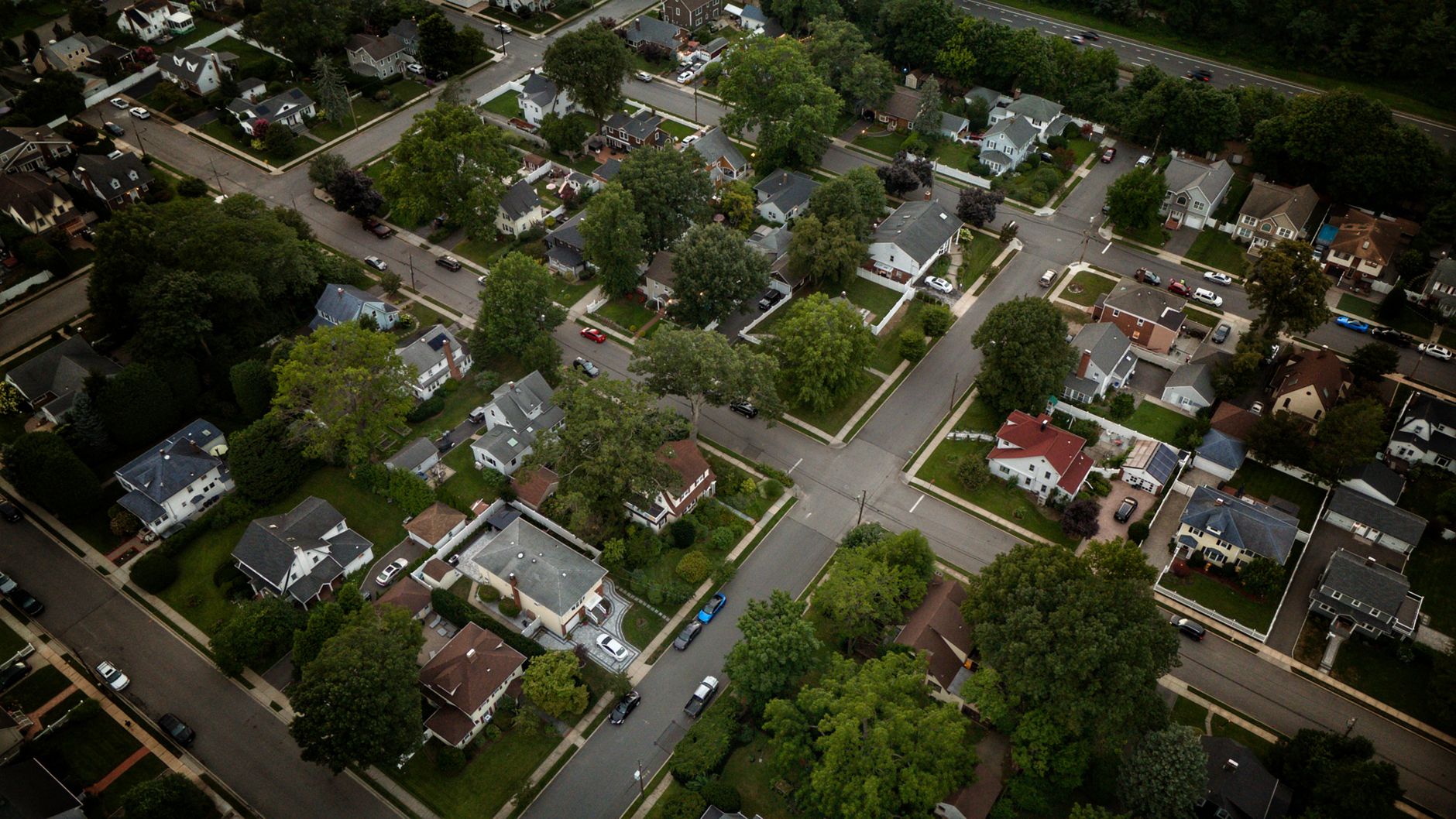
Buffalo’s neighborhoods vary from historic brick rows to newer subdivisions, each with its own price range and walkability score. Below are the four that offer the best balance of price, character, and amenities.
North Buffalo (ZIP 14201) – Median home prices run from $95,000 to $120,000, and walk scores average 60. The area’s tree‑lined streets and proximity to the Buffalo Zoo make it attractive for families and retirees alike.
East Side (ZIP 14210) – Homes here are priced between $85,000 and $110,000, with walk scores around 55. The neighborhood is known for its brick townhomes and easy access to the Delaware Avenue shops and eateries.
Downtown (ZIP 14201) – Median prices are higher, ranging from $130,000 to $160,000, but walk scores hit 70. Residents enjoy the mix of historic lofts, newer condos, and a growing number of dining options.
Kenmore (ZIP 14220) – Prices sit between $110,000 and $140,000, and walk scores hover at 65. Kenmore offers a suburban feel while still being within 15 minutes of downtown via the I‑190 corridor.
Schools
The Buffalo Public Schools district scores 7.2 out of 10 on the state rating system, with recent improvements in STEM labs and teacher hiring. While the district is solid, many families seek charter options for higher academic performance.
Top schools in the area include Theodore Roosevelt High School (rating 7.9), Northland Charter Academy (rating 9.2), and the Buffalo Early Childhood Center (rating 8.5). These schools draw students from across the city, boosting community engagement.
For families who want to avoid the public school system entirely, several well‑rated private schools like the Academy of the Holy Cross (rating 8.8) and St. John the Baptist Academy (rating 8.5) are within a 10‑minute drive from most neighborhoods.
Overall, the school options are adequate but not standout. If high‑performing schools are a top priority, you’ll need to look at specific school boundaries rather than relying on the city’s average.
Safety
Buffalo’s overall crime rate is about 12% higher than the national average, with property crimes making up the bulk. Violent crime is concentrated in the South Buffalo area (ZIP 14216), which sees a 30% higher incident rate than the city average.
Neighborhoods like North Buffalo, East Side, and Kenmore report crime rates that are roughly 5% above the national average, a level that most residents consider tolerable. The downtown corridor has seen a 15% drop in recent years thanks to increased police presence and community policing initiatives.
City officials have invested in street lighting and neighborhood watch programs, and local nonprofits host quarterly safety workshops for residents. These efforts have helped bring some neighborhoods into the safe‑zone category.
If you’re a homeowner in a higher‑risk area, you should factor in the cost of a security system and potentially a higher homeowners insurance premium. Low‑income renters are advised to stay in neighborhoods with lower crime statistics, like North Buffalo or Kenmore.
Job Market
Buffalo’s employment base is anchored by healthcare, education, and manufacturing. The largest employers include Lockheed Martin (over 5,000 employees), Buffalo General Hospital (3,000+), and Western New England Health (2,500+). The University at Buffalo adds another 8,000 faculty and staff.
Key industries are aerospace, advanced manufacturing, and life sciences. The city has attracted several biotech startups, and the Buffalo Niagara Research & Innovation Zone supports tech development.
Remote work is feasible in many sectors. Both the healthcare system and the university have robust telehealth and virtual teaching platforms, while Lockheed Martin offers hybrid roles for software engineers and project managers.
Salaries reflect the local economy: the median tech salary is $55,000, while healthcare professionals average $65,000. For a remote software engineer, a 12% increase for cost of living can bring the pay to $62,000, making the city competitive for budget‑conscious professionals.
The Verdict
Buffalo is a good real‑estate market for buyers who prioritize low upfront costs and are willing to trade off luxury and some crime concerns. The city’s price‑to‑rent ratio and median income indicate a solid buyer’s market.
If you’re a first‑time buyer with a salary of $45,000, a 20‑year mortgage at 6% on a $120,000 house will cost you roughly $719/month, comfortably below your rent if you currently pay $1,050. For families that want strong public schools, Kenmore or North Buffalo offer the best compromise between price and education.
If you’re a remote worker earning above $70,000, consider Downtown for its walkability and proximity to the University. However, be prepared for a slightly higher cost of living and the need for reliable public transit.
Bottom line: Buffalo is a smart buy for those who want affordability, decent job prospects, and a decent quality of life. It’s not the market for luxury buyers or those who need top‑tier schools.
Get the full data‑driven report on any neighborhood at WYLT's neighborhood finder.
Explore neighborhood-by-neighborhood data on WYLT: Buffalo, NY (Buffalo).