A few years ago, Austin was the answer and Dallas was the consolation prize. Austin had the tech companies, the music scene, the "Keep Austin Weird" identity, and the momentum. Dallas was where you moved when you needed more house for the money and were okay with a corporate suburb vibe.
That framing is now outdated. Austin's median home prices in its most sought-after neighborhoods have crossed $700K, $900K, and — in Tarrytown — $1.19 million. Dallas, meanwhile, has two reviewed neighborhoods earning "Good for now" and a price range that starts $200K below Austin's comparable options. The honest 2026 comparison is more complicated than it used to be. Here's what WYLT's data shows.
The 30-second version
Choose Austin if: You're in tech and your compensation is calibrated to Austin's salary market, you want the Hill Country lifestyle and outdoor access, and you can absorb $600K–$720K for a mid-range neighborhood. Austin still earns "Good for now" in its better-priced ZIP codes. The cultural identity and tech ecosystem are real.
Choose Dallas if: You want the same Texas no-income-tax benefit at lower housing cost, a more diverse economy (finance, healthcare, logistics, tech), and two reviewed neighborhoods that earn "Good for now" at $435K and $649K. Dallas's "Good for now" Uptown/Oak Lawn (75204) at $435,100 is the cheapest "Good for now" neighborhood of the two cities by a wide margin.
Cost of living
Texas has no state income tax — that benefit applies equally to both cities. The housing divergence is where they separate.
Austin's reviewed neighborhoods range from $456,100 (Windsor Park/Mueller, 78723) to $1,194,200 (Tarrytown, 78703). That's the widest spread of any Texas city WYLT has reviewed — and the top end is staggering. Tarrytown at $1.19M earns "Think twice," meaning Austin buyers are paying California-adjacent prices for a verdict that doesn't justify them. Even the "Good for now" Austin neighborhoods — Brentwood (78756) at $720,100 and South Congress (78704) at $721,200 — are priced at levels that require dual high incomes.
Dallas's reviewed neighborhoods range from $300,000 (Deep Ellum, 75226) to $649,700 (Lakewood, 75214). Uptown/Oak Lawn (75204) earns "Good for now" at $435,100 — the most affordable "Good for now" neighborhood in either city. Dallas's top-reviewed price ($649K in Lakewood) is roughly equal to Austin's entry-level "Good for now" price ($720K in Brentwood). The gap at the comparable end is real.
Property taxes complicate the comparison. Both cities are in Texas, so state income tax is zero in both. But Texas relies heavily on property taxes to fund schools and services — effective rates of 1.8%–2.5% on assessed value are common. At $700K, that's $12,600–$17,500/year in property taxes alone. This is not unique to Austin or Dallas, but it's an important number that gets lost in the "no income tax" marketing.
Job market
Austin dominated the tech relocation story of the early 2020s. That story is real but maturing.
Austin's tech economy is anchored by Dell (headquartered in nearby Round Rock), Tesla's Gigafactory and headquarters, Apple's second campus, Google, Meta, and dozens of venture-backed startups that followed the wave. The University of Texas pipeline feeds the tech talent pool. For software engineers, data scientists, and tech product managers, Austin's job market is deep and compensation is strong — though the pandemic-era feeding frenzy has normalized somewhat.
Dallas's economy is more diversified and, in total employment terms, larger. AT&T, Southwest Airlines, Toyota North America, ExxonMobil, American Airlines, and McKesson are all headquartered in the DFW metroplex. The finance sector (Goldman Sachs, JPMorgan, and Charles Schwab all have significant Dallas presences), healthcare, and logistics create employment depth that doesn't exist in Austin's tech-concentrated economy. For professionals in finance, healthcare, corporate operations, or logistics, Dallas has more opportunities — and more stability if the tech sector softens.
Safety
Neither city has a clean crime story, but Dallas's pattern is clearer to navigate.
In Dallas, the reviewed neighborhoods split cleanly: Lakewood (75214) and Uptown/Oak Lawn (75204) earn "Good for now"; Downtown (75201), Lower Greenville (75206), Deep Ellum (75226), and Bishop Arts/Oak Cliff (75208) earn "Think twice." The "Think twice" neighborhoods are mostly the trendy, lower-priced corridors. The "Good for now" neighborhoods are the established, higher-priced ones. That's an intuitive pattern that's easy to navigate.
In Austin, the pattern is less intuitive. Tarrytown (78703) — Austin's most expensive neighborhood at $1.19M — earns "Think twice." Downtown Austin (78701) — at $609,800 — earns "Think twice." The "Good for now" neighborhoods are mid-priced: Windsor Park/Mueller ($456,100), Brentwood ($720,100), and South Congress ($721,200). Austin's crime is elevated enough to affect the most prestigious addresses, similar to Atlanta's challenge.
Lifestyle and character
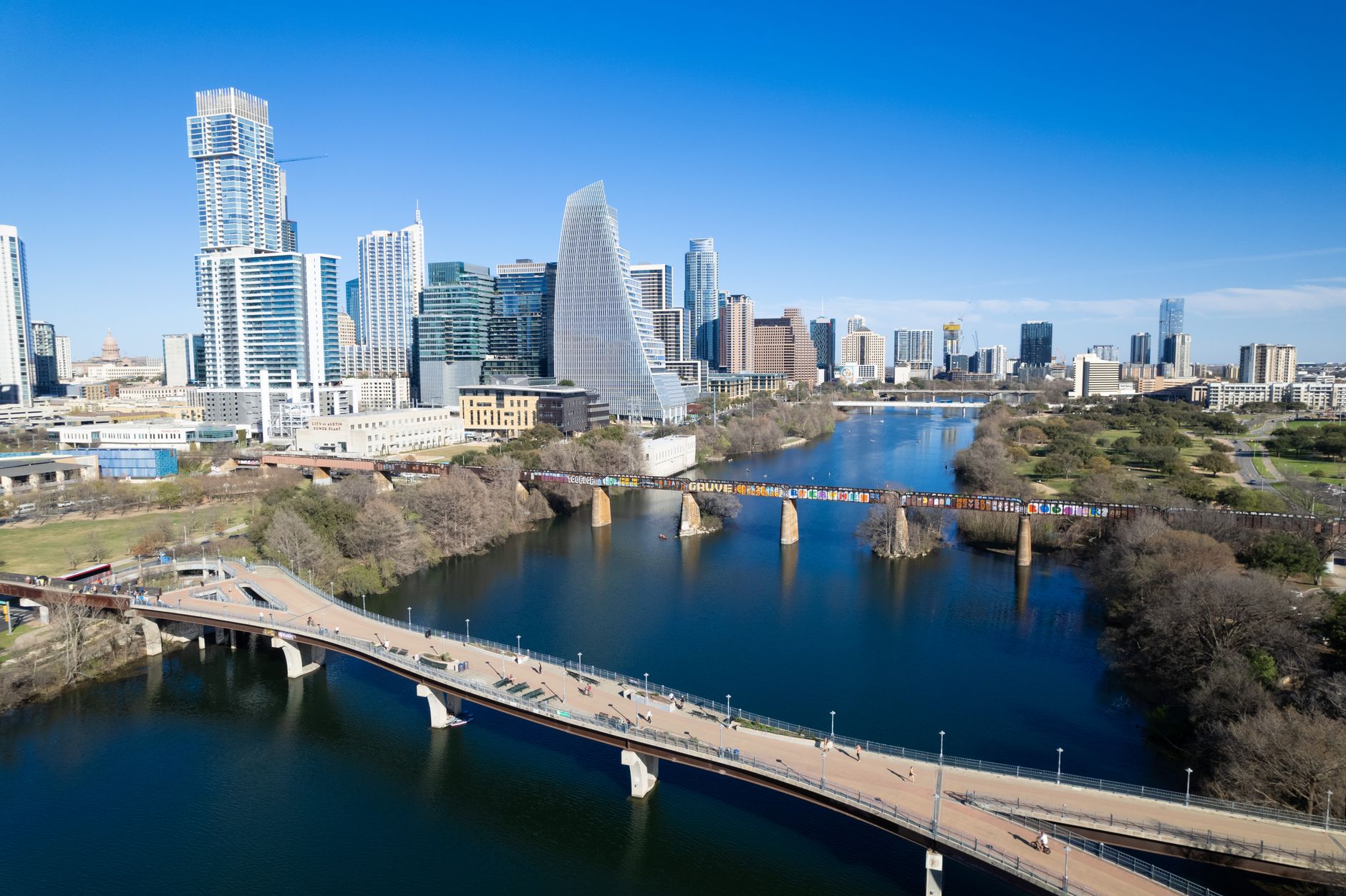
Austin's lifestyle identity is built on three things: the live music scene (Sixth Street, the East Side bars, ACL Festival), the outdoor access (Lady Bird Lake trail, Barton Springs, the Hill Country within an hour), and the tech-company culture that has made it the capital of "work hard and live well" in Texas. Zilker Park, South Congress, and the Domain have made Austin a legitimately great city for people in their 20s and 30s with strong incomes.
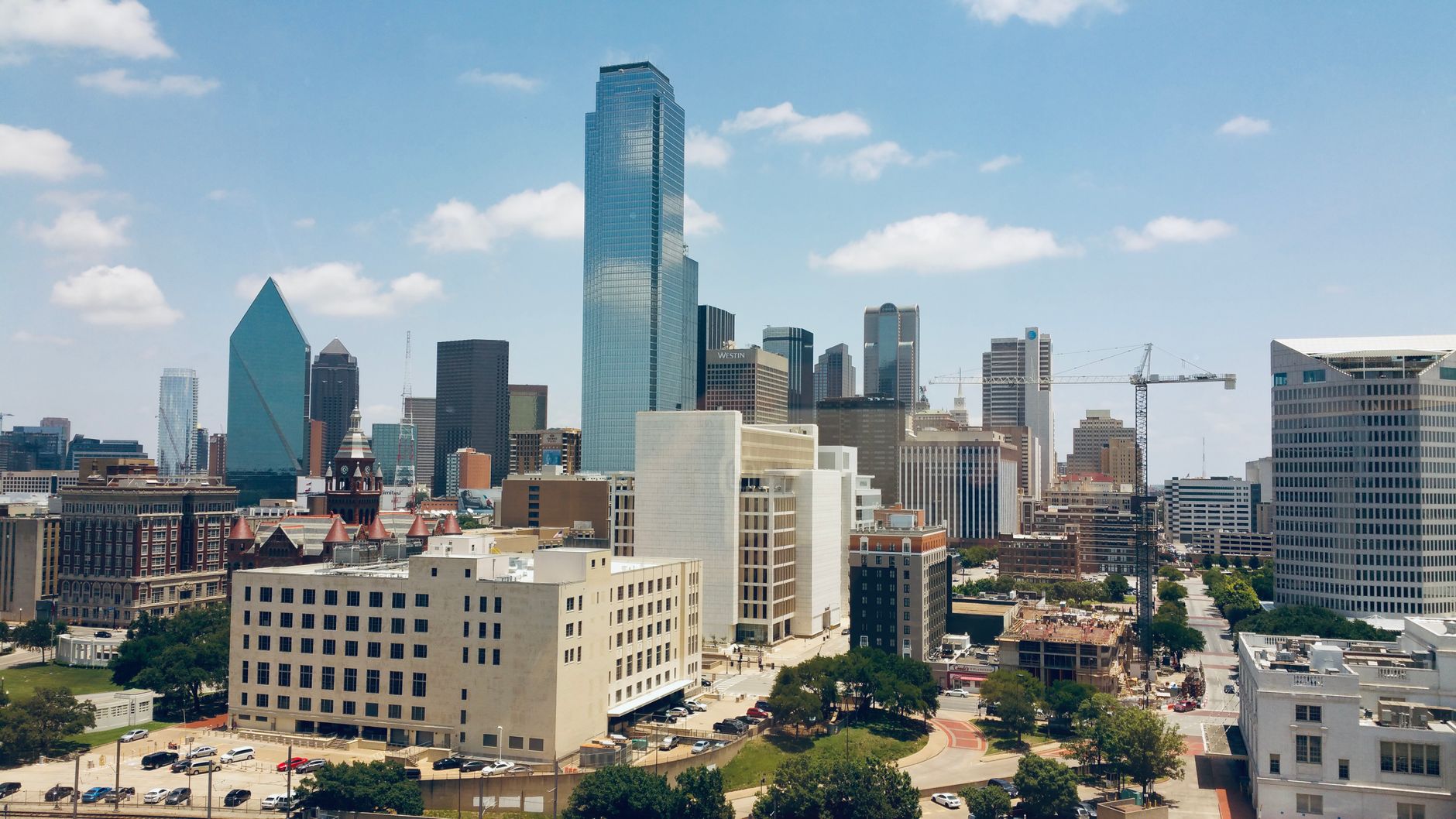
Dallas is more economically diverse, more spread out, and — until recently — culturally underestimated. The Katy Trail, the Bishop Arts District, the Deep Ellum music scene, and the Dallas Arts District (the largest urban arts district in the country) have produced a cultural life that is richer than Dallas's reputation suggests. The food scene has been nationally recognized. The Fort Worth Stockyards are 35 minutes west. The DFW airport makes Dallas one of the most connected cities in America for travel.
Austin wins on outdoor proximity — the Hill Country, Barton Springs, and Lake Travis are things Dallas doesn't have. Dallas wins on city scale, economic diversity, and — in 2026 — cost of living relative to what you get.
What WYLT's data shows
Dallas — selected neighborhoods
- Uptown / Oak Lawn (75204) — Good for now: Walk score 38, schools 7.1, median home $435,100. The best urban value in either city — the cheapest "Good for now" neighborhood in Dallas or Austin. Walkable restaurant and bar corridor, proximity to downtown, young professional density. The right starting point for most Dallas buyers.
- Lakewood (75214) — Good for now: Walk score 0, schools 7.1, median home $649,700. Car-dependent but Dallas's most established family neighborhood — Lakewood Elementary is one of the best public schools in the city, and the White Rock Lake trail is nearby. The "Good for now" at Dallas's top reviewed price point.
- Deep Ellum (75226) — Think twice: Walk score 19, schools 7.1, median home $300,000. Dallas's music and arts district — the cheapest reviewed entry point but "Think twice" due to crime. Better as a rental neighborhood than a buyer's neighborhood.
Austin — selected neighborhoods
- Windsor Park / Mueller (78723) — Good for now: Walk score 13, schools 7.3, median home $456,100. The most affordable "Good for now" in Austin — the Mueller mixed-use development brought new housing and retail to what was Austin's former airport. Car-dependent but good safety profile and entry-level Austin pricing.
- South Congress / South Austin (78704) — Good for now: Walk score 46, schools 7.3, median home $721,200. Austin's most iconic neighborhood corridor — South Congress Avenue, Barton Springs nearby, the Alamo Drafthouse circuit. "Good for now" at a price that requires a strong Austin-level income.
- Tarrytown (78703) — Think twice: Walk score 14, schools 7.4, median home $1,194,200. Austin's most prestigious ZIP code and its most alarming data point — "Think twice" at $1.19M. The price reflects historical demand, not current value-for-money.
The verdict
Dallas wins on value in 2026. Uptown/Oak Lawn at $435,100 "Good for now" is the strongest single neighborhood data point in either city — an urban neighborhood with walkability and a clean safety verdict at a price Austin simply doesn't offer at any comparable neighborhood.
Austin wins on lifestyle for people who can absorb the cost. The Hill Country access, the live music culture, and the tech job market are real advantages — but they come at prices that require strong incomes, and even at those prices the safety profile is imperfect.
The honest framing: if you're moving to Texas for quality of life and your career is not specifically anchored to Austin's tech ecosystem, Dallas's combination of lower cost, stronger economic diversity, and cleaner "Good for now" neighborhood pattern makes it the stronger choice in 2026.
Get the full data-driven report on any neighborhood at WYLT's neighborhood finder.