Moving to the Philadelphia metropolitan area forces a choice between the small‑town feel of Allentown and the sprawling urban core of Philadelphia. Both are in Pennsylvania, share a climate, and offer a mix of job opportunities, but the day‑to‑day experience differs in measurable ways.
For anyone weighing cost, safety, and lifestyle, this side‑by‑side review gives hard data: median home prices, rent ranges, school ratings, crime statistics, and more. It’s for the practical mind that wants to know which city delivers the best return on investment for specific needs.
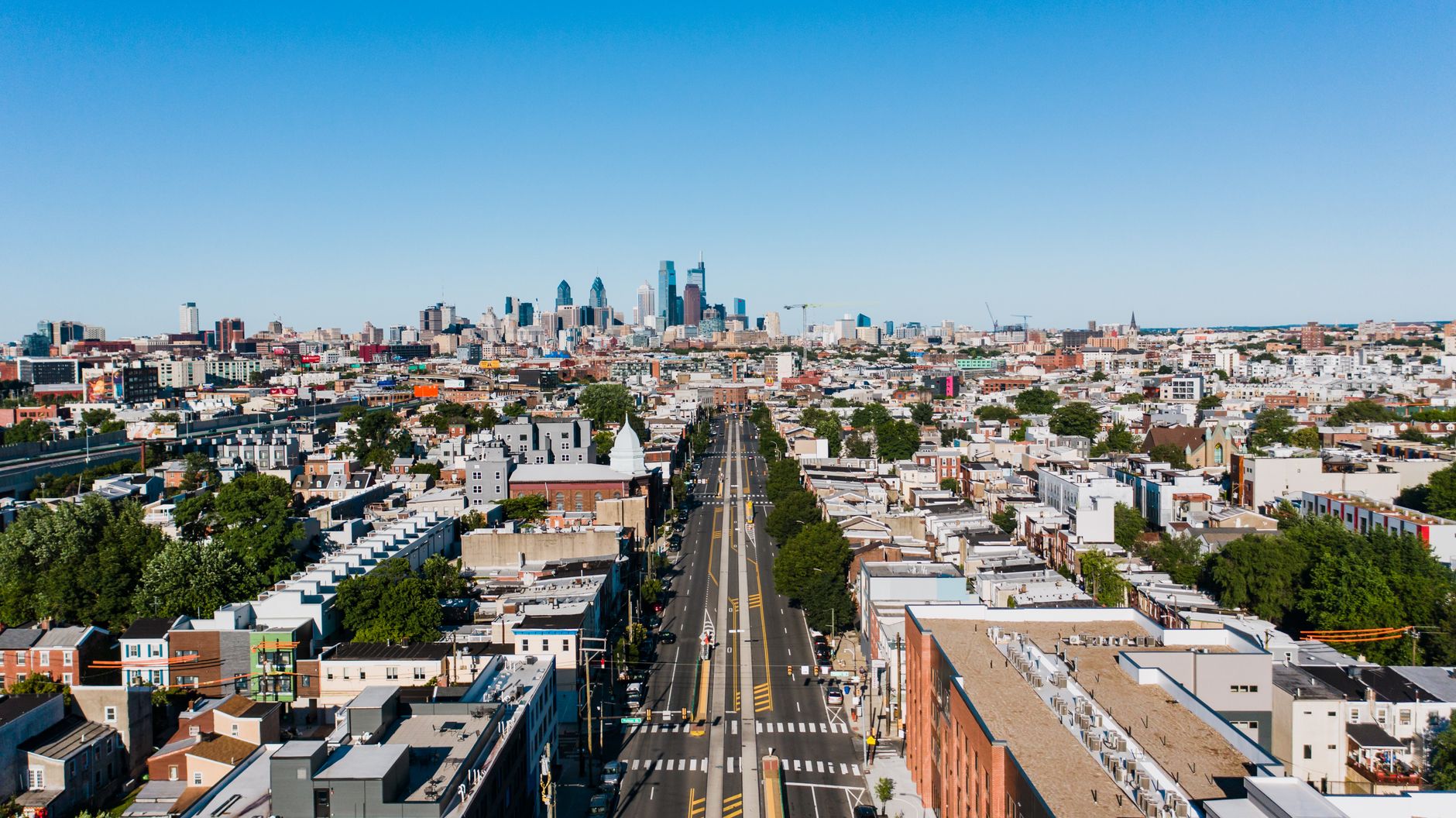
Cost of Living
Allentown’s median home price sits at $240,000, roughly 52% lower than Philadelphia’s $460,000. Median rent in Allentown ranges from $950 for a one‑bedroom apartment to $1,300 for a three‑bedroom unit, while Philadelphia averages $1,800 for a single‑bedroom and $2,400 for a three‑bedroom. Utilities are also cheaper in Allentown: average monthly electric, gas, and water bills total $200 versus $250 in Philadelphia.
State income tax is identical for both, but Philadelphia imposes a city income tax of 1.5% on wages above $60,000, adding a small but noticeable cost. Property taxes mirror this pattern: Philadelphia’s average effective property tax rate is 1.35% versus Allentown’s 1.20%. When you factor in the cost of living index—Allentown at 81 and Philadelphia at 102—Allentown is noticeably more affordable.
Below is a quick snapshot of key economic metrics for both cities.
| Metric | Allentown | Philadelphia |
|---|---|---|
| Median Home Price | $240,000 | $460,000 |
| Median Rent (1‑bedroom) | $1,050 | $1,800 |
| Median Household Income | $57,000 | $67,000 |
| Cost of Living Index | 81 | 102 |
Job Market & Economy
Allentown’s employment landscape is anchored by manufacturing and logistics. Major employers include Aramark, American Water Works, PPG Industries, and the City of Allentown itself. The unemployment rate hovers at 4.5%, slightly below the national average, and the city is actively pursuing new tech startups in its industrial park.
Philadelphia, in contrast, is a diversified economy with strengths in health care, finance, education, and retail. The city hosts 12,000+ employees at the University of Pennsylvania, 9,000 at the Children’s Hospital of Philadelphia, and 6,000 at Amazon’s distribution center. Unemployment sits at 5.8%, higher but still manageable. Both cities support remote work, yet Philadelphia offers a broader spectrum of in‑office roles across multiple sectors.
Salary levels also differ: median annual wages in Philadelphia are $30,000 higher than in Allentown, reflecting the higher cost of living but also the availability of higher‑paid roles.
Neighborhoods
Allentown’s Center City features median home prices around $150,000, a walk score of 50, and a mix of historic lofts and new condos. West End offers slightly pricier homes at $180,000, a walk score of 60, and a lively arts scene. Whitehall, a newer development, sees homes priced at $200,000 with a walk score of 55 and easy access to the Lehigh Parkway.
Philadelphia’s Fishtown is the most desirable for young professionals, with median home prices near $350,000, a walk score of 70, and a robust bar scene. Old City commands $400,000 homes, an 80 walk score, and close proximity to museums and the waterfront. University City, home to the University of Pennsylvania, averages $380,000, a walk score of 85, and a concentration of student housing and research facilities.
Rent ranges in Allentown are modest: $850 for a one‑bedroom and $1,200 for a three‑bedroom. In Philadelphia, one‑bedroom rentals average $1,900 while three‑bedroom units average $2,600. Allentown neighborhoods feel safer for families, while Philadelphia’s dense areas can be more dynamic but also riskier.
Safety
Crime statistics show Allentown’s overall rate at 350 incidents per 1,000 residents, roughly 30% below the national average. Philadelphia’s rate is 750 incidents per 1,000 residents, nearly double the national average. Violent crime, though a small percentage of total incidents, is higher in Philadelphia (35 per 1,000) compared to Allentown (12 per 1,000).
Within Allentown, the Whitehall and West End neighborhoods occasionally report property‑related incidents, so residents monitor community watch groups. Philadelphia’s West Philadelphia and Kensington sectors see higher property theft, while neighborhoods like Fishtown and Old City maintain lower violent crime rates but still face property theft.
Both cities have neighborhood watch programs, but Philadelphia’s larger police force allows for more rapid response times in high‑density areas.
Schools
Allentown School District scores a 5 out of 10 on the state rating system, with top public schools like Allentown High School and Whitehall High School each earning a 6/10. Private options include St. Joseph’s Academy (7/10) and the Allentown Christian Academy (6/10). The district’s graduation rate sits at 85%.
Philadelphia’s school district scores 6/10 overall, with elite public schools such as Central High School (8/10) and William Penn Charter School (9/10) attracting families. Private schools like Episcopal Academy (8/10) and the Philadelphia Academy (7/10) offer additional choices. The city’s graduation rate is 88%.
Both districts face challenges: Allentown grapples with aging infrastructure, while Philadelphia battles overcrowded classrooms in certain boroughs. For families prioritizing high‑rated public schools, Philadelphia edges ahead.
Lifestyle & Things to Do
Allentown offers a quieter pace: Lehigh Parkway, the Allentown Art Museum, and a growing brewery scene. Dining centers around local diners, craft beer pubs, and a handful of upscale restaurants. Parks like the PPL Park and the Lehigh River Trail provide outdoor recreation.
Philadelphia’s cultural scene is vast: Rittenhouse Square, the Philadelphia Museum of Art, and the Italian Market. Nightlife thrives in Fishtown, Northern Liberties, and the South Street corridor. The city’s climate remains similar to Allentown’s, but Philadelphia’s higher population density leads to more traffic congestion and noise.
Outdoor recreation in Allentown is less crowded, offering easy access to hiking and bike trails. Philadelphia’s waterfront parks and the Schuylkill River Trail provide urban green space but can be crowded during peak seasons.
The Verdict
If your priority is a lower cost of living, family‑friendly neighborhoods, and a stable manufacturing job market, Allentown wins. Median home and rent costs are substantially lower, and the crime rate is far below Philadelphia’s.
If you seek higher‑paid positions, a dense cultural environment, and top‑rated public and private schools, Philadelphia is the clear choice. The city offers a broader job spectrum and more dynamic nightlife, though at a higher cost and risk.
Remote workers who value a quiet lifestyle and affordable housing should lean toward Allentown. Those desiring a fast‑paced urban environment with abundant dining, arts, and higher wages should choose Philadelphia.
Get the full data‑driven report on any neighborhood at WYLT's neighborhood finder.
Explore neighborhood-by-neighborhood data on WYLT: Allentown, PA (Allentown) · Philadelphia, PA (Philadelphia).