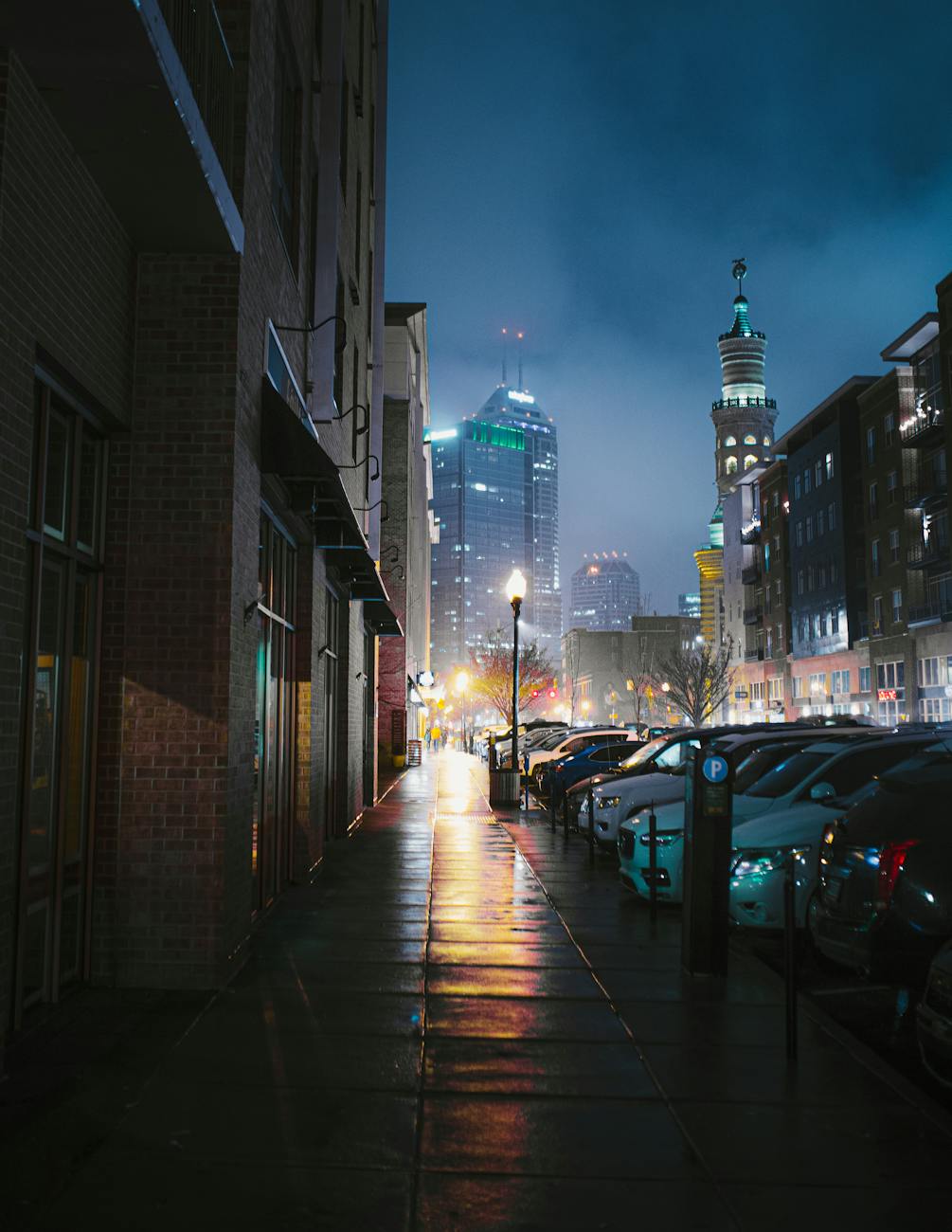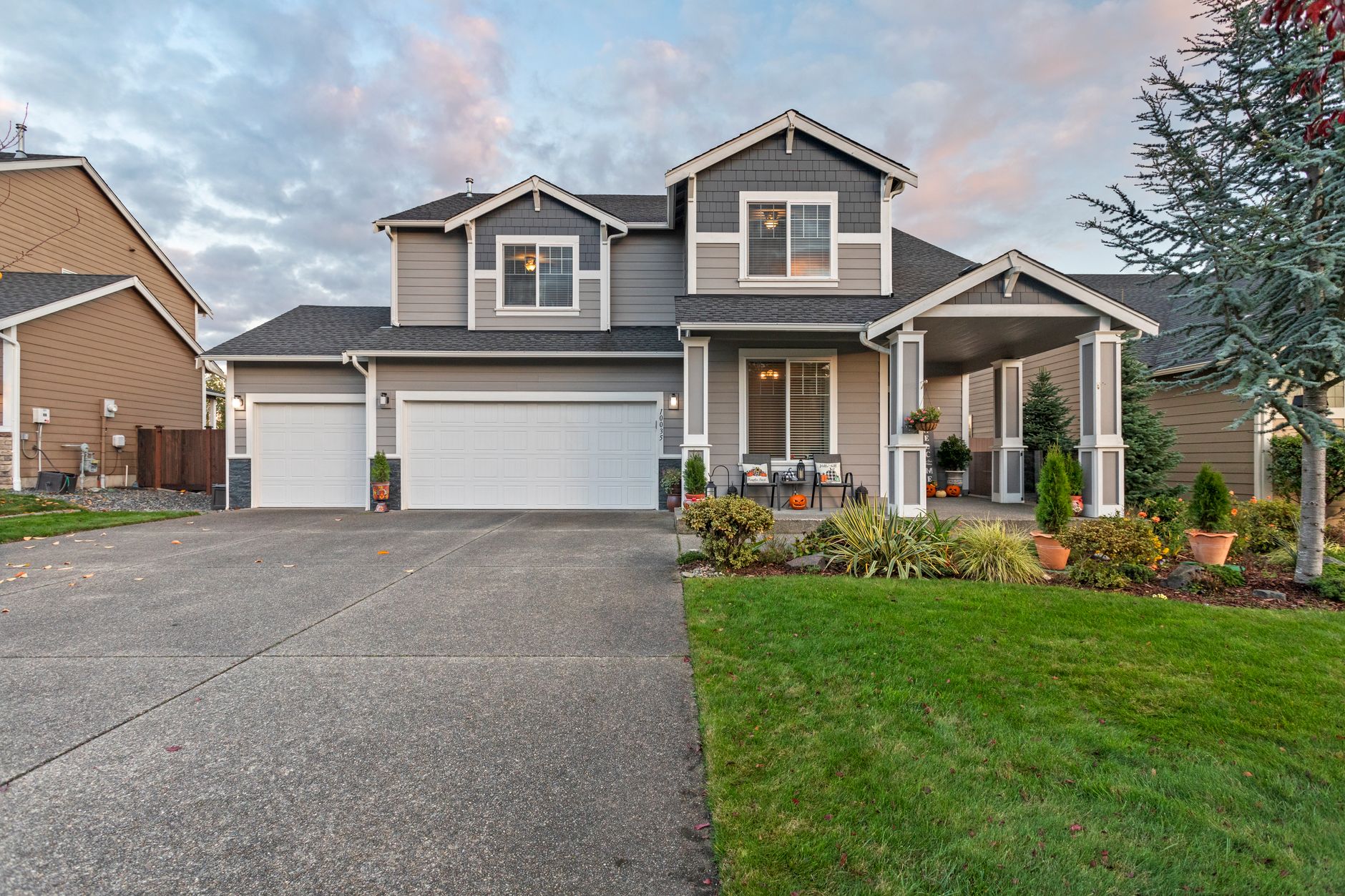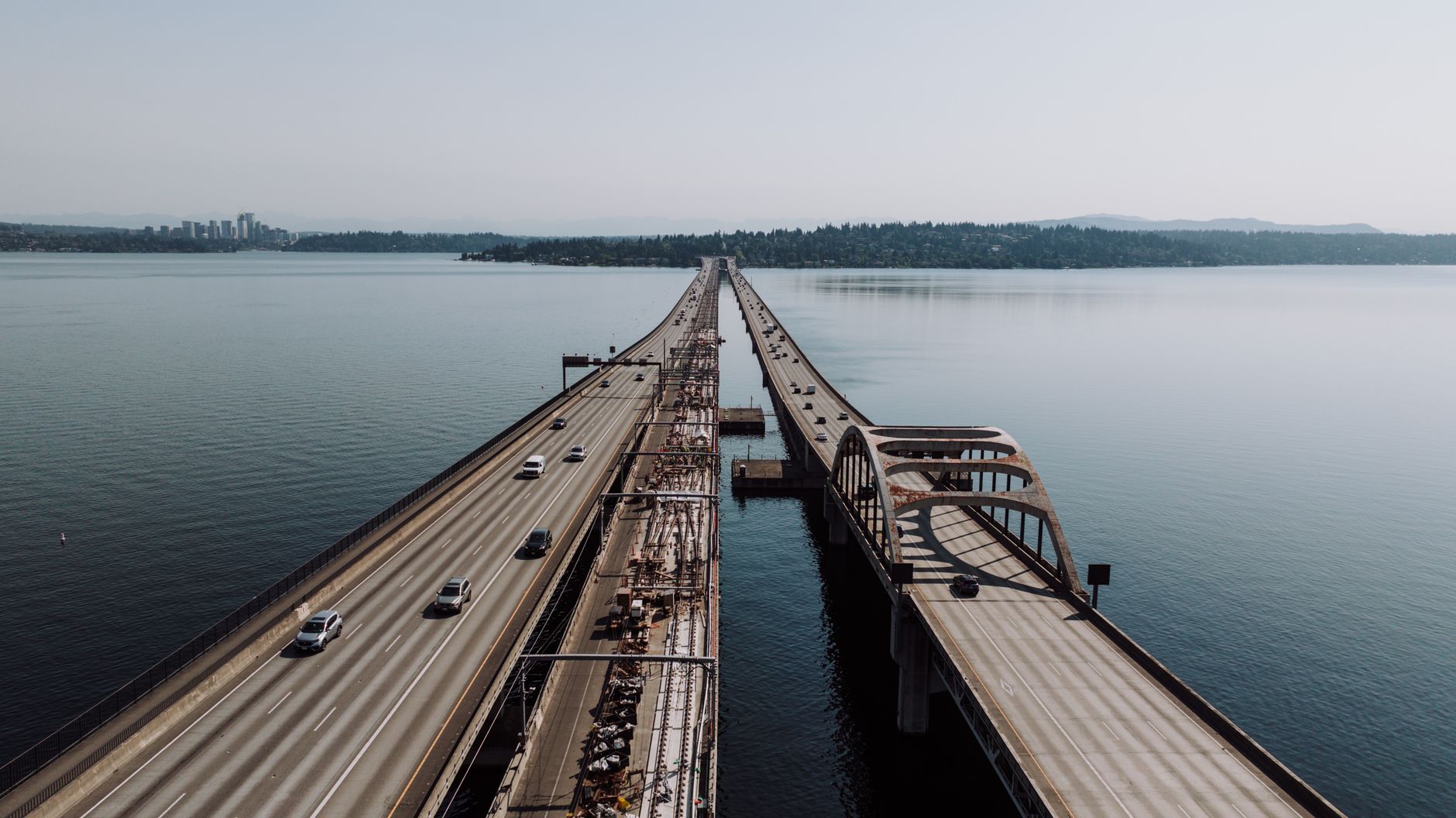
When considering a move to the Puget Sound region of Washington State, Bellevue and Tacoma frequently pop up on people's radars, but for very different reasons. These two cities, while geographically relatively close, offer distinct lifestyles, economic opportunities, and price points. Bellevue, often dubbed the 'Eastside's Silicon Valley,' is known for its gleaming high-rises, thriving tech industry, and high cost of living. Tacoma, on the other hand, presents a more industrial, artistic, and historically grittier facade, with a more accessible price tag and a strong sense of local community.
This comparison is for anyone weighing the pros and cons of an affluent, fast-paced tech hub against a more down-to-earth, creatively driven port city. Whether you're a young professional seeking career growth, a family looking for good schools, or someone simply aiming for a better quality of life within your budget, understanding the fundamental differences between Bellevue and Tacoma is crucial. Let's dive deep into the data to help you decide which city truly aligns with your priorities for 2026 and beyond.
Cost of Living
The cost of living is arguably the most significant differentiator between Bellevue and Tacoma. Bellevue, located in affluent King County, consistently ranks among the most expensive cities in the U.S. As of early 2024, the median home price in Bellevue hovers around $1.5 million, with many luxury properties in areas like Clyde Hill exceeding $3 million. Renters can expect to pay anywhere from $2,800 to $4,000 per month for a 2-bedroom apartment, especially in the downtown core or newer developments. Utilities, groceries, and services also trend higher than the national average, reflecting the city's high median household income, which often exceeds $160,000.
Tacoma, situated in Pierce County, offers a considerably more approachable cost of living. The median home price in Tacoma currently sits around $580,000, making homeownership a realistic goal for a broader range of incomes. Rental costs are also significantly lower, with a 2-bedroom apartment typically ranging from $1,900 to $2,500 per month. While still higher than the national average, Tacoma's overall cost of living index is significantly lower than Bellevue's. The median household income in Tacoma is closer to $75,000, demonstrating a more balanced income-to-cost ratio for many residents compared to its Eastside counterpart.
| Metric | Bellevue, WA | Tacoma, WA |
|---|---|---|
| Median Home Price (Early 2024) | ~$1,500,000 | ~$580,000 |
| Median 2-Bedroom Rent (Early 2024) | ~$3,000 - $4,000 | ~$1,900 - $2,500 |
| Median Household Income (2022) | ~$165,000 | ~$75,000 |
| Cost of Living Index (US Avg = 100) | ~210-220 | ~125-135 |
Job Market & Economy
Bellevue's economy is a powerhouse driven largely by the technology sector and professional services. It's home to major corporate presences from tech giants like Amazon (with a significant presence outside its Seattle headquarters), Meta, Salesforce, and a host of rapidly growing startups. Microsoft's main campus in nearby Redmond also draws a large workforce from Bellevue. This concentration of high-paying jobs leads to a robust job market with a very low unemployment rate, often hovering below 3%. Opportunities are abundant for software engineers, project managers, data scientists, and finance professionals.
Tacoma's job market, while growing, has a different character. Its economy is historically rooted in its role as a major port city, and the Port of Tacoma remains a significant employer in logistics, shipping, and manufacturing. Healthcare is another dominant sector, with MultiCare Health System and CHI Franciscan operating large medical facilities. Education also contributes, thanks to institutions like the University of Puget Sound and Tacoma Community College. While not a tech hub like Bellevue, Tacoma has seen growth in creative industries and smaller businesses, and its proximity to Joint Base Lewis-McChord (JBLM) also provides military and civilian employment opportunities. Unemployment rates in Tacoma typically run slightly higher than Bellevue's but have seen consistent improvement.
Neighborhoods
In Bellevue, the neighborhood experience is largely defined by affluence and urban convenience. Downtown Bellevue (ZIP 98004) is the epitome of this, with a forest of high-rise condos and luxury apartments offering walkability to shopping at Bellevue Square, fine dining, and Bellevue Downtown Park. Prices here are at the city's peak, often above $1 million for condos and $2.5 million for single-family homes in the nearby West Bellevue area. For families seeking more traditional suburban living with excellent schools, Factoria (ZIP 98006) offers a mix of single-family homes and townhouses, often in the $1 million to $2 million range, with good access to shopping centers and I-90.
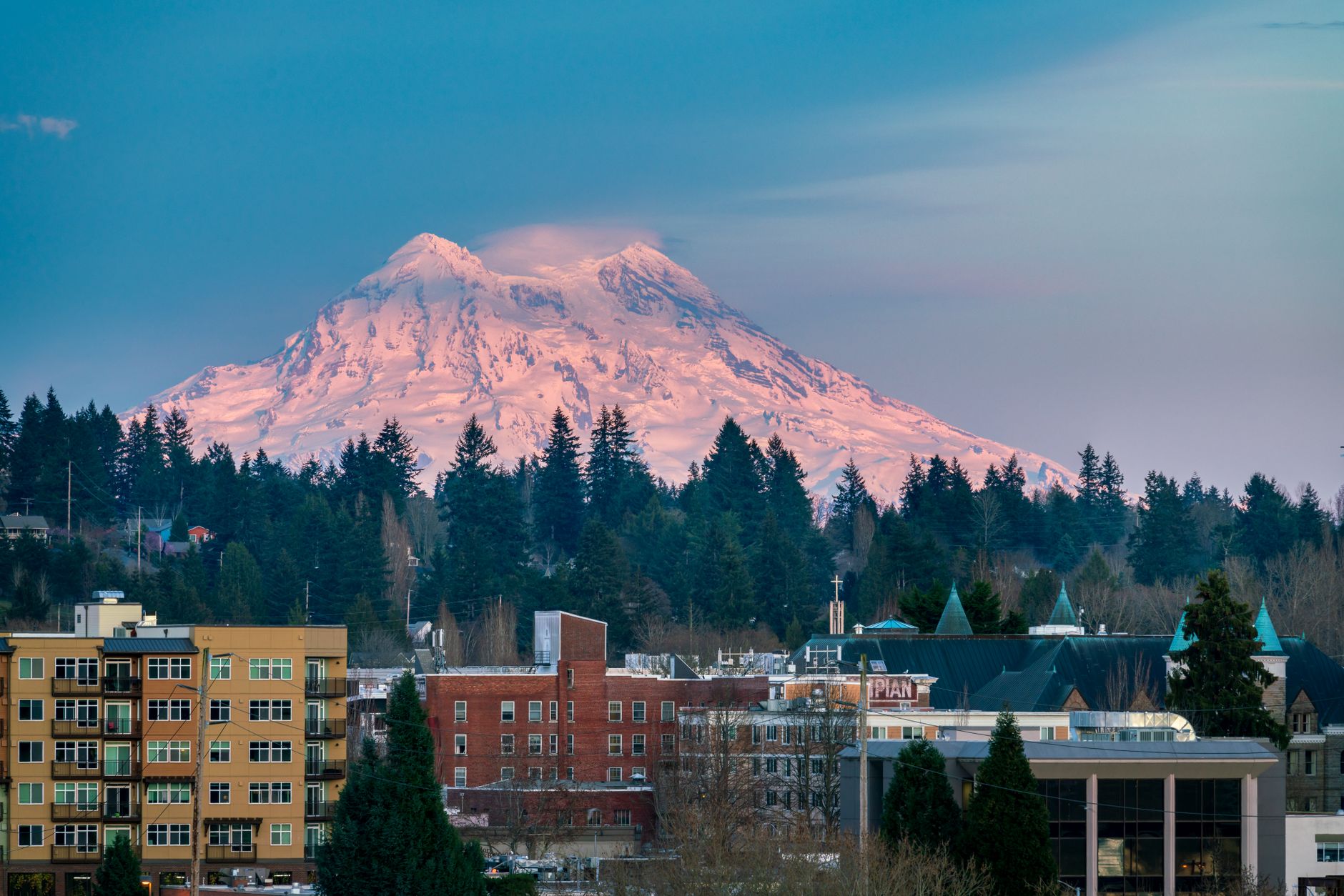
Tacoma's neighborhoods offer a broader range of character and price points. The Proctor District (ZIP 98407) is one of Tacoma's most desirable areas, known for its historic homes, walkable village feel with independent shops, a popular farmers market, and excellent schools. Homes here typically range from $650,000 to over $1 million. For a more artistic and bohemian vibe, 6th Avenue (ZIP 98406) offers a vibrant strip of restaurants, bars, and music venues, with more affordable housing options, including apartments and bungalows, often in the $450,000 to $700,000 range. The Hilltop (ZIP 98405) neighborhood is undergoing significant revitalization, with new developments and a growing food scene alongside older, more affordable homes, though some areas still grapple with higher crime rates and can feel less polished, with prices typically from $400,000 to $600,000.
Safety
Bellevue is widely regarded as one of the safest large cities in Washington State. Its low crime rates are a significant draw for families and those seeking a sense of security. While property crime, particularly car prowls and retail theft, can occur in busy commercial areas like Downtown Bellevue (ZIP 98004) and Factoria (ZIP 98006) due to high value targets, violent crime is exceptionally rare. The city's affluence contributes to well-funded public services, including a responsive police department, which helps maintain this high level of safety.
Tacoma, in comparison, has higher crime rates than Bellevue, particularly in categories of property crime and, in some areas, violent crime. While Tacoma has made strides in recent years to reduce crime and improve public safety, certain neighborhoods, such as parts of the Hilltop (ZIP 98405), South Tacoma (ZIP 98409), and Eastside (ZIP 98404), historically experience higher crime activity. However, many desirable neighborhoods like Proctor (ZIP 98407), North End (ZIP 98406), and Old Town (ZIP 98402) are considered safe and family-friendly, albeit with the understanding that urban environments always carry some level of risk. Residents often report feeling safe in their specific communities, but awareness of surroundings is generally higher than in Bellevue.
Schools
Bellevue is renowned for its exceptional public school system. The Bellevue School District (BSD) consistently ranks among the top districts in the state, with many schools receiving GreatSchools.org ratings of 8, 9, or even 10 out of 10. High schools like Newport High School, Bellevue High School, and Interlake High School are highly competitive, offering robust academic programs, advanced placement courses, and strong extracurriculars. This commitment to educational excellence is a primary reason many families are willing to pay the premium to live in Bellevue. Additionally, numerous private school options exist, including The Overlake School and Forest Ridge School of the Holy Names.
Tacoma Public Schools (TPS) offers a more varied educational landscape. While the district serves a diverse population and has several strong programs, its overall performance ratings are generally lower than Bellevue's, with many schools rating between 4 and 7 out of 10 on GreatSchools.org. However, TPS does boast some standout schools, such as Stadium High School (known for its iconic building and good academic performance), the School of the Arts (SOTA), and some highly-rated magnet programs that attract students from across the district. Families in Tacoma often research specific school boundaries carefully. Private school options, while present (e.g., Annie Wright Schools), are fewer and less diverse than on the Eastside.
Lifestyle & Things to Do
Bellevue offers a polished, upscale lifestyle characterized by luxury shopping, fine dining, and beautifully manicured public spaces. Bellevue Square is the region's premier shopping destination, featuring high-end brands. The city boasts numerous gourmet restaurants, from international cuisine to classic Pacific Northwest fare. Outdoor enthusiasts enjoy Bellevue Downtown Park, Mercer Slough Nature Park, and easy access to Lake Washington for boating and watersports. Nightlife is sophisticated, with upscale bars and lounges. The arts scene includes the Bellevue Arts Museum and frequent performances at the Meydenbauer Center. Bellevue's climate is typical of the Puget Sound—mild, wet winters and warm, dry summers.
Tacoma provides a more eclectic, artistic, and gritty lifestyle with a strong emphasis on local culture and outdoor access. Its vibrant arts district is home to world-class institutions like the Museum of Glass, the Tacoma Art Museum, and the Washington State History Museum. The city's dining scene has blossomed with diverse, independent restaurants, craft breweries, and coffee shops, particularly along 6th Avenue and in the Proctor District. Point Defiance Park is a massive urban park offering a zoo, aquarium, beaches, and extensive trails. Tacoma's proximity to the Olympic Peninsula also provides unparalleled access to hiking, camping, and outdoor adventures. Nightlife is more casual and varied, featuring live music venues and neighborhood pubs. Commuting from Tacoma to Seattle can be challenging (45-90+ minutes on I-5), but the Sounder commuter train offers an alternative. Bellevue commuters to Seattle face significant congestion on I-90 and I-405, often taking 20-45 minutes or more.
The Verdict
The choice between Bellevue and Tacoma comes down to a fundamental trade-off between cost, career opportunities, and lifestyle. If you are a high-earning professional, particularly in the tech industry, who prioritizes top-tier schools, pristine urban environments, exceptional safety, and luxury amenities, then Bellevue is your clear winner. It offers unparalleled career growth in tech, some of the best public education in the state, and a highly polished, convenient lifestyle, provided you can comfortably afford its very high cost of living. For families where educational excellence is the absolute priority, Bellevue's school system is difficult to beat.
Conversely, if you're seeking a more affordable entry into the Puget Sound region, value a city with character, a burgeoning arts scene, and a strong sense of community, and don't mind a longer commute (if working north of Tacoma) or a slightly grittier urban feel, then Tacoma should be your choice. It provides significantly more bang for your buck in housing, offers abundant outdoor recreation, and a thriving local culture that feels authentic and less corporate. For remote workers who value a lower cost of living and want to own a home without sacrificing access to nature and culture, Tacoma offers a compelling alternative to Seattle's high prices without the extreme cost of Bellevue.
Explore neighborhood-by-neighborhood data on WYLT: Bellevue, WA (Bellevue) · Tacoma, WA (Tacoma).
Get the full data-driven report on any neighborhood at WYLT's neighborhood finder.