What a home inspection covers

A standard home inspection takes two to four hours and covers the major visible and accessible systems of the house: roof, foundation, structure, electrical, plumbing, HVAC, windows, doors, and general condition of interior and exterior surfaces.
The inspector will not open walls, test every outlet, or diagnose every potential problem. They provide a visual assessment of what they can see and access. A thorough inspection report on an older home can run 50 to 80 pages and contain dozens of findings.
Most buyers read this report and feel immediate panic. Most inspectors will tell you: every house has issues. The question is which issues are material and which are routine.
The things that actually matter
Structural issues. Foundation cracks that suggest active movement, significant bowing of walls or floors, evidence of settling that goes beyond normal aging — these warrant immediate additional inspection by a structural engineer and potentially a renegotiation or exit. Foundation problems are expensive and cannot be ignored.
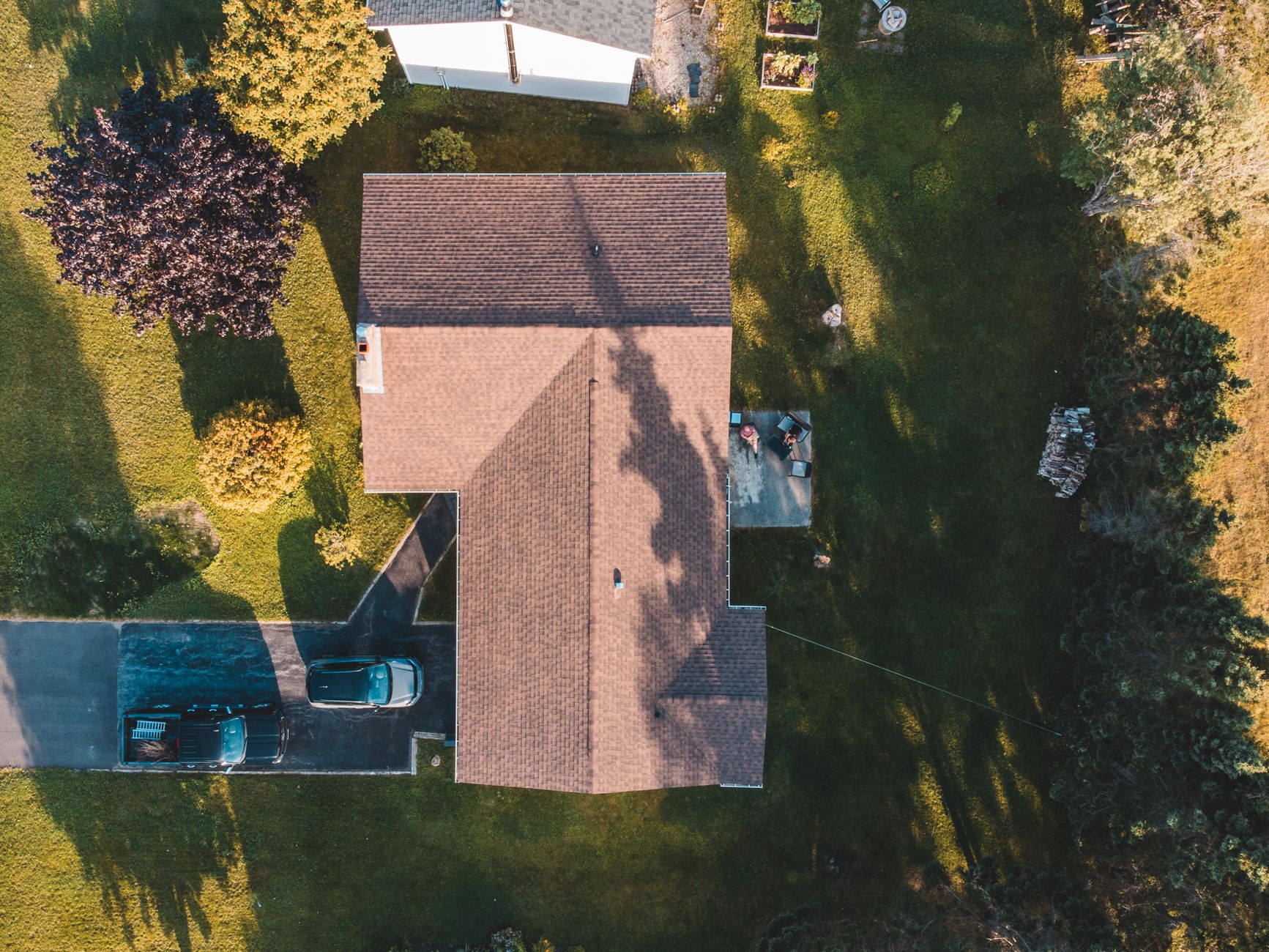
Roof condition. A roof replacement runs $8,000 to $25,000 depending on size and material. An inspector who notes that the roof has two to three years of remaining life is telling you something with a real dollar value attached.
Electrical panels and wiring. Certain panel brands — Federal Pacific Stab-Lok in particular — have known safety issues and are frequently cited in inspection reports. Knob-and-tube wiring in older homes may not meet current code and can affect insurability.
HVAC age and condition. Furnaces last 15 to 25 years. Air conditioners 10 to 15 years. An inspector who notes a 20-year-old furnace is telling you a $3,000 to $7,000 expense is coming. Factor it into your offer or negotiation.
Water intrusion evidence. Staining, efflorescence on basement walls, soft spots in floors, mold — any of these warrant follow-up. Water problems that have not been addressed are ongoing problems.
Sewer line condition. Not included in a standard inspection but worth adding for older homes — typically $150 to $300. A failed sewer line replacement costs $3,000 to $25,000. Knowing the condition before you close is worth the cost.
The things that don't matter as much
Cosmetic issues. Cracks in drywall from normal settling, worn flooring, dated fixtures, peeling exterior paint — these appear in almost every report and cost money to address but are not structural or safety issues. Don't let a list of cosmetic items cause you to walk away from a fundamentally sound house.
Code items from prior decades. Many homes were built to code standards that have since changed. Missing GFCI outlets in bathrooms, missing handrails of current specification — these are common findings in older homes that are not emergencies.
How to use the inspection in negotiation
You have three options after receiving an inspection report: accept as-is, request repairs or credits, or walk away. Focus your requests on the material items — safety issues, major systems, water intrusion — not on the cosmetic list. Sellers who have accepted an offer are motivated to close. A reasonable repair request on legitimate issues is usually negotiable. A list of 30 items including every paint touch-up in the report is not.
The bottom line
The home inspection is information, not a verdict. Every house has issues. What matters is understanding which issues are material — structurally, financially, or for safety — and responding to those specifically.
Research neighborhood price trends on WYLT to understand whether your target home is priced to reflect its condition.