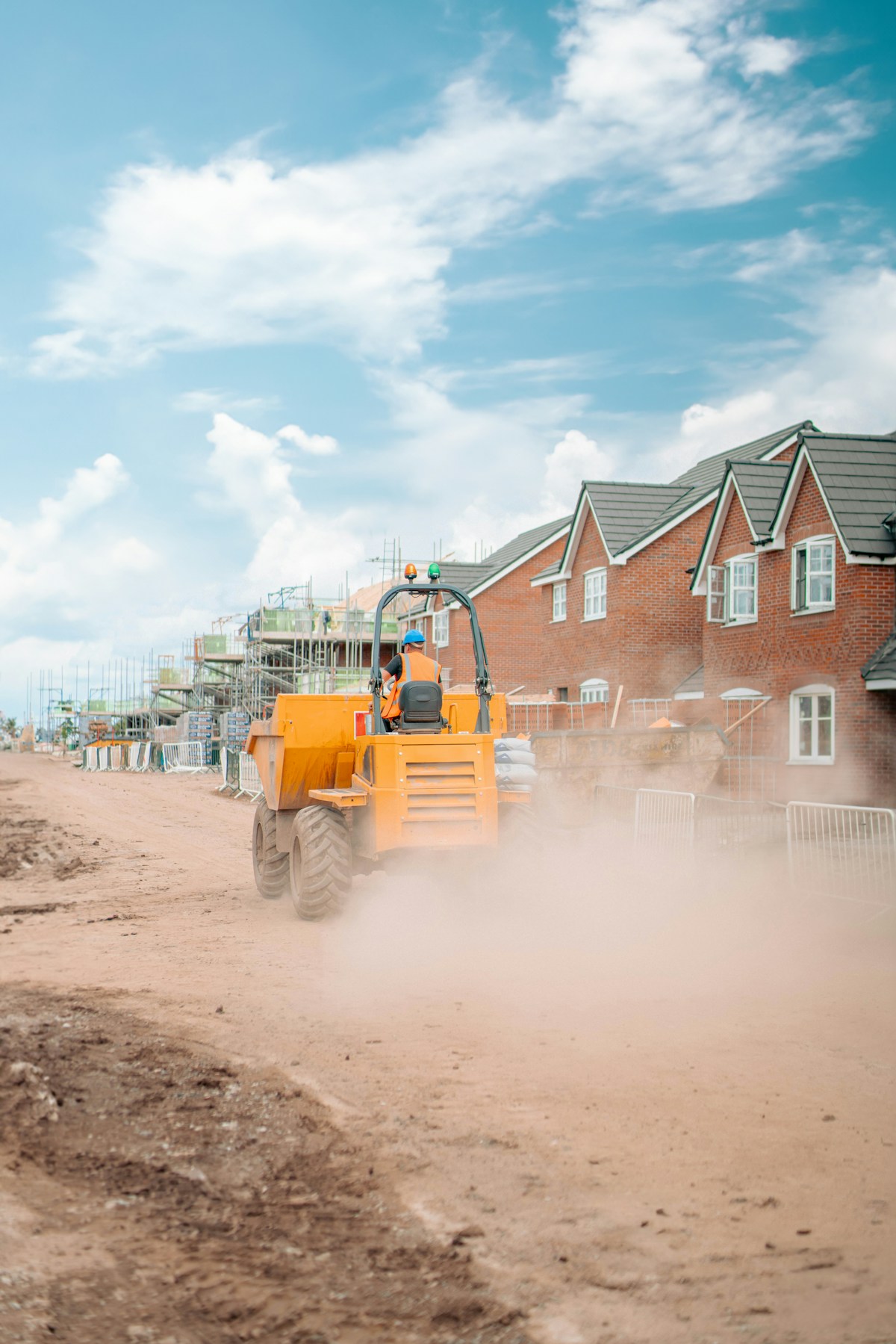
The case for new construction

Everything is new. The roof has 30 years left. The HVAC was installed last month. The appliances are under warranty. The electrical panel meets current code. For buyers who are anxious about maintenance surprises the peace of mind of new construction is real and has genuine financial value — particularly in the first five to ten years of ownership.
Builder warranties provide protection. Most new construction comes with a one-year warranty on workmanship and materials, two years on mechanical systems, and ten years on structural defects. If the HVAC fails in year two of a new construction purchase the builder covers it.
Customization is possible. Buying early in a development often allows you to choose flooring, cabinets, countertops, fixtures, and finishes. The ability to get exactly what you want without a renovation is a genuine advantage.
Energy efficiency is built in. New construction meets current energy codes which are significantly more demanding than codes from even ten years ago. Better insulation, better windows, more efficient HVAC — these translate to meaningfully lower utility bills over time.
The honest drawbacks of new construction
The price premium is real. New construction typically costs 10% to 20% more than comparable existing homes in the same market. In some markets that premium is worth it. In others you are overpaying significantly for a house that looks identical to the twelve houses on either side.
The neighborhood is unfinished. New developments take years to mature. The trees are saplings. The commercial infrastructure — grocery stores, restaurants, coffee shops — may not exist yet. You are buying a promise of what the neighborhood will be, not what it is.
Builder contracts favor the builder. The purchase contract for a new construction home is written by the builder's lawyers to protect the builder. Closing timelines can shift. Materials can be substituted. Have a real estate attorney review the contract before you sign.
The upgrade trap is real. Builders show you the model home with every upgrade included. The base price gets you significantly less. Buyers who fall in love with the model routinely end up spending $30,000 to $80,000 above the base price.
The case for existing homes
Established neighborhoods. The trees are mature. The commercial infrastructure exists. The character of the neighborhood is knowable because it already has one. You are buying a known quantity.
Price and value. In most markets existing homes offer more square footage, more lot, more architectural character, and more neighborhood maturity per dollar than new construction.
Negotiating leverage. Existing home sellers are individuals with specific motivations — relocation, divorce, estate, downsizing — that create negotiating opportunities. Builders sell at scale and rarely negotiate meaningfully on price.
Character and craftsmanship. Older homes — particularly pre-1980 construction — often have architectural details, material quality, and room proportions that new construction does not replicate.
How to decide
How much maintenance uncertainty can I tolerate? If the answer is very little, new construction's peace of mind may be worth the premium. If you're comfortable with older systems and budget for maintenance, existing homes offer better value in most markets.
Do I need to move in by a specific date? New construction timelines slip. If you need to be in a house by a specific month, existing homes offer a predictable closing timeline that new construction cannot guarantee.
Do I care about neighborhood maturity? If walking to a coffee shop tomorrow matters to you, buy existing. If you're willing to wait three years for the neighborhood to develop, new construction may work.
The bottom line
Neither new construction nor existing homes is universally better. The right answer is specific to your priorities, your risk tolerance, and your market. The mistake most buyers make is falling in love with the model home or the renovated Victorian without honestly evaluating the full picture of what they're choosing.
Research the neighborhood before you choose the house — new or existing. WYLT gives you free data on any US neighborhood — flood risk, schools, price trends, and a plain-English verdict.