Syracuse, NY, is a city that often gets overlooked by potential buyers and renters due to its harsh winters and limited job opportunities. However, with a rich history, beautiful parks, and a growing downtown area, Syracuse has a lot to offer those willing to brave the cold. If you're considering moving to Syracuse, it's essential to understand the cost of living, from housing and utilities to food and transportation.
As the fifth-most populous city in New York, Syracuse boasts a unique blend of small-town charm and big-city amenities. With several major employers, including Syracuse University, St. Joseph's Hospital Health Center, and Lockheed Martin, the city has a diverse economy. However, it's crucial to weigh the pros and cons before making a decision. In this post, we'll delve into the specifics of the Syracuse cost of living, covering home prices, neighborhoods, schools, safety, and the job market.
Cost of Living & Home Prices
The cost of living in Syracuse is relatively low compared to other major cities in the United States. The median home price is around $145,000, while the median rent for a two-bedroom apartment is approximately $1,100 per month. Utilities, including electricity, water, and gas, average $150-200 per month for a small household. To give you a better idea, here's a breakdown of the key costs in Syracuse:
| Category | Median Value |
|---|---|
| Median Home Price | $145,000 |
| Median Rent (2-bedroom) | $1,100/month |
| Median Household Income | $53,000 |
| Price-to-Rent Ratio | 11.3 |
Taxes in Syracuse can be steep, with a combined state and local sales tax rate of 8%. However, the city offers some tax incentives for new homeowners and businesses. Overall, the cost of living in Syracuse is manageable, especially for those with a moderate income.
Best Neighborhoods
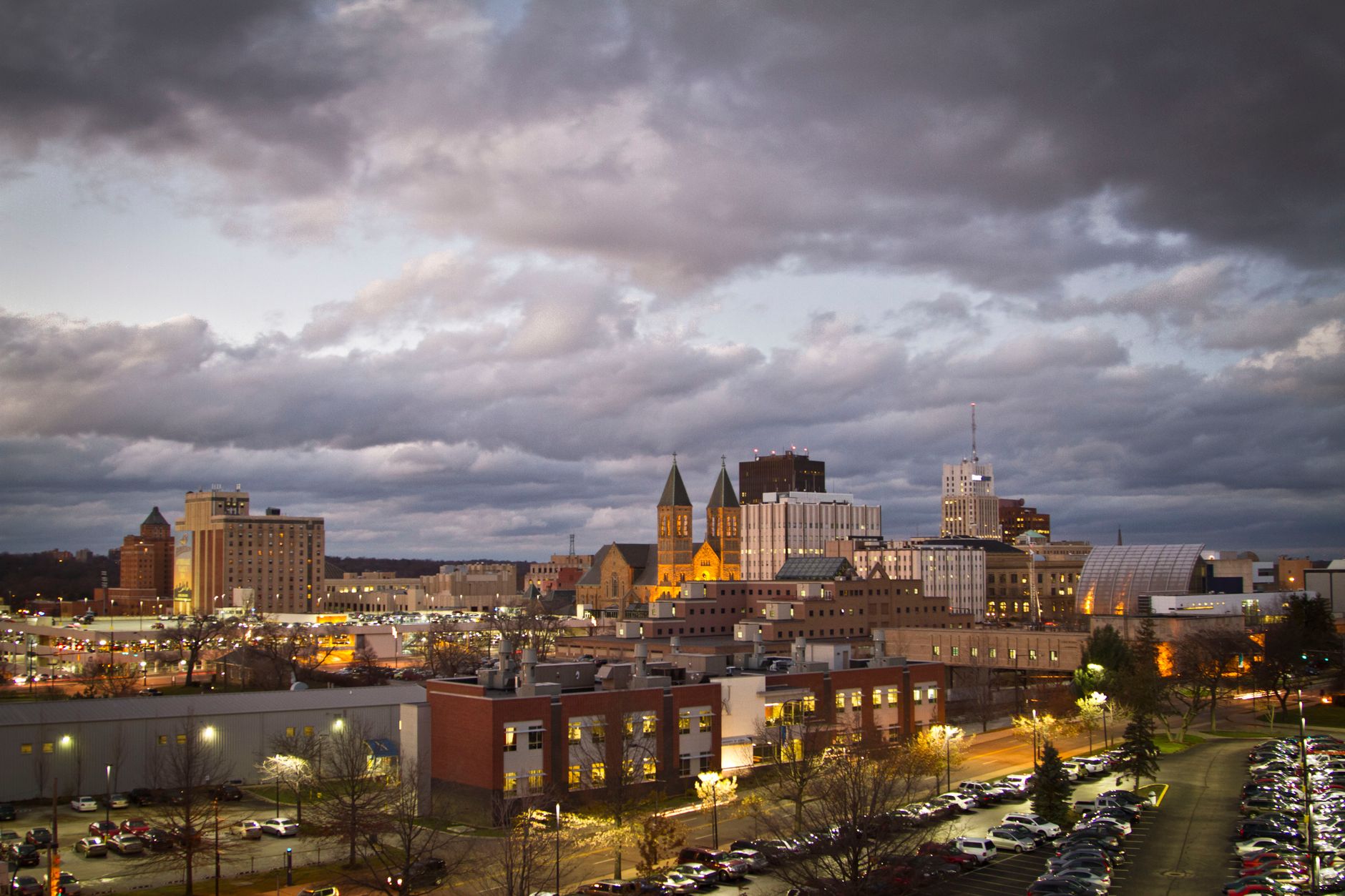
Some of the most desirable neighborhoods in Syracuse include Downtown, Armory Square, and the University Hill area. Downtown Syracuse offers a mix of old and new, with historic buildings, trendy bars, and a variety of restaurants. Armory Square is a popular spot for young professionals, with its vibrant nightlife and proximity to the downtown area. The University Hill neighborhood is home to Syracuse University and offers a range of housing options, from student apartments to single-family homes.
Other notable neighborhoods in Syracuse include Northside, which has seen significant revitalization efforts in recent years, and Eastwood, a predominantly residential area with a strong sense of community. The 13210 ZIP code, which includes the Outer Comstock and Nottingham neighborhoods, offers more affordable housing options, with median home prices ranging from $80,000 to $120,000.
In terms of walkability, the 13202 ZIP code, which includes Downtown and Armory Square, boasts a walk score of 82, making it an ideal location for those who prefer to walk or use public transportation. The University Hill area has a walk score of 74, while the Northside neighborhood has a walk score of 66.
Schools
The Syracuse City School District has a rating of 4 out of 10, according to GreatSchools.org. However, some schools in the district perform better than others. For example, the Syracuse Academy of Science Charter School has a rating of 8 out of 10, while the Expeditionary Learning Middle School has a rating of 7 out of 10.
Other top-performing schools in the area include the Manlius-Pebble Hill School, a private school with a rating of 9 out of 10, and the Jamesville-DeWitt Central School District, which has a rating of 8 out of 10. Parents should research the specific schools in their desired neighborhood to get a better understanding of the education options available.
Safety
Syracuse has a higher crime rate compared to other cities of similar size. According to the FBI's Uniform Crime Reporting (UCR) Program, the city had a violent crime rate of 758.6 incidents per 100,000 inhabitants in 2020. Property crime rates are also a concern, with a rate of 3,514.1 incidents per 100,000 inhabitants.
Some areas to be cautious about include the Near Westside and the Southside neighborhoods, which have higher crime rates compared to other parts of the city. However, it's essential to note that crime can occur anywhere, and residents should take normal precautions to ensure their safety.
Job Market
The job market in Syracuse is diverse, with major employers in the healthcare, education, and manufacturing sectors. Syracuse University is one of the largest employers in the city, with over 5,000 employees. Other major employers include St. Joseph's Hospital Health Center, Lockheed Martin, and the Syracuse City School District.
For those interested in remote work, Syracuse has a growing number of coworking spaces and coffee shops with reliable Wi-Fi. The city is also home to the Syracuse Technology Garden, a business incubator and accelerator that supports startup companies in the tech industry.
The average commute time in Syracuse is around 20-30 minutes, depending on the location. The New York State Thruway (I-90) and Interstate 81 provide easy access to nearby cities, including Rochester and Albany.
The Verdict
If you're a first-time buyer prioritizing affordability and a short commute, consider the 13210 ZIP code, which offers relatively low home prices and easy access to downtown. However, if you're looking for a more vibrant neighborhood with a mix of bars, restaurants, and cultural events, Downtown or Armory Square might be a better fit.
Ultimately, Syracuse is a city that offers a unique blend of small-town charm and big-city amenities. While it may not be perfect, with its cold winters and limited job opportunities, the city has a lot to offer those willing to look beyond its flaws. If you're willing to trade off some amenities for a lower cost of living and a strong sense of community, Syracuse might be the right choice for you.
Get the full data-driven report on any neighborhood at WYLT's neighborhood finder.
Explore neighborhood-by-neighborhood data on WYLT: Syracuse, NY (Syracuse).