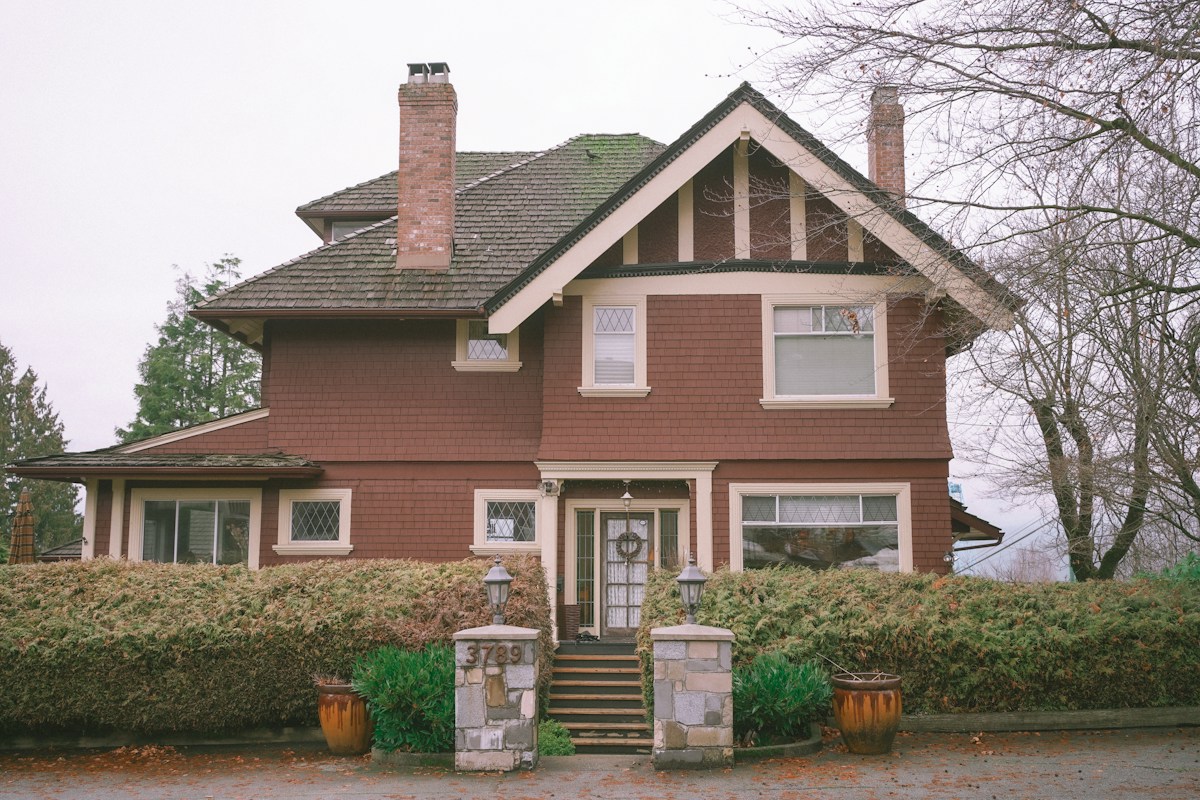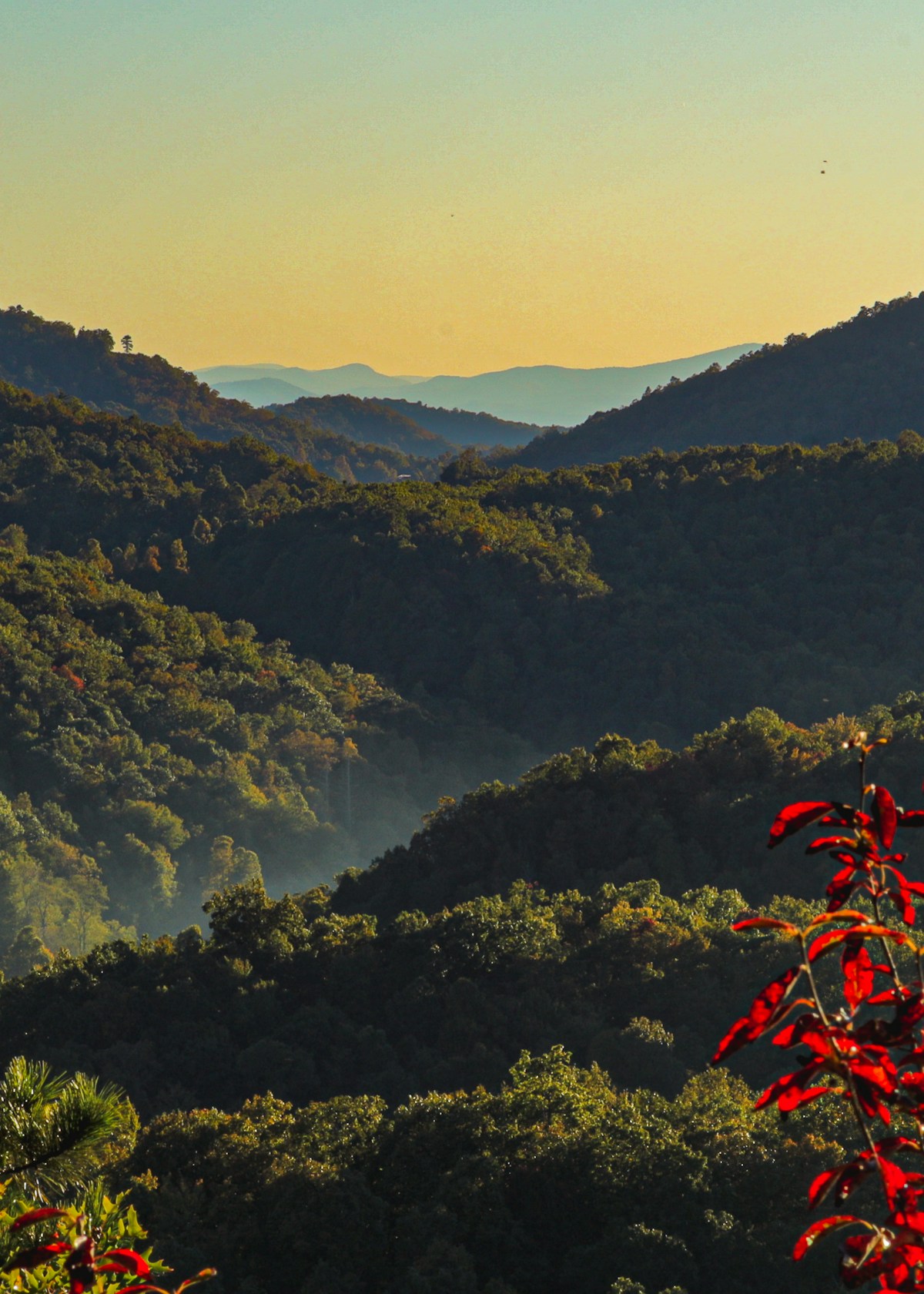
Affordable hidden gem · Asheville metro, NC
Swannanoa sits seven miles east of Asheville in a river valley flanked by the Black Mountains on one side and the Blue Ridge on the other. It is what Asheville was fifteen years ago — genuinely affordable, genuinely beautiful, and genuinely undiscovered by the national relocation machine that has made Asheville itself unaffordable for most of the people who want to live there. Median home prices of $260,000 to $340,000 buy you a home that would cost $420,000 to $550,000 in Asheville proper. That's the whole case for Swannanoa.
What makes it work

The Swannanoa River corridor provides hiking, fishing, and outdoor access that most mountain towns charge a premium for. The Warren Wilson College campus — an unusual work-study liberal arts college — anchors the community with arts programming, organic farming, and a cultural energy that punches well above the town's size. There's a quiet intellectual character here that's different from Asheville's more performative quirkiness.
Asheville's restaurants, breweries, music venues, and the River Arts District are seven miles and fifteen minutes away — accessible enough for regular use without paying Asheville prices to live. The Blue Ridge Parkway is within twenty minutes. The Great Smoky Mountains are under an hour.
New residents are a mix of remote workers, artists, outdoor enthusiasts, and Asheville workers who made the rational calculation that Swannanoa's prices make Asheville's amenities affordable by proximity.
At a glance — the numbers
| Category | Swannanoa, NC | Asheville, NC |
|---|---|---|
| Median home price | $260,000–$340,000 | $420,000–$550,000 |
| 2BR apartment avg | $1,100–$1,400/mo | $1,700–$2,300/mo |
| Walk Score | 22 / 100 (car required) | 37 / 100 |
| Commute to Asheville | 15–20 minutes | — |
| Blue Ridge Parkway access | ~20 min | ~15 min |
| Great Smoky Mountains | ~55 min | ~60 min |
| School district | Buncombe County Schools | Buncombe County Schools |
| Flood risk | Moderate — verify by address | Lower |
The flood risk conversation — this matters
Hurricane Helene in September 2024 brought catastrophic flooding to the Swannanoa River valley. Parts of Swannanoa sustained severe damage that underscored what flood maps had long shown: the river corridor has real and serious flood exposure. This is not a reason to dismiss Swannanoa, but it is non-negotiable due diligence for every buyer.
Concrete steps before making an offer on any Swannanoa property: check the address on FEMA's Flood Map Service Center, verify whether the specific parcel flooded in Helene, ask the seller directly about flood history, and verify flood insurance availability and cost. A property on higher ground above the river valley — and many are — may have no flood risk at all. The risk is address-specific, not town-wide. A buyer who skips this research is making an expensive mistake.
Crime and safety
Swannanoa's crime rates are low. As an unincorporated community in Buncombe County, it's served by the Buncombe County Sheriff's Office. Property crime is minimal and violent crime is rare. The community has a strong sense of local cohesion, particularly around Warren Wilson College and the outdoor recreation community. It's a genuinely safe place to live by any objective measure.
Schools
Swannanoa is served by Buncombe County Schools — the same district as Asheville. Black Mountain Elementary and Owen Middle/High School are the local options. Owen High School has solid ratings and a community focus that reflects the valley's character. The district is adequate to good, not exceptional, but comparable to what you'd find in Asheville proper. Families who want top-rated schools in the region often look at Biltmore Forest or Weaverville, but for most families, Buncombe County Schools is a reasonable choice.
Sub-areas and what to know
Old Fort Road / US-70 corridor: the main commercial spine — functional rather than charming, with grocery access, gas stations, and basic services. Most daily errands happen here.
Warren Wilson College area: the cultural anchor. Events, lectures, concerts, and the working farm are open to the community. Living near campus puts you close to the most interesting programming the town offers.
River-adjacent parcels: beautiful and close to hiking access, but these require the most careful flood due diligence. The Helene flooding hit hardest here.
Higher-elevation properties: better flood safety, often with mountain views, and typically priced at the upper end of the Swannanoa range.
Getting around
Car dependency is complete. Walk Score of 22 means you will drive for essentially everything — groceries, restaurants, errands. There's no meaningful transit. The trade-off is that the highway connection to Asheville (I-26 or US-70) is fast enough that the drive doesn't feel onerous for most purposes. If you need to commute to Asheville daily, build the 30–40-minute round trip into your calculus.
Nearby alternatives
- Black Mountain — a few miles further east, slightly more town infrastructure, comparable prices, also worth considering
- Weaverville — northwest of Asheville, similar affordability, slightly higher school ratings, different character (more suburban)
- Arden/Fletcher — south of Asheville, more suburban, better schools, less mountain character
The honest tradeoffs
Car dependency is total. The town center is limited — most dining and entertainment requires the Asheville drive. Flood risk in parts of the valley is real and requires address-level research; Hurricane Helene in 2024 demonstrated that this is non-negotiable due diligence. The affordability gap with Asheville has narrowed as Swannanoa's profile has risen. It's still a great deal; it's a less exceptional deal than it was five years ago.
Who it's for
Remote workers who want mountain living at prices that Asheville no longer offers. Outdoor enthusiasts who want Blue Ridge access without Blue Ridge prices. Artists and creative professionals who want proximity to Asheville's scene without paying to be inside it. Retirees who want natural beauty, four seasons, and affordability in one place. Anyone who does the math and decides that 15 minutes by car is a reasonable price for saving $150,000 on a home.
Not for buyers who need walkable daily life, who want highly rated schools, or who aren't willing to do careful flood research before committing.