Arts district living · Detroit metro, MI
Ferndale is the most consistently underrated neighborhood in the entire Midwest. It sits seven miles north of downtown Detroit — close enough to matter, far enough to have its own character — and it has managed the rare trick of becoming genuinely desirable without pricing out the people who made it desirable in the first place. At median home prices of $220,000 to $280,000, it offers an urban lifestyle that would cost $600,000 in comparable Chicago or D.C. neighborhoods. That gap is the whole argument.
What makes it work
Nine Mile Road is the spine of the city — a genuinely walkable commercial strip with independent restaurants, bars, coffee shops, and retail that has attracted James Beard-nominated chefs and national press attention without losing its neighborhood feel. The density and quality of dining per square mile rivals neighborhoods that cost three times as much. You can walk from your house to dinner, drinks, and a record shop without a car. In metro Detroit, that's unusual enough to be remarkable.
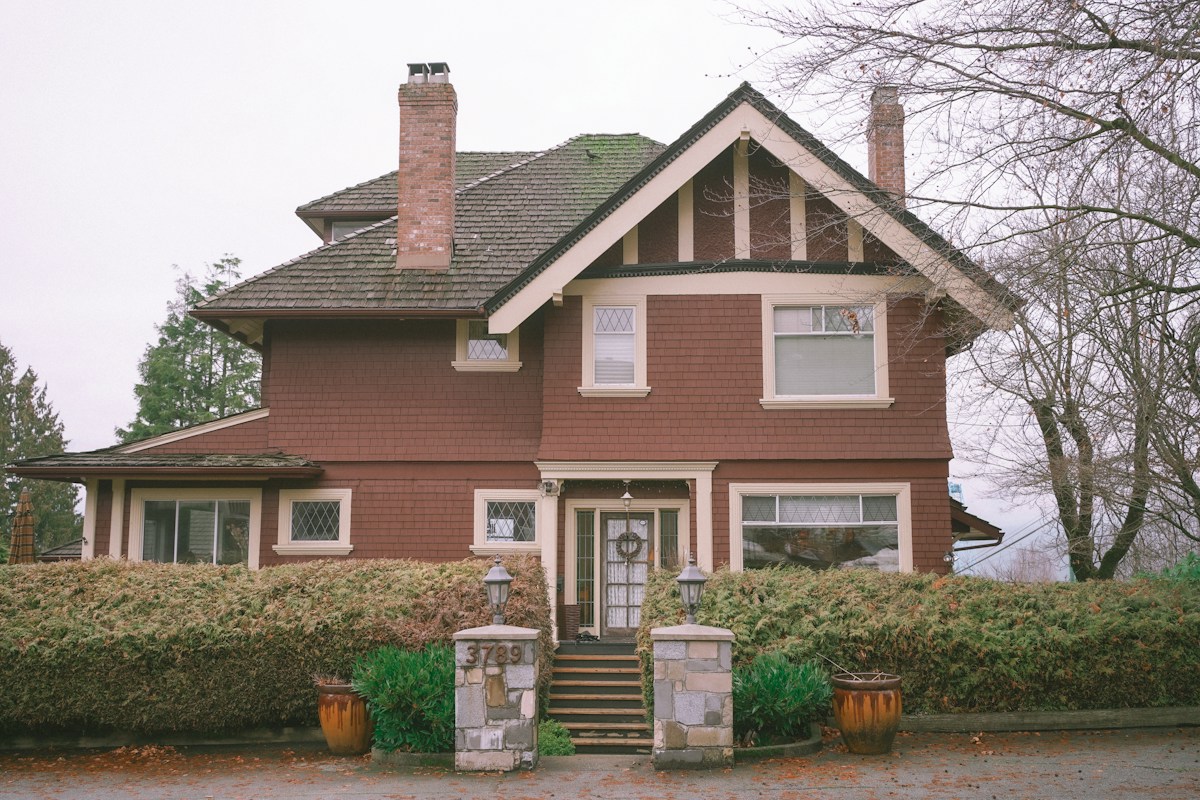
The housing stock is primarily 1920s and 1930s bungalows and craftsman homes — well-built, architecturally interesting, on real lots with mature trees. The bones of the city are good, and the renovation wave that started in the 2010s has raised the floor on property quality without homogenizing the character. You see handmade murals next to pristine bungalows next to mid-century brick apartment buildings.
Ferndale has a strong LGBTQ+ community and progressive political identity that has made it a destination for people looking for an inclusive urban environment. The city's Pride festival draws tens of thousands annually. That political identity also creates a culture of small business investment and neighborhood stewardship that keeps the commercial strips healthy.
At a glance — the numbers
| Category | Ferndale, MI |
|---|---|
| Median home price | $220,000–$280,000 |
| 2BR apartment avg | $1,100–$1,400/mo |
| Walk Score | 78 / 100 (very walkable) |
| City size | 2.5 square miles |
| Population | ~20,000 |
| Commute to Detroit | 20–25 min by car |
| School district | Ferndale Public Schools |
| LGBTQ+ friendliness | Very high |
Crime and safety
Ferndale's safety profile is strong relative to the broader Detroit metro. Property crime — car break-ins, bike theft — occurs at rates you'd expect in any urban neighborhood, but violent crime is low. The city has its own police department that operates independently of Detroit PD, which matters: response times are fast and the department has genuine community relationships. The walkable core around Nine Mile Road and the surrounding residential blocks feel safe at night. The city's size (2.5 square miles) means there isn't a "bad side of town" in the way some larger cities have — crime is low and relatively uniform across neighborhoods.
Schools
Ferndale Public Schools serves the city and is improving but not yet a top-tier suburban district. Elementary ratings have been trending upward, and the district has focused on arts integration and inclusive programming that fits the community's character. That said, families who prioritize high GreatSchools ratings often look at neighboring Hazel Park or make the trade-off of a short drive to Royal Oak for higher-rated schools.
The local K–12 option worth knowing: University High School, a charter school within Ferndale city limits, consistently earns high marks and draws students from across Oakland County. It's a significant asset for families who want the Ferndale lifestyle with strong academic options.
Sub-areas and streets worth knowing
The Nine Mile corridor is the most walkable and the heart of the city's commercial identity — restaurants, bars, coffee, the farmers market. Living within a few blocks is the premium location.
East Ferndale is slightly quieter, still well-located, and tends to have slightly lower home prices than the blocks immediately adjacent to Nine Mile. Good value for the same overall location.
The Woodward corridor (along Woodward Ave at the city's western edge) has seen the most new development — apartment buildings and mixed-use projects that bring density and energy but also some ongoing construction.
Transit and getting around
Walk Score of 78 makes Ferndale genuinely walkable by Michigan standards — the Nine Mile commercial strip, grocery stores, restaurants, and parks are all accessible on foot. SMART bus routes connect Ferndale to downtown Detroit and the broader metro, and the Woodward corridor has seen discussion of light rail for years. In practice, most Ferndale residents commute by car but can handle daily errands and weekend life entirely on foot or bike. Detroit is 20 minutes south by car; parking isn't painful when you do need to drive.
Nearby alternatives
If Ferndale is priced out or too urban for your taste, the nearby alternatives are worth knowing:
- Hazel Park — directly east, even more affordable ($180,000–$230,000), rapidly gentrifying, slightly more industrial character
- Royal Oak — immediately north, larger and more polished, with stronger school ratings but higher prices ($300,000–$450,000)
- Pleasant Ridge — a tiny enclave within the Ferndale postal code, residential-only, walkability to Ferndale without living in it
The honest tradeoffs
Ferndale is small — 2.5 square miles means you will exhaust the city's options over time and rely on the broader metro for variety. The school district is improving but isn't the reason families move here. Parking is occasionally frustrating around the Nine Mile commercial strip on weekends. The city's progressive identity is a draw for some and a drawback for others — it's genuinely politically uniform in ways that matter to how the city operates.
The property value trajectory is the risk to understand clearly: Ferndale has appreciated substantially since 2015, and the gap between Ferndale and comparable Chicago neighborhoods has narrowed meaningfully. It's still a great deal; it's a less remarkable deal than it was five years ago. Buy for the lifestyle, not purely the value play.
Who it's for
Artists, creative professionals, LGBTQ+ buyers, and young professionals who want genuine urban amenities at prices that most comparable Midwestern or coastal markets can't offer. Remote workers who don't need to commute daily but want walkable neighborhood life. Buyers who want to own a well-built bungalow with character and a real yard for under $280,000. People who specifically value diversity, small-business culture, and a city that has its own identity rather than being a satellite of something else.
It's not for families who prioritize highly-rated suburban school districts above all else, or buyers who want space — Ferndale lots are urban, not suburban. But for the right buyer, it remains one of the best arguments for Michigan in the entire country.