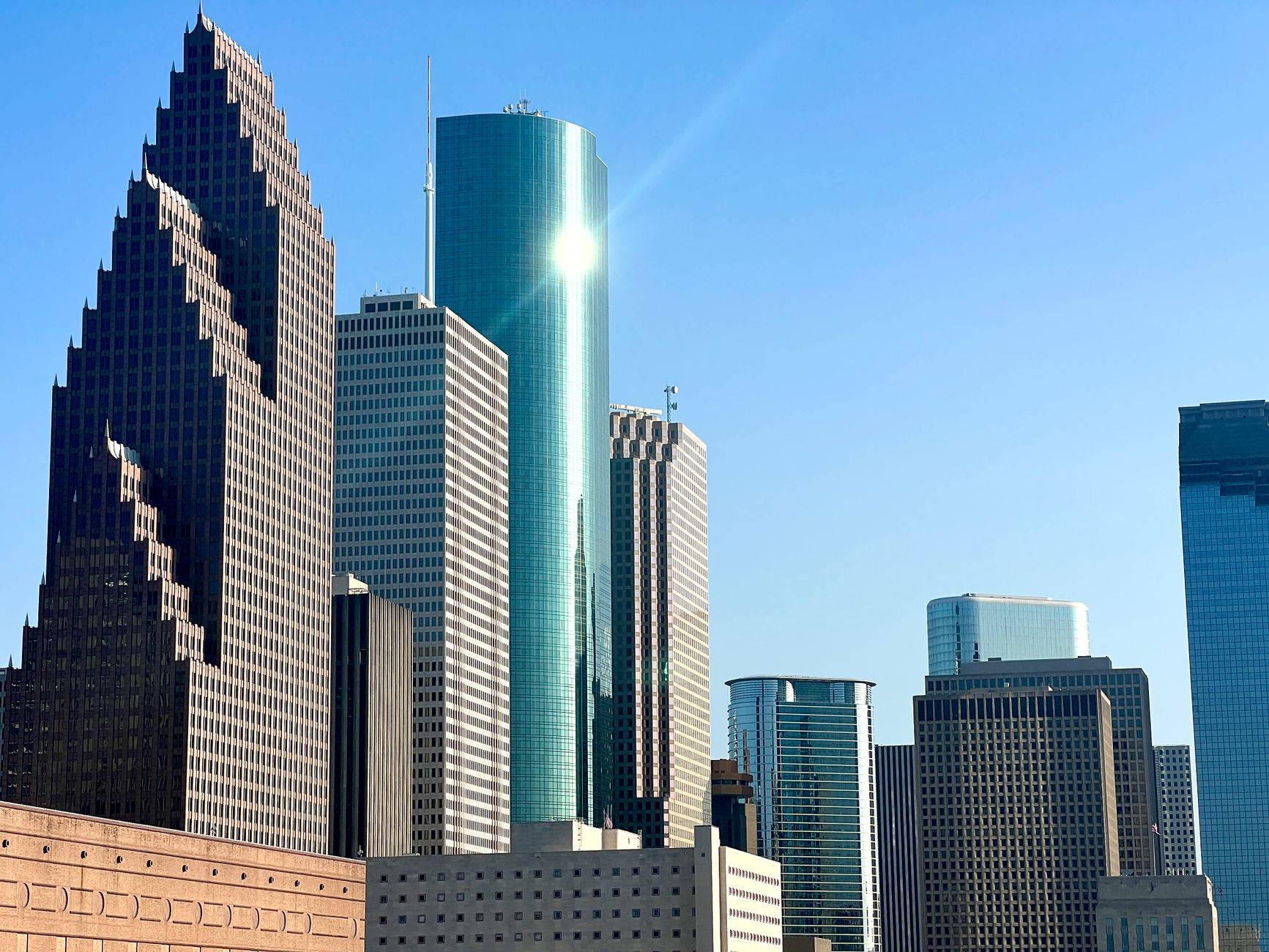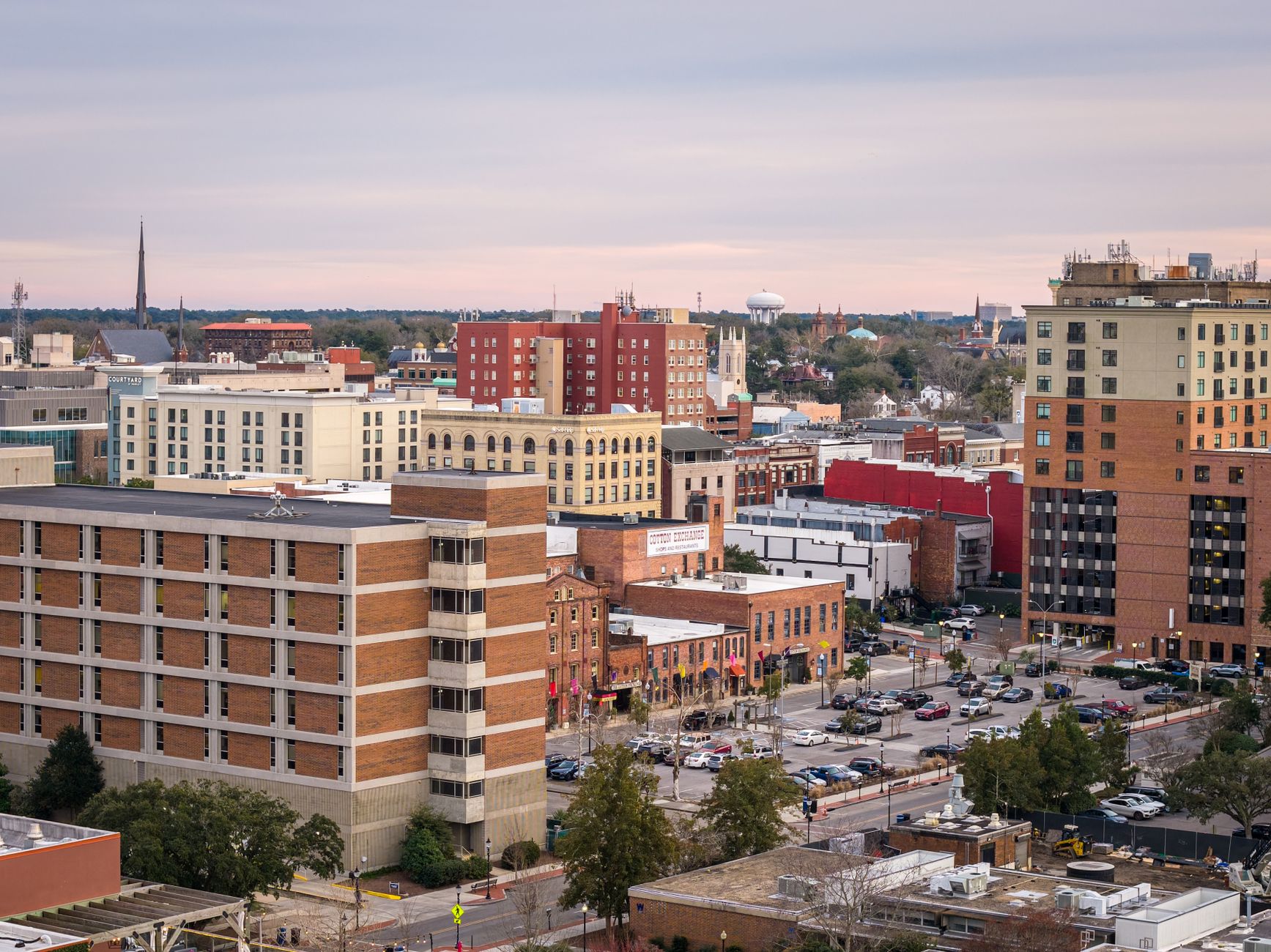
For people looking at Washington State and trying to decide where to land, the Spokane vs Seattle question is one of the most practically important in the Pacific Northwest. They're in the same state. They're 280 miles apart. They have different climates, completely different costs of living, and almost opposite livability profiles when you look at the neighborhood-level data. Seattle has the reputation. Spokane has the price. The question is whether Spokane has enough of everything else.
WYLT has reviewed neighborhoods in both cities, and the data tells a story that will surprise people who haven't lived in both places.
The 30-second version
Choose Seattle if: Your career is in tech (Amazon, Microsoft, Google, Meta all have major Seattle/Eastside presences), you need a coastal urban experience, and you can absorb housing costs of $775,000–$950,000 for a mid-range neighborhood. Seattle's walkable core neighborhoods earn "Good for now" — but nothing there is cheap.
Choose Spokane if: You want a genuinely livable mid-size Western city at roughly half Seattle's cost, you work remotely, or your career is in healthcare (Providence, MultiCare), education (WSU Spokane, Gonzaga), or local services. Spokane's South Hill (99223) earns "Good for now" at $410,500 — that price doesn't exist in Seattle.
Cost of living
The gap is large and it runs through every expense category, not just housing.
In Seattle, WYLT's reviewed neighborhoods range from $773,200 (Downtown/Capitol Hill, 98101) to $950,000 (Ravenna/University District, 98115). The cap hill/first hill/central district corridor (98112) sits at $800,000. Ballard (98107) — one of Seattle's most popular neighborhoods for young professionals — is $850,000. These are mid-range Seattle neighborhoods, not the expensive ones.
In Spokane, the story is different. The South Hill (99223) earns "Good for now" at $410,500. Downtown Spokane (99201) is a "Think twice" at $220,000. Spokane Valley (99206), the suburban corridor to the east, earns "Good for now" at $331,200.
Washington State has no income tax — that benefit applies equally to both cities. But Seattle adds a significant cost-of-living overlay through housing, which is the largest household expense for most people. At equivalent incomes, a Spokane resident will typically have $800–$1,500/month more in disposable income than a Seattle resident in a comparable neighborhood. Over a decade, that's a meaningful wealth differential.
Job market
This is where Seattle is genuinely irreplaceable for specific careers.
Amazon's headquarters and largest campus are in Seattle's South Lake Union neighborhood. Microsoft is in Redmond (20 minutes east). Google, Meta, and Apple all have major Seattle offices. Boeing, one of the world's largest aerospace companies, is headquartered in the region. For tech workers, data scientists, engineers, and the professional services ecosystem that surrounds them, Seattle's job market has depth that no other Pacific Northwest city can match — and compensation levels that offset the higher cost of living if you're in the right fields.
Spokane's job market is smaller and more locally focused: Providence and MultiCare health systems are the dominant employers; Gonzaga and Washington State University's medical school campus anchor education and research; Amazon has a warehouse operation; a growing call center and back-office sector serves companies that have moved operations east. For remote workers and people whose careers are in healthcare, education, or local government, Spokane works well. For people whose careers are in tech or finance at scale, the Spokane job market is a significant limitation.
Safety
Seattle's close-in neighborhoods have elevated property crime — that's the consistent finding in WYLT's data. The Capitol Hill/Downtown corridor (98101) earns "Think twice" partly due to property crime and quality-of-life issues that have worsened since the pandemic. The neighborhoods that earn "Good for now" — Ballard, the University District, South Seattle — have more manageable crime profiles but are not crime-free.
Spokane's South Hill (99223) earns "Good for now" with a relatively clean safety profile for a mid-size Western city. Downtown Spokane (99201) earns "Think twice" — the downtown core has homelessness and property crime issues that are common to most mid-size city centers. South Hill is where most Spokane residents who prioritize safety actually live.
Lifestyle and outdoor access

Seattle's lifestyle advantages are real. Puget Sound, the Olympic Peninsula, and the Cascades are all accessible. The food scene is world-class — Pike Place Market is a cliché but an accurate one. The cultural density of a major metro — live music, theater, museums, sports (Seahawks, Mariners, Sounders, Kraken) — is something Spokane can't match by volume.
Spokane's outdoor access is different but genuinely excellent. The Spokane River runs through downtown and is accessible on foot and by bike. Mount Spokane Ski Area is 35 minutes north. Coeur d'Alene, Idaho — one of the most beautiful lake towns in the inland Northwest — is 30 minutes east. The Palouse — some of the most scenic agricultural landscape in the country — is an hour south. Spokane is not a consolation prize for outdoor enthusiasts; it's a different kind of access.
The weather difference is significant. Seattle gets 150+ cloudy days per year and persistent drizzle from October through May. Spokane gets four distinct seasons — colder winters (real snow) and warmer, drier summers than Seattle. For people who find Seattle's gray seasons depressing, Spokane's weather is genuinely preferable.
What WYLT's data shows
Spokane
- South Hill (99223) — Good for now: Walk score 23, median home $410,500. Spokane's most consistently livable neighborhood — family-oriented, safe by city standards, and priced well below any comparable Seattle neighborhood. Car-dependent, but Spokane is a car city.
- Downtown Spokane (99201) — Think twice: Walk score 23, median home $220,000. The most affordable reviewed entry point in Spokane — but elevated downtown crime earns the "Think twice" verdict. Better for renters exploring the city than buyers committing to a neighborhood.
- Spokane Valley (99206) — Good for now: Walk score 20, median home $331,200. The suburban option east of Spokane — slightly lower price than South Hill, good for families who want more space.
Seattle
- Ballard (98107) — Good for now: Walk score 77, median home $850,000. One of Seattle's most popular neighborhoods — Scandinavian heritage, strong restaurant corridor, easy transit to downtown. "Good for now" at a price that requires a significant income to sustain.
- Ravenna/U-District (98115) — Good for now: Walk score 40, median home $950,000. Near the University of Washington, strong schools, but the highest median home price in Seattle's reviewed set. "Good for now" earns less credibility at this price point.
- Capitol Hill/Downtown (98101) — Think twice: Walk score 90, median home $773,200. The most walkable Seattle ZIP code reviewed — but elevated crime and quality-of-life issues since the pandemic earn "Think twice" despite the transit access and urban density.
The verdict
This comparison ultimately asks: what is the Seattle premium worth to you personally?
If your career is in tech and you're earning $150,000+, Seattle's job market and compensation levels justify the cost. The "Good for now" neighborhoods are genuinely livable urban environments. You're paying for access to the Pacific Northwest's dominant economy, and that's a real thing of value.
If you're a remote worker, in healthcare, or simply trying to build wealth rather than maximize career ceiling, Spokane wins on the numbers and it isn't close. South Hill at $410,500 "Good for now" vs. Ballard at $850,000 "Good for now" is the same verdict at half the price. The outdoor access is excellent. The winters are harder. The city is smaller. But the financial case is clear.
Get the full data-driven report on any neighborhood at WYLT's neighborhood finder.