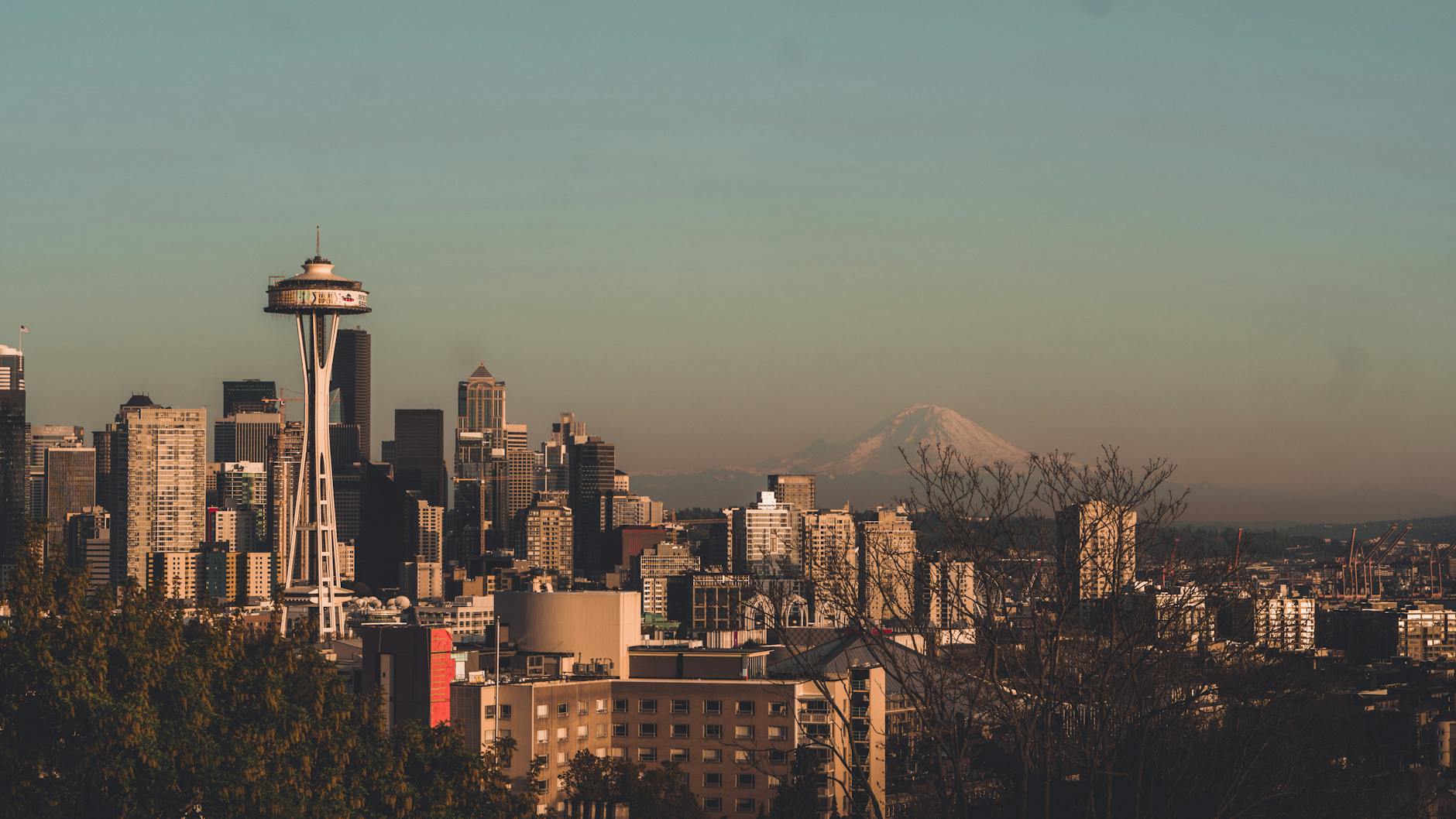
Seattle and Portland get compared constantly — two Pacific Northwest cities, 170 miles apart, with similar reputations for rain, mountains, outdoor culture, and progressive politics. But when you run them through WYLT's neighborhood data, a striking gap emerges: Seattle is 7-of-8 "Good for now." Portland is 6-of-7 "Think twice." That's not a small difference. Here's what's behind the numbers.
| Seattle | Portland | |
|---|---|---|
| WYLT neighborhood verdicts | 7 of 8 "Good for now" | 1 of 7 "Good for now" |
| Median home price range | $773K–$950K | $381K–$792K |
| Most affordable Good verdict | Ballard 98107 (~$850K) | North Portland 97217 ($535K) |
| Primary job market | Amazon, Microsoft, Boeing + tech ecosystem | Nike, Adidas, Intel — smaller tech scene |
| State income tax | None (Washington) | 9.9% top rate (Oregon) |
| Transit | Link Light Rail + buses | MAX Light Rail (Portland Streetcar) |
| Homelessness / urban disorder | Significant, improving | More severe, improving slowly |
| Mountain access | Cascades (1–2 hrs), Rainier | Mt. Hood (1 hr), Columbia Gorge |
Why the data gap is so wide
Seattle's neighborhoods earn "Good for now" across the board because the city's Amazon-and-tech economic engine has driven sustained investment, improving safety metrics, and rising property values that have priced out many of the factors that correlate with crime. It's an expensive city, and expensive cities tend to have lower crime in their residential neighborhoods.
Portland's "Think twice" pattern reflects a city where economic momentum is weaker, where a prolonged period of political hesitation around public order left visible marks on the urban environment, and where property crime specifically — the category that most affects daily quality of life — remains above average across most neighborhoods. Portland is recovering, and the trend is improving, but the data from 2024–2025 still reflects consequences of that period.
Seattle neighborhoods — what WYLT shows
- Ballard (98107) — Good for now, ~$850K. The fishing village turned tech enclave — best restaurants, farmers market, Scandinavian heritage, genuine walkability.
- Ravenna / Green Lake (98115) — Good for now, ~$950K. Family-oriented north Seattle — Green Lake Park, good schools, mature neighborhood character.
- Madison Park / Capitol Hill East (98112) — Good for now, ~$800K. Waterfront access on Lake Washington, one of the most beautiful residential locations in the city.
- Queen Anne / Seattle Center (98109) — Good for now. The neighborhood with the best skyline views, Space Needle proximity, and Kerry Park.
- Fremont / Wallingford (98103) — Good for now. The quirky, independent commercial strip neighborhood with the Sunday Market and the Fremont Troll.
- Columbia City / Rainier Valley (98118) — Good for now. Light Rail connected, diverse, improving, and one of Seattle's most underrated neighborhoods.
- Downtown / Belltown (98101) — Think twice, $773K. The only "Think twice" in Seattle — downtown's urban disorder challenges, though significantly improving.
Portland neighborhoods — what WYLT shows
- North Portland / Kenton (97217) — Good for now, $535K. Portland's lone positive verdict — a quieter, improving neighborhood that's avoided some of the city's broader challenges.
- Sellwood / Woodstock (97202) — Think twice, $657K. One of Portland's most beloved neighborhoods — the antique row on Sellwood Boulevard, Oaks Park — but crime requires block-level research.
- Irvington / Alameda (97212) — Think twice, $792K. Northeast Portland's premium address. Beautiful historic homes, but the "Think twice" at $792K reflects value-to-risk tension.
- Hawthorne / Belmont (97214) — Think twice, $693K. The cultural heartbeat of Portland — the bookstores, the coffee shops, Powell's nearby — but property crime is persistent.
- Lents / Foster-Powell (97266) — Think twice, $381K. The most affordable neighborhood reviewed — and the "Think twice" here reflects the most significant safety challenges.
- Beaverton / Tigard area (97223) — Think twice, $528K. Suburban Portland — this is where Nike and Intel campuses are, but the verdict reflects broader challenges in this ZIP.
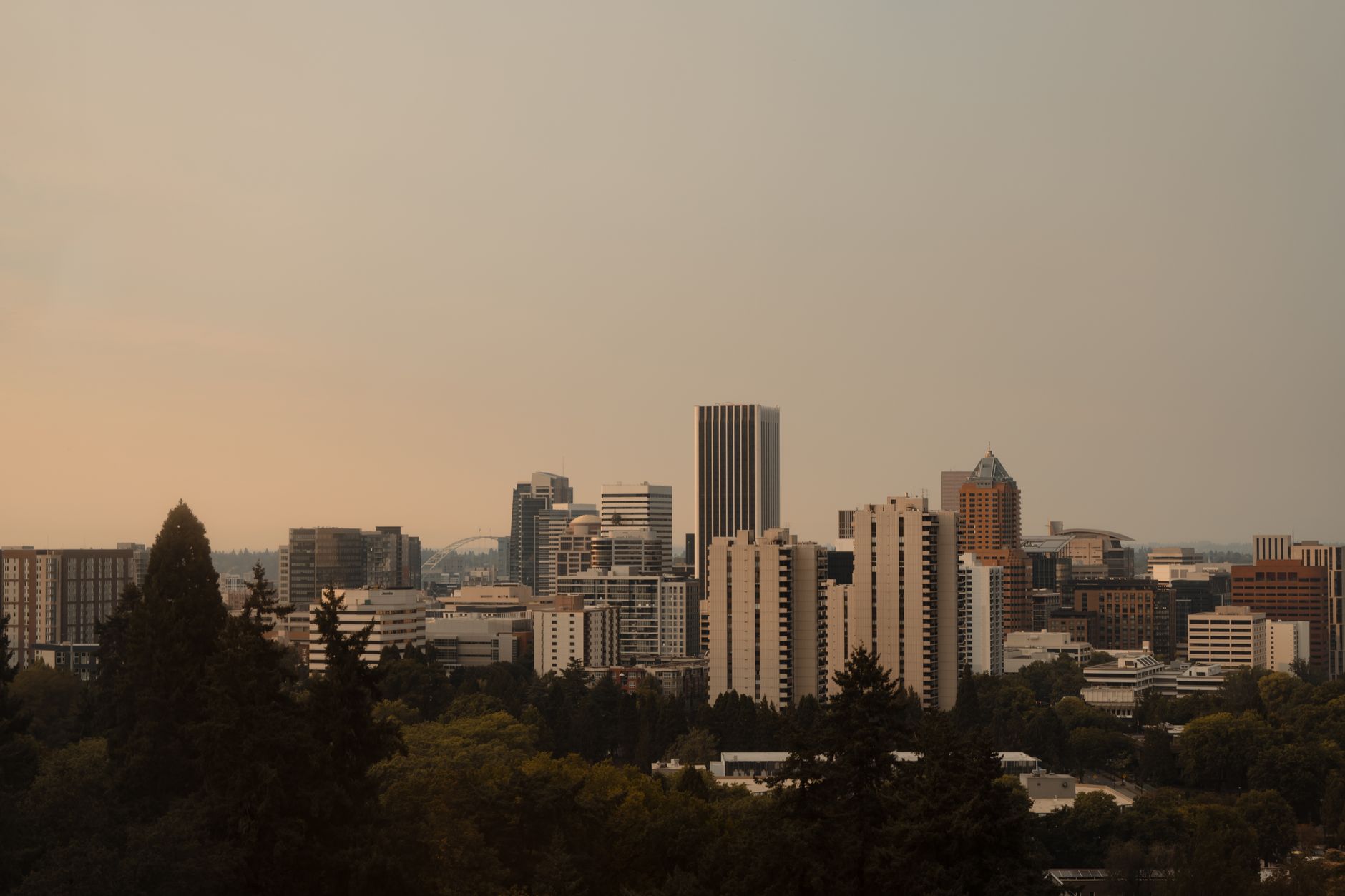
The income tax difference — it's significant
Washington has no state income tax. Oregon has one of the highest in the country — 9.9% top marginal rate. For a household earning $150,000/year, this difference is roughly $10,000–$13,000 annually in take-home pay. Over a 10-year period, that's $100,000+ in additional taxes paid for living in Portland vs Seattle — a number that changes the housing cost comparison significantly. Seattle's higher home prices partially offset this, but for many earners, the no-income-tax advantage tips the math toward Seattle.
Jobs — Seattle has the deeper market
Seattle's job market is one of the strongest in the country, driven by Amazon (world headquarters), Microsoft (Redmond HQ, 10 miles away), Boeing, and a dense tech ecosystem that extends to Google, Meta, and hundreds of startups. If you work in tech, the Seattle/Eastside corridor is a tier-one market.
Portland's strongest employers are Nike and Adidas (global headquarters), Intel (major campus in Hillsboro), and a smaller but real tech scene. For outdoor/apparel industry professionals, Portland is actually the stronger market. But the overall employment depth is significantly less than Seattle.
Who should choose Seattle
- Tech professionals who want to be inside the Amazon/Microsoft ecosystem
- Buyers where the income tax savings offset Seattle's higher home prices
- Anyone who values consistent neighborhood quality — 7-of-8 "Good for now" is exceptional
- Families who need reliable school quality across multiple neighborhoods
Who should choose Portland
- Outdoor/apparel professionals at Nike, Adidas, Columbia Sportswear, or their supplier ecosystem
- Buyers who prioritize lower home prices and accept the income tax cost
- People who genuinely love Portland's specific cultural character — Powell's, the food cart scene, the DIY ethos — and understand its current moment
- Remote workers who want a Pacific Northwest lifestyle at a lower entry price, and who choose North Portland or the suburbs (Lake Oswego, Beaverton) carefully