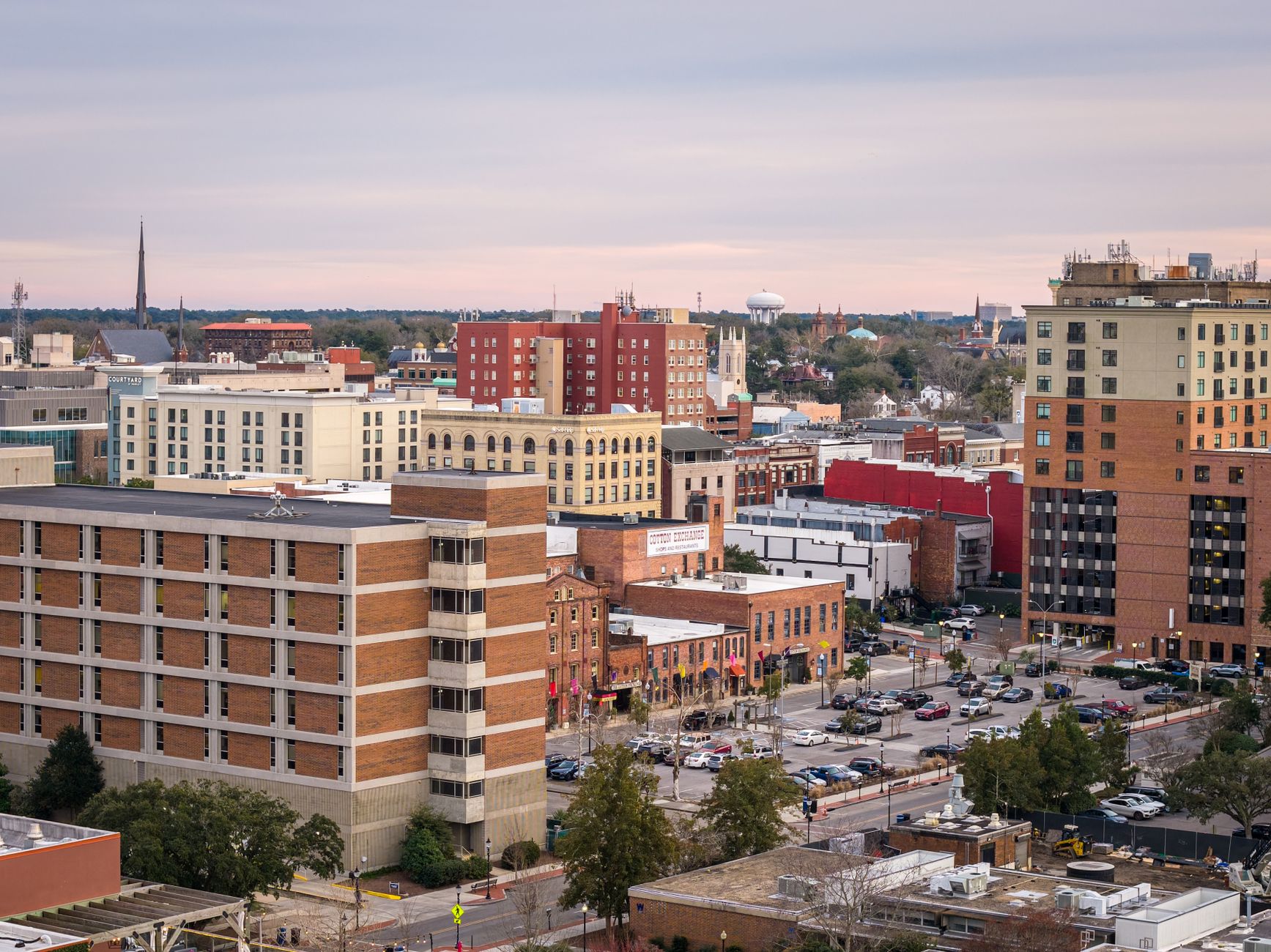
Deciding whether to settle in Troy or New York City can feel like choosing between a quiet, family‑friendly town and a high‑energy metropolis. Either option can shape your daily life, finances, and future prospects, so let’s break down the key differences in a straight‑forward way.
If you’re a professional, a retiree, or a young family looking for a blend of affordability and community, you’ll need hard data to weigh each city’s merits. This comparison covers cost, jobs, neighborhoods, safety, schools, lifestyle, and finally a clear recommendation that tells you who should pick which city.
Cost of Living
Troy’s median home price sits around $250,000, with median rent at $1,150/month and utilities averaging $180 monthly. State and local taxes are modest—property tax is about 0.8% of home value, and the city’s sales tax is 4% (combined with the state’s 4% rate).
New York City’s median home price is roughly $1.5 million, median rent $3,600/month, and utilities $250/month. Property taxes are steep—about 1.3% of the assessed value—and the city’s sales tax is 8.875% on top of the state’s 4.5%.
Here’s a quick side‑by‑side snapshot:
| Metric | Troy, NY | New York, NY |
|---|---|---|
| Median Home Price | $250,000 | $1,500,000 |
| Median Rent (1‑bedroom) | $1,150 | $3,600 |
| Median Household Income | $45,000 | $70,000 |
| Cost of Living Index | 77 | 147 |
Job Market & Economy
Troy’s economy is anchored by the Capital District Energy plant, the nearby Kodak headquarters, and a growing tech cluster at the Rochester Institute of Technology’s Troy campus. Unemployment hovers near 4.6%, and many roles are in manufacturing, logistics, and health care.
New York City draws global giants like JPMorgan Chase, Google, and Pfizer, with a robust finance, tech, and media scene. The city’s unemployment rate is about 5.8%, but remote work has opened up thousands of opportunities, especially in software development, consulting, and creative industries.
While Troy offers stable, mid‑level positions with a strong sense of community, NYC’s sheer volume of roles and high salaries make it a magnet for ambitious professionals. However, the higher competition and cost of living can offset the higher pay for many.
Neighborhoods
Downtown Troy (ZIP 12180) features historic brick buildings, median home prices around $260,000, and a walk score of 65. East Troy (ZIP 12181) has newer condos, rents around $1,200, and a walk score of 70, with a growing arts scene. West Troy (ZIP 12190) is more industrial, with lower median prices at $200,000 and a walk score of 55.
In New York, Brooklyn Heights (ZIP 11201) offers luxury co‑ops at $2.5M, rents of $3,500, and a walk score above 90, surrounded by cobblestone streets. Williamsburg (ZIP 11211) is hip, with median rents $3,200, walk score 95, and a youthful vibe. The Upper West Side (ZIP 10023) provides upscale apartments at $2M, rent $3,800, and a walk score of 92, known for museums and parks.
Safety
Troy records about 3,500 crimes per 100,000 residents, with property crime rates slightly above the national average. The main concern is vehicle theft in West Troy, but overall community policing is strong.
NYC experiences around 23,000 crimes per 100,000, with violent crime concentrated in certain Bronx and Brooklyn neighborhoods. While Upper Manhattan and Manhattan proper are comparatively safer, crime can be a daily consideration in any borough.
Both cities have neighborhoods to steer clear of: in Troy, the old rail yards area in West Troy; in NYC, the 10401 Bronx ZIP code, known for higher crime spikes.
Schools
The Troy City School District scores 7/10 on the New York State Rating System, with top schools like Troy High School (A+), Oakwood Elementary (B), and private options such as St. John the Baptist. The district’s average SAT score is 1,200.
NYC’s public schools average 6/10, with elite options like Stuyvesant High School (A+), Bronx Science (A), and private schools such as Horace Mann. Average SAT scores hover at 1,400, but access to quality education varies widely by borough.
Families valuing a close‑knit school community might lean toward Troy’s smaller schools and higher parent involvement. Those seeking top-tier schools with extensive resources may prefer NYC, though the competition to secure a spot can be fierce.
Lifestyle & Things to Do
Troy boasts the Erie Canal Museum, a revitalized downtown with cafes and art galleries, and access to the Adirondacks for outdoor recreation. The city’s weather is four‑seasoned, with cold, snowy winters and warm, humid summers.
New York City offers world‑class museums, Broadway, countless restaurants, and a nightlife that never sleeps. Its diverse cultural districts—Harlem, the Lower East Side, and Flushing—provide endless culinary and artistic experiences. The city’s climate is humid subtropical, with hot summers and mild winters.
While Troy offers a relaxed pace and proximity to nature, NYC delivers an unmatched cultural palette and nonstop entertainment. The choice hinges on whether you prefer a laid‑back lifestyle or an urban whirlwind.
The Verdict
If you’re a family prioritizing affordable housing, lower crime, and a solid school system, Troy is the clear winner. The cost savings let you build equity and enjoy a quieter environment.
If you’re a high‑earning professional, a remote worker wanting to network in a global hub, or a nightlife enthusiast, NYC wins hands down. The city’s economic dynamism, cultural breadth, and endless opportunities outweigh the higher living costs.
Ultimately, the city that wins depends on your career goals, budget, and lifestyle preferences. Troy offers stability and affordability; NYC offers scale and excitement.

Get the full data‑driven report on any neighborhood at WYLT's neighborhood finder.
Explore neighborhood-by-neighborhood data on WYLT: Troy, NY (Troy) · New York City, NY (New York City).