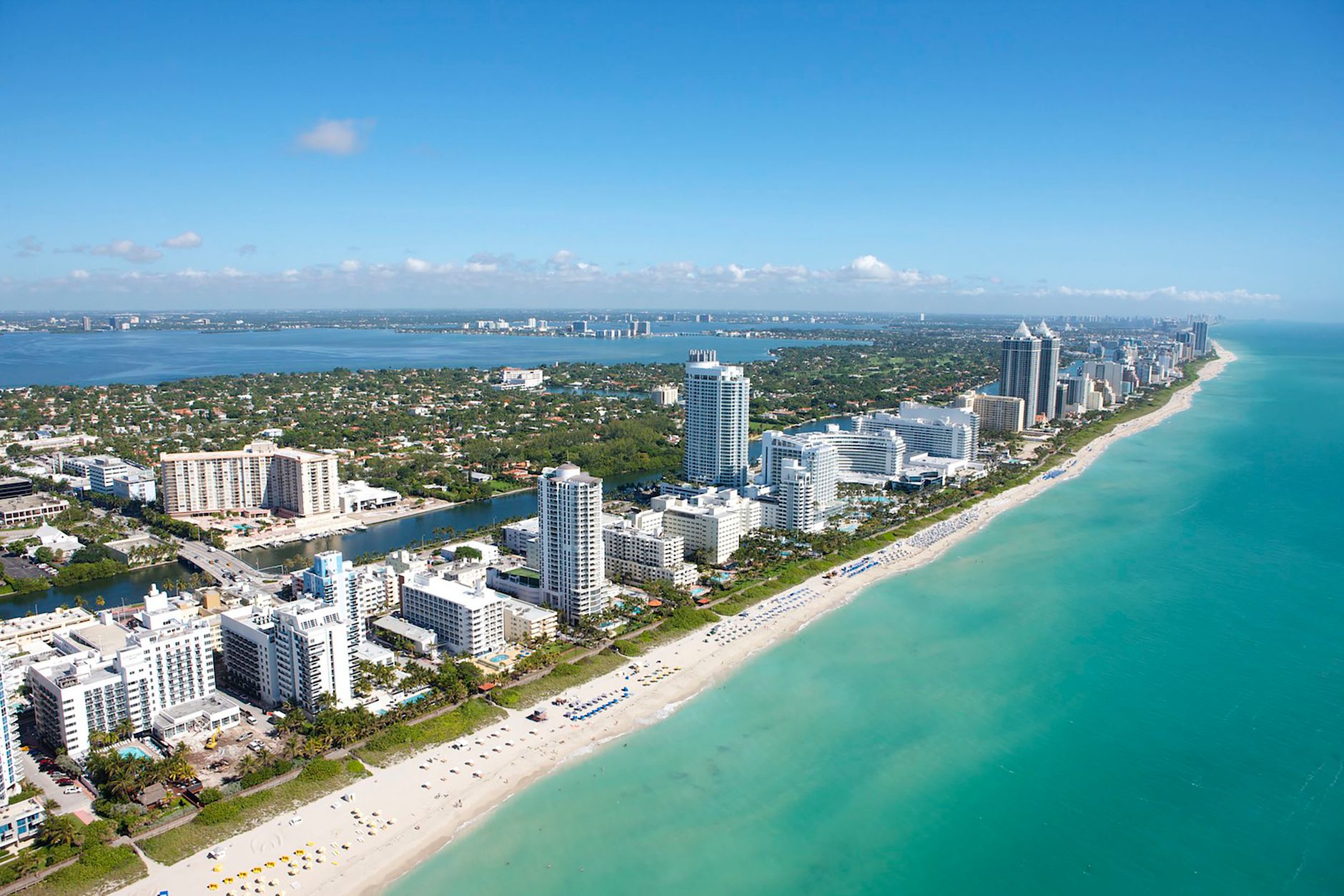
Miami is one of the most misunderstood relocation destinations in America. People who have never lived there picture it as a permanent vacation — South Beach, Art Deco hotels, year-round sunshine, and a lifestyle that feels borrowed from a travel magazine. People who have lived there know something more complicated and more interesting. Miami is a genuinely world-class city with real infrastructure, real culture, and real challenges that most relocation guides don't address honestly.
Here is the complete picture before you make one of the biggest decisions of your life.
Why people are moving to Miami
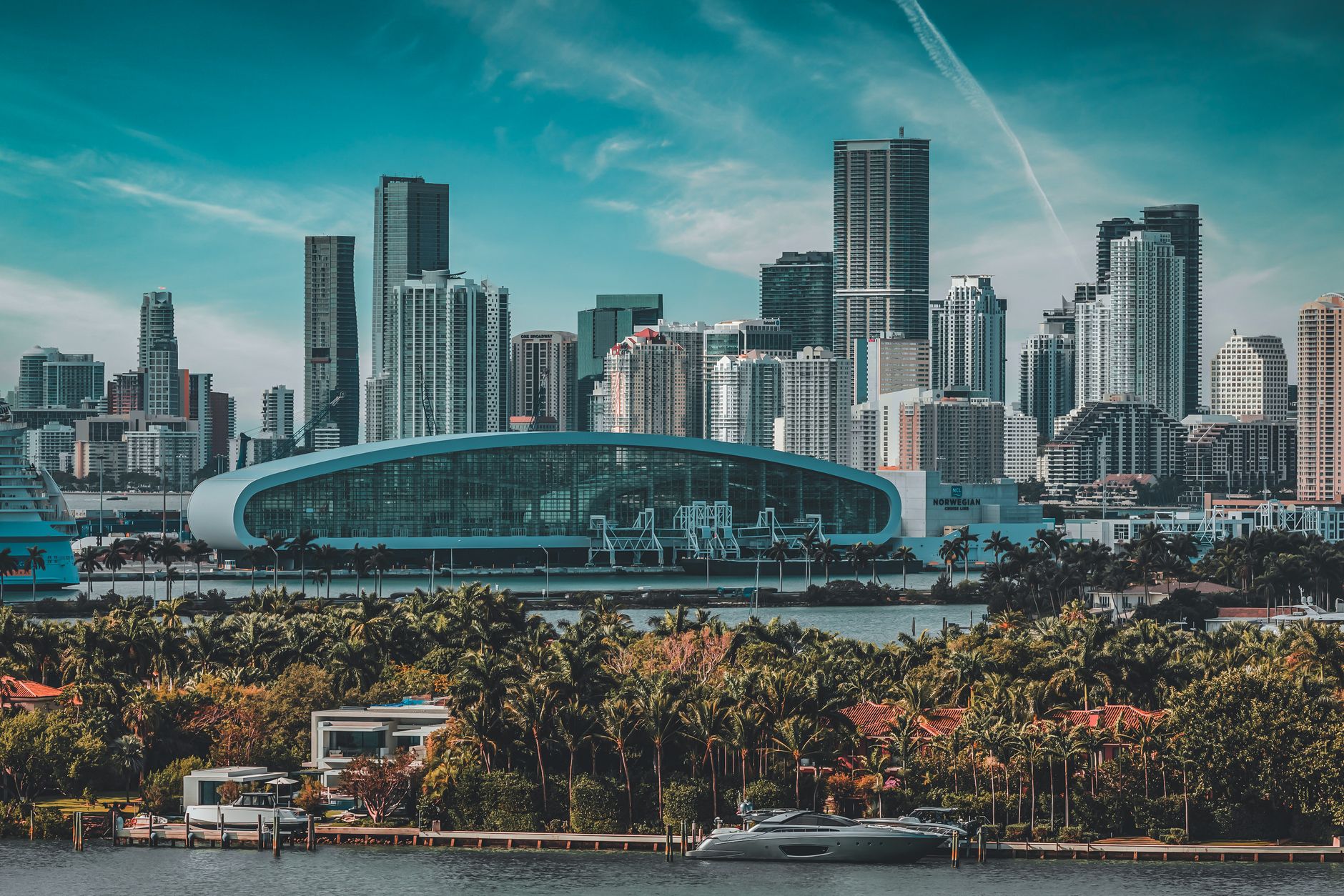
The post-pandemic migration to Miami has been one of the most significant demographic shifts in recent American urban history. The city absorbed a wave of financial services firms, tech companies, and high-net-worth individuals from New York, California, and the Northeast between 2020 and 2023 that fundamentally changed its economic profile.
The reasons are consistent across every conversation about Miami relocation. Florida has no state income tax — for a household earning $300,000 per year moving from New York City the combined state and city income tax savings runs $30,000 to $40,000 annually. That is not a rounding error. That is a transformative improvement to monthly cash flow that compounds meaningfully over years.
The international character of Miami is a genuine asset that distinguishes it from every other Sun Belt relocation destination. Miami is a genuinely global city — Latin American, Caribbean, European, and domestic cultures intersect in ways that produce a cultural density and sophistication that Phoenix, Nashville, and Tampa simply cannot match. The food scene reflects this. The art scene reflects this. The business community reflects this. For buyers coming from New York or Los Angeles who are accustomed to that kind of cultural complexity, Miami is the Florida option that feels least like a compromise.
Brickell — Miami's financial district — has developed into a genuine urban neighborhood with walkable residential towers, restaurants, and infrastructure that did not exist a decade ago. Wynwood has established itself as one of the most significant arts districts in the southeastern United States. The Design District has attracted luxury retail and cultural institutions that give the city a high-end urban infrastructure comparable to what much larger cities offer.
The neighborhoods — what they're actually like
Brickell
Miami's financial district and the most urban walkable neighborhood in the city. High-rise residential towers with ground-floor retail, restaurants, and the Brickell City Centre shopping complex create a density that is unusual for Florida. The Metromover — free automated transit — connects Brickell to downtown Miami. Walk scores run in the high 80s to mid-90s by Miami standards. This is the neighborhood for buyers who want maximum urban infrastructure and are coming from dense northeastern cities.
Prices reflect the premium. One-bedroom condos run $500,000 to $800,000. Monthly HOA fees in newer buildings run $1,000 to $2,500. The combination of purchase price, HOA, property tax, and insurance produces a carrying cost that requires careful modeling before you commit.
Coconut Grove
The oldest continuously inhabited neighborhood in Miami and among the most livable. Mature banyan trees canopy streets that feel genuinely different from the rest of the city. CocoWalk provides a neighborhood commercial center with restaurants and retail. The waterfront along Biscayne Bay gives the neighborhood a genuine outdoor amenity. The character is more relaxed and residential than Brickell — families, artists, and long-term Miami residents make up a larger share of the population than the finance and tech transplant wave that dominates Brickell.
Prices run $700,000 to $1.5 million for single-family homes. The housing stock is more varied than most Miami neighborhoods — mid-century architecture alongside newer construction on larger lots with mature landscaping.
Coral Gables
The most established and arguably most beautiful residential municipality in the Miami metro. Mediterranean Revival architecture, wide tree-lined boulevards, the Miracle Mile shopping and restaurant corridor, and some of the highest-rated public schools in Miami-Dade County make Coral Gables the default answer for families with children who want Miami without compromising on school quality or neighborhood character.
University of Miami anchors the southern end of the neighborhood, bringing institutional stability and cultural programming. The Venetian Pool — a public swimming pool carved from a coral rock quarry in 1923 — is a genuine local institution and one of the most unusual public amenities in Florida.
Prices run $900,000 to $2.5 million for single-family homes in most sections. Coral Gables is not where you go to find Miami affordability. It is where you go to find the best of what Miami offers for families who can access it.
Wynwood
The arts district that has become one of the most internationally recognized neighborhoods in Florida. The Wynwood Walls — a curated outdoor museum of street art — anchor a neighborhood of galleries, restaurants, breweries, and creative businesses that draws visitors from across the country and the world. Living in Wynwood is a different experience from visiting it — the neighborhood is noisy, dense, and oriented toward nightlife and commercial activity in ways that make it excellent for young creative professionals and genuinely difficult for families or anyone who needs quiet.
Prices have risen dramatically as the neighborhood's profile has grown. One-bedroom condos run $450,000 to $700,000 in newer buildings.
Little Havana and Little Haiti
The neighborhoods that represent Miami's authentic cultural foundation rather than its transplant wave. Calle Ocho in Little Havana is a genuine living street with Cuban coffee windows, domino parks, cigar shops, and restaurants that have served the community for decades. These neighborhoods are more affordable than Brickell or Coral Gables and offer a Miami experience that is closer to the city's actual character than the finance district towers.
Prices run $350,000 to $550,000 for condos and smaller single-family homes — among the more accessible entry points in the Miami market.
The honest challenges
The insurance crisis is severe. Florida's homeowners insurance market is in genuine crisis and Miami is at the epicenter. Multiple major carriers have exited the state entirely. The carriers that remain have raised rates dramatically. For a condo or single-family home in Miami, insurance costs commonly run $5,000 to $15,000 per year depending on building age, location, and coverage level. Flood insurance is a separate policy and Miami's geography — much of the city sits at or near sea level — means flood risk is real and flood insurance is not optional for many addresses.
Get insurance quotes before you make an offer on any Miami property. Not after. Before.
Traffic is a genuine daily ordeal. Miami traffic ranks among the worst in the United States. I-95, the Palmetto Expressway, US-1, and the MacArthur Causeway are all genuinely painful during peak hours. The city's public transit — Metrorail, Metromover, and bus — is more developed than most Florida cities but still serves a fraction of the metro area's needs. Most Miami residents drive most of the time. Budget 30 to 60 minutes for trips that map to 15 minutes.
The heat is extreme. Miami's subtropical climate produces temperatures above 90°F from May through October with humidity that makes heat indices regularly exceed 100°F. This is not seasonal discomfort — it is a five-month period where outdoor activity requires genuine planning and midday sun exposure carries real health risk. Hurricane season runs June through November with Miami's coastal geography creating meaningful storm surge risk in certain neighborhoods.
Housing costs have risen dramatically. The post-2020 migration wave drove Miami real estate prices to levels that have not fully corrected. Median condo prices in desirable neighborhoods run $500,000 to $900,000. Combined with HOA fees that run $800 to $2,500 per month in many buildings, insurance costs, and property taxes, the full monthly carrying cost of Miami homeownership is significantly higher than the purchase price alone suggests.
The school picture requires navigation. Miami-Dade County Public Schools is the fourth largest school district in the United States and quality varies enormously by specific school. The magnet program system provides genuine excellent options for families who navigate it successfully. The neighborhood school picture is more variable. Coral Gables and some sections of Coconut Grove have the strongest school options within the city. Research the specific school assignment at the specific address you're considering — not the district average.
The full cost model
Before you commit to any Miami property, run all five numbers:
- Mortgage (6.75%, 20% down, $700K): $4,072/month
- Property taxes (~1.0%): $583/month
- Homeowners insurance: $500–$1,250/month
- HOA fees: $800–$2,500/month
- Flood insurance: $100–$300/month
- Total monthly carrying cost: $6,055–$8,705/month
This is the real number. Not the mortgage payment. The full picture including every recurring cost. Run it before you fall in love with a specific unit.
Who Miami is actually for
Miami works exceptionally well for high earners in finance, tech, or professional services for whom the income tax savings are transformative, international buyers and dual-city residents who value Miami's global character, remote workers who want urban sophistication in a warm climate and can work around the summer heat, and buyers who have genuinely modeled the full cost and find that the lifestyle justifies it.
Miami is harder for families on moderate budgets who haven't modeled the insurance and HOA picture, buyers who need strong neighborhood public schools without active navigation, people sensitive to heat and humidity, and anyone whose financial case depends on Florida being cheap — Miami has not been cheap for several years and is not trending in that direction.
The honest verdict
Miami is a genuinely world-class city that rewards people who understand what they're choosing. The tax savings are real. The cultural infrastructure is real. The international character is real. The outdoor lifestyle from November through April is as good as anywhere in the country.
The insurance costs, the traffic, the summer heat, and the full carrying cost of ownership are equally real and require honest modeling before you commit.
Go in knowing both sides of the equation and Miami might be exactly right for you.
See the full neighborhood data for Miami — schools, flood risk, insurance flags, safety data, price trends, commute times, and a plain-English verdict — free at wouldyoulivethere.com.