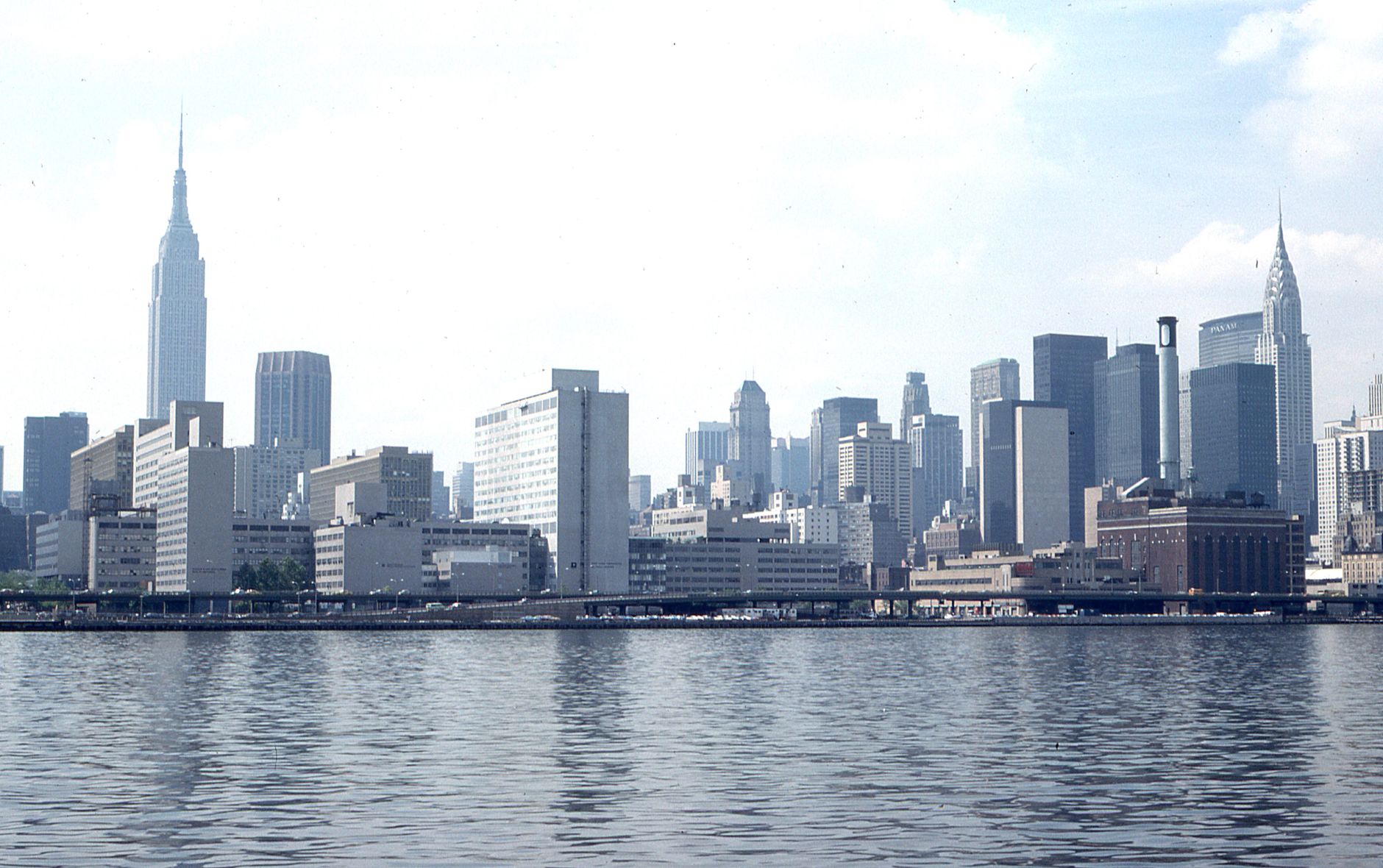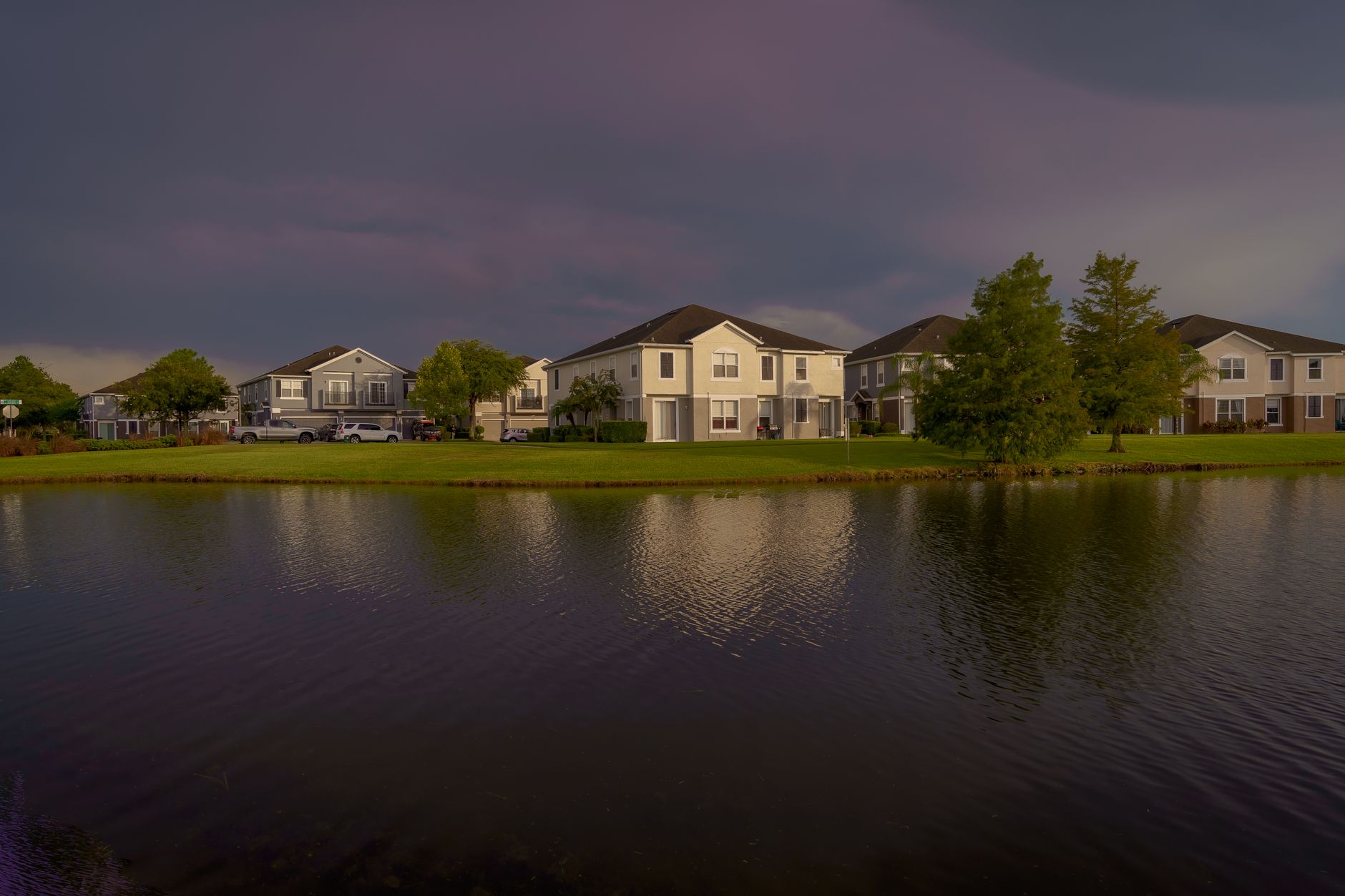
Every year thousands of families from New York, New Jersey, Connecticut, Massachusetts, Pennsylvania, and the broader Northeast pack their lives into moving trucks and head south to Lakewood Ranch, Florida. The community has been the best-selling master-planned development in the United States for several consecutive years. The buyers driving that ranking are overwhelmingly northerners.
Some of them will tell you two years later that it was the best decision they ever made. Others will tell you — quietly, without wanting to admit it publicly — that they got a few things wrong and wish someone had told them before they signed.
This guide is for both groups. Not the sales pitch version. The complete honest picture of what you're actually choosing when you choose Lakewood Ranch.
What Lakewood Ranch actually is — and what it isn't

The first thing northerners need to understand is that Lakewood Ranch is not a neighborhood in the traditional sense. It is not a town. It is a master-planned community covering approximately 50 square miles straddling Manatee and Sarasota counties, developed and managed by Schroeder-Manatee Ranch since the mid-1990s and still actively expanding.
Within that 50 square miles there are more than 30 distinct villages — each with its own character, price range, HOA structure, and amenities. Some are gated. Some are not. Some have resort-style clubhouses with pools, fitness centers, and restaurants. Others are quieter, more purely residential. Some skew toward families with young children. Others attract empty nesters and retirees almost exclusively. Some were built in the early 2000s and have mature landscaping. Others broke ground last year and are still under construction.
Understanding this is foundational before you visit. People who show up thinking they are touring one neighborhood are often overwhelmed when they realize the scale of what they're navigating. You are not choosing Lakewood Ranch. You are choosing a specific village within Lakewood Ranch — and that decision matters as much as the broader community decision.
The infrastructure that knits the villages together includes an extensive multi-use trail system, a Main Street commercial district with restaurants and retail, Lakewood Ranch Medical Center, multiple parks, sports fields, tennis and pickleball facilities, golf courses, and a farmers market. It is more comprehensively planned than anything most northerners have encountered in a residential community and that comprehensiveness is a large part of what draws people here.
Why northerners keep choosing it
The schools
For families with children this is almost always the first and most important factor. Lakewood Ranch feeds into schools in both the Manatee County and Sarasota County school districts depending on which village you're in and Lakewood Ranch High School consistently earns A ratings from the Florida Department of Education.
For northeastern families accustomed to treating school quality as the non-negotiable filter before all other considerations this matters enormously — especially in a state where school quality varies as dramatically as it does in Florida. The ability to find a community in Florida with genuinely strong public schools is not a given and Lakewood Ranch delivers it more reliably than most of the state.
The private school ecosystem in the surrounding area is also strong. Several well-regarded independent schools operate within reasonable proximity for families who prefer that route.
The tax math
The financial calculation that drives most LWR relocations looks compelling at the headline level and is real — with important caveats we'll get to shortly.
A family moving from New Jersey paying $18,000 to $22,000 per year in property taxes on a $700,000 home will pay approximately $6,000 to $8,000 per year on an equivalent Florida home. That is a savings of $10,000 to $14,000 per year just in property taxes — before accounting for the absence of Florida state income tax versus New Jersey's income tax rates which for higher earners run 8% to 10.75%.
The combined tax relief for a family earning $200,000 per year moving from New Jersey to Manatee County can run $20,000 to $30,000 annually. Over ten years that is a transformative amount of money. The families doing this math are not making it up.
The lifestyle infrastructure
One of the persistent frustrations for northeasterners moving to Florida is the sprawl — the disconnected strip malls, the absence of sidewalks, the lack of any coherent neighborhood identity or gathering place. Florida sprawl is real and it catches many transplants off guard.
Lakewood Ranch addresses this more directly than almost anywhere else in the state. The trail system allows you to walk or bike between villages and to the town center without touching a road. Main Street has enough concentration of restaurants, coffee shops, and retail to function as a genuine destination. The parks and sports facilities give residents infrastructure for daily activity that feels intentional rather than accidental.
It is not equivalent to the walkability of a northeastern city or town. Nothing in Florida is. But it is meaningfully better than generic Florida sprawl and for many northerners it is enough of an approximation to make the adjustment workable.
The community of transplants
This factor doesn't appear in the official marketing but it comes up in virtually every conversation with LWR residents who came from the northeast. The community is heavily populated with people who moved from New York, New Jersey, Pennsylvania, Massachusetts, and Connecticut. The cultural familiarity — shared references, similar social norms, comparable life stage and professional background — makes the adjustment significantly easier than moving to a part of Florida where the culture feels foreign.
You will meet people at your first HOA meeting who grew up in the same town you did. Your kids will find classmates whose families made the same journey from the same places. This sounds minor until you've experienced the disorientation of not knowing anyone in a new place and understand how much it matters.
Gulf Coast access
Lakewood Ranch sits approximately 30 to 45 minutes from some of the most celebrated Gulf Coast beaches in Florida. Siesta Key — consistently rated among the best beaches in the United States for its fine quartz sand — is under 40 minutes from most LWR villages. Anna Maria Island and Coquina Beach are similarly accessible. Longboat Key and Lido Key are nearby as well.
For northeastern families who spent summers on the Jersey Shore or in Cape Cod this access to genuinely beautiful beaches within easy driving distance is a meaningful quality of life feature that Florida delivers reliably.
Tampa International Airport
TPA is consistently ranked among the easiest airports to navigate in the country — fast security, compact terminal design, no lengthy inter-terminal transfers. For families with ties to the northeast who plan to travel back regularly this matters. The drive from most LWR villages to Tampa International runs 45 to 60 minutes in normal traffic — manageable for families making four to six trips per year to visit family.
Sarasota-Bradenton International Airport is closer — 20 to 30 minutes from most villages — but has more limited routing. Depending on your destination mix one or both airports will serve your travel needs.
What northerners consistently get wrong
The full cost model
The headline tax comparison — New Jersey property taxes versus Florida property taxes — is accurate but incomplete. The full annual carrying cost of a Lakewood Ranch home includes several line items that northeastern buyers routinely underweight in their planning.
Homeowners insurance is the biggest surprise. Florida's insurance market is in genuine crisis. Multiple major national carriers have exited the state entirely or stopped writing new policies in coastal markets. The carriers that remain have raised rates dramatically and continue to do so. For a new construction home in Manatee County homeowners insurance commonly runs $4,000 to $8,000 per year — and this number has been increasing 15% to 25% annually in recent years with no clear end in sight.
Flood insurance is a separate policy entirely. While Lakewood Ranch has been designed with flood management in mind and many of its villages carry low-risk flood zone designations this needs to be verified for the specific lot and village you are considering. Some areas of Manatee County adjacent to LWR have meaningful flood exposure. Do not assume low flood risk — verify it at the address level through FEMA's flood map service before you make an offer.
HOA fees vary significantly by village and are real and non-trivial. Depending on your village HOA fees run $1,200 to $4,800 per year. Villages with resort-style amenities — resort pools, clubhouses, fitness centers, on-site restaurants — carry higher fees. Understand what your village HOA covers and doesn't cover before you buy.
CDD fees are a Florida-specific mechanism that surprises almost every northeastern buyer. Community Development District fees finance the infrastructure of master-planned communities and appear as a line item on your annual tax bill — separate from property taxes and HOA fees. In Lakewood Ranch CDD fees typically run $1,500 to $4,500 per year depending on the village and the age of the infrastructure bonds financing them. They are not negotiable. They run with the land and they will be on your tax bill for the life of the bond — typically 20 to 30 years.
The honest full annual carrying cost model for a $600,000 home in Lakewood Ranch:
| Line item | Annual cost |
|---|---|
| Mortgage P&I (6.75%, 20% down) | $37,680 |
| Property taxes (~1.0%) | $6,000 |
| Homeowners insurance | $5,000–8,000 |
| HOA fees | $1,800–4,800 |
| CDD fees | $1,500–4,500 |
| Total annual carrying cost | $52,000–$61,000 |
Compare this to the equivalent home in a New Jersey suburb and the tax savings are real — but smaller than the property tax comparison alone suggests once insurance, HOA, and CDD are fully modeled. Run all five numbers before you commit to a budget.
Get insurance quotes before you make an offer on any Florida property. Not after — before.
The summer
This is the factor that northeastern transplants most consistently underestimate. Southwest Florida summers are extreme. From approximately May through October daily high temperatures run 90°F to 96°F with heat indices that regularly push above 100°F. Afternoon thunderstorms are a near-daily occurrence from June through September — intense, fast-moving storms that develop rapidly and can produce lightning and brief flooding. The humidity is suffocating in a way that is difficult to convey to someone who hasn't experienced subtropical Florida in August.
What this means for daily life is a genuine restructuring of when you do things rather than whether you do them. Morning outdoor activity happens before 9am. The middle of the day is for air-conditioned interiors. Evening outdoor time resumes after 7pm when temperatures drop slightly and the day's storms have passed.
Families who moved from New Jersey expecting to spend summer afternoons at their backyard pool discover that the experience is more constrained than they imagined. The pool is most comfortable at 7am and again at 8pm. Afternoon pool time in July is possible but uncomfortable — the heat index at 3pm is not conducive to the leisurely poolside afternoon that the imagery of a Florida home suggests.
The children's experience is similarly affected. Youth sports leagues restructure around the heat with practices at 6am or cancelled entirely in the peak summer months. Outdoor birthday parties in July require significant logistical management. The school year in Florida begins in mid-August — in the heart of the summer heat — which surprises most northeastern families accustomed to Labor Day starts.
None of this means summer in southwest Florida is unlivable. Millions of people live there year-round and manage it well. But it requires an honest adjustment of expectations and a genuine willingness to restructure daily rhythms in ways that some people find perfectly manageable and others find genuinely difficult.
Visit in August before you commit. Not January.
The car dependency
Lakewood Ranch is more walkable internally than most Florida communities — the trail system is real and useful for getting between villages and to Main Street. But it is still fundamentally a car-dependent community. Every trip outside the immediate LWR area requires a car. Grocery stores, medical appointments, most restaurants, every employer — all require driving.
Two cars per household is the default assumption for virtually every LWR family. For households moving from areas where one car or no car was workable — Manhattan, Hoboken, Brookline, Evanston — this is a real lifestyle shift with real financial implications. Budget $8,000 to $15,000 per year for the operating costs of a second vehicle that you may not currently own.
The village decision
Every village in Lakewood Ranch is not the same and choosing the wrong one for your life stage and priorities is the most common tactical mistake buyers make. Here is a quick guide to the villages that see the most northeastern transplant traffic:
Waterside is the newest and most urban-feeling village, built around a lakefront town center with restaurants and retail within walking distance of the homes. It attracts younger families and professionals who want the most walkable LWR experience. Premium priced. The newest construction in the community.
Esplanade Golf and Country Club is the premier amenity village — a full-service clubhouse with a resort pool, spa, fitness center, on-site restaurant, bocce, tennis, and pickleball. It attracts active adults and retirees who want resort living built into their daily environment. Higher HOA fees reflect the amenity level.
Country Club East is an established village with larger lots, mature landscaping, and a quieter character than the newer villages. Attracts buyers who want established surroundings rather than brand-new construction. Gated.
Mallory Park and Star Farms attract families with school-age children who want newer construction, strong schools, and community infrastructure at price points slightly below Waterside or Esplanade.
Lakewood Ranch Country Club is the original flagship village — established, golf-centric, and more mature in character than the newer villages. Attracts buyers who want the original LWR feel rather than the newer village aesthetics.
Research the specific villages that match your life stage and budget before you visit. The community is large enough that an unguided tour can leave you more confused than informed.
The social infrastructure question
This is the thing that northeastern transplants are least prepared for and most reluctant to discuss publicly after the move.
Building a social life in a new community from scratch is hard. It takes longer than most people expect. And the social infrastructure that makes it feel manageable — the neighbors you've known for fifteen years, the friend group assembled over decades, the family nearby for holidays and ordinary Tuesday dinners — does not transfer.
LWR's design helps. The HOA events, the community clubs, the sports leagues, the pickleball courts, the farmers market — all of these create repeated low-stakes contact with the same people over time which is the mechanism by which acquaintances become friends. The community is well designed for this in ways that generic Florida suburbs are not.
But it still takes time. Most families report that it takes 12 to 18 months before their social life in LWR feels genuinely comfortable rather than actively effortful. The first six months are often harder than anticipated particularly for spouses or partners who are not working outside the home and whose social world in the northeast was anchored to a professional environment they no longer have.
Be honest about this before you go. Plan for it. Join things immediately. Don't wait until you feel settled to start building community — you will feel settled partly because you built community.
What LWR residents miss about the north
Family and friends, above everything else. The distance is real. A weekend trip to see family in New Jersey requires flights that run $300 to $700 per person round trip depending on timing. Four family visits per year for a family of four costs $5,000 to $10,000 in airfare alone. The people who most successfully manage this are the ones who budgeted for it explicitly and committed to the travel before they left.
Seasons. Specifically autumn. The Florida fall — October and November — is objectively beautiful. But it doesn't feel like fall. The trees don't turn. The air doesn't have that particular quality. October in southwest Florida is 85°F and sunny, which is genuinely pleasant, but it is not October in the Berkshires or Vermont or even suburban New Jersey. This surprises people who thought they were done with seasons. Many of them discover they weren't.
Cultural density. The concentration of world-class museums, theaters, concert venues, and restaurants within an hour's drive of most northeastern markets is not replicated anywhere in Florida. Sarasota has a genuinely strong arts scene for its size — the Sarasota Opera, the Ringling Museum, the Asolo Repertory Theatre are all legitimate cultural institutions. But it is not the NYC metro and it doesn't pretend to be. People who used those institutions regularly feel their absence.
The food. Specifically the pizza, the bagels, the deli, and the Chinese food. This is mentioned so consistently it has become a running joke among the transplant community. The Sarasota dining scene is genuinely good and improving. It is not the NYC metro food scene. It may never be. Make peace with this before you go.
The sense of being somewhere that matters. This is the hardest one to articulate and the most real. The NYC metro — for all its cost and difficulty — is the center of gravity for finance, media, culture, and a dozen other industries. There is an energy to living in proximity to that center that is hard to name and easy to miss. Southwest Florida is beautiful and pleasant and well-organized. It is not at the center of anything in the same way.
What they absolutely do not miss
The property tax bill. Full stop. No one misses writing that check. The relief is immediate and material and it compounds every year.
The commute. Even accounting for Florida traffic growth the typical LWR resident reports shorter and less stressful daily drives than they experienced in the northeast.
Winter. After the first February in southwest Florida — 76°F and sunny while friends in New Jersey report six inches of snow — almost no one looks back at northeastern winters with nostalgia. The October through May weather in southwest Florida is genuinely exceptional and it is the biggest quality-of-life positive that most transplants report.
The pace. Life in Lakewood Ranch is slower. The traffic is lighter. The people are less rushed. The environment is less competitive in a way that many northeasterners — especially those moving after a career of intensity — find profoundly welcome.
The crowding. Southwest Florida has traffic and its own growth pressures but it is not the density and competition for space that characterizes most of the northeast corridor. The feeling of having room — physical, psychological, and financial — is real and it matters to people who spent decades without it.
The specific things to do before you move
Visit in August, not January. January in Lakewood Ranch is spectacular. August is reality. You need to experience what summer actually feels like before you make a 30-year financial commitment to a subtropical climate.
Verify flood zone at the address level. Don't rely on what the builder or agent tells you. Go to msc.fema.gov and enter the specific address. Know your flood zone designation before you negotiate a price.
Get insurance quotes before you make an offer. Contact three insurance brokers who write in Florida and get actual quotes for the specific property. Insurance costs can materially change the economics of a purchase. Know them before you're under contract.
Visit multiple villages on separate trips. Waterside and Country Club East are both Lakewood Ranch and they are meaningfully different places. Esplanade and Mallory Park serve different life stages. A single day tour of the community is not sufficient to understand which village actually fits your life.
Model the full cost. Mortgage plus property taxes plus insurance plus HOA plus CDD. All five numbers. Not just the property tax comparison.
Have the social plan conversation before you go. Who specifically will you meet? What will you join immediately? What is the plan for the first 90 days of building community? The families who navigate this transition most successfully are the ones who treated this as a logistics problem to be solved rather than something that would happen naturally.
Budget for family travel. If you have family in the northeast calculate the annual cost of maintaining those relationships from Florida. Four visits per year for a family of four is a meaningful line item. Build it into the financial model.
The honest verdict on Lakewood Ranch
Lakewood Ranch is genuinely one of the best-executed master-planned communities in the United States. The schools are real. The infrastructure is real. The community feel is real. The tax relief is real. The Gulf Coast access is real. The weather from October through May is as good as advertised.
The people who thrive there — and many of them genuinely thrive — are people who went in with realistic expectations about all of it. The summer. The insurance. The car dependency. The social rebuild. The distance from family. The tradeoffs of leaving a life built over decades in one place for something new and different and warmer and cheaper.
The people who struggle are the ones who planned for the best version of the move and were unprepared for the actual version. The difference between those two groups is almost always research and honesty — about the place and about themselves.
Go in knowing what you're choosing. Run the full numbers. Visit in August. Research the specific village. Model the insurance. Plan the social infrastructure. Budget for family travel.
Do all of that and Lakewood Ranch might be exactly right for you.
Research Lakewood Ranch and surrounding neighborhoods on WYLT. Free data-driven reports on any Florida zip code — schools, flood risk, insurance flags, commute, and an honest plain-English verdict before you commit.