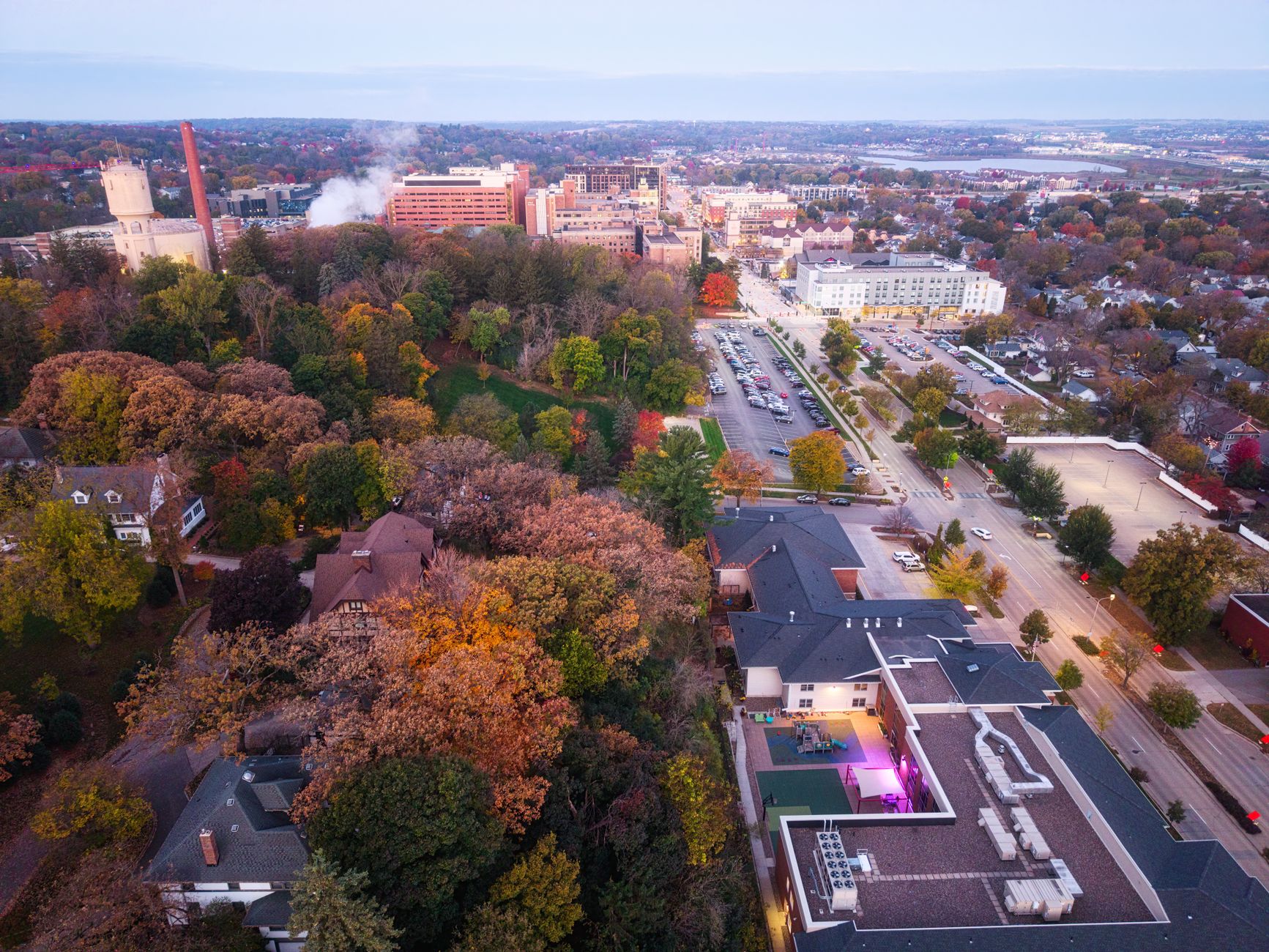
Dayton, Ohio, often flies under the radar when people think about affordable Midwestern cities. However, for those seeking a lower cost of living without sacrificing access to urban amenities, it presents a compelling case. As we look towards 2026, the question for many potential buyers and renters is not just if Dayton is affordable, but where exactly the best value can be found.
This post is for anyone considering a move to Dayton, whether you're a first-time homebuyer tired of soaring prices elsewhere, an investor looking for solid rental yields, or a family seeking more space for your budget. We'll cut through the noise and provide a data-driven look at the most affordable neighborhoods, complete with real numbers, honest pros and cons, and a clear recommendation to help you make your decision.
Cost of Living & Home Prices
Dayton remains a highly affordable city compared to national averages, though prices have seen a steady increase in recent years. As of early 2026 projections, the median home price within Dayton city limits hovers around $170,000. This is significantly lower than the national median, making homeownership a realistic goal for many. However, buyers should be aware that this median includes a wide range of properties, from fully renovated homes to those requiring substantial work.
Renters also find favorable conditions here. A 1-bedroom apartment typically ranges from $950 to $1,200 per month, while a 2-bedroom unit averages between $1,150 and $1,450, depending on location and amenities. Utility costs, including electricity, gas, water, and internet, generally run between $200 and $300 per month for an average household. Property taxes in Montgomery County, where Dayton is located, vary but an effective rate of around 1.7-2.0% of the home's assessed value is common, which is moderate compared to some other Ohio counties. The median household income in Dayton is approximately $43,000.

To put this into perspective, here’s a quick overview of key financial metrics:
| Metric | Dayton, OH (2026 Est.) |
|---|---|
| Median Home Price | $170,000 |
| Median 2-Bedroom Rent | $1,300/month |
| Median Household Income | $43,000 |
| Price-to-Rent Ratio | 10.9 (Very Favorable for Buying) |
Best Neighborhoods
When searching for affordability in Dayton, several neighborhoods stand out, offering different vibes and price points within the budget-friendly spectrum.
Belmont (ZIP 45420): Located in East Dayton, Belmont is a well-established area with a mix of housing styles, from brick ranches to two-story homes, many built between the 1940s and 1960s. Home prices here typically range from $140,000 to $200,000. It benefits from proximity to the University of Dayton and major thoroughfares like US-35, making commutes relatively easy. Belmont has a moderate Walk Score, generally in the 50s, meaning some errands can be accomplished on foot. It’s a good choice for families and first-time buyers looking for a community with some amenities and stable property values.
Linden Heights (ZIP 45410): Just south of Belmont, Linden Heights offers an even more budget-friendly entry point into homeownership. You can find homes here, often older but with good bones, for $100,000 to $160,000. It's characterized by tree-lined streets and a quiet, residential feel. While its Walk Score is typically lower (30s-40s), it offers quick access to shopping centers along Linden Avenue and the amenities of Belmont. This neighborhood is ideal for those prioritizing the absolute lowest cost of entry and willing to invest some sweat equity.
North Riverdale / Old North Dayton (ZIP 45405): Situated north of downtown, this area is undergoing significant revitalization efforts. It's a diverse neighborhood with a mix of historic homes, some needing extensive work, and recently renovated properties. Prices are among the lowest in the city, often ranging from $70,000 to $130,000. Its Walk Score varies widely by block but can reach the 60s in more commercial pockets. It offers excellent access to I-75 and is close to amenities along North Main Street. This area is particularly attractive to investors or handy buyers looking for significant upside potential.
Schools
The Dayton Public Schools (DPS) district serves most of the affordable neighborhoods in the city. Historically, DPS has faced significant challenges, and its overall performance lags behind state averages. On a scale of 1 to 10, the district generally scores in the 3-4 range based on state report card data, particularly concerning academic proficiency and growth.
However, it's important to look beyond the overall district score. DPS does offer some magnet programs and specialized schools that stand out, such as Stivers School for the Arts (grades 7-12), which is highly regarded for its arts curriculum. There are also efforts underway to improve individual school performance through community partnerships and focused initiatives. For families prioritizing top-tier public schools, this is a significant trade-off for the affordability Dayton offers. Many families who can afford to do so opt for private schools or move to surrounding suburban districts like Oakwood or Kettering, which have stronger school systems but significantly higher housing costs.
Safety
Safety is a critical consideration for anyone moving to a new city, and Dayton presents a mixed picture. The city's crime rates, particularly for property crime and certain types of violent crime, are generally higher than both the Ohio state average and the national average. This is a frank reality that prospective residents must acknowledge.
Certain areas, particularly parts of West Dayton and some specific blocks within the central city, tend to have higher concentrations of crime. However, it's crucial to understand that crime is often localized. Neighborhoods like Belmont and Linden Heights, while not immune to crime, generally experience lower rates compared to other parts of the city and are often perceived as more stable. North Riverdale/Old North Dayton is a more transitional area, and while revitalization efforts are underway, crime can still be a concern in certain pockets. Researching specific block-by-block crime statistics is highly recommended when evaluating homes in any Dayton neighborhood.
Job Market
Dayton's job market is robust in specific sectors, largely influenced by its historical industrial roots and key institutional anchors. The largest employer by far is Wright-Patterson Air Force Base (WPAFB), located just northeast of the city. WPAFB is a massive economic engine, employing tens of thousands in aerospace, defense, research, and engineering roles, with many commuters traveling from Dayton. Beyond the base, healthcare is a dominant sector, with major employers like Premier Health (Miami Valley Hospital, Good Samaritan) and Kettering Health Network providing thousands of jobs.
Other significant industries include manufacturing (though less dominant than historically), logistics and distribution (benefitting from Dayton's central location in Ohio), and education, anchored by institutions like the University of Dayton and Wright State University. While remote work opportunities are growing nationally and locally, a substantial portion of Dayton's workforce is still tied to these traditional on-site sectors. The median individual income in Dayton is lower than the national average, reflecting a job market that, while stable in key areas, also includes many lower-wage service and manufacturing positions.
The Verdict
Dayton, OH, undeniably offers some of the most affordable housing options in the Midwest, particularly as we head into 2026. However, this affordability often comes with trade-offs in areas like school quality and, in some neighborhoods, higher crime rates.
If you are a first-time homebuyer prioritizing the absolute lowest cost of entry and are comfortable with an older home that might need some TLC, Linden Heights (ZIP 45410) or North Riverdale/Old North Dayton (ZIP 45405) are your best bets. These areas offer incredible value per square foot, making homeownership a tangible reality for those on a tight budget, but require careful due diligence regarding specific blocks and local amenities. If you're looking for a slightly more established feel with a bit more stability and still excellent affordability, Belmont (ZIP 45420) is a strong contender. It offers a good balance of reasonable prices, relatively stable communities, and better access to amenities. For investors, North Riverdale/Old North Dayton presents significant rental yield potential due to low acquisition costs and ongoing revitalization. Just be realistic about the realities of the local school system if you have children or are planning to, and always thoroughly research specific streets for safety concerns before committing.
Explore neighborhood-by-neighborhood data on WYLT: Dayton, OH (Dayton).
Get the full data-driven report on any neighborhood at WYLT's neighborhood finder.