If you're leaving a one-bedroom in Manhattan or Brooklyn for "more space in New Jersey," two names come up constantly in the same breath: Maplewood and South Orange. They're neighbors — literally bordering each other along the same NJ Transit Morris & Essex Line — and both have built reputations as the suburbs where city transplants land without feeling like they've left civilization behind.
Both towns currently earn a "Settle here" verdict in WYLT's data, which is rare — most reviewed ZIPs in this price range land on "Good for now" or "Think twice." So this isn't really a "which one is good" comparison. Both are good. It's a "which one is worth about $130,000 more" comparison.
The 30-second version
Choose Maplewood if: You want the lower entry price, a slightly more walkable downtown village, and schools that are already excellent — just not quite South Orange's tier.
Choose South Orange if: The extra ~$130K is worth it for the highest school rating in this comparison, the lowest property crime profile, and a downtown anchored by a Seton Hall University presence and a direct NJ Transit/Midtown Direct station.
Cost of living
This is the most significant gap between the two towns. Maplewood's reviewed ZIP (07040) has a median home price of $638,000. South Orange (07079) comes in at $769,100 — a difference of $131,100, or roughly 20% more.
Rent follows the same pattern: Maplewood's median rent is $1,990/month, while South Orange runs $2,186/month, about $196 more. Median household income is closer than the price gap suggests — $165,681 in Maplewood versus $173,012 in South Orange — which tells you the price difference isn't purely a function of who lives there. It's also about what each downtown offers and how the housing stock is priced.
Commute to NYC
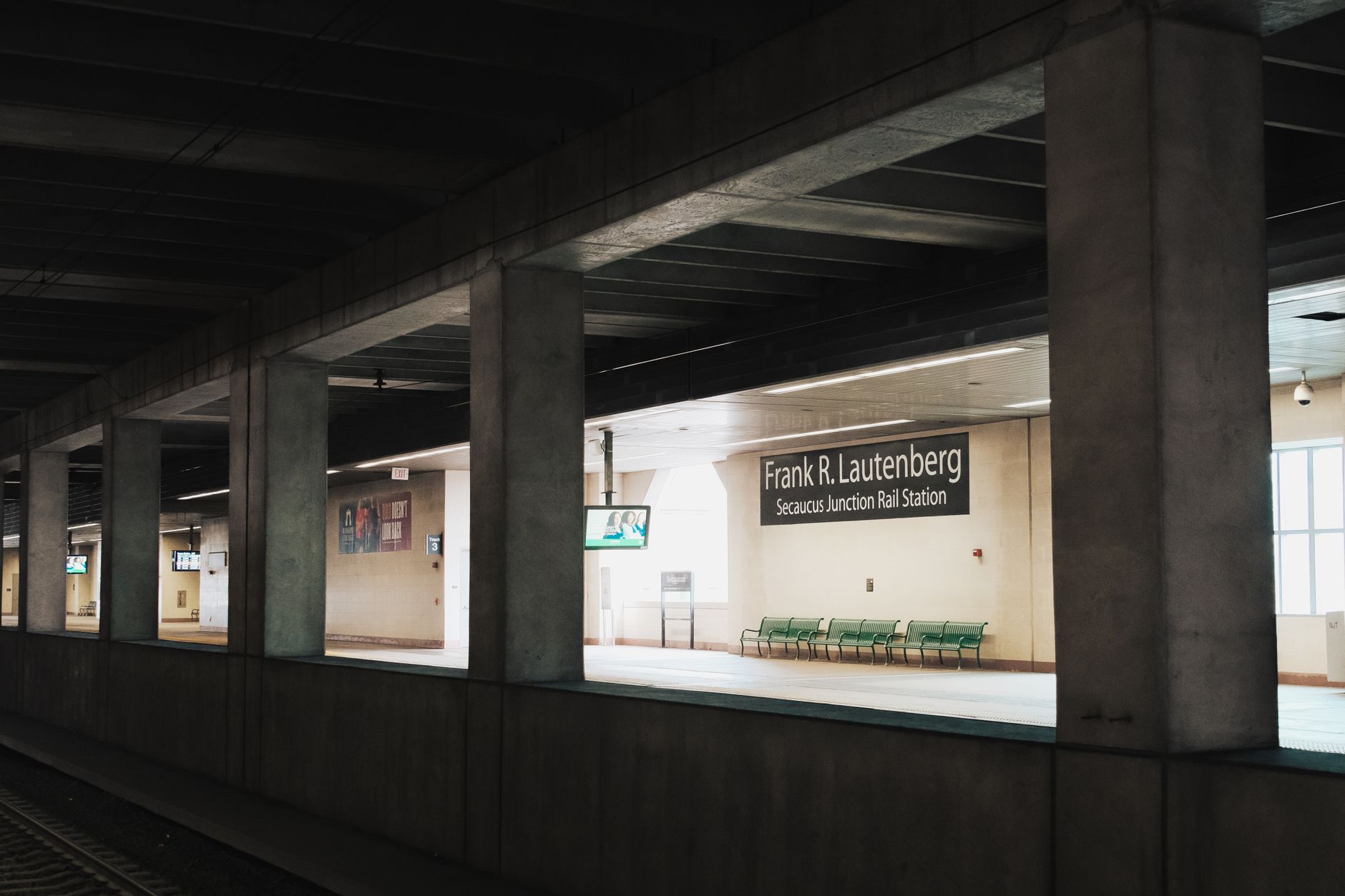
This is essentially a tie. WYLT's data puts Maplewood's average commute to Midtown Manhattan at 38 minutes and South Orange's at 37 minutes — a one-minute difference that's well within normal day-to-day variance. Both stations sit on the same line, and during peak hours both get Midtown Direct trains that go straight into Penn Station without a transfer. If commute time is your deciding factor, it isn't one here.
Schools
South Orange pulls ahead here, with a school rating of 8.8 — the highest of any ZIP in this comparison — versus Maplewood's 8.2. Both numbers are excellent by any national standard (most of WYLT's reviewed ZIPs nationwide fall between 6 and 7.5), so this isn't a case of "good schools vs. bad schools." It's "very good vs. exceptional." For context, both towns share the same regional high school district (Columbia High School), so the difference shows up more at the elementary and middle school level.
Safety
Both towns carry a "Low" violent crime rating and a "Low" flood risk (both sit in flood zone X, the lowest-risk designation). The real difference is in property crime: South Orange rates "Low", while Maplewood rates "Moderate." Neither is alarming — these are still safe, low-crime suburbs by any measure — but if property crime specifically is something you weigh heavily, South Orange has a slight edge.
What WYLT's data shows
- 07040 (Maplewood) — Settle here: Median home $638,000, median rent $1,990, median household income $165,681, walk score 13, bike score 25, schools 8.2, commute 38 minutes to Midtown Manhattan, low flood risk, low violent crime, moderate property crime.
- 07079 (South Orange) — Settle here: Median home $769,100, median rent $2,186, median household income $173,012, walk score 0, schools 8.8 — the highest in this comparison — commute 37 minutes to Midtown Manhattan, low flood risk, low violent crime, low property crime.
Both towns post low walk scores in WYLT's data, which reflects the ZIP as a whole rather than each town's walkable village center — Maplewood Village and South Orange's downtown (anchored by Seton Hall University and the train station) are both genuinely walkable cores surrounded by car-dependent residential streets. The ZIP-wide score is dragged down by the residential majority, not a reflection of the downtown experience.
Lifestyle and things to do
Maplewood Village is a compact downtown with a well-known restaurant scene for a town its size — its summer outdoor dining and weekly farmers market are local fixtures, and the town has a reputation for being one of the more racially and economically diverse suburbs in this part of New Jersey.
South Orange's downtown is shaped by Seton Hall University's presence, which adds a college-town energy (a performing arts center, lectures, and events open to the public) that Maplewood doesn't have. South Orange also borders the South Mountain Reservation, giving it easier access to hiking trails and green space than most NJ Transit suburbs this close to the city.
The verdict
Both towns earning "Settle here" verdicts means there's no wrong answer here — these are two of the better-reviewed ZIPs in WYLT's entire New Jersey dataset. The question is really whether South Orange's edges — an 8.8 school rating, lower property crime, and a college-town downtown — are worth $131,100 more on the median home price and about $200 more a month in rent.
If budget is the priority and you're comfortable with "excellent" schools rather than "exceptional," Maplewood gets you onto the same train line, into the same town-with-a-walkable-center lifestyle, for meaningfully less money. If the highest possible school rating and the lowest crime profile in the comparison are worth the premium — and for many families moving from the city specifically for schools, they are — South Orange is the stronger pick, and the commute difference won't factor in either way.