Everett, WA, situated about 25 miles north of Seattle, has seen significant growth in recent years, driven by its strategic location, diverse economy, and relatively more affordable housing compared to its southern neighbor. For potential homebuyers considering Everett as their next destination, understanding the current state of the housing market is crucial. The question on everyone's mind is whether Everett's housing market still offers a good balance of affordability and quality of life.
As of 2026, prospective buyers are navigating a complex landscape shaped by rising interest rates, evolving workforce dynamics, and the enduring appeal of the Pacific Northwest. This post aims to delve into the specifics of Everett's real estate market, including home prices, the best neighborhoods, school district ratings, safety concerns, and the local job market. By examining these factors, we can paint a clearer picture of what it means to invest in a home in Everett today.
Cost of Living & Home Prices
The cost of living in Everett is notably lower than in Seattle, which has been a major draw for people looking to escape the high prices of the larger city. However, prices in Everett have been steadily increasing over the past few years. The median home price in Everett is around $640,000, with median rent for a 2-bedroom apartment hovering around $1,800 per month.
To give a clearer picture, here is a breakdown of some key statistics:
| Statistic | Value |
|---|---|
| Median Home Price | $640,000 |
| Median Rent (2-bedroom) | $1,800/month |
| Median Household Income | $83,000 |
| Price-to-Rent Ratio | 29 |
Utilities and taxes also play a significant role in the overall cost of living. The average utility bill for a 900 sq. ft. apartment is around $150 per month, and property taxes are approximately 0.93% of the home's value annually.
Best Neighborhoods
Everett boasts a variety of neighborhoods, each with its unique character and advantages. The Port Gardner neighborhood, with its walk score of 82, offers a mix of historic homes and newer constructions, priced between $450,000 to $700,000. Another desirable area is the Downtown Everett neighborhood, which has seen significant revitalization efforts and offers a range of housing options, including apartments and condos, with prices starting from $300,000.
The Lowell neighborhood, known for its family-friendly environment and good schools, has home prices ranging from $500,000 to over $1 million. For those looking for more affordable options, the Cascade View neighborhood offers homes in the $350,000 to $550,000 range, though it's a bit further from the city center.
Each of these neighborhoods has its pros and cons, including commute times, access to amenities, and community engagement. For instance, Downtown Everett is close to major employers and has a thriving arts scene but can be noisier and more crowded. In contrast, neighborhoods like Lowell offer a quieter, more suburban feel but require longer commutes to job centers.
Schools
The Everett School District serves the city, with several schools receiving high ratings. The district as a whole has a rating of 7 out of 10, according to recent reports. Some of the top-rated schools include Forest Park Elementary School, rated 9/10, and Everett High School, with a rating of 8/10.
While the school district faces challenges, such as overcrowding and funding issues, it has also implemented innovative programs and seen improvements in student outcomes. For families, the quality of schools is a crucial factor in deciding where to live, making districts like Everett's an important consideration.
Safety
Like many cities, Everett experiences its share of crime, though rates have been trending downward in recent years. Neighborhoods closer to the city center tend to have higher crime rates compared to the outlying areas. The Port Gardner and Downtown areas have seen instances of property crime and occasional violent crime, while neighborhoods like Lowell are generally considered safer.
Prospective residents should be aware of these dynamics and take typical precautions to ensure their safety, such as being mindful of their surroundings, especially at night, and keeping valuables secure. Despite these concerns, many parts of Everett are considered safe and are experiencing revitalization efforts aimed at improving community safety and cohesion.
Job Market
Everett's economy is diverse, with major industries including aerospace (Boeing has a significant presence), healthcare, and technology. The city is also home to the Naval Station Everett, which contributes to the local economy. Additionally, with the rise of remote work, Everett has become an attractive option for those who can work from anywhere, offering a better quality of life without the need for a long commute to Seattle.
Some of the major employers in the area include Boeing, Providence Regional Medical Center, and the State of Washington. The median household income in Everett is around $83,000, reflecting the city's strong job market and economic growth. However, like many areas, Everett faces challenges such as traffic congestion and the need for more affordable housing options for low- and moderate-income families.
The Verdict
If you're considering moving to Everett, WA, for its relative affordability and quality of life, now might be a good time to take the plunge. The city offers a range of housing options, from affordable apartments to single-family homes in desirable neighborhoods. However, it's essential to weigh the pros and cons, including commute times, school district quality, and safety.
For first-time buyers prioritizing affordability and a shorter commute, neighborhoods like Cascade View or the outskirts of Downtown Everett might be the best bet. Families with school-aged children may want to focus on areas like Lowell, which offers highly rated schools and a more suburban lifestyle. Ultimately, Everett presents a compelling option for those seeking a Pacific Northwest lifestyle without the high costs of Seattle, but buyers must navigate the market carefully to find the best fit for their needs and budget.
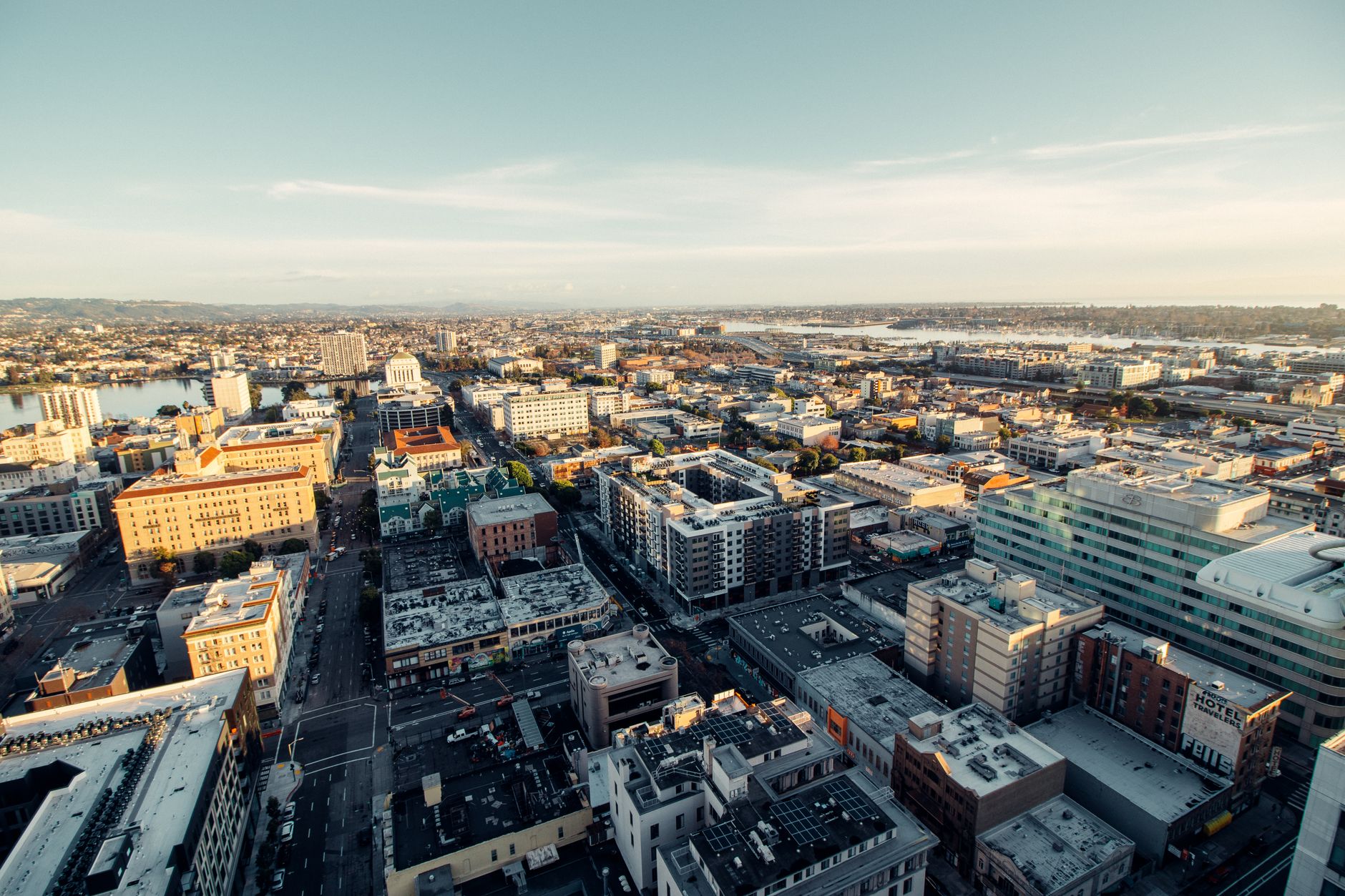
Explore neighborhood-by-neighborhood data on WYLT: Everett, WA (Everett).
Get the full data-driven report on any neighborhood at WYLT's neighborhood finder.