If you're considering moving to North Carolina, two cities that often come up in conversation are Durham and Raleigh. Both cities are part of the Research Triangle and offer a unique blend of culture, education, and job opportunities. However, when it comes to safety, which city comes out on top? In this article, we'll compare Durham and Raleigh side by side, looking at crime data, neighborhoods, schools, and more to help you decide which city is the best fit for you.
Before we dive in, it's worth noting that both cities have their pros and cons. Durham is known for its vibrant arts and culture scene, while Raleigh is often praised for its thriving tech industry. But when it comes to safety, the numbers tell a different story. According to the FBI's Uniform Crime Reporting (UCR) Program, Raleigh had a lower overall crime rate in 2026, with 2,500 incidents per 100,000 residents compared to Durham's 3,200 incidents per 100,000 residents.
Cost of Living
The cost of living in Durham and Raleigh can vary significantly depending on the neighborhood and lifestyle. The median home price in Durham is around $340,000, while in Raleigh it's around $380,000. Rent prices are also higher in Raleigh, with the average 1-bedroom apartment costing $1,200 per month compared to $1,000 per month in Durham.
Here's a comparison table to give you a better idea of the cost of living in both cities:
| Category | Durham | Raleigh |
|---|---|---|
| Median Home Price | $340,000 | $380,000 |
| Median Rent | $1,000/month | $1,200/month |
| Median Household Income | $63,000 | $73,000 |
| Cost of Living Index | 94.3 | 97.2 |
As you can see, Raleigh has a slightly higher cost of living index, which takes into account the cost of groceries, transportation, and other necessities. However, the median household income is also higher in Raleigh, which may help offset the increased costs.
Job Market & Economy
Both Durham and Raleigh have strong job markets, with major industries in tech, healthcare, and education. In Durham, some of the top employers include Duke University, Duke Health, and IBM. In Raleigh, major employers include Red Hat, Cisco Systems, and the State of North Carolina.
The unemployment rate in Raleigh is slightly lower, at 3.5% compared to Durham's 4.1%. However, Durham has a growing number of startups and small businesses, which may provide more opportunities for entrepreneurs and remote workers. For example, the Downtown Durham area is home to a number of coworking spaces and incubators, including the Durham Startup Accelerator.
Raleigh, on the other hand, has a more established tech industry, with companies like SAS Institute and Research Triangle Park (RTP) providing a hub for innovation and job growth. The NC State University area is also a hotspot for startups and entrepreneurship, with a number of resources available for students and alumni.
Neighborhoods
Both Durham and Raleigh have a range of neighborhoods to choose from, each with their own unique character and amenities. In Durham, some popular neighborhoods include:
- Downtown Durham: a vibrant area with a mix of old and new buildings, home to many restaurants, bars, and cultural attractions.
- Trinity Park: a historic neighborhood with beautiful homes and tree-lined streets, just a short walk from Duke University.
- Hope Valley: a family-friendly neighborhood with a mix of old and new homes, known for its excellent schools and community events.
In Raleigh, some popular neighborhoods include:
- Downtown Raleigh: a bustling area with a mix of office buildings, restaurants, and entertainment venues, home to the Raleigh Convention Center and the Red Hat Amphitheater.
- Cameron Village: a charming neighborhood with a mix of old and new homes, known for its walkability and proximity to the Raleigh Little Theater.
- North Raleigh: a suburban neighborhood with a mix of single-family homes and townhouses, known for its excellent schools and community parks.
Safety
As mentioned earlier, Raleigh had a lower overall crime rate in 2026, with 2,500 incidents per 100,000 residents compared to Durham's 3,200 incidents per 100,000 residents. However, it's worth noting that crime rates can vary significantly depending on the neighborhood and location.
In Durham, some of the safest neighborhoods include Hope Valley and Trinity Park, which have low crime rates and a strong sense of community. In Raleigh, some of the safest neighborhoods include North Raleigh and Cameron Village, which have low crime rates and excellent schools.
Schools
Both Durham and Raleigh have excellent school districts, with a range of options for families. In Durham, the Durham Public Schools district has a rating of 7/10, with some top-ranked schools including:
- Carrington Middle School: a magnet school with a focus on arts and humanities, rated 9/10.
- City of Medicine Academy: a public high school with a focus on healthcare and biotechnology, rated 8/10.
- Hope Valley Elementary: a highly-rated elementary school with a strong focus on STEM education, rated 9/10.
In Raleigh, the Wake County Public School System has a rating of 8/10, with some top-ranked schools including:
- Needham B. Broughton High School: a public high school with a focus on arts and humanities, rated 9/10.
- William G. Enloe High School: a public high school with a focus on STEM education and magnet programs, rated 9/10.
- Green Hope Elementary: a highly-rated elementary school with a strong focus on literacy and math education, rated 9/10.
Lifestyle & Things to Do
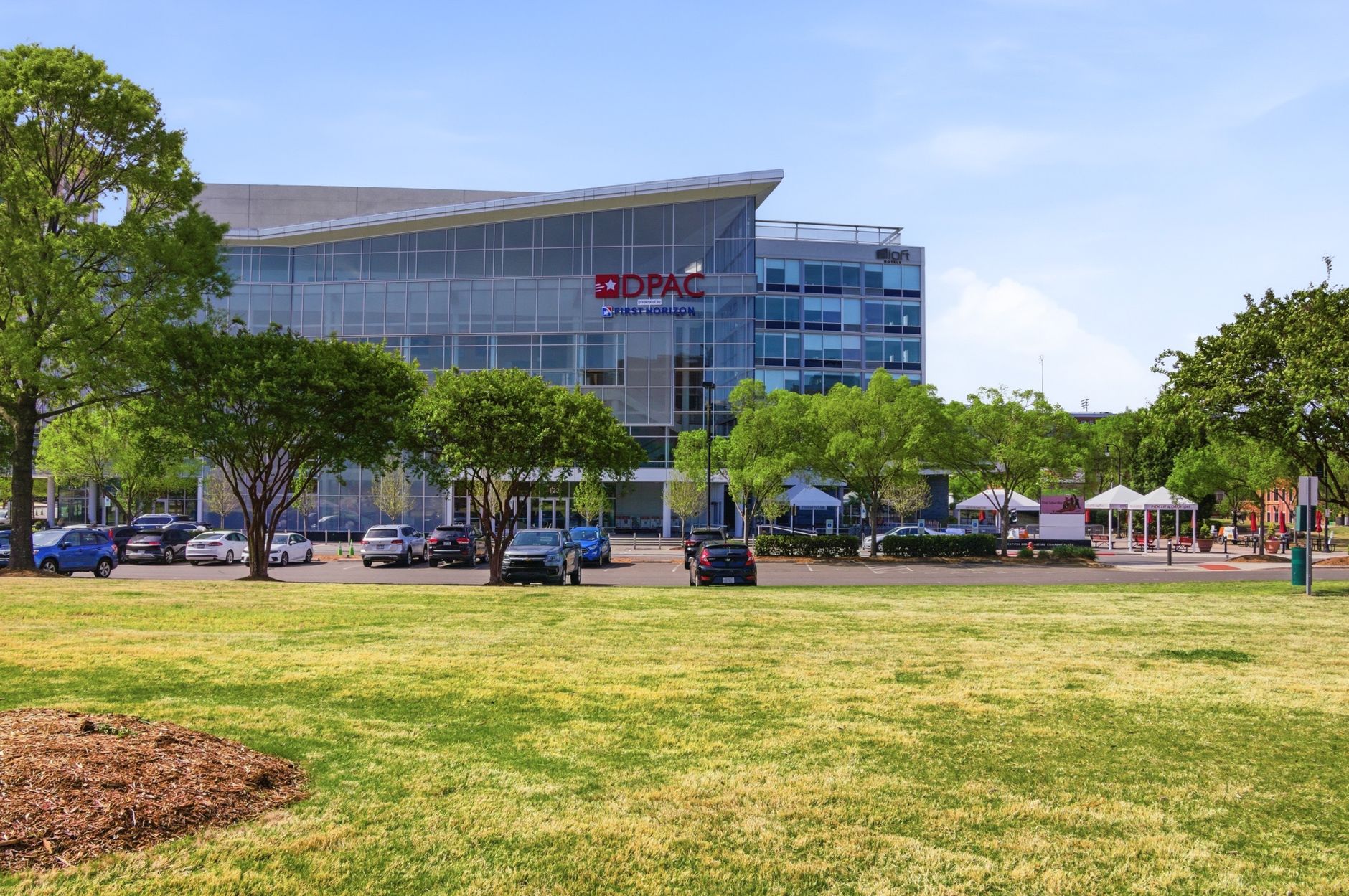
Both Durham and Raleigh have a range of cultural attractions and activities to enjoy. In Durham, some popular spots include the Durham Performing Arts Center, the Nasher Museum of Art, and the Durham Bulls Athletic Park. Raleigh, on the other hand, is home to the North Carolina Museum of Art, the Raleigh Little Theater, and the Red Hat Amphitheater.
The climate in both cities is similar, with hot summers and mild winters. However, Raleigh tends to be slightly cooler in the winter months, with an average temperature of 42°F in January compared to Durham's 45°F.

The Verdict
So, which city is safer? Based on the numbers, Raleigh appears to have a slight edge when it comes to crime rates. However, both cities have their own unique character and attractions, and the decision ultimately comes down to your individual priorities and lifestyle.
If you're a family prioritizing schools, Raleigh may be the better choice, with its top-ranked school district and excellent educational opportunities. On the other hand, if you're a young professional or remote worker looking for a more vibrant cultural scene and lower cost of living, Durham may be the way to go.
Ultimately, the choice between Durham and Raleigh depends on what you're looking for in a city. With their unique blend of culture, education, and job opportunities, both cities are excellent choices for anyone looking to relocate to the Research Triangle area.
Get the full data-driven report on any neighborhood at WYLT's neighborhood finder.