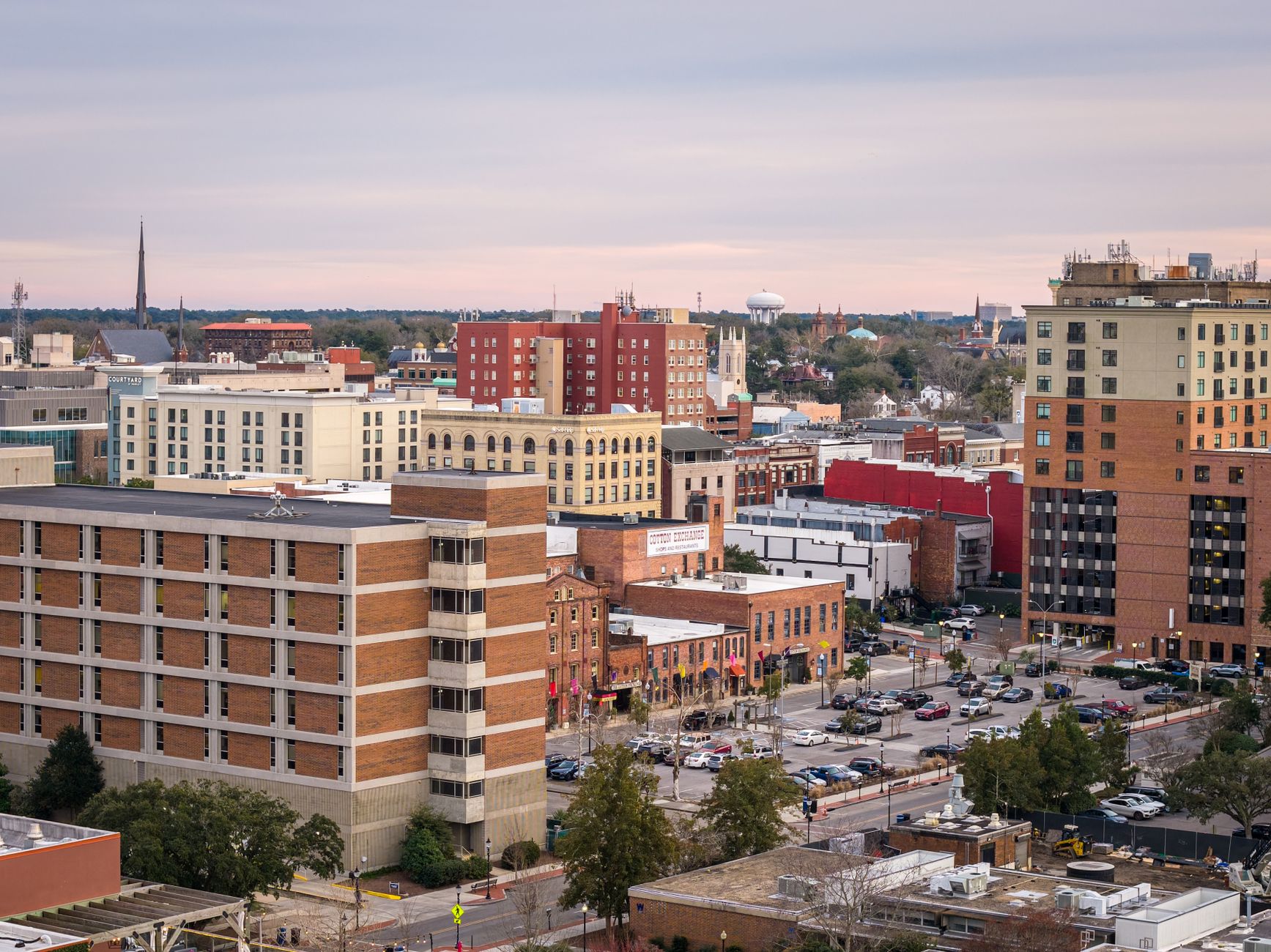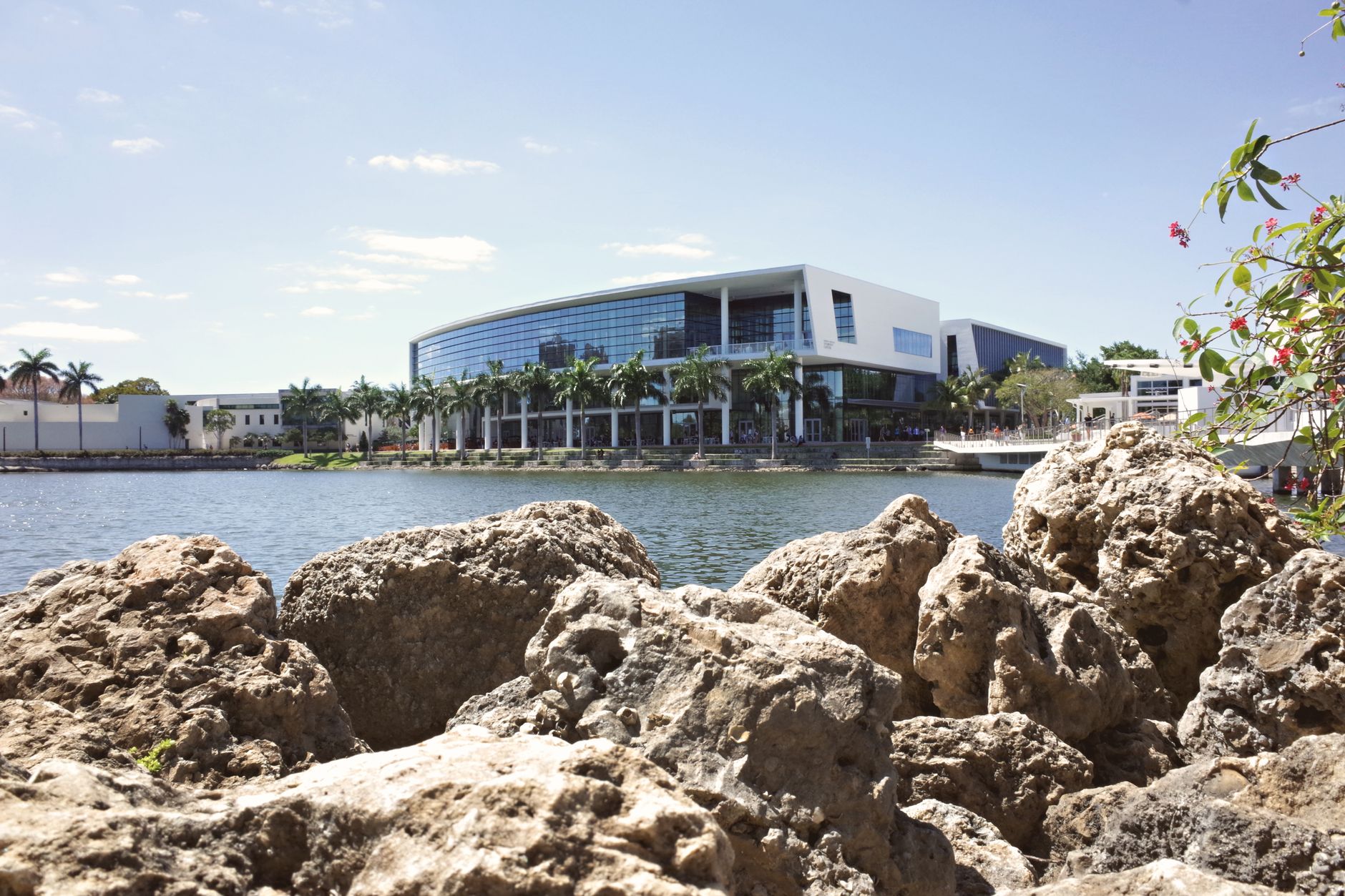
When deciding between Cape Coral and Jacksonville, two of Florida's most populous cities, it's essential to consider various factors that can significantly impact your quality of life. Both cities have their unique advantages and disadvantages, and understanding these differences is crucial for making an informed decision. Cape Coral, located in southwestern Florida, offers a more relaxed atmosphere and a growing economy, while Jacksonville, in northeastern Florida, boasts a larger job market and a diverse range of cultural activities.
For individuals and families considering a move to either Cape Coral or Jacksonville, this comparison aims to provide a detailed analysis of the cost of living, job market, neighborhoods, safety, schools, and lifestyle in both cities. By examining these factors, you'll be better equipped to decide which city aligns with your priorities and preferences. Whether you're a remote worker, a family with young children, or an individual seeking new career opportunities, this comparison will help you make a more informed decision.
Cost of Living
The cost of living in Cape Coral and Jacksonville differs significantly. Cape Coral has a lower cost of living index, with a median home price of around $340,000 and median rent of $1,400 per month. In contrast, Jacksonville's median home price is approximately $290,000, and the median rent is $1,200 per month. However, utilities and taxes in Jacksonville are slightly higher than in Cape Coral.
A comparison of the cost of living in both cities is presented in the table below:
| Category | Cape Coral | Jacksonville |
|---|---|---|
| Median Home Price | $340,000 | $290,000 |
| Median Rent | $1,400/month | $1,200/month |
| Median Household Income | $63,000 | $54,000 |
| Cost of Living Index | 94.3 | 97.2 |
It's essential to note that while Jacksonville's housing costs are lower, Cape Coral's higher median household income may offset the difference in housing expenses. Additionally, Cape Coral's lower cost of living index can result in lower expenses for groceries, transportation, and utilities.
Job Market & Economy
Cape Coral's economy is driven by industries such as healthcare, tourism, and construction, with major employers including Cape Coral Hospital and the City of Cape Coral. The city's unemployment rate is around 3.5%, which is lower than the national average. Jacksonville's economy, on the other hand, is more diverse, with major industries including finance, logistics, and healthcare. The city is home to companies such as Bank of America, CSX, and Mayo Clinic. Jacksonville's unemployment rate is slightly higher, at 4.2%.
For remote workers, both cities offer a range of coworking spaces and a relatively low cost of living. However, Jacksonville's larger size and more extensive job market may provide more opportunities for networking and career advancement. Cape Coral, with its smaller size and growing economy, may offer a more entrepreneurial atmosphere and a lower cost of doing business.
Neighborhoods
Cape Coral's neighborhoods, such as Pelican and Southwest Cape Coral, offer a range of housing options, from affordable single-family homes to luxury waterfront properties. The city's walk score is relatively low, with most residents relying on cars for transportation. Jacksonville's neighborhoods, such as Riverside and San Marco, offer a more urban atmosphere, with a higher walk score and a greater range of cultural and entertainment options.
In terms of prices, Cape Coral's neighborhoods tend to be more affordable, with median home prices ranging from $250,000 to $400,000. Jacksonville's neighborhoods, while still relatively affordable, have median home prices ranging from $200,000 to $500,000. The character of each neighborhood also varies, with Cape Coral's neighborhoods often having a more suburban feel and Jacksonville's neighborhoods having a more urban, eclectic atmosphere.
Safety
<1 per 100,000 residents.1 per 100,000 residents. In Cape Coral, areas to avoid include the northwest part of the city, which has higher crime rates. In Jacksonville, areas such as the urban core and the north side tend to have higher crime rates.It's essential to note that while crime rates are an important factor in deciding where to live, they can vary significantly within each city. Researching specific neighborhoods and crime statistics can provide a more accurate understanding of the safety of each area.
Schools
Cape Coral's schools are part of the Lee County School District, which has a rating of 6 out of 10. The district includes top-rated schools such as Cape Coral High School and Gulf Elementary School. Jacksonville's schools are part of the Duval County School District, which has a rating of 5 out of 10. The district includes top-rated schools such as Stanton College Preparatory and Paxon School for Advanced Studies. Both cities also offer private school options, with tuition ranges from $5,000 to $15,000 per year.
In terms of school district ratings, Lee County has a slightly higher rating than Duval County. However, both districts have their strengths and weaknesses, and researching specific schools and their ratings can provide a more accurate understanding of the quality of education in each area.
Lifestyle & Things to Do
Cape Coral and Jacksonville offer different lifestyles and activities. Cape Coral is known for its outdoor recreational opportunities, including boating, fishing, and hiking. The city has a range of parks, including the Cape Coral Parkway and the Four Mile Cove Ecological Preserve. Jacksonville, on the other hand, has a more urban atmosphere, with a range of cultural and entertainment options, including the Riverside Arts Market and the Jacksonville Zoo and Gardens.
In terms of climate, both cities have a subtropical climate, with hot summers and mild winters. However, Jacksonville's climate is slightly cooler, with average temperatures ranging from 45°F to 90°F. Cape Coral's average temperatures range from 50°F to 95°F. The restaurant scenes in both cities are also unique, with Cape Coral offering a range of seafood restaurants and Jacksonville offering a more diverse range of cuisines, including Southern, Latin American, and Asian.

The Verdict
Ultimately, the decision between Cape Coral and Jacksonville depends on your individual priorities and preferences. If you're a family prioritizing schools, Cape Coral's slightly higher-rated school district may be the better choice. However, if you're a remote worker or an individual seeking a more urban atmosphere and a larger job market, Jacksonville's diverse economy and cultural activities may make it the better choice.
For those who value a more relaxed atmosphere and outdoor recreational opportunities, Cape Coral's unique character and natural beauty may be the deciding factor. On the other hand, for those who prefer a more fast-paced lifestyle and a wider range of cultural and entertainment options, Jacksonville's urban atmosphere and scenic beauty may be the better fit. In conclusion, while both cities have their advantages and disadvantages, Jacksonville's diverse economy, cultural activities, and urban atmosphere make it the better choice for most individuals and families.
Get the full data-driven report on any neighborhood at WYLT's neighborhood finder.