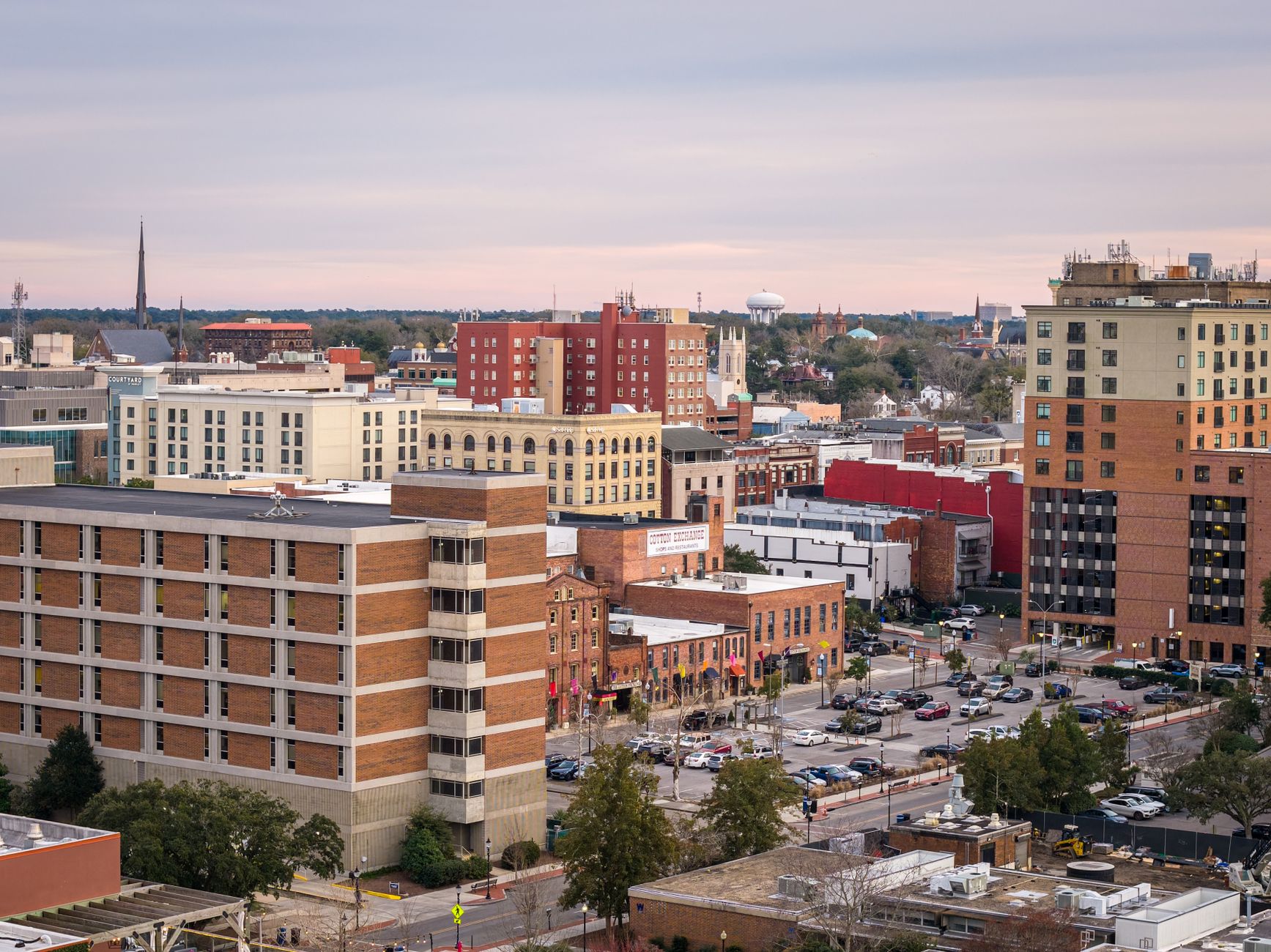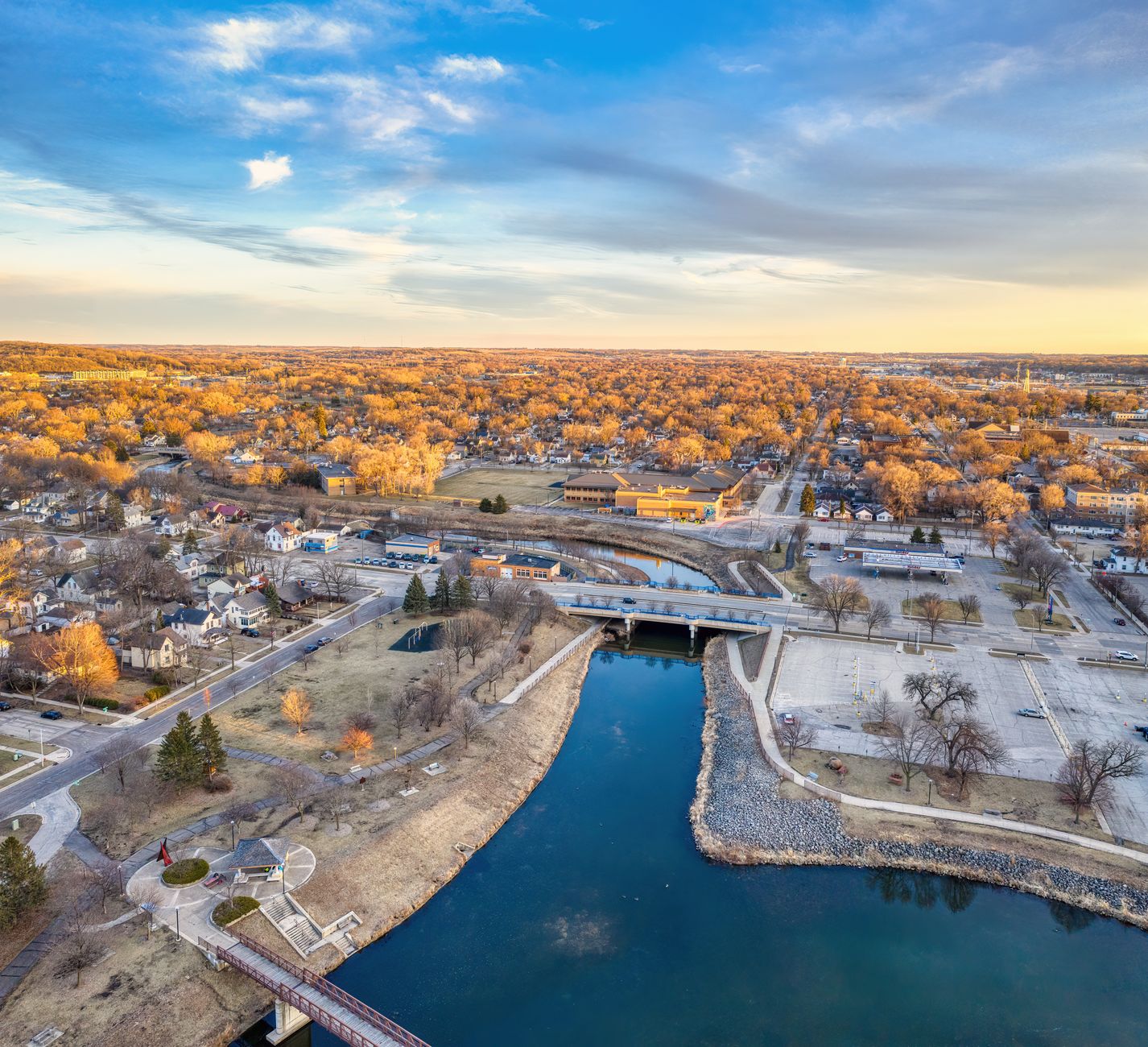
When it comes to deciding between Lincoln and Omaha for young professionals in 2026, there are several factors to consider. Both cities offer unique benefits and drawbacks, and the right choice for you will depend on your individual priorities and lifestyle. In this comparison, we'll explore the cost of living, job market, neighborhoods, safety, schools, and lifestyle in both cities to help you make an informed decision.
Lincoln and Omaha are both located in the state of Nebraska, but they have distinct personalities and advantages. Lincoln is home to the University of Nebraska-Lincoln, a major research institution that drives innovation and economic growth in the area. Omaha, on the other hand, is a larger city with a more diverse economy and a rich cultural scene. Whether you're looking for a vibrant downtown area or a more laid-back college town atmosphere, one of these cities is likely to appeal to you.
Cost of Living
The cost of living in Lincoln and Omaha is relatively low compared to other major cities in the United States. However, there are some key differences between the two cities that can impact your budget. In Lincoln, the median home price is around $240,000, while in Omaha it's closer to $280,000. Rent ranges are also slightly higher in Omaha, with the average one-bedroom apartment costing around $1,100 per month compared to $950 in Lincoln.
Here's a comparison table to help illustrate the cost of living differences between Lincoln and Omaha:
| Category | Lincoln | Omaha |
|---|---|---|
| Median Home Price | $240,000 | $280,000 |
| Median Rent | $950 | $1,100 |
| Median Household Income | $63,000 | $73,000 |
| Cost of Living Index | 91.7 | 94.3 |
As you can see, Omaha has a slightly higher cost of living index than Lincoln, but both cities are still relatively affordable compared to other major metropolitan areas. Utilities and taxes are also similar between the two cities, with the average utility bill ranging from $150 to $250 per month and property taxes averaging around 1.5% to 2% of the home's value.
Job Market & Economy
The job market in Lincoln and Omaha is strong, with a mix of industries driving economic growth in both cities. In Lincoln, major employers include the University of Nebraska-Lincoln, the State of Nebraska, and Bryan Health. Omaha is home to a more diverse range of industries, including finance, technology, and healthcare, with major employers like Warren Buffett's Berkshire Hathaway, Mutual of Omaha, and CHI Health.
The unemployment rate in both cities is relatively low, with Lincoln averaging around 2.5% and Omaha at 2.8%. Remote work viability is also a factor to consider, with both cities offering a range of coworking spaces and coffee shops with reliable internet. However, Omaha's larger size and more extensive network of professionals may give it an edge in terms of job opportunities and career advancement.
Median salaries in Lincoln range from $45,000 to $80,000 per year, depending on the industry and level of experience. In Omaha, median salaries are slightly higher, ranging from $50,000 to $90,000 per year. Overall, both cities offer a strong job market with opportunities for growth and advancement.
Neighborhoods
Both Lincoln and Omaha have a range of unique neighborhoods to choose from, each with its own character and advantages. In Lincoln, some popular neighborhoods include the Historic Haymarket District, which offers a mix of old and new buildings and a vibrant nightlife scene, and the downtown area, which is home to a range of restaurants, shops, and entertainment venues. The ZIP code 68508 is particularly popular among young professionals, with its proximity to downtown and the university.
In Omaha, neighborhoods like the Old Market District and the Aksarben Village offer a similar blend of old and new, with historic buildings, trendy restaurants, and upscale shops. The suburb of Millard, with its highly rated schools and family-friendly atmosphere, is also a popular choice for families and professionals looking for a more laid-back lifestyle. The commute time from Millard to downtown Omaha is around 20-30 minutes, depending on traffic.
Walk scores in both cities vary depending on the neighborhood, but overall, Lincoln has a more compact downtown area with a higher walk score, averaging around 80-90. Omaha's downtown area has a slightly lower walk score, around 70-80, but still offers a range of pedestrian-friendly amenities and attractions.
Safety
Safety is an important consideration for anyone moving to a new city, and both Lincoln and Omaha have their own unique safety profiles.
However, both cities have areas that are considered safer than others. In Lincoln, neighborhoods like the Historic Haymarket District and the downtown area are generally well-lit and heavily patrolled, with a strong police presence. In Omaha, areas like the Old Market District and the suburb of Millard are also considered safe, with low crime rates and a strong sense of community.
Areas to avoid in Lincoln include the northern part of the city, near the intersection of Cornhusker Highway and 27th Street, which has a higher crime rate and more traffic congestion. In Omaha, areas like the southern part of the city, near the intersection of 24th Street and Vinton Street, have a higher crime rate and should be approached with caution.
Schools
Both Lincoln and Omaha have highly rated school districts, with a range of public and private options available. In Lincoln, the Lincoln Public Schools district has a rating of 8 out of 10, with top schools like Lincoln High School and Irving Middle School. The University of Nebraska-Lincoln is also a major draw for students, with its strong programs in engineering, business, and agriculture.
In Omaha, the Omaha Public Schools district has a rating of 7 out of 10, with top schools like Millard North High School and Omaha Central High School. The University of Nebraska at Omaha is also a popular choice for students, with its strong programs in business, education, and the arts. Private schools like Brownell Talbot and Marian High School offer alternative options for families who prefer a more personalized education.
Overall, both cities offer a range of high-quality educational options, from public schools to private schools and universities. However, Lincoln's strong public schools and proximity to the University of Nebraska-Lincoln may give it an edge in terms of educational opportunities.
Lifestyle & Things to Do
Both Lincoln and Omaha offer a range of lifestyle options and things to do, from outdoor recreation to cultural attractions. In Lincoln, popular activities include hiking and biking at Pioneers Park, attending Huskers games at Memorial Stadium, and exploring the historic Haymarket District. The city also has a thriving arts scene, with numerous galleries and museums like the Sheldon Museum of Art.
In Omaha, popular activities include visiting the Henry Doorly Zoo and Aquarium, exploring the Old Market District, and attending concerts and events at the CenturyLink Center. The city also has a range of parks and outdoor spaces, like the Bob Kerrey Pedestrian Bridge and the Lake Manawa State Park. The climate in both cities is relatively similar, with hot summers and cold winters, but Omaha's proximity to the Missouri River can make its winters slightly more harsh.
The Verdict
So, which city is better for young professionals in 2026? Based on our comparison, Lincoln is the clear winner for those prioritizing affordability, education, and a strong sense of community. With its lower cost of living, highly rated public schools, and vibrant downtown area, Lincoln offers a unique blend of small-town charm and big-city amenities.
However, Omaha is still a great choice for those who prioritize job opportunities, cultural diversity, and a more fast-paced lifestyle. With its larger size and more extensive network of professionals, Omaha offers a range of career advancement opportunities and a thriving arts and cultural scene. Ultimately, the choice between Lincoln and Omaha will depend on your individual priorities and lifestyle, but both cities have something unique to offer young professionals.
Explore neighborhood-by-neighborhood data on WYLT: Lincoln, NE (Lincoln) · Omaha, NE (Omaha).
Get the full data-driven report on any neighborhood at WYLT's neighborhood finder.