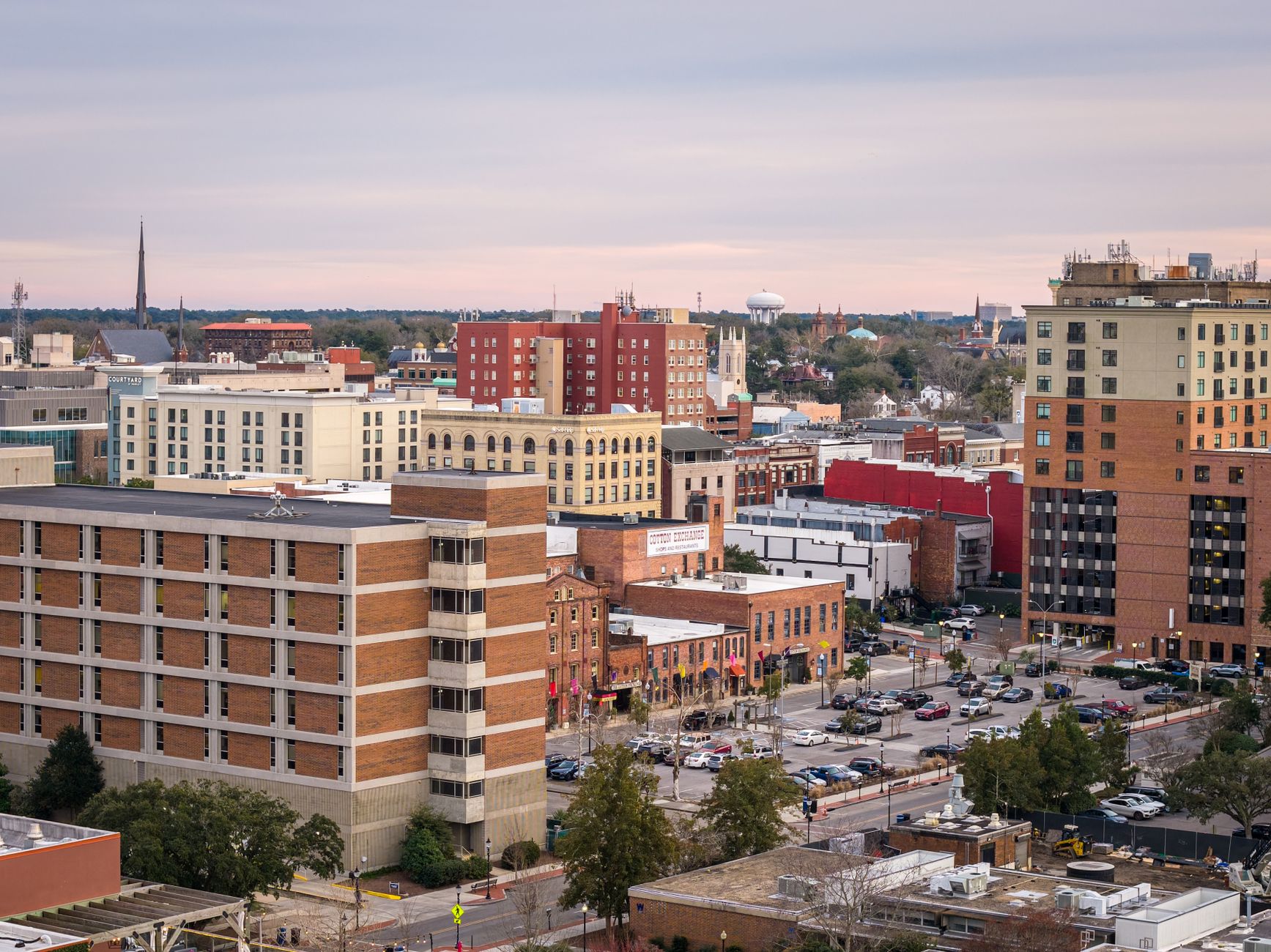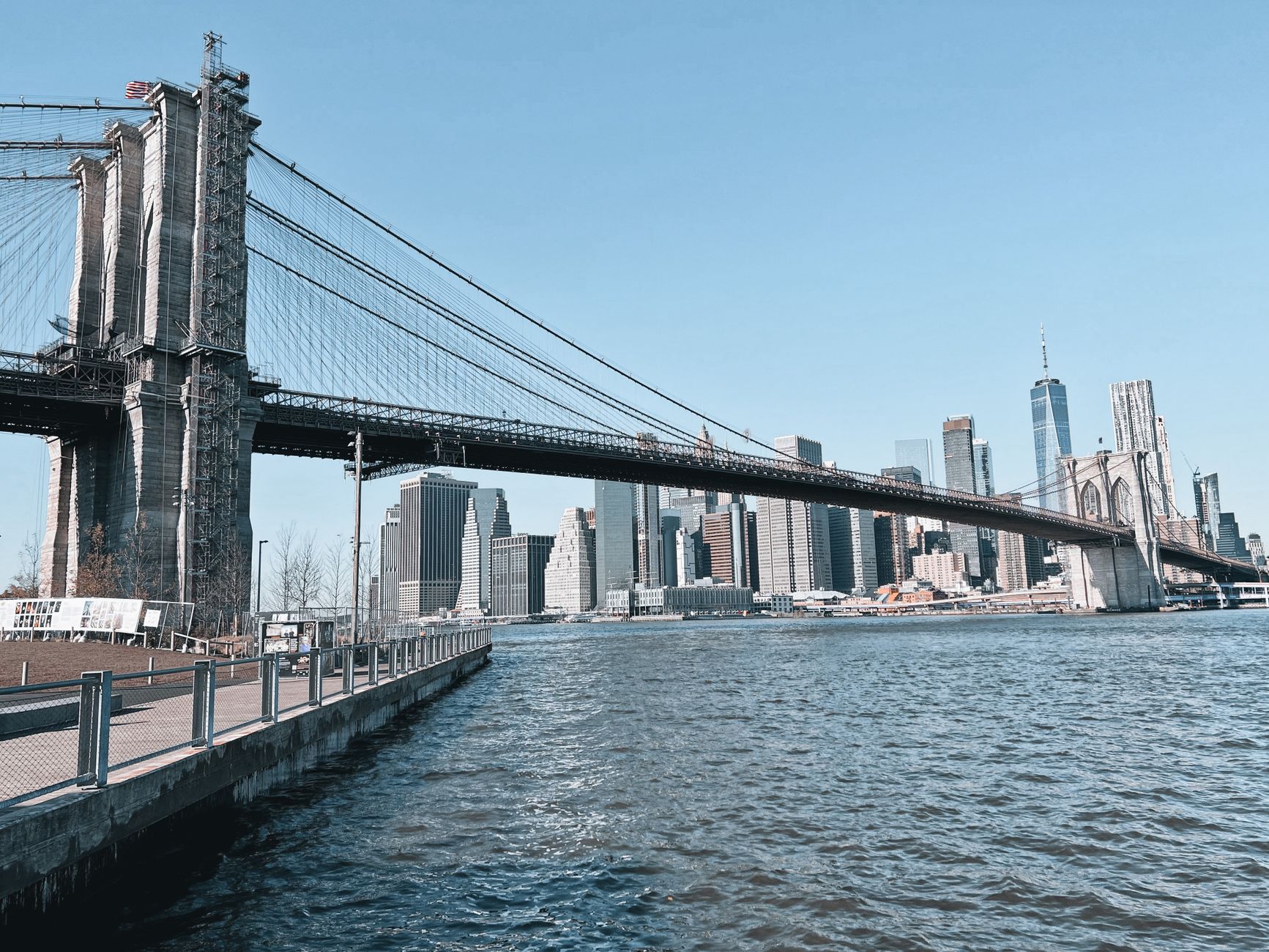
Deciding where to raise a family in New York State often comes down to balancing urban excitement with suburban practicality. For many, the choice might pit the bustling energy and world-class amenities of Brooklyn against the more serene, budget-friendly appeal of Albany. This isn't just a tale of two cities; it's a look at two fundamentally different lifestyles for families in 2026.
This comparison is for families weighing their options: do you prioritize the unparalleled cultural diversity and career opportunities of a global city, even with its high costs, or do you seek a more traditional, spacious, and affordable family life with excellent suburban schools and easier access to nature? We'll break down the numbers, the neighborhoods, and the real-life pros and cons to help you make an informed decision about where your family can thrive.
Cost of Living
When it comes to the cost of living, Brooklyn and Albany exist on entirely different planets. Brooklyn, a borough of New York City, consistently ranks among the most expensive places to live in the United States. The median home price in Brooklyn is currently around $950,000, but in desirable family neighborhoods like Park Slope (ZIP 11215), brownstones can easily exceed $2 million, while even two-bedroom condos often start around $800,000. Rent for a modest two-bedroom apartment typically ranges from $3,500 to $5,500 per month. Utilities, groceries, and property taxes (especially in wealthier areas) are significantly higher than the national average.
Albany, in stark contrast, offers a far more accessible cost of living. The median home price within the city of Albany hovers around $280,000. For families prioritizing space and top-rated schools, the surrounding suburbs like Bethlehem (ZIP 12054) or Guilderland (ZIP 12084) offer single-family homes typically ranging from $350,000 to $550,000. Median rent for a two-bedroom apartment in Albany proper is about $1,600 to $2,200. While New York State's property taxes are generally high, Albany's are considerably lower than Brooklyn's, and overall utilities and daily expenses are also more manageable.
| Metric | Brooklyn, NY | Albany, NY |
|---|---|---|
| Median Home Price | $950,000 | $280,000 |
| Median 2-Bedroom Rent | $4,200/month | $1,900/month |
| Median Household Income | $84,000 | $54,000 |
| Cost of Living Index (vs. US Avg.) | 167.0% | 95.0% |
Job Market & Economy
Brooklyn's job market is deeply intertwined with the robust and diverse economy of New York City. Major industries include technology (especially in Dumbo and Downtown Brooklyn), healthcare (e.g., Maimonides Medical Center, New York-Presbyterian Brooklyn Methodist Hospital), education, arts, media, and finance. While many high-paying jobs are concentrated in Manhattan, Brooklyn itself hosts a thriving ecosystem of startups, creative agencies, and small businesses. Unemployment rates generally mirror NYC's, which are typically slightly above the national average but with a vast array of opportunities. Remote work is highly prevalent among Brooklyn residents, many of whom previously commuted to Manhattan.
Albany's economy is primarily driven by its status as the capital of New York State. Government jobs are a major employer, with thousands working for various state agencies within the Empire State Plaza. Healthcare is another cornerstone, anchored by institutions like Albany Medical Center and St. Peter's Health Partners. Education also plays a significant role, with SUNY Albany, Russell Sage College, and nearby Rensselaer Polytechnic Institute (RPI) contributing to the workforce. The region also has a growing tech sector, particularly in nanotechnology research and development at the Albany NanoTech Complex. The job market is more stable than Brooklyn's, with lower unemployment rates, but the overall number of high-paying jobs, especially outside of specialized fields, is more limited.
Neighborhoods
For families in Brooklyn, neighborhood choice is critical for balancing urban amenities with a sense of community. Park Slope (ZIP 11215) is a perennial favorite, known for its historic brownstones, top-rated public schools (like PS 321), and direct access to Prospect Park. It's highly walkable (Walk Score 96) and boasts a wealth of family-friendly shops and restaurants, but homes are exceptionally expensive, often $2M+. Bay Ridge (ZIP 11209) offers a more suburban feel with detached homes, good public schools, and a diverse, community-oriented vibe, with median home prices around $750,000 and a Walk Score of 78. For something unique, Ditmas Park (ZIP 11226) features stunning Victorian homes with yards, offering more space for around $900,000, a Walk Score of 82, and a tight-knit community.
Albany offers different neighborhood dynamics, often with more space per dollar. Within the city, Pine Hills (ZIP 12208) is a popular choice, blending historic homes with proximity to universities, making it walkable (Walk Score 75) and relatively affordable, with homes around $300,000. For suburban living with excellent schools, many Albany-area families look just outside the city. Guilderland (ZIP 12084) is a highly sought-after suburb offering single-family homes, often $400,000+, large lots, and a strong school district, though it's less walkable (Walk Score 30) and requires a car. Delmar (part of the town of Bethlehem, ZIP 12054) is an affluent community known for its top-tier schools, larger properties ($500,000+), and a quieter, family-focused atmosphere, also requiring a car for daily errands.
Safety
Safety is a significant consideration for families, and both Brooklyn and Albany have their nuances. In Brooklyn, safety varies considerably by neighborhood. While family-friendly areas like Park Slope, Bay Ridge, and Carroll Gardens are generally very safe, overall crime rates for Brooklyn (as part of NYC) are higher than Albany's. Property crime, petty theft, and occasional violent incidents are more common in less affluent or transitional areas, such as parts of East New York (ZIP 11207) or Brownsville (ZIP 11212). However, in most residential areas where families settle, residents feel secure, particularly during the day and early evening.
Albany, as a smaller city, generally experiences lower crime rates than Brooklyn. Violent crime rates are below the national average, though property crime can be an issue in specific city neighborhoods, particularly parts of Arbor Hill and the South End. However, the vast majority of residential areas, especially the surrounding suburbs like Bethlehem and Guilderland, are considered very safe with low crime rates, making them attractive to families seeking a more tranquil environment. Even within the city limits, areas like Pine Hills offer a relatively secure urban experience.
Schools
The public school systems in Brooklyn and Albany represent different challenges and opportunities for families. In Brooklyn, schools are part of the vast New York City Public Schools system. Quality is highly variable, ranging from exceptional, highly competitive schools to those that struggle with resources and performance. Sought-after elementary schools like PS 321 in Park Slope (rated 9/10) and middle schools like MS 51 (rated 8/10) require living within their zoned areas or winning lotteries for gifted programs. High school options include excellent choices like Millennium Brooklyn High School (rated 9/10), but admission is often highly selective. There's a robust private school market with institutions like Packer Collegiate Institute and Brooklyn Friends School, but tuition is substantial.
Albany's City School District (ACSD) generally receives more mixed ratings (often 4-6/10 overall), and many families move to the surrounding suburbs specifically for their highly-regarded public schools. Districts like Bethlehem Central School District (BCSD, rated 9/10) and Guilderland Central School District (GCSD, rated 8/10) are consistently ranked among the best in the state, offering strong academic programs, extensive extracurriculars, and excellent college prep. Within Albany, the Magnet schools can offer good options, but competitive entry applies. Private school options in the Capital Region include Albany Academy for Boys and Albany Academy for Girls, offering alternative educational paths for families.
Lifestyle & Things to Do
The lifestyle in Brooklyn is undeniably dynamic and diverse. Families have access to world-class attractions like Prospect Park and Brooklyn Bridge Park, numerous museums (Brooklyn Museum, Brooklyn Children's Museum), and an unparalleled culinary scene offering every cuisine imaginable. There are countless kid-friendly activities, from playgrounds and splash pads to independent bookstores and performance venues. The nightlife for adults is vibrant and varied, reflecting the borough's diverse population. The climate features hot, humid summers and cold, damp winters, with less snow than Albany. Commutes, particularly into Manhattan, can be lengthy (30-60+ minutes on average) but are easily done via extensive public transit.
Albany offers a more relaxed pace of life, often described as a big town with city amenities. Families enjoy the historic Washington Park, proximity to the scenic Empire State Plaza, and cultural institutions like the New York State Museum and the Palace Theatre. The dining scene is smaller but features quality local restaurants and breweries. What Albany truly excels at is access to nature: the Adirondack Park and the Catskill Mountains are both within a 1-2 hour drive, offering year-round outdoor recreation from hiking and skiing to boating. Albany experiences colder, snowier winters than Brooklyn, with similar hot, humid summers. Commute times are significantly shorter, with most within the metro area taking 10-25 minutes, and traffic is rarely a major concern.
The Verdict
Choosing between Brooklyn and Albany for families in 2026 is a decision between two distinct visions for family life. There’s no single winner; it entirely depends on your priorities and financial situation.
Brooklyn wins if you are: a high-earning family who prioritizes an unparalleled urban experience, cultural diversity, and world-class amenities right at your doorstep. If you thrive on constant stimulation, don't mind smaller living spaces, and can afford the premium price tag for top-tier schools and convenience, Brooklyn offers a dynamic and enriching environment that few places can match. It's ideal for those who value career opportunities in a global hub and a truly diverse social fabric, even if it means navigating a higher cost of living and more intense pace.
Albany wins if you are: a family prioritizing affordability, space, strong public schools in safe suburban settings, and easy access to nature. If a slower pace of life, shorter commutes, and a more traditional community feel appeal to you, Albany and its surrounding towns provide an excellent quality of life at a fraction of Brooklyn's cost. It's the clear choice for families seeking a stable, comfortable environment where their budget stretches further, and outdoor adventures are always within reach, particularly if careers in government, healthcare, or education align with your goals.
Explore neighborhood-by-neighborhood data on WYLT: Brooklyn, NY (Brooklyn) · Albany, NY (Albany).
Get the full data-driven report on any neighborhood at WYLT's neighborhood finder.