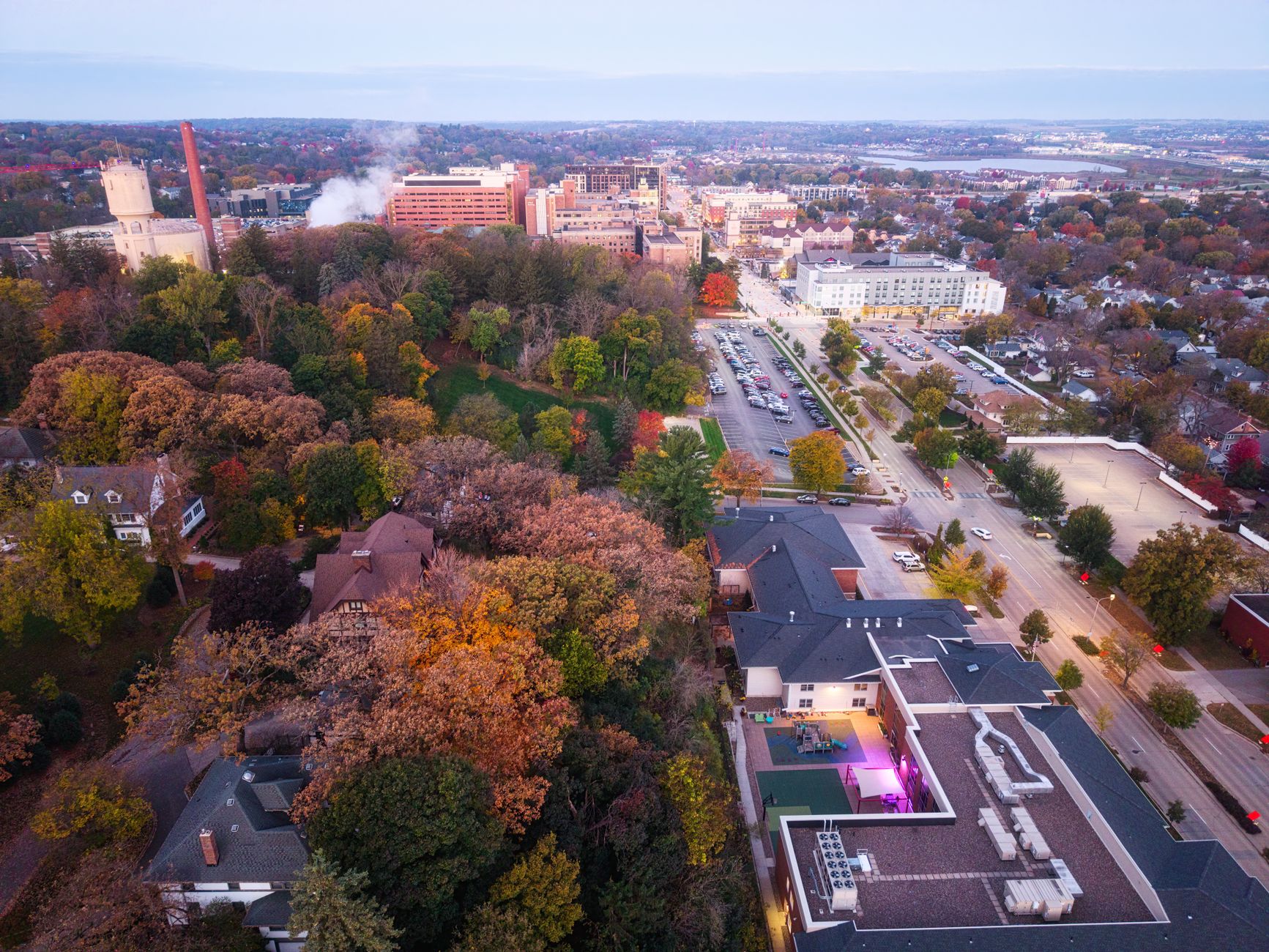
Akron, Ohio, has long been known for its affordability, a stark contrast to the escalating housing markets seen in many larger U.S. cities. But as we look towards 2026, many are asking: Is Akron still a hidden gem for budget-conscious buyers, or is its market finally catching up? This post cuts through the noise to give you a data-driven look at what to expect from Akron's housing landscape, helping you make an informed decision.
This insight is for anyone eyeing Akron as a potential new home – whether you're a first-time buyer tired of high prices elsewhere, a remote worker seeking lower living costs, or an investor looking for rental property opportunities. We’ll dive into the real numbers, acknowledge the trade-offs, and give you an honest assessment of what living and buying in Akron truly entails, without the sugar-coating.
Cost of Living & Home Prices
Akron remains one of the more affordable housing markets in Ohio, even with recent appreciation. As of late 2023, the median home sale price hovered around $175,000. Projecting a modest 3-5% annual increase, we anticipate median home prices in Akron to be in the range of $190,000 to $200,000 by 2026. This is significantly lower than state and national averages, making homeownership accessible for many.
Renters also benefit from lower costs. A 2-bedroom apartment typically ranges from $1,000 to $1,300 per month, while a 3-bedroom house might fetch $1,300 to $1,600. Utilities, including electricity, gas, water, and trash, can add another $200-$300 to monthly expenses. Property taxes in Summit County are relatively low compared to some other Ohio counties; a $175,000 home might incur around $2,500 to $3,500 annually. The median household income in Akron is approximately $48,000, which, while lower than national averages, stretches further given the city's housing costs.
| Metric | Akron, OH (Estimate for 2026) |
|---|---|
| Median Home Price | $195,000 |
| Median 2-Bd Rent | $1,250/month |
| Median Household Income | $50,000/year |
| Price-to-Rent Ratio | 13.0 (approx) |
The price-to-rent ratio for Akron is notably low, around 13.0, indicating that buying a home is generally more financially advantageous in the long term than renting, especially for those who plan to stay for several years. This ratio suggests that the cost of ownership, including mortgage, taxes, and insurance, is often comparable to or even less than rent payments for a similar property.
Best Neighborhoods
Akron offers a variety of neighborhoods, each with its own character and price point. Your 'best' will depend heavily on your priorities for walkability, school quality, and budget.
Highland Square (ZIP 44303) is a vibrant, walkable area known for its independent shops, restaurants, and arts scene. It attracts a younger, more eclectic crowd. Housing here primarily consists of older, renovated homes, many with character, alongside some apartments and duplexes. Home prices typically range from $220,000 to $350,000, and its walk score is among the highest in Akron, often above 70. For those seeking community and a pedestrian-friendly lifestyle, Highland Square is a prime choice, though the homes can sometimes require more maintenance.
Merriman Valley (ZIP 44313) offers a more suburban feel with closer proximity to nature, bordering the Cuyahoga Valley National Park and numerous metro parks. This area appeals to families and outdoor enthusiasts. Homes here are generally larger and newer than in Highland Square, with prices often ranging from $250,000 to $450,000. While not as walkable as Highland Square, its access to green spaces and generally lower crime rates make it a desirable, albeit pricier, option within the city limits. The schools here are still part of Akron Public Schools, but the environment feels a bit more removed.
For those prioritizing affordability and a more traditional suburban environment, Ellet (ZIP 44312) on the east side of Akron is a solid choice. It's characterized by smaller, well-maintained post-war homes and a strong sense of community. Home prices in Ellet are typically between $150,000 and $250,000, offering excellent value for first-time buyers or those with tighter budgets. Walk scores are generally lower, reflecting its car-dependent nature, but it's a practical, family-friendly area with good access to shopping and major roads.
Schools
Akron Public Schools (APS) serves the majority of the city, and honestly, school quality is one of Akron's significant challenges. The district generally receives lower ratings compared to many surrounding suburban districts like Copley-Fairlawn, Revere, or Hudson. On GreatSchools.org, APS as a whole often scores in the 3-5 out of 10 range, which can be a concern for families prioritizing top-tier public education.
While there are individual schools within APS that perform better, such as King Elementary or Miller South School for the Visual and Performing Arts, families often find themselves looking at private school options within the city (e.g., Old Trail School, Archbishop Hoban High School) or considering moving to adjacent communities with stronger public school systems. If highly-rated public schools are a non-negotiable for your family, you'll need to research specific school attendance zones diligently or broaden your search to Akron's periphery.
Safety
When considering safety, Akron presents a mixed picture. Like many mid-sized industrial cities, it experiences higher crime rates in certain areas, particularly for property crime and some violent crime, when compared to national averages. Residents often report feeling safe in their immediate neighborhoods but acknowledge areas to avoid.
Generally, areas closer to downtown and in South Akron (e.g., ZIP 44306, parts of 44307) tend to have higher crime rates. Parts of West Akron and North Hill (ZIP 44310) can also see elevated crime statistics. Conversely, neighborhoods like Merriman Valley (44313), parts of Wallhaven (44313/44333), and some of the more established suburban-style areas like Ellet (44312) typically report lower crime levels and are generally considered safer and more family-friendly.
It's crucial for prospective residents to research specific block-by-block crime data for any neighborhood they're considering. While Akron's police department is active, understanding local nuances and community efforts to improve safety is key to a comfortable living experience.
Job Market
Akron's job market is historically rooted in manufacturing, particularly the rubber industry, but it has diversified significantly. Major employers include healthcare systems like Summa Health and Akron Children's Hospital, making healthcare a robust sector. The University of Akron is another large employer, contributing to education and polymer research, a historical strength of the city.
Other key industries include manufacturing (though less dominant), education, and professional services. For remote workers, Akron offers a significant advantage: a much lower cost of living than major tech hubs, combined with decent internet infrastructure. Commute times within Akron are generally manageable, typically 15-25 minutes even during peak hours. For those commuting to Cleveland, expect 45-60 minutes on I-77, which can be a factor for certain job opportunities.
The Verdict
Akron, OH, in 2026 offers a compelling proposition for specific types of buyers, but it's not without its trade-offs. The data clearly shows that affordability is Akron's biggest draw, and it's likely to remain a buyer's market compared to most other metropolitan areas.
If you're a first-time homebuyer or budget-conscious individual prioritizing an affordable entry into homeownership, Akron is an excellent choice. Look at neighborhoods like Ellet (ZIP 44312) for strong value and community, or even parts of North Hill (ZIP 44310) if you're comfortable with a diverse, rapidly evolving area and lower price points. You'll likely find a comfortable home for under $220,000. If you're a young professional or couple seeking a more vibrant, walkable lifestyle and don't mind a slightly higher price point, Highland Square (ZIP 44303) is your best bet, offering character and amenities.
However, if top-tier public schools are a non-negotiable for your family, Akron itself presents a challenge. In this scenario, you should strongly consider looking at neighboring communities like Cuyahoga Falls, Copley, Green, or Tallmadge, which offer better-rated school districts but generally come with higher home prices. For investors, Akron's low price-to-rent ratio makes it attractive for rental property, with good potential for cash flow given the relatively low entry cost. Just be sure to factor in property management and potential vacancy rates specific to different neighborhoods.

Explore neighborhood-by-neighborhood data on WYLT: Akron, OH (Akron).
Get the full data-driven report on any neighborhood at WYLT's neighborhood finder.