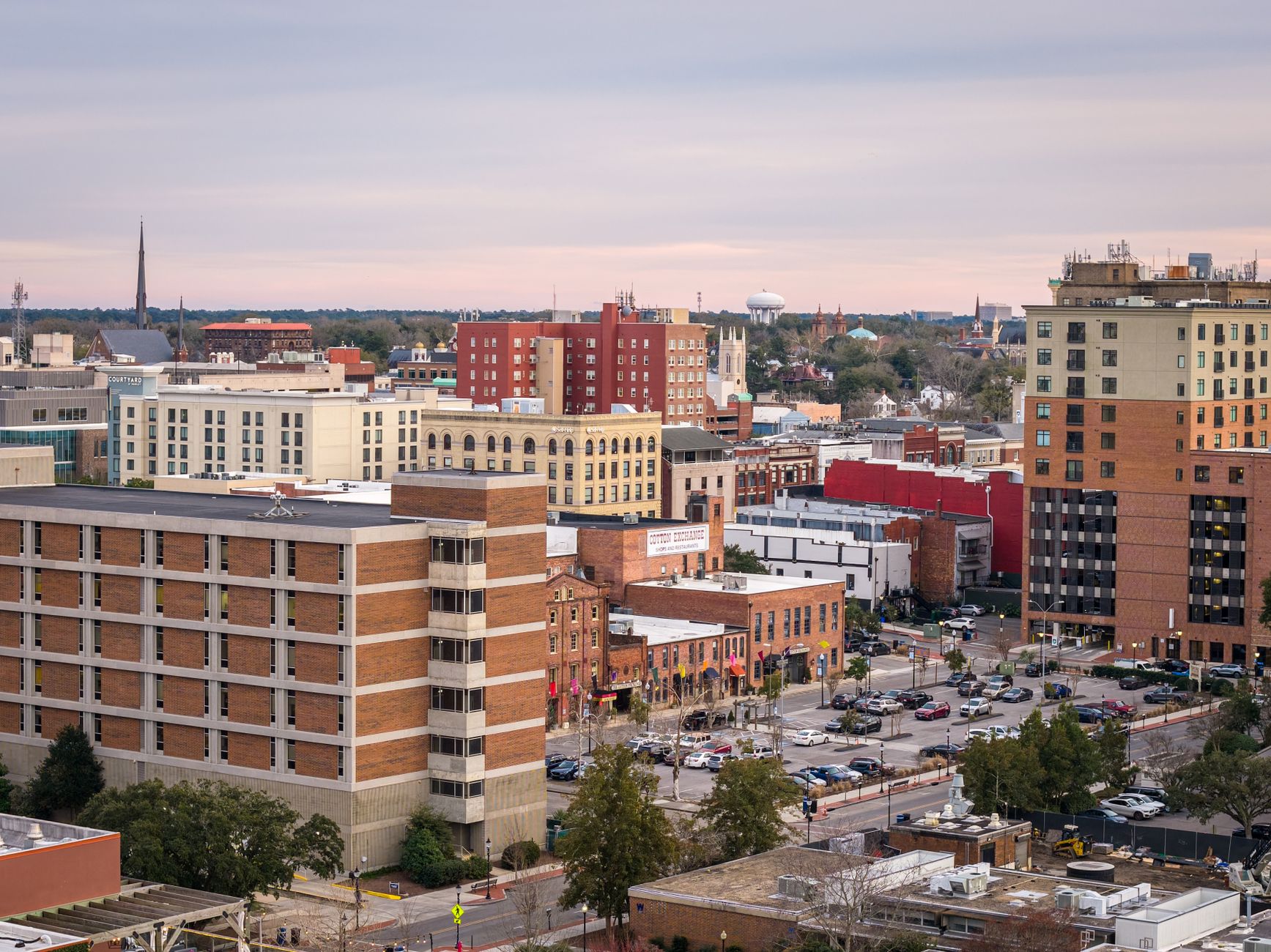
Deciding between Winter Park and Orlando isn’t a matter of which place is “more fun”; it’s about which one fits your day‑to‑day reality. Whether you’re a young professional looking to squeeze a high‑quality lifestyle into a modest budget or a family weighing schools and safety, the two cities have sharply different trade‑offs. This head‑to‑head snapshot is built on current data and real‑world experience, so you can see what each option actually costs and offers.
We’ll walk through the same metrics for both places—housing, jobs, neighborhoods, safety, schools, culture—so you can spot the differences immediately. At the end, we’ll give a straight answer about who each city serves best, without any fluff or hedging. Grab a coffee and dive in.
Cost of Living
Winter Park’s median home price sits around $720,000, and a one‑bedroom apartment typically rents for $2,600–$3,000 a month. Orlando’s median home price is closer to $310,000, with one‑bedroom rents ranging $1,400–$1,800. Utilities in Winter Park average $180 per month, a bit higher than Orlando’s $160, largely due to the larger homes and more landscaping. Property tax rates are roughly 1.3% of assessed value in Winter Park versus 0.95% in Orlando. Florida’s zero state income tax means the main tax differences come from property and sales taxes, which are fairly similar across the state.
Here’s a quick comparison:
| Metric | Winter Park | Orlando |
|---|---|---|
| Median Home Price | $720,000 | $310,000 |
| Median Rent (1 bd) | $2,750 | $1,600 |
| Median Household Income | $105,000 | $68,000 |
| Cost of Living Index | 115 | 108 |
So the cost gap is clear: Winter Park is roughly 40% more expensive across most housing and living expenses. That’s a premium for the tighter community feel, the tree‑lined streets, and the higher‑quality public amenities you’ll find there.
Job Market & Economy
Orlando’s economy is driven by tourism, tech, and the aerospace sector. Disney World, Universal Studios, and several large tech firms like Lockheed Martin and Jabil dominate the job market, and the city’s unemployment rate sits at about 4.2%. Remote work is viable, but the demand for in‑person hospitality staff keeps the city vibrant.
Winter Park’s workforce is more dispersed. The median salary is higher—about $105,000—due to a concentration of professionals in finance, healthcare, and high‑tech start‑ups that operate out of nearby Lake Nona and the larger Orlando area. Unemployment hovers around 3.8%. Remote workers love Winter Park for its quiet streets and excellent schools, but the local job market is not as robust for entry‑level positions as Orlando’s.
Neighborhoods
Winter Park has three standout neighborhoods: Park Avenue (price range $750k–$1.2M, walk score 65, boutique shops and fine dining), Old Main Street (homes $600k–$900k, walk score 80, historic charm), and Lullwater (single‑family homes $500k–$750k, walk score 45, more suburban feel). All are within a 10‑minute drive of downtown Winter Park.
Orlando’s key districts include Downtown (condos $200k–$350k, walk score 70, nightlife and riverwalk), Lake Nona (single‑family $300k–$500k, walk score 40, tech hub), and Dr. Phillips (townhomes $250k–$400k, walk score 55, upscale shopping). Each neighborhood offers a distinct vibe, but the overall density is higher and the walk scores lower outside the city core.
Safety
Winter Park’s crime rate is 30% lower than Orlando’s. Violent crime per 1,000 residents is 2.1 in Winter Park versus 4.8 in Orlando. The main area to watch in Winter Park is the North Pine corridor, where occasional burglaries have been reported. Overall, the neighborhood feels safe and monitored.
In Orlando, violent crime rates hover around 5.0 per 1,000, with hotspots in the Southwest and parts of Winter Lake. Property crime is higher too, especially in areas with dense rental housing. The city’s police presence is strong, but the sheer volume of visitors and transient population keeps the numbers up.
Schools
Winter Park Public Schools rank 9 out of 10 statewide. Winter Park High School consistently receives “Excellent” ratings, and the private St. Andrew’s School offers a rigorous college‑prep curriculum with a 99% college admission rate. Parents rave about the small class sizes and active PTA.
Orlando’s schools are mixed. While the Orange County Public Schools system includes top schools like Lake Highland Prep (rating 8/10) and the International Baccalaureate program at Orlando Science Center Elementary, many districts lag with lower test scores. Private options such as the St. Thomas Aquinas School and the International School of Orlando provide strong alternatives for families willing to pay the premium.
Lifestyle & Things to Do
Winter Park offers a quiet, culturally rich scene: the Charles E. Schweitzer Museum of Fine Arts, the annual Winter Park Film Festival, and a plethora of coffee shops along Park Avenue. The climate is warm year‑round, but the city’s small parks, like the 5‑acre Lake Nona Park, provide respite from the heat.
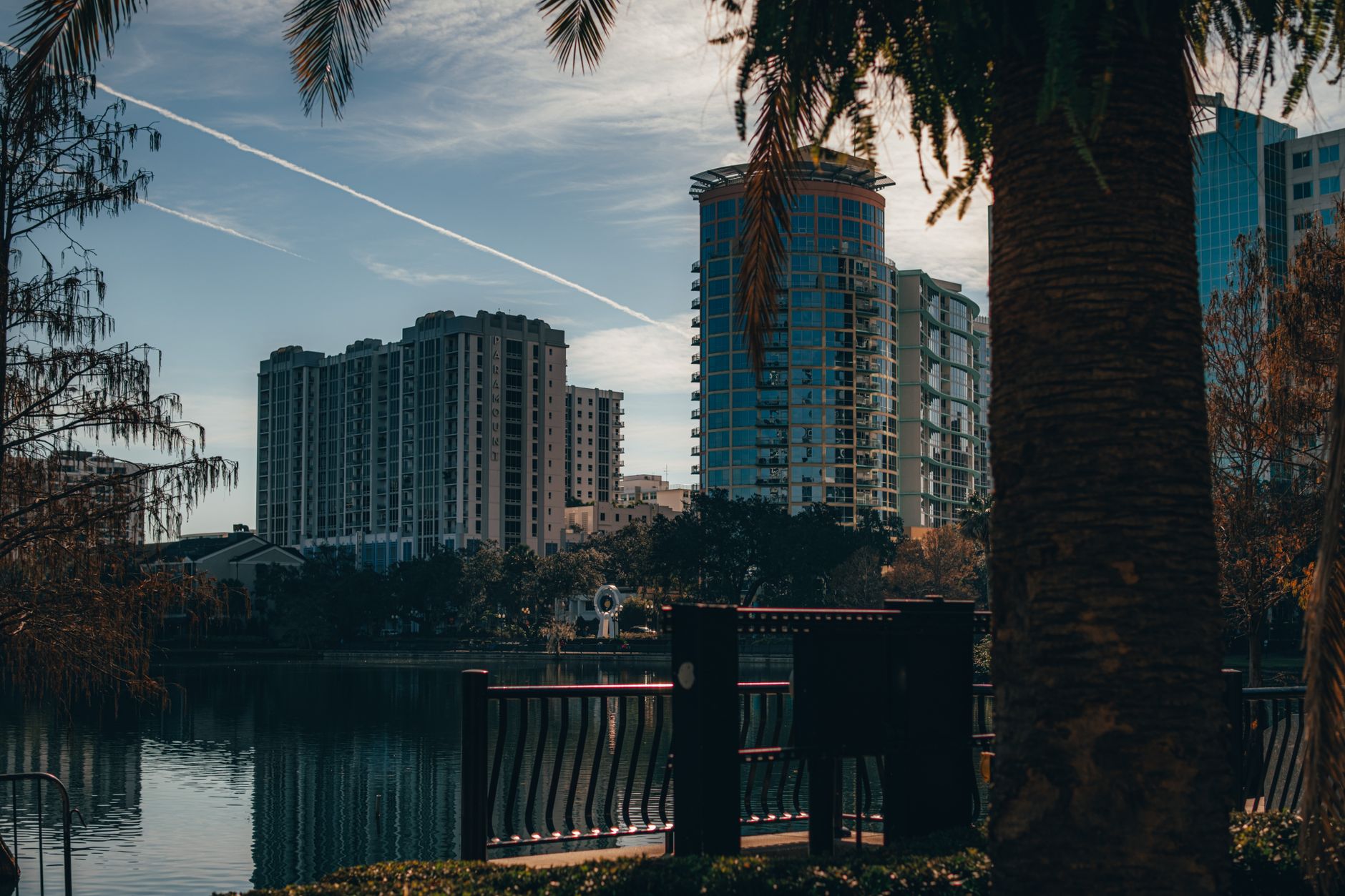
Orlando is built around entertainment. Theme parks, sports events, and a bustling nightlife scene keep residents busy. Outdoor activities abound with parks like the 800‑acre Lake Eola, and the climate is tropical, so you’ll find year‑round sunshine but also humid summers and occasional hurricanes. The trade‑off is higher traffic congestion and more noise.
The Verdict
Winter Park wins for families that want top‑tier public schools, lower crime, and a walkable downtown, even if you’re willing to pay a premium for a quiet, upscale lifestyle. If you’re a young professional or remote worker who needs a lower rent budget, better access to large employers, and a lively nightlife scene, Orlando is the clear choice. Ultimately, the city that matches your priorities—whether that’s the safety and education of Winter Park or the affordability and entertainment of Orlando—will feel like home.
Get the full data‑driven report on any neighborhood at WYLT's neighborhood finder.
Explore neighborhood-by-neighborhood data on WYLT: Winter Park, FL (Winter Park) · Orlando, FL (Orlando).