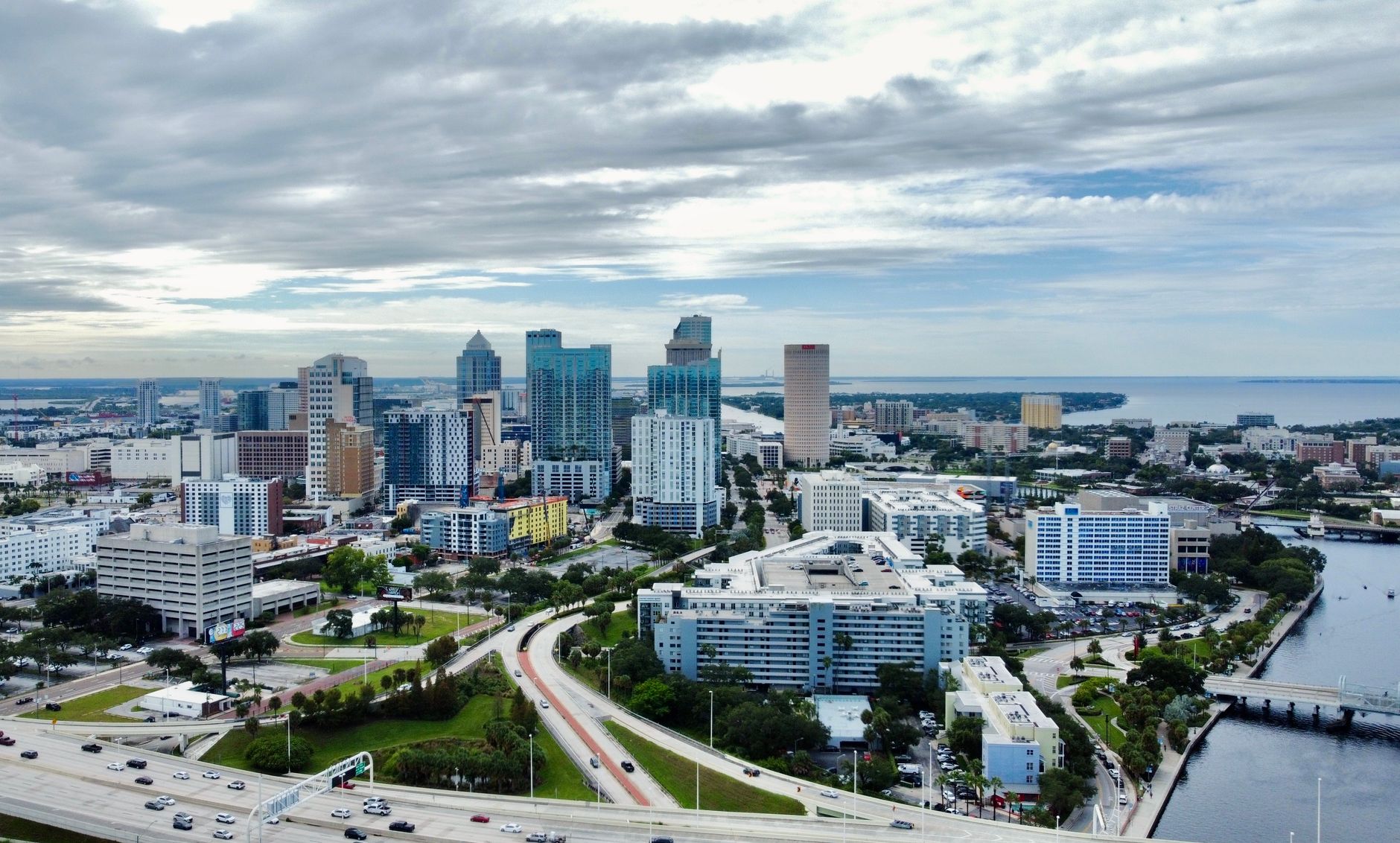
Tampa and Albany are two cities that often come up in discussions about relocation, especially for families. While Tampa offers a warm climate and growing job market, Albany provides a more traditional Northeastern experience with a strong sense of community. In this comparison, we'll dive into the specifics of each city to help you decide which one is the best fit for your family.
Both cities have their unique charms and challenges. Tampa, with its thriving downtown area and beautiful beaches, is an attractive option for those who love the sun and outdoor activities. On the other hand, Albany, with its rich history and cultural attractions, is a great choice for families who value education and community engagement. As we compare these two cities, we'll look at various factors, including cost of living, job market, neighborhoods, safety, schools, and lifestyle, to give you a comprehensive view of what each city has to offer.
Cost of Living
The cost of living is a significant factor to consider when deciding between Tampa and Albany. Tampa has a slightly lower cost of living index, with a score of 94.3 compared to Albany's 102.2. The median home price in Tampa is around $340,000, while in Albany, it's around $280,000. However, the median rent in Tampa is higher, with a one-bedroom apartment costing around $1,400 per month, compared to $1,200 in Albany.
To give you a better idea of the costs involved, here's a comparison table:
| Category | Tampa | Albany |
|---|---|---|
| Median Home Price | $340,000 | $280,000 |
| Median Rent | $1,400/month | $1,200/month |
| Median Household Income | $63,000 | $73,000 |
| Cost of Living Index | 94.3 | 102.2 |
While Tampa may have a lower cost of living index, Albany's higher median household income can help offset the higher costs. Additionally, both cities have their own unique expenses, such as Tampa's high insurance rates due to its location in a hurricane-prone area, and Albany's high property taxes.
Job Market & Economy
Tampa's job market is growing, with major employers like Tampa General Hospital, Raymond James Financial, and Tech Data. The city also has a strong startup scene, with many companies in the tech and healthcare industries. Albany, on the other hand, has a more established economy, with major employers like the State of New York, Albany Medical Center, and General Electric. The city is also home to several colleges and universities, including the University at Albany and Albany Law School.
The unemployment rate in Tampa is around 3.2%, compared to 3.5% in Albany. However, Albany's job market is more stable, with a stronger presence of government and education jobs. Tampa's economy is more diverse, with a growing tech industry and a strong tourism sector. Remote work is also a viable option in both cities, with many co-working spaces and coffee shops available.
For example, the Harbour Island neighborhood in Tampa is home to many tech startups, while the Downtown Albany area has a high concentration of government and education jobs.
Neighborhoods
Tampa has a range of neighborhoods to choose from, each with its own unique character. The South Tampa area is known for its beautiful homes and tree-lined streets, while the Westshore area is home to many businesses and restaurants. In Albany, the Downtown area is vibrant and walkable, with many shops and restaurants, while the Pine Hills area is a more suburban neighborhood with a strong sense of community.
The walk score for Tampa is around 51, compared to 65 for Albany. However, both cities have their own pedestrian-friendly areas, such as Tampa's Ybor City and Albany's Lark Street. The commute time in Tampa is around 25 minutes, compared to 20 minutes in Albany.
For example, the Bayshore Beautiful neighborhood in Tampa has a median home price of around $420,000, while the Helderberg area in Albany has a median home price of around $320,000.
Safety
Safety is an important consideration for families, and both cities have their own safety concerns. Tampa has a higher crime rate, with around 550 crimes per 100,000 residents, compared to 450 crimes per 100,000 residents in Albany. However, both cities have their own safe neighborhoods, such as Tampa's Hyde Park and Albany's Delaware Avenue area.
Certain areas to avoid in Tampa include the Romeo Theater area, which has a high crime rate, while in Albany, the Central Avenue area has a higher incidence of crime.
Schools
The school district in Tampa is rated around 6 out of 10, compared to 7 out of 10 in Albany. However, both cities have their own highly-rated schools, such as Tampa's Plant High School and Albany's Albany High School.
Private school options are also available in both cities, such as Tampa's Berkeley Preparatory School and Albany's Albany Academy. The student-teacher ratio in Tampa is around 15:1, compared to 12:1 in Albany.
Lifestyle & Things to Do
Tampa and Albany both offer a range of activities and attractions for families. Tampa's beautiful beaches, such as Fort De Soto Park, are a major draw, while Albany's rich history and cultural attractions, such as the Albany Institute of History & Art, are a great way to spend the day. The climate in Tampa is warm and sunny, with an average temperature of 74°F, while Albany has a more variable climate, with cold winters and warm summers.
For example, the Riverwalk in Tampa is a great place to take a stroll and enjoy the views, while the Washington Park in Albany is a beautiful green space with a lake and walking trails.

Restaurants in Tampa include Bern's Steak House and The Refinery, while Albany has Jack's Omelettery and Olde Brewery Tavern. Nightlife in Tampa is centered around the South Howard Avenue area, while Albany's Lark Street is home to many bars and clubs.
The Verdict
If you're a family prioritizing schools and a more traditional Northeastern experience, Albany is the better choice. However, if you're looking for a warm and sunny climate, a growing job market, and a more diverse economy, Tampa is the way to go. Ultimately, the decision between Tampa and Albany depends on your individual priorities and needs.
Get the full data-driven report on any neighborhood at WYLT's neighborhood finder.