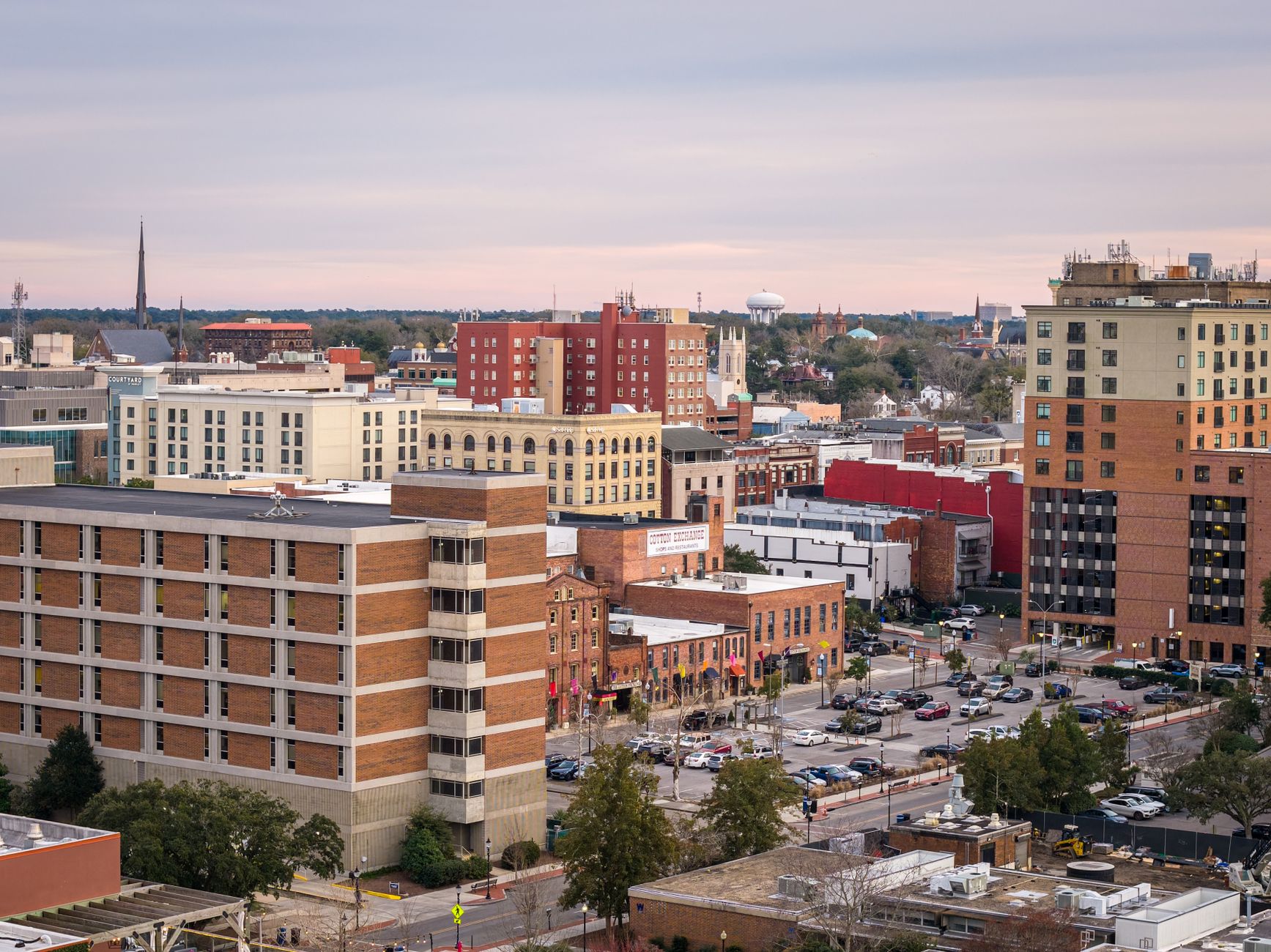
When considering a move within New York State, the options can range from global mega-cities to more accessible regional hubs. Syracuse and New York City represent two extremes on this spectrum, each offering a fundamentally different quality of life. This comparison is for anyone weighing the unparalleled opportunities and fast pace of a world capital against the more grounded, cost-effective lifestyle of a smaller city.
Syracuse offers a community-focused environment, lower costs, and proximity to nature, making it appealing for those prioritizing affordability and a slower pace. New York City, conversely, provides unmatched career prospects, cultural diversity, and a vibrant urban experience at a premium. We'll break down the numbers and the realities of living in each to help you decide which New York is right for you in 2026.
Cost of Living
The cost of living is where Syracuse and New York City diverge most dramatically. Syracuse consistently ranks as one of the most affordable cities in New York State, with a cost of living index around 87, meaning it's 13% cheaper than the national average. Housing is the primary driver of this affordability; the median home price in Syracuse is projected to be around $280,000 in 2026, while a median 1-bedroom apartment rents for approximately $1,450 per month.
New York City, on the other hand, is one of the most expensive cities globally, with a cost of living index pushing 220, more than double the national average. Housing costs are astronomical: the median home price across all five boroughs is expected to hover around $800,000, but in desirable areas of Manhattan or Brooklyn, it can easily exceed $1.2 million. Rent for a 1-bedroom apartment in NYC typically ranges from $3,500 to $4,500, with many areas significantly higher. Utilities, groceries, and transportation costs are also substantially higher in NYC compared to Syracuse.
| Metric | Syracuse, NY (2026 Est.) | New York City, NY (2026 Est.) |
|---|---|---|
| Median Home Price | $280,000 | $800,000 |
| Median 1-Bedroom Rent | $1,450 | $3,800 |
| Median Household Income | $68,000 | $92,000 |
| Cost of Living Index (vs. US average) | 87 | 220 |
Job Market & Economy
Syracuse’s economy is primarily driven by education, healthcare, and advanced manufacturing. Syracuse University and SUNY Upstate Medical University are major employers, offering jobs in academia, research, and medical fields. Other significant industries include defense contracting (Lockheed Martin) and logistics. The city's unemployment rate is generally stable, projected around 4.8% in 2026, and while the job market is smaller, it offers opportunities for those in specific sectors. Remote work has made Syracuse an attractive option for those working for NYC-based companies but seeking lower living costs.
New York City boasts one of the world's most robust and diverse job markets. Major industries include finance (Wall Street), technology (Silicon Alley), media, advertising, fashion, healthcare, and tourism. Global headquarters for countless corporations are located here, providing unparalleled career growth opportunities and a vast network. While the competition is fierce, the sheer volume of jobs means almost any professional field has a presence. The unemployment rate tends to mirror national trends, projected around 5.2% in 2026, but the high cost of living means a higher income is essential to thrive.
Neighborhoods
In Syracuse, you'll find distinct neighborhoods each with its own character. Westcott is a bohemian, walkable area near Syracuse University, popular with students and young professionals, featuring diverse restaurants and cafes. Home prices here might range from $250,000 to $400,000. The Strathmore area offers beautiful historic homes, tree-lined streets, and a suburban feel within city limits, with prices typically between $300,000 and $550,000. Armory Square is a revitalized downtown district, known for its nightlife and loft apartments, appealing to those seeking an urban environment, with rents for a 1-bedroom often around $1,600-$2,000.
New York City's neighborhoods are incredibly varied and dense. In Manhattan, the Upper West Side offers classic brownstones, proximity to Central Park, and excellent public transit, with 1-bedroom rents averaging $4,200-$5,500. In Brooklyn, Park Slope is known for its family-friendly atmosphere, historic architecture, and Prospect Park, where brownstones sell for $1.5 million to over $3 million. For a more artistic and slightly less expensive (but still high) option, Bushwick in Brooklyn offers a vibrant arts scene, nightlife, and diverse eateries, with 1-bedroom rents around $3,000-$4,000. Walk scores in NYC are generally among the highest in the nation, often above 90, making car ownership optional for many.
Safety
When discussing safety, it's important to look at specific crime types. Syracuse has a higher per-capita violent crime rate than New York City, which can be surprising given NYC's size. Areas on the South Side and parts of the West Side of Syracuse, specifically in ZIP codes like 13205 and 13204, tend to have higher instances of violent crime and property theft. Overall, while most residents feel safe, especially in the more affluent neighborhoods, it's a city where being aware of your surroundings is important.
New York City, despite its reputation in pop culture, has seen a dramatic decrease in crime over the past few decades and is generally very safe in most tourist and residential areas. However, with such a massive population, certain neighborhoods do experience higher crime rates. Parts of the Bronx (e.g., specific areas in the South Bronx) and East New York in Brooklyn historically have higher violent crime. Property crime, like petty theft and pickpocketing, is more common in crowded tourist areas and on public transit. The sheer number of people means there's always a level of vigilance required, especially late at night.
Schools
Syracuse City School District serves the majority of city residents, and its schools generally receive mixed to lower ratings compared to suburban districts like Fayetteville-Manlius or Jamesville-DeWitt. GreatSchools.org ratings for city schools often fall in the 3-6/10 range, though some magnet programs like the Public Service Leadership Academy at Fowler provide specialized paths. Private school options include Christian Brothers Academy and Manlius Pebble Hill School, offering smaller class sizes and advanced curricula, with tuition typically ranging from $18,000 to $30,000 annually.
New York City's Department of Education is the largest school district in the United States, offering a vast array of public schools. Quality varies dramatically by borough and even by block. Highly-rated elementary schools can be found in districts like those on the Upper East Side (e.g., PS 6) or in parts of Brooklyn (e.g., PS 321 in Park Slope). NYC also has highly competitive specialized high schools like Stuyvesant and Bronx Science. Private schooling is a significant industry, with elite institutions like Collegiate School or Horace Mann commanding tuition upwards of $60,000 per year, making it a considerable financial commitment for many families.
Lifestyle & Things to Do
Life in Syracuse is generally slower-paced and more focused on community and outdoor activities. The city boasts Onondaga Lake Park, a large recreational area for biking and walking, and is a gateway to the Finger Lakes region, known for its wineries, hiking, and water sports. Armory Square offers a lively but contained nightlife and diverse dining options. Winters are notably harsh, with significant snowfall (averaging over 100 inches annually), making winter sports popular but also impacting daily life. Cultural attractions include the Everson Museum of Art and performances at the Landmark Theatre.
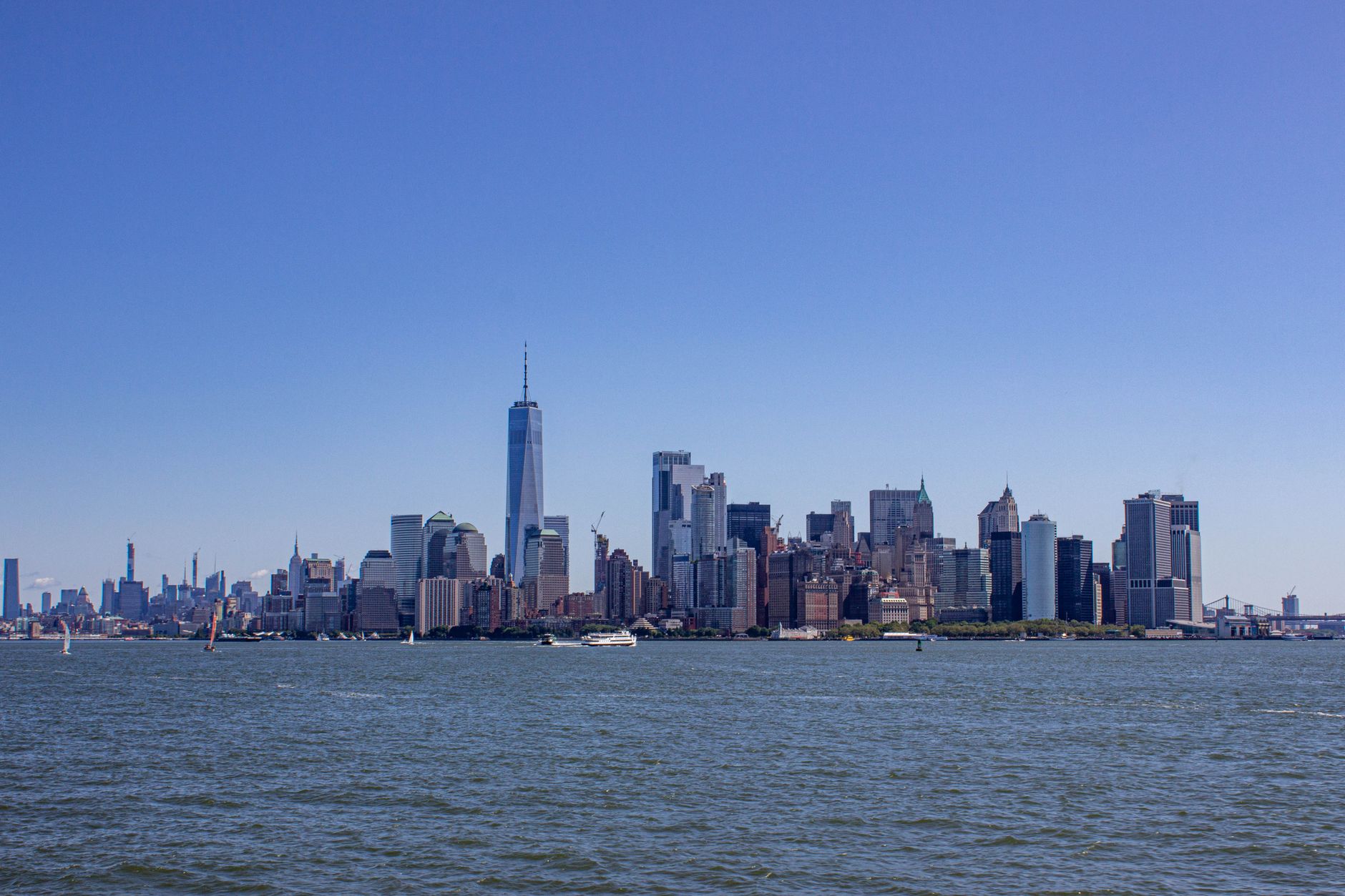
New York City's lifestyle is fast, intense, and constantly evolving. It offers an unparalleled array of experiences: Broadway shows, world-class museums (Metropolitan Museum of Art, MoMA), diverse culinary scenes in every borough, and iconic landmarks like Central Park. Nightlife is endless, from dive bars to exclusive clubs. While green space per capita is lower, parks like Central Park, Prospect Park, and Flushing Meadows-Corona Park offer crucial escapes. The climate offers four distinct seasons, though summers can be hot and humid. Public transit (the subway) is extensive, making car ownership largely unnecessary and often a burden.
The Verdict
Choosing between Syracuse and New York City boils down to your priorities. If you are a young professional just starting out, or a family looking for maximum affordability, a slower pace of life, and better access to nature without urban density, Syracuse wins. Its lower cost of living, manageable job market in specific sectors, and community feel make it a strong contender for those who prioritize financial stability and a relaxed environment over a high-powered career climb. Remote workers can particularly leverage Syracuse's affordability while potentially earning NYC wages.
Conversely, if your career aspirations are tied to global industries, if you thrive on endless cultural stimulation, diverse experiences, and don't mind the fast pace and intense competition, New York City is your clear choice. It’s ideal for ambitious professionals, artists, and anyone seeking a truly cosmopolitan experience, provided you can handle the exorbitant cost of living and the relentless energy. If you can afford it, NYC offers a quality of life unmatched by almost any other city globally, albeit one that demands significant financial and personal investment.
Explore neighborhood-by-neighborhood data on WYLT: Syracuse, NY (Syracuse) · New York City, NY (New York City).
Get the full data-driven report on any neighborhood at WYLT's neighborhood finder.