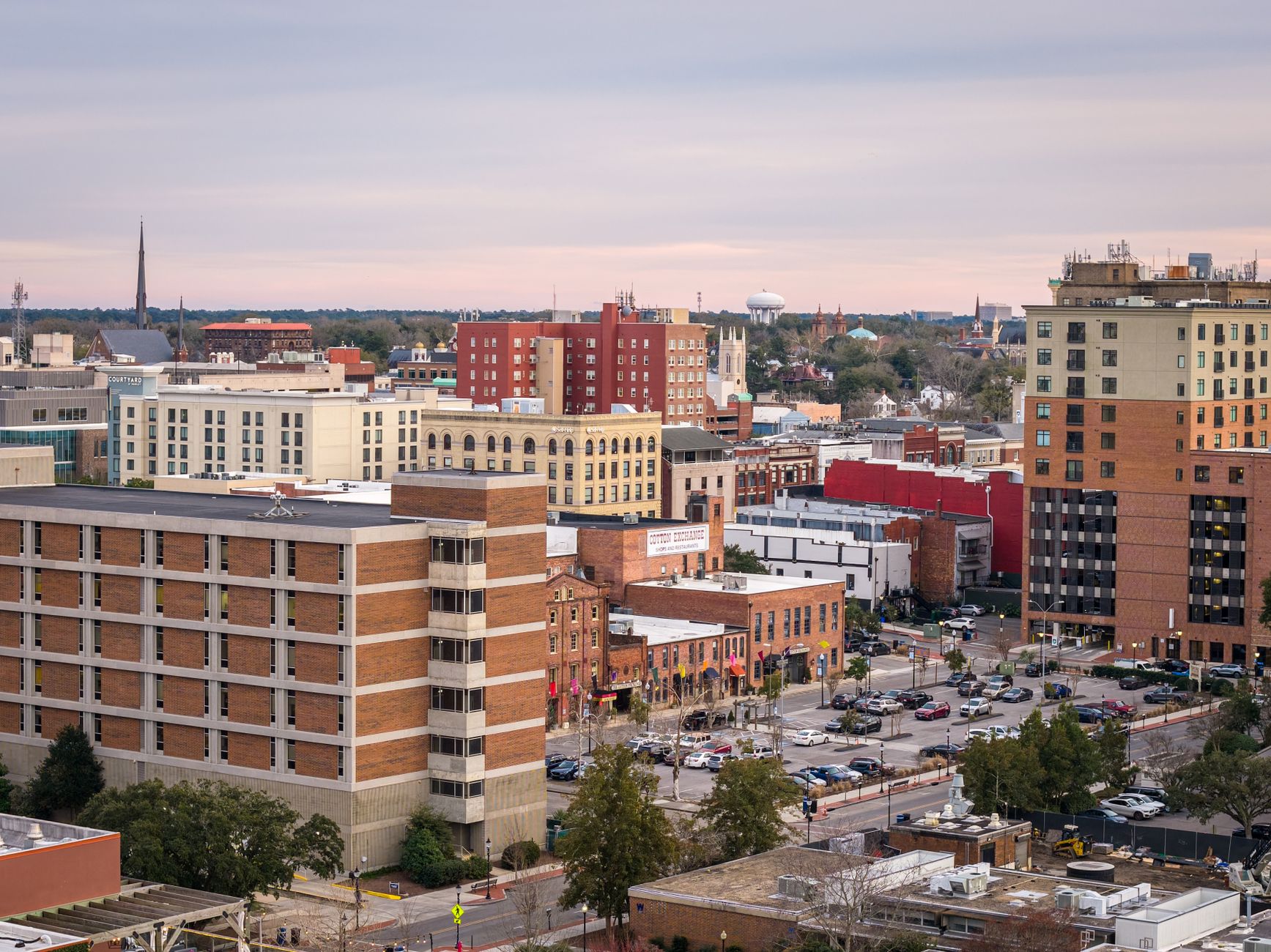
When considering a move to a new city, it's essential to weigh the pros and cons of each location. For those torn between St. Albans, WV, and Crete, NE, this comparison will delve into the details of each city to help make an informed decision. St. Albans, with its rich history and Appalachian charm, offers a unique blend of small-town feel and access to outdoor recreation. On the other hand, Crete, nestled in the heart of Nebraska, boasts a strong agricultural heritage and a growing economy.
Both cities have their drawbacks, however. St. Albans struggles with higher crime rates and limited job opportunities, while Crete faces challenges related to its remote location and limited cultural diversity. Despite these downsides, each city has its own distinct character and advantages. In this comparison, we'll explore the cost of living, job market, neighborhoods, safety, schools, and lifestyle of both St. Albans and Crete to determine which city is the better fit for different types of individuals.
Cost of Living
The cost of living in St. Albans and Crete varies significantly. St. Albans has a lower median home price, with homes ranging from $120,000 to $250,000, while Crete's median home price is around $180,000 to $320,000. Rent in St. Albans is also relatively affordable, with apartments starting at $600 per month, compared to Crete's $800 per month.
A comparison of the cost of living in both cities is presented in the table below:
| Category | St. Albans, WV | Crete, NE |
|---|---|---|
| Median Home Price | $170,000 | $240,000 |
| Median Rent | $700 | $1,000 |
| Median Household Income | $50,000 | $60,000 |
| Cost of Living Index | 87 | 91 |
Taxes in St. Albans are generally lower, with a state income tax rate of 6.5%, compared to Nebraska's 6.84%. However, Crete's overall cost of living index is slightly higher due to increased prices for groceries and transportation.
Job Market & Economy
The job market in St. Albans is limited, with major employers including the St. Albans City Schools and the local government. The city's unemployment rate is around 5%, higher than the national average. In contrast, Crete's economy is driven by agriculture, with companies like Farmers Cooperative and Crete Mills providing employment opportunities.
Remote work is becoming increasingly viable in both cities, with St. Albans offering a lower cost of living and Crete providing a more central location for transportation. However, St. Albans' lack of high-speed internet access in some areas may be a drawback for remote workers. Major industries in St. Albans include healthcare and retail, while Crete's economy is also driven by manufacturing and education.
Neighborhoods
St. Albans has several distinct neighborhoods, including Downtown St. Albans, which offers a mix of historic homes and modern apartments, and MacCorkle Avenue, which features a range of affordable housing options. Crete's neighborhoods, such as Downtown Crete and Crete Heights, offer a mix of old and new homes, with prices ranging from $150,000 to $300,000.
The walk score in St. Albans' Downtown area is around 70, indicating a relatively walkable neighborhood, while Crete's Downtown area has a walk score of 60. Both cities have a range of parks and outdoor recreational areas, with St. Albans' Coal River Road trail and Crete's Wildwood Trail being popular spots for hiking and biking.
Safety
Safety is a concern in both cities, with St. Albans experiencing higher crime rates. The city's violent crime rate is around 550 per 100,000 residents, compared to Crete's 200 per 100,000. However, both cities have areas that are considered safe, such as St. Albans' MacCorkle Avenue neighborhood and Crete's Crete Heights area.
Areas to avoid in St. Albans include the Kansas City Road area, which has a higher crime rate, while in Crete, the Broadway area has experienced some incidents of vandalism.
Schools
The school districts in both cities have their strengths and weaknesses. St. Albans' Kanawha County Schools have a rating of 6 out of 10, with some schools performing better than others. Crete's Crete Public Schools have a rating of 7 out of 10, with a strong focus on agriculture and vocational education.
Top schools in St. Albans include St. Albans High School and McCorkle Elementary School, while Crete's Crete High School and Crete Middle School are highly rated. Private school options are limited in both cities, but St. Albans' River View Christian Academy is a popular choice for families seeking alternative education.
Lifestyle & Things to Do
St. Albans and Crete offer distinct lifestyles and activities. St. Albans is nestled in the Appalachian Mountains, providing easy access to outdoor recreation such as hiking, fishing, and rafting. The city also hosts several festivals throughout the year, including the St. Albans Festival and the Appalachian String Band Festival.
Crete, on the other hand, has a strong agricultural heritage, with the Crete Farmers Market being a popular destination for fresh produce and local goods. The city also has a growing arts scene, with the Crete Arts Council hosting various exhibitions and performances throughout the year. The

Commute times in St. Albans are generally shorter, with most residents able to reach their destinations within 20-30 minutes. Crete's commute times are slightly longer, with some areas requiring a 40-50 minute drive to reach nearby cities like Lincoln. Climate-wise, St. Albans experiences a more moderate climate, with cold winters and warm summers, while Crete has a more continental climate, with hot summers and cold winters.
The Verdict
Ultimately, the choice between St. Albans and Crete depends on individual priorities and preferences. For families prioritizing education, Crete's strong school district and vocational education programs make it an attractive choice. On the other hand, outdoor enthusiasts and those seeking a lower cost of living may prefer St. Albans' Appalachian charm and affordable housing options.
Remote workers and young professionals may find Crete's more central location and growing economy appealing, while retirees or those seeking a slower pace of life may enjoy St. Albans' small-town feel and scenic beauty. For those willing to tolerate higher crime rates and limited job opportunities, St. Albans offers a unique blend of history, culture, and natural beauty. However, for those prioritizing safety, education, and economic stability, Crete is the clear winner.
Get the full data-driven report on any neighborhood at WYLT's neighborhood finder.