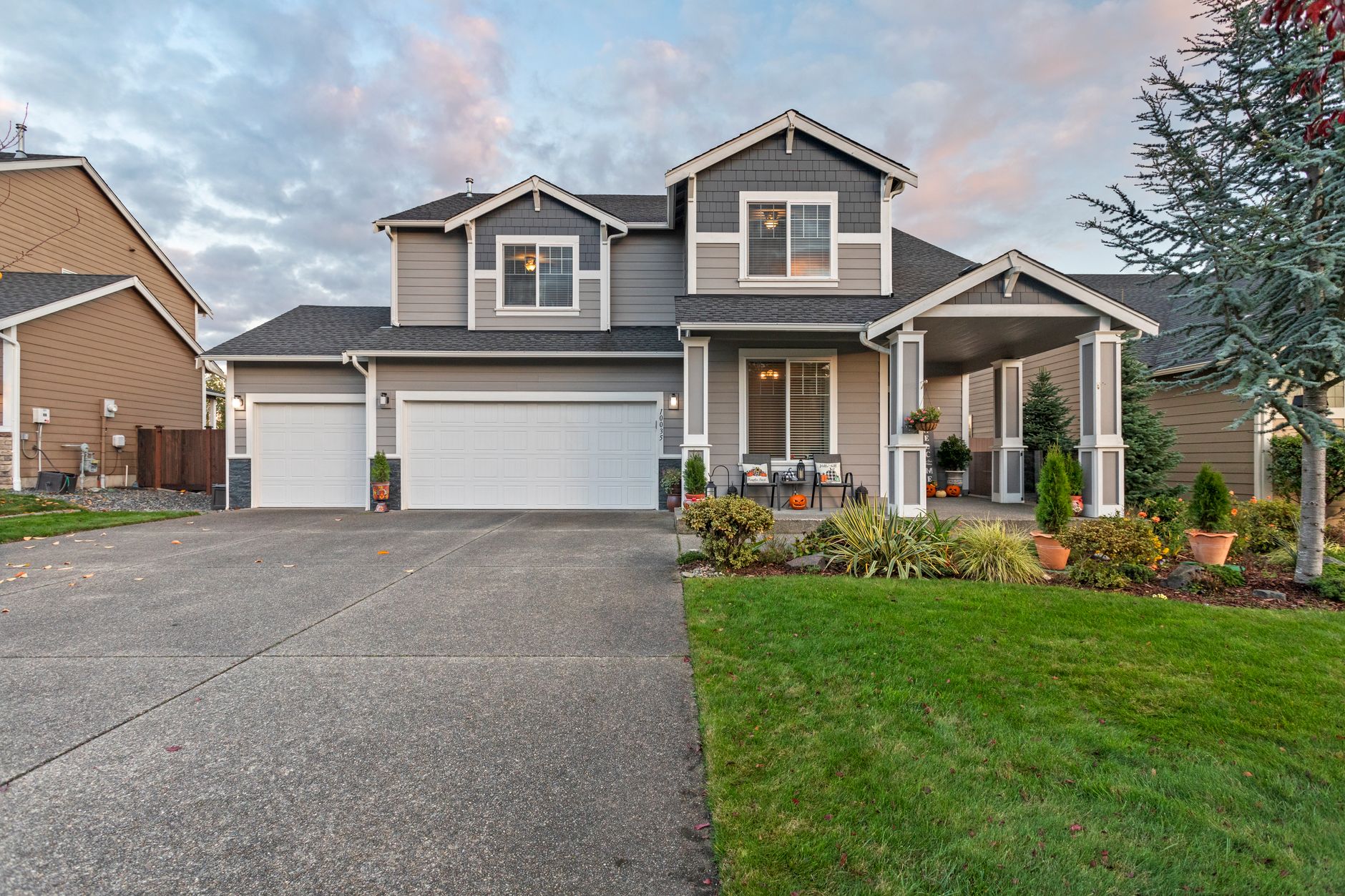
Deciding where to plant roots in Washington State often comes down to balancing urban amenities with affordability and lifestyle. Today, we're pitting two distinct cities against each other: Spokane Valley, located in Eastern Washington's inland empire, and Vancouver, nestled directly across the Columbia River from Portland, Oregon. Both offer unique benefits and drawbacks, but they cater to very different priorities.
This head-to-head comparison will dive deep into what it’s actually like to live in Spokane Valley versus Vancouver in 2026. We'll break down everything from housing costs and job markets to school quality and weekend fun, giving you the unvarnished truth so you can make an informed decision about which city truly aligns with your life goals.

Cost of Living
When it comes to your wallet, Spokane Valley generally offers a more accessible entry point. In 2026, the median home price in Spokane Valley hovers around $400,000 for a single-family home, with median rent for a 2-bedroom apartment averaging about $1,600 per month. Utilities, including electricity and internet, tend to be slightly lower than on the west side of the state. Property taxes are also comparatively less, contributing to an overall cost of living index that's often just below the national average.
Vancouver, on the other hand, comes with a higher price tag, largely due to its proximity to the Portland metro area. The median home price in Vancouver in 2026 has climbed to approximately $550,000, while median rent for a 2-bedroom unit averages around $2,100 per month. While Washington has no state income tax, Vancouver residents often face higher property taxes and a generally elevated cost of living index that sits notably above the national average. Groceries and everyday services also tend to be more expensive in Vancouver.
| Metric | Spokane Valley, WA | Vancouver, WA |
|---|---|---|
| Median Home Price (2026) | $400,000 | $550,000 |
| Median 2-Bedroom Rent (2026) | $1,600/month | $2,100/month |
| Median Household Income (2026) | $70,000 | $85,000 |
| Cost of Living Index (US Avg = 100) | ~98 | ~112 |
Job Market & Economy
Spokane Valley's economy is tightly linked to the broader Spokane metro area, which serves as the economic hub for Eastern Washington and parts of Idaho. Key industries include healthcare (Providence Health Care, MultiCare), education (Gonzaga University, Eastern Washington University), manufacturing, and logistics. The job market has seen steady growth, with an unemployment rate typically mirroring the state average, hovering around 4.5% in 2026. For those in remote work, Spokane Valley offers a compelling advantage with lower housing costs while still providing decent infrastructure and airport access.
Vancouver's job market is heavily influenced by its position as a Portland suburb. Many residents commute across the Columbia River for work, particularly in tech, healthcare, and professional services, though this commute can be notoriously congested. Within Vancouver itself, major employers include PeaceHealth, Hewlett-Packard (HP), WaferTech, and various logistics and manufacturing firms along the riverfront. The median household income in Vancouver is significantly higher than Spokane Valley, reflecting both the higher cost of living and access to a more diverse, higher-paying job pool in the Portland metro. Remote work is highly prevalent, especially in tech, with many companies based in Oregon maintaining Washington-based employees for tax advantages.
Neighborhoods
Spokane Valley offers a range of suburban neighborhoods with a more spread-out feel. Greenacres (ZIP 99016) is a popular choice for families, offering a mix of established homes and newer developments with good access to parks like Greenacres Park. Prices here are typically aligned with the median home price. Further east, Liberty Lake (ZIP 99019), while technically its own city, is often considered part of the broader Spokane Valley area and offers more master-planned communities, golf courses, and slightly higher home prices, often in the $450,000-$600,000 range, with limited walkability. The Central Valley (ZIP 99206) area provides more commercial amenities and a blend of housing styles, with slightly better walk scores for daily errands but generally lower walk scores overall compared to a dense urban center.
Vancouver's neighborhoods present a different character, from upscale suburbs to a revitalized urban core. Felida/Salmon Creek (ZIP 98686) in the north is highly sought after for its excellent schools, newer homes, and family-friendly atmosphere, with median home prices often exceeding $650,000 and low walk scores typical of suburban areas. The Waterfront/Downtown Vancouver (ZIP 98660) area has seen significant revitalization, offering a mix of luxury apartments, condos, and townhomes, with prices often starting at $400,000 for condos and rising steeply for larger units. This area boasts high walk scores, access to restaurants, and riverfront parks. Cascade Park (ZIP 98683) provides a more established, mid-range suburban feel with good amenities, where median home prices are closer to the city average.
Safety
Both Spokane Valley and Vancouver are generally considered safe cities, especially when compared to their larger, adjacent urban cores (Spokane and Portland, respectively). Spokane Valley's crime rates are typically lower than the City of Spokane, with property crime being the most common issue, mirroring many suburban areas. Areas around major commercial corridors like Sprague Avenue can see higher incidents of petty theft. Overall, most residential neighborhoods maintain a low crime profile, and residents report a strong sense of community safety.
Vancouver also benefits from being perceived as a safer alternative to Portland, especially concerning property crime. While its overall crime rate is slightly higher than Spokane Valley's, this is often concentrated in specific areas, particularly along the I-5 corridor and some parts of downtown that are undergoing transition. Residential areas like Felida, Salmon Creek, and Cascade Park report very low crime rates. Like Spokane Valley, property crime such as vehicle break-ins and package theft is the most frequently reported issue, making vigilance around personal belongings important in both cities.
Schools
Spokane Valley is primarily served by the Central Valley School District (CVSD), which is generally well-regarded within the region. CVSD schools like University High School and Horizon Middle School consistently receive ratings in the 7-8/10 range on state accountability metrics, focusing on strong academic programs and extracurriculars. Other districts like West Valley School District also serve parts of the Valley with similar ratings. Private school options include Valley Christian School and Spokane Valley Adventist School, offering alternative educational philosophies.
Vancouver boasts a robust public school system with two main districts: Vancouver Public Schools (VPS) and Evergreen Public Schools (EPS). These districts generally perform very well, with many schools rating in the 7-9/10 range, particularly in the northern and eastern parts of the city. Notable schools include Columbia River High School (VPS) and Mountain View High School (EPS), which are often cited for strong college preparatory programs. Many families also consider the nearby Camas School District, which frequently ranks among the top districts in the state for its academic excellence. Private options are abundant, including Seton Catholic High School and Our Lady of Lourdes School, providing diverse choices for parents.
Lifestyle & Things to Do
Spokane Valley offers a lifestyle heavily focused on outdoor recreation and community events. Situated along the Spokane River, residents enjoy access to the Centennial Trail for biking and walking, numerous parks, and proximity to lakes (Coeur d'Alene, Newman Lake) and mountains (Mt. Spokane) for skiing, hiking, and water sports. The dining scene is growing, with a mix of local eateries and national chains, though it lacks the high-end culinary diversity of a major metro. Nightlife is minimal, typically revolving around casual pubs and family-friendly entertainment. Summers are hot and dry, while winters bring significant snow and colder temperatures.
Vancouver provides a more urban-adjacent lifestyle with immediate access to the amenities of Portland. The Vancouver Waterfront is a prime example, offering upscale dining, breweries, and public spaces along the Columbia River. Outdoor activities are abundant, from exploring the Columbia River Gorge to quick trips to the Oregon Coast or Mt. Hood for hiking and skiing. The city's dining scene is sophisticated, benefiting from Portland's culinary influence, and there are plenty of breweries and local spots. Nightlife leans more towards craft beverage spots and casual bars. Vancouver's climate is classic Pacific Northwest: mild, wet winters and warm, dry summers, with significantly less snow than Spokane Valley.
The Verdict
If you're looking for greater affordability, a strong sense of community, and a slower pace of life deeply integrated with year-round outdoor recreation, then Spokane Valley is likely the better choice for you. It's ideal for families or individuals seeking a more suburban environment, who prioritize a lower cost of living and don't mind being a few hours' drive from a major metropolitan hub. Remote workers looking to maximize their housing budget will find Spokane Valley particularly appealing.
However, if your priorities include access to a broader, higher-paying job market, a more vibrant dining and cultural scene, and a milder climate with excellent proximity to a major city like Portland, then Vancouver is the clear winner. It's perfect for professionals, young couples, and families who are willing to pay a premium for better job prospects, more amenities, and top-tier schools, even if it means navigating Portland traffic. Vancouver offers the best of the Pacific Northwest urban experience without the Oregon income tax.
Explore neighborhood-by-neighborhood data on WYLT: Spokane Valley, WA (Spokane Valley) · Vancouver, WA (Vancouver).
Get the full data-driven report on any neighborhood at WYLT's neighborhood finder.