Moving to the Pacific Northwest? You're probably weighing Seattle and Everett more than any other pair of cities. Both sit on the Puget Sound, share a climate, and offer tech‑heavy economies, but they differ in price, family life, and daily commute.
Our comparison is for anyone who wants a concrete, data‑driven snapshot: a working professional, a remote freelancer, or a family looking for the best school district and safety profile.

Cost of Living
Below is a snapshot of the most critical numbers: Seattle’s median home price tops $895,000, while Everett sits at $615,000. One‑bedroom rents average $2,600 in Seattle versus $1,950 in Everett. Median household income is $85,300 for Seattle residents and $75,200 for those in Everett. The cost of living index, with Washington set at 100, is 161 for Seattle and 125 for Everett.
| Seattle | Everett | |
|---|---|---|
| Median Home Price | $895,000 | $615,000 |
| Median Rent (1‑bedroom) | $2,600 | $1,950 |
| Median Household Income | $85,300 | $75,200 |
| Cost of Living Index | 161 | 125 |
Utilities in Seattle run about $150 per month; in Everett the average is closer to $120. Property taxes are roughly 1.2% in Seattle and 1.1% in Everett, so the higher home value in Seattle means a larger tax bill. Sales tax is 10.1% statewide, but Seattle’s municipal add‑on pushes it to 11.3%, while Everett stays at 10.1%.
The overall cost of living in Seattle is about 36% higher than Everett. Families who can afford the higher rent and taxes find a wider array of housing options, but those on tighter budgets will likely be happier in Everett’s lower monthly expenses.
Job Market & Economy
Seattle anchors tech giants—Amazon, Microsoft, and the Boeing Corporate HQ—providing over 120,000 tech jobs. The city’s unemployment rate hovers around 5.0%, and the average tech salary tops $120,000. Remote work is well supported with numerous coworking spaces and high‑speed broadband.
Everett’s economy centers on manufacturing, most notably the Boeing Everett Factory, which employs over 10,000. Additional employers include Amazon’s Fulfillment Center and the Everett School District. The city’s unemployment rate is 5.5% and the average salary for manufacturing roles averages $68,000.
Both cities see growth, but Seattle’s median wage growth is 3.2% annually compared to Everett’s 2.1%. Remote workers can thrive in Everett because of the lower cost of living, while Seattle remains the draw for those seeking higher salaries and a broader tech ecosystem.
Neighborhoods
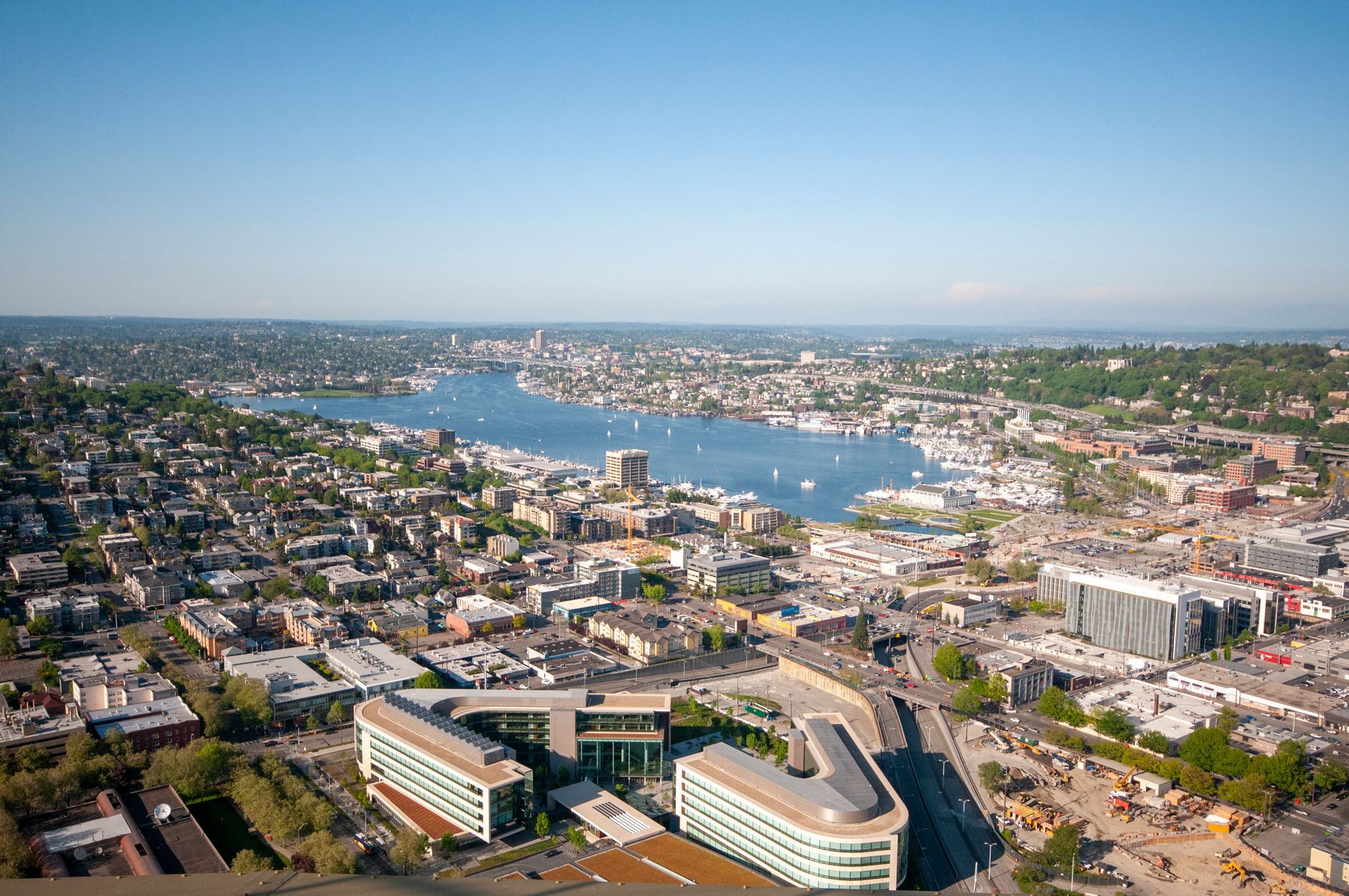
In Seattle, Capitol Hill (ZIP 98101) has a median home price of $1.1M, a walk score of 95, and a vibrant nightlife scene. South Lake Union (ZIP 98109) averages $950,000 for a single family home and offers easy access to the Link light rail. Queen Anne (ZIP 98107) has homes around $840,000 and a walk score of 82, with plenty of local coffee shops.
Everett’s neighborhoods reflect a more suburban feel: Everett Park (ZIP 98201) has median prices around $530,000 and a walk score of 58; Lakewood (ZIP 98201) sits near $460,000 with a walk score of 54. Downtown Everett (ZIP 98201) offers lofts around $630,000 and a walk score of 73, though the area still feels developing.
Walk scores in Seattle are consistently higher, making it easier to live without a car, especially in Capitol Hill and South Lake Union. Everett’s neighborhoods are more affordable but require a vehicle for many errands. Families prioritizing walkability should look to Seattle; those seeking a quieter, car‑friendly environment might prefer Everett.
Safety
Seattle’s overall crime rate is 2,300 incidents per 100,000 residents, with property crime at 1,400 and violent crime at 900. Neighborhoods like Capitol Hill report higher rates, while residential districts like Queen Anne have lower figures.
Everett records 1,800 incidents per 100,000, with property crime at 1,200 and violent crime at 600. The downtown area has the highest crime, but the outskirts, such as Lakewood, see lower incidents.
Both cities have crime hotspots: in Seattle avoid the lower‑end parts of the Central District, and in Everett steer clear of the industrial zones around the rail yard. Neighborhood watch programs are active in both, but Seattle’s larger police presence means faster response times.
Schools
Seattle Public Schools average a 6.0/10 on state rating, with top schools like Garfield High and Roosevelt High. The private sector includes the Lakeside School (8‑12) rated 9.0/10. Test scores average 4,200 in Seattle’s state math test versus 4,000 in Everett.
Everett School District holds a 6.5/10 rating, with top public schools such as Everett High School and private options like St. Joseph Catholic High (8‑12) at 8.5/10. The district’s student‑teacher ratio sits at 20:1, slightly better than Seattle’s 21:1.
Overall, Seattle’s public schools are slightly weaker on average but offer more specialized programs, while Everett’s schools rank higher academically and are more consistent. Families focused on high test scores may lean toward Everett; those valuing diverse extracurriculars might choose Seattle.
Lifestyle & Things to Do
Seattle offers a dense culinary scene, with Pike Place Market, food trucks, and world‑famous coffee shops. The city’s parks, such as Discovery Park and Green Lake, provide ample outdoor activity, though rain is frequent. Nightlife is robust, featuring bars, live music venues, and a growing craft brewery scene.
Everett’s dining scene is smaller but includes waterfront seafood restaurants and local breweries. Parks like Everett Waterfront Park and the nearby Olympic National Forest give residents access to hiking and kayaking. Nightlife is more limited, with a few bars and a small theatre circuit.
Seattle’s cultural offerings—museums, theaters, and festivals—are more abundant. Everett’s lower cost and quieter suburbs appeal to those who prefer outdoor adventures over city nightlife. Climate is similar, with Seattle experiencing more cloud cover and Everett slightly drier.
The Verdict
If you’re a tech worker chasing a high salary, or a family that wants a broader cultural scene and is willing to pay a premium, Seattle wins. Its higher cost of living is offset by better job prospects, higher wages, and a stronger tech ecosystem.
If you’re a remote freelancer, a family prioritizing higher school scores, or someone who needs more affordable housing and lower monthly expenses, Everett is the better choice. The cost advantage and more consistent school performance make it ideal for budget‑conscious moves.
Bottom line: Seattle is the go‑to for high‑earning tech talent and urban lifestyle; Everett offers a quieter, more affordable alternative with solid schools and a manageable commute to Seattle.
Get the full data‑driven report on any neighborhood at WYLT's neighborhood finder.
Explore neighborhood-by-neighborhood data on WYLT: Seattle, WA (Seattle) · Everett, WA (Everett).