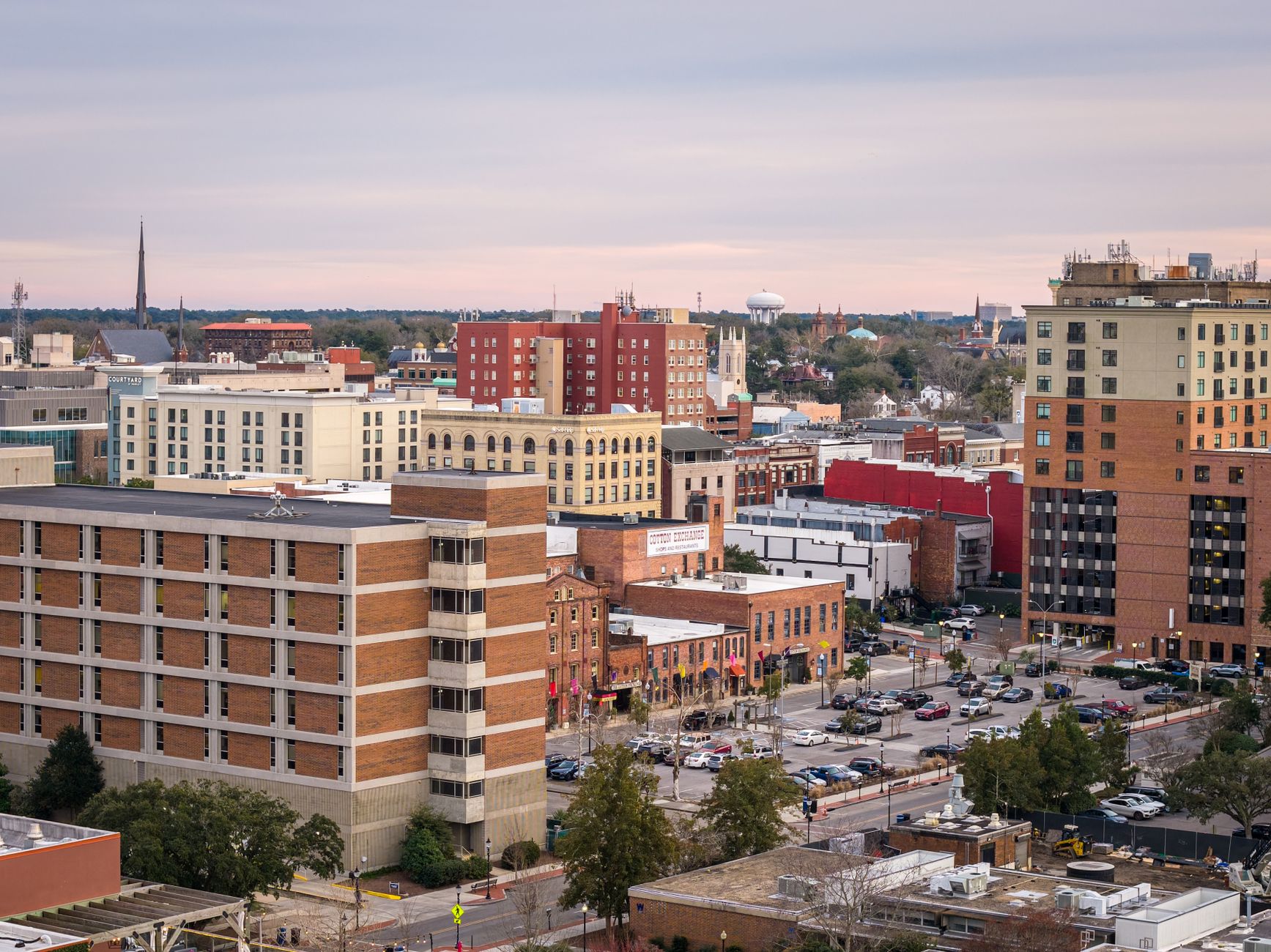
Moving to Missouri? Whether you’re a young professional, a family, or a retiree, you’ll probably wonder whether the bustling river city of St. Louis or the more modest capital city of Springfield is the better fit. Both have their own mix of advantages and trade‑offs, and you need a clear side‑by‑side snapshot to make an informed choice.
Below we break down the hard data: housing, jobs, schools, neighborhoods and more. No fluff—just numbers and the real upsides and downsides of each city.
Cost of Living
St. Louis is about 7% more expensive than Springfield when you look at the big picture. Home ownership, rent, and taxes all stack up against Springfield, but the price gap narrows when you consider utilities and state taxes.
| Metric | St. Louis, MO | Springfield, MO |
|---|---|---|
| Median Home Price (2026) | $175,000 | $155,000 |
| Median Rent (2026) | $1,200/month | $950/month |
| Median Household Income (2026) | $55,000 | $48,000 |
| Cost of Living Index (vs. national 100) | 102 | 95 |
Utilities in St. Louis average $110/month for electricity, $45 for water, $70 for gas, and $75 for broadband—about $10 higher than Springfield’s averages. The city tax in St. Louis sits at 2.5% of income versus Springfield’s 2%. Combined, these factors make the overall cost of living roughly $1,100 higher per year for a typical household in St. Louis.

Job Market & Economy
St. Louis hosts a broader industrial base. Major employers include Boeing, Centene, Walmart, and HCA Healthcare. The city’s unemployment rate sits at 4.2%, below the state average. Remote‑friendly tech startups also cluster in the Central West End and Midtown, giving younger workers more flexibility.
Springfield’s economy centers around retail and education. Walmart, Mercy Hospital, Missouri State University, and Greeley are the largest employers. Unemployment runs at 5.5%, higher than St. Louis but still lower than many rural towns. Remote work is growing but the tech sector is less mature, so opportunities tend to skew toward healthcare, education, and logistics.
Neighborhoods
St. Louis: Delmar Loop (ZIP 63101) offers a walkable mix of vintage shops and coffee houses; median home price $165,000 and walk score 70. Central West End (ZIP 63101) is a pricier, historic district with median home price $260,000 and walk score 90. Creve Coeur (ZIP 63141) is a suburb with median single‑family home $190,000 and walk score 30.
Springfield: North Side (ZIP 65806) has newer condos around $120,000 and walk score 50. Olde Towne (ZIP 65804) offers historic homes at $140,000 and walk score 60. West Springfield (ZIP 65807) features newer subdivisions at $170,000 and walk score 35.
Safety
Crime in St. Louis remains a concern. The city’s violent crime rate is 2.9 per 1,000 residents, roughly double the national average. Areas such as South St. Louis and parts of North St. Louis should be approached with caution. Springfield’s violent crime rate is 1.5 per 1,000, closer to national averages, though property crime remains relatively high in some parts of the city center.
Both cities experience pockets of higher crime—St. Louis in the North Side and downtown, Springfield in the old industrial district. Residents typically avoid those zones and stay in the well‑policed neighborhoods described above.
Schools
St. Louis Public Schools score 4/10 on the state rating scale, with few magnet schools that consistently rank high. John Burroughs Elementary and St. Louis Science Center High School are the top performers, but the district is uneven. Private options like Christian Brothers Academy offer solid education at tuition around $12,000 per year.
Springfield schools earn 6/10 statewide. Lincoln Elementary and St. Mary's Catholic School are among the highest-rated public and private schools, respectively. The Missouri State University campus also provides community education programs for families. Parent reviews praise the smaller class sizes and community involvement.
Lifestyle & Things to Do
St. Louis boasts a rich culinary scene: iconic barbecue, jazz clubs in the Soulard district, and a thriving beer bar scene. Forest Park—larger than Central Park—offers expansive green space, a zoo, and museums. The city’s humid subtropical climate means hot summers (average 93°F in July) and mild winters (average 33°F in January).
Springfield’s lifestyle is more laid back. Craft breweries, farmers markets, and the historic Springfield Art Museum fill the cultural calendar. Washington Park provides a compact green space with a walking trail and a small lake. The climate is similar but tends to be slightly cooler, with July averages 90°F and January lows 31°F.
The Verdict
If you’re a family seeking top‑rated public schools, a moderate cost of living, and a more contained urban environment, Springfield wins. It offers affordable homes, better safety, and a stable school system for parents who want to avoid the volatility of St. Louis.
If you’re a tech‑savvy professional or a retiree who values a higher concentration of jobs, a vibrant cultural scene, and a higher walk score, St. Louis is the better pick. The higher cost of living is offset by a stronger economy and richer amenities, even if it means coping with a higher crime rate.
Get the full data-driven report on any neighborhood at WYLT's neighborhood finder.
Explore neighborhood-by-neighborhood data on WYLT: Saint Louis, MO (Saint Louis) · Springfield, MO (Springfield).