Florida has been the most popular relocation destination in the country for several years running. The pitch is compelling: no state income tax, warm weather year-round, relatively affordable housing compared to the Northeast and California, and a growing job market.
Most of that is true. But there is a parallel story about Florida that doesn't make it into the relocation brochure. Here it is.
The insurance crisis is real and it's not going away

This is the single most important thing to understand about Florida real estate right now and it's the thing most buyers discover too late.
Florida's homeowners insurance market is in crisis. Multiple major insurers have either left the state entirely or stopped writing new policies in high-risk areas over the past three years. The ones that remain have dramatically increased premiums. The state-backed insurer of last resort — Citizens Property Insurance — is stretched thin and has been actively trying to reduce its exposure.
What this means in practice: in many parts of Florida you will pay $4,000 to $8,000 or more per year for homeowners insurance on a median-priced home. In coastal areas or older homes that number can be significantly higher. In some markets finding any insurer willing to write a policy has become genuinely difficult.
Before you make an offer on any Florida property get an insurance quote first. Not after — before. In some cases insurance costs will change the economics of a purchase entirely.
Flood insurance is a separate line item
Standard homeowners insurance does not cover flooding. In Florida — a state with the highest concentration of FEMA-designated flood zones in the country — this matters enormously.
If your property is in a flood zone (and many Florida properties are, including some that aren't obvious) you'll need a separate flood insurance policy through the National Flood Insurance Program or a private carrier. This typically runs $1,000 to $3,000+ per year depending on zone designation and property characteristics.
Florida also has a long history of sinkholes — a geological feature of the limestone bedrock that underlies much of the state. Sinkhole coverage is typically a separate endorsement or rider on your policy. In certain parts of central Florida it's not optional.
Property taxes vary enormously by county and city
Florida has no state income tax which is real and meaningful — but property tax rates vary significantly by county and municipality. The effective rate in most Florida counties runs between 0.8% and 1.5% of assessed value annually — lower than New Jersey or Illinois but higher than many people expect.
More importantly: Florida's homestead exemption provides meaningful property tax protection for primary residents — but only after you've established residency and applied. In the first year of ownership you don't have this protection. And if you're buying an investment property or second home you never do.
The heat is a genuine quality of life factor
Florida summers are extreme. This is not adequately conveyed by saying "it gets hot." From May through October most of Florida experiences daily high temperatures in the 90s with humidity that makes it feel like 100°F or above. Outdoor activity in the middle of the day is genuinely uncomfortable for most people. Hurricane season runs June through November with peak risk in August and September.
This is not a dealbreaker — plenty of people adapt and genuinely enjoy the Florida lifestyle. But it's a material fact about daily life that deserves honest consideration before you relocate from a place with four seasons.
Which part of Florida actually matters
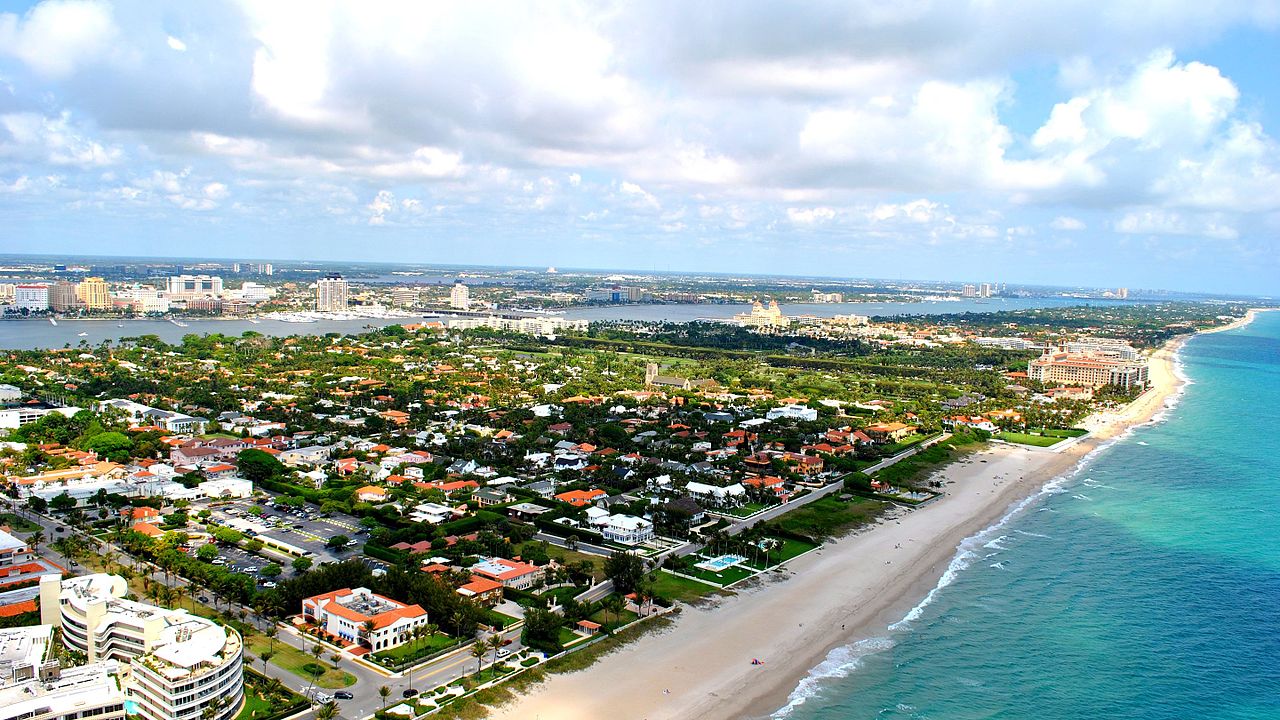
South Florida (Miami, Fort Lauderdale, West Palm Beach): The most international and culturally diverse part of the state. Strong job market anchored by finance, real estate, and healthcare. Among the highest prices and highest insurance costs in the state. Traffic is severe. Public transit is limited outside of Miami.
Tampa / St. Petersburg: The metro that consistently gets cited as the best value in Florida for quality of life relative to cost. Strong job market, more manageable traffic than South Florida, good cultural scene, better affordability. Still not immune to insurance challenges.
Orlando: Dominated by tourism and hospitality but with a growing tech and healthcare sector. More affordable than coastal markets. Traffic around the tourist corridors is genuinely bad. Neighborhoods vary enormously — do specific research on any area you're considering.
Southwest Florida (Sarasota, Naples, Fort Myers): Heavily retiree-skewed. Beautiful in many respects — beaches, nature, pace of life. Limited walkability. Car essential. Higher vulnerability to hurricane damage (Fort Myers was severely impacted by Hurricane Ian in 2022). Strong draw for the right demographic.
Jacksonville: Largest city in Florida by area, significantly more affordable than the rest of the state. Growing job market. Less of a national profile than other Florida cities but consistently underrated for livability and value.
The Panhandle: Lower cost, more Southern in character, beautiful beaches. More vulnerable to hurricane impacts than the peninsula. Limited economic diversity outside of military bases and tourism.
Is Florida right for you?
Florida is a genuine quality of life upgrade for the right person — particularly retirees, remote workers who don't need to commute, outdoor and water sports enthusiasts, and people who genuinely thrive in warm climates.
It's a harder case for families dependent on public school quality (Florida's school ratings are mixed), people who enjoy seasonal changes, anyone sensitive to heat and humidity, and buyers who haven't fully modeled the insurance and tax picture.
Go in with realistic numbers. The no-income-tax benefit is real. So is the insurance bill. Run both.