Median home price is the most quoted and most misleading number in real estate. A $300K home in one neighborhood is a steal. A $300K home in another is a trap. Here's how to read beyond the headline — and specific neighborhoods that consistently fool buyers in both directions.
Neighborhoods that look affordable but aren't

1. Parts of Detroit under $100K
Detroit has homes listed for $30,000-$80,000 that look like absurd deals. Some of them are. Most of them aren't. The hidden costs: property taxes in Detroit are among the highest in the country relative to home values, insurance is expensive due to the city's claims history, rehab costs on these properties routinely run $80K-$150K, and some neighborhoods have vacancy rates above 30% — meaning your neighbors might be nobody. The low price reflects low demand, not low cost.
2. Flood-prone coastal suburbs (Florida, Louisiana, parts of Texas)
A home in a FEMA Special Flood Hazard Area (Zone AE) that looks competitively priced needs to have the flood insurance costs added to the monthly payment. In many coastal Florida and Louisiana markets, flood insurance runs $3,000-$8,000 per year — which at a 30-year mortgage adds the equivalent of $50K-$130K to the true cost of the home. The list price doesn't reflect this.
3. Exurbs with long commutes (Stockton, CA; Palmdale, CA; Hagerstown, MD)
The math on buying in an exurb looks attractive until you add transportation costs. Driving 90 minutes each way costs roughly $12,000-$18,000 per year in fuel, maintenance, and wear — plus the time cost. At $15K/year over 10 years, the "savings" on a cheaper exurb home often disappear entirely.
4. HOA-heavy communities in the Sun Belt
A home in a gated community in Scottsdale or Henderson that lists for $400K might have an HOA of $600-$1,000/month — which at a 30-year horizon adds $216,000-$360,000 to your true cost. Always calculate HOA fees as part of the effective purchase price.
5. Declining rust belt neighborhoods with headline-low prices
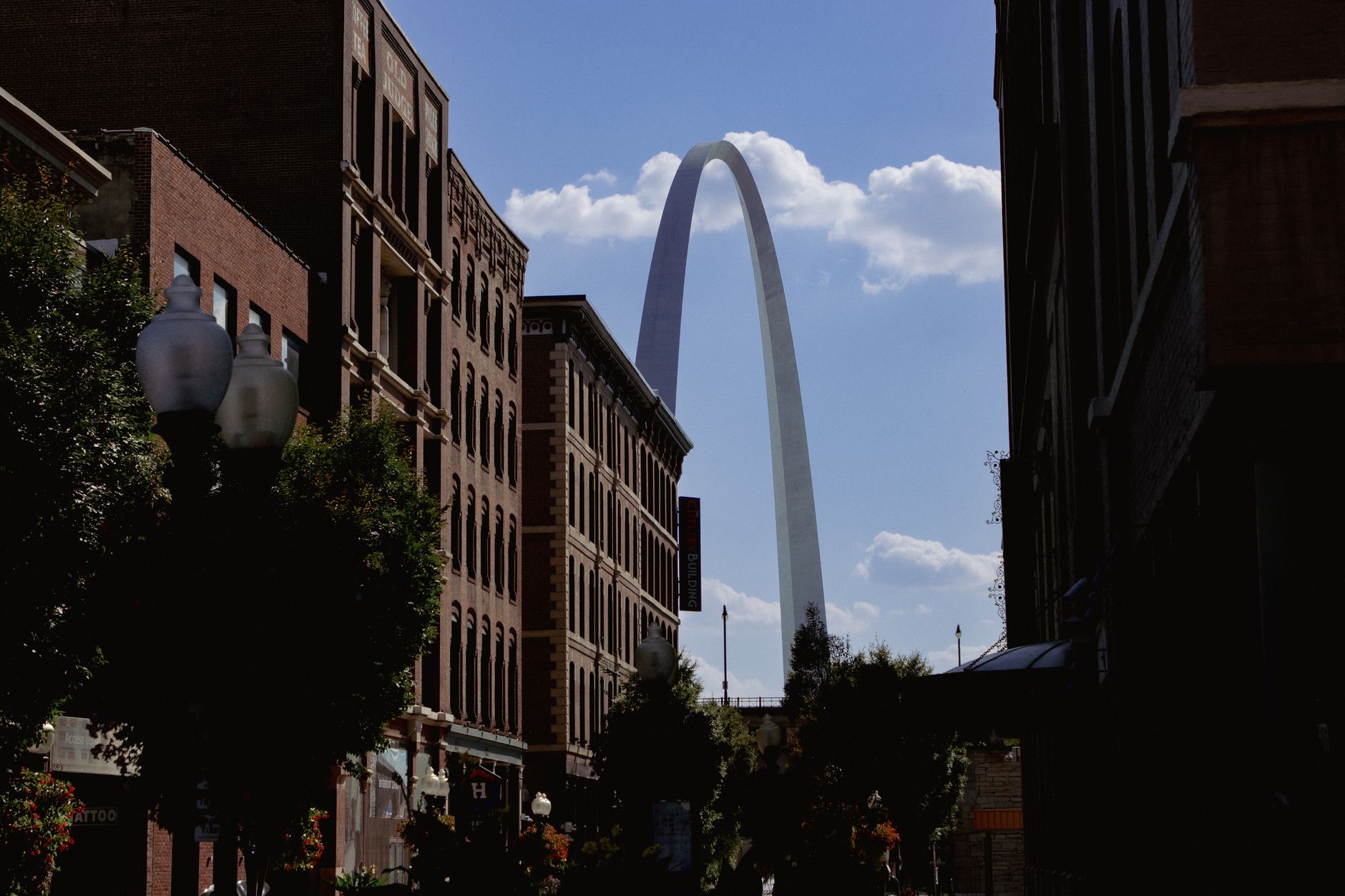
Some neighborhoods in Cleveland, Baltimore, and St. Louis have median prices of $80K-$120K. In strong, stable blocks this can be genuine value. In declining blocks, it reflects population loss, school quality issues, and services reductions. The price reflects the trajectory, not just the current state.
Neighborhoods that look expensive but are worth it
1. Hoboken, NJ
Median home price around $750K looks steep until you account for what you're buying: walkability score of 99, PATH train to Midtown Manhattan in 20 minutes, low crime relative to comparable urban density, no car needed, some of the best schools in Hudson County. On a true cost-of-living basis (no car, low commute costs), Hoboken often wins against cheaper suburban alternatives.
2. Edgewater / Andersonville, Chicago
These North Side Chicago neighborhoods carry premium prices for Chicago (~$450K-$550K) but deliver: high walk scores, excellent transit (Red Line), strong schools, and genuine neighborhood character. Many buyers initially pass on the price and end up in cheaper neighborhoods that cost them more in transportation and time.
3. Cambridge, MA
$900K+ median prices look alarming until you price out the alternative: Cambridge has walk scores above 90, excellent public schools, and no-car-required living. The true cost comparison with car-dependent suburbs frequently favors Cambridge for two-income households with children.
4. Park Slope, Brooklyn
$1.1M+ median prices, but: Prospect Park is your backyard, schools are among Brooklyn's best, and the neighborhood has delivered consistent appreciation for 25 years. Families who stretch to buy in Park Slope rarely regret it. Families who "save money" by buying in cheaper Brooklyn neighborhoods often regret it for different reasons.
5. Decatur, GA (Atlanta metro)
Decatur runs $500K-$700K — expensive by Atlanta standards. But the school system is genuinely excellent (a major differentiator in Georgia), the downtown is walkable, and the community is well-maintained. Families who move to cheaper Atlanta suburbs often discover the school quality differential the hard way.
How to read value correctly
The right framework for neighborhood value: total cost of occupancy, not list price. That means:
- Mortgage + tax + insurance + HOA
- Flood insurance if applicable
- Annual transportation costs (car, commute, etc.)
- School quality (which affects both quality of life and future resale)
- 10-year price trajectory (rising, flat, or declining?)
WYLT gives you most of these inputs — flood risk, walk score, school rating, and crime data — for any US zip code, free.