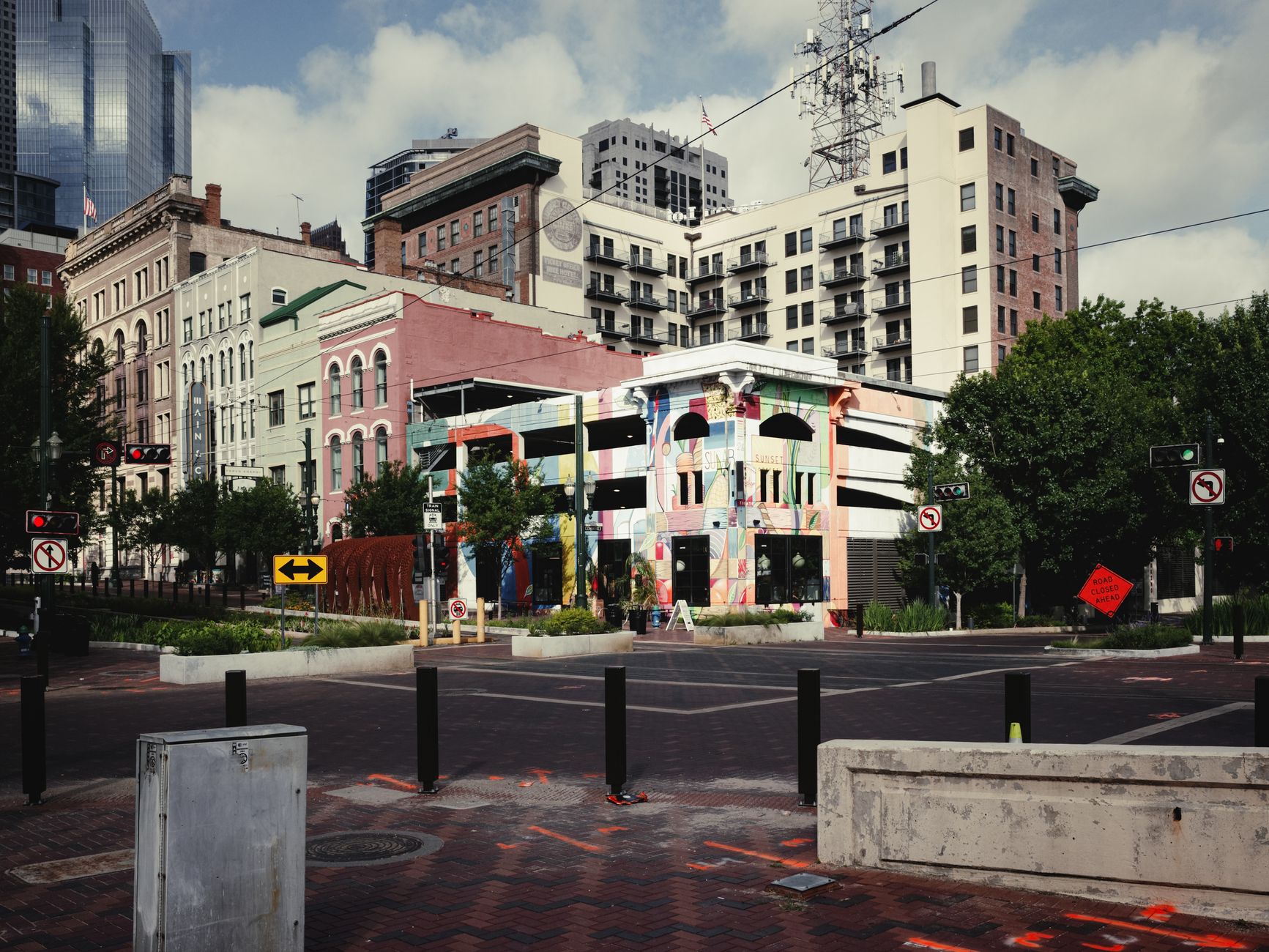
When considering a move to North Texas, the perennial debate often boils down to Dallas proper versus its bustling northern suburb, Plano. Both offer distinct lifestyles and opportunities, but they cater to very different priorities. This isn't a comparison of apples to oranges, but more like a Granny Smith to a Honeycrisp – similar in essence, but with markedly different textures, flavors, and price points.
This guide cuts through the marketing fluff to give you a clear, data-driven look at what life is really like in Plano and Dallas. We'll break down everything from housing costs and job prospects to school quality and weekend fun, helping you decide which city aligns best with your financial goals, family needs, and lifestyle preferences in 2026.
Cost of Living
When it comes to your wallet, Plano generally boasts a higher median home price but Dallas often presents a higher overall cost of living index. In Plano, the median home price hovers around $580,000, reflecting its newer construction, larger lot sizes, and top-tier school districts. Rent for a 1-bedroom apartment typically ranges from $1,850 to $2,300 per month, especially in desirable areas like Legacy West or near the Dallas North Tollway. Property taxes, while high in Texas, are often a larger dollar amount in Plano due to higher home values. Utilities, while similar, tend to be slightly lower in Plano's newer, more energy-efficient homes.
Dallas, being a much larger and more diverse city, offers a wider range of housing options. The median home price in Dallas proper is closer to $430,000, though this can skyrocket in areas like Uptown or Preston Hollow. Rent for a 1-bedroom apartment generally falls between $1,550 and $1,950, making it more accessible for single individuals or young couples. However, the overall cost of living index in Dallas is slightly higher at 118.7 compared to Plano's 114.5 (national average is 100), driven by higher transportation costs, groceries, and services in a denser urban environment. Insurance rates can also be slightly higher in Dallas.
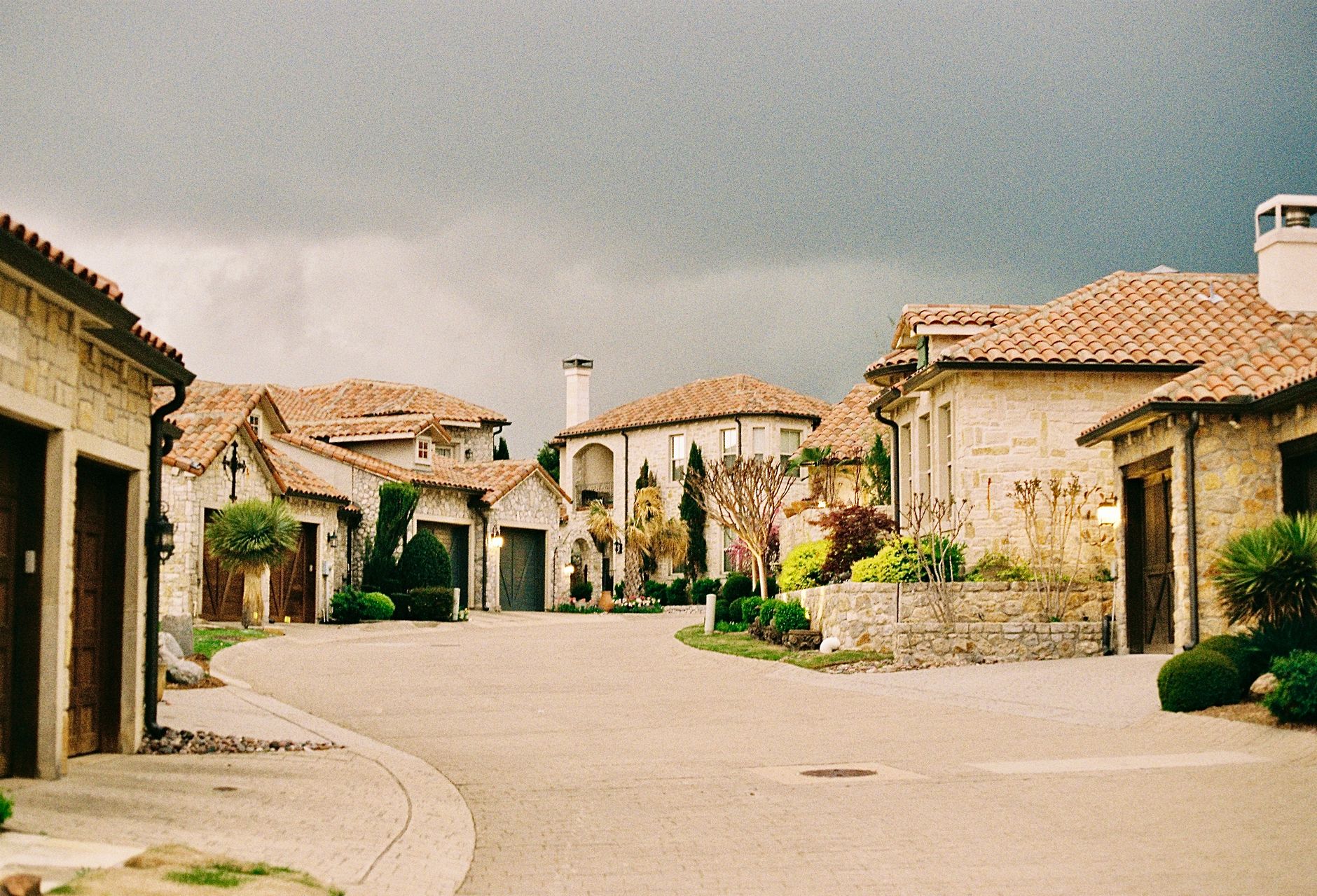
| Category | Plano, TX | Dallas, TX |
|---|---|---|
| Median Home Price | $580,000 | $430,000 |
| Median Rent (1-BR) | $2,000 | $1,700 |
| Median Household Income | $105,000 | $68,000 |
| Cost of Living Index | 114.5 | 118.7 |
Job Market & Economy
Plano's job market is robust, particularly strong in corporate headquarters, finance, technology, and insurance. It's home to major employers like Toyota North America, Frito-Lay, Liberty Mutual, JPMorgan Chase, and Capital One. The Legacy Business Park, in particular, is a sprawling hub for these large corporations, drawing a highly skilled workforce. This concentration of Fortune 500 companies contributes to Plano's consistently low unemployment rate, often hovering below the national average. Commuting within Plano is relatively easy, but traveling south to Dallas during peak hours (e.g., via Dallas North Tollway) can be a significant time drain, typically 30-60 minutes one-way.
Dallas, as the major metropolitan hub, offers a far more diverse and extensive job market. Key industries include finance (major banks and investment firms), healthcare (UT Southwestern Medical Center, Baylor Scott & White Health), technology (Texas Instruments), transportation/logistics (due to DFW Airport), and energy. Major employers like AT&T, Southwest Airlines, and American Airlines are headquartered here. While Dallas has a higher total number of jobs and a greater variety across sectors, its unemployment rate is typically slightly higher than Plano's, reflecting its larger population and economic fluctuations. Remote work opportunities are plentiful in both cities, but Dallas's vast corporate landscape often provides more options across a wider array of companies, particularly in tech and professional services.
Neighborhoods
Plano is largely characterized by master-planned communities and well-maintained suburban neighborhoods. Legacy West (ZIP 75024) is a prime example, offering a mix of upscale apartments, townhomes, and office space centered around high-end retail and dining. Walk Score here is higher than much of Plano, around 70, but still necessitates a car for most errands. Median apartment rent can hit $2,500+. Further north, neighborhoods like Willow Bend (ZIP 75093) feature large, luxury single-family homes, often starting above $800,000, with very low walkability scores (below 20). For more established, family-friendly options, areas like Harrington Homeplace (ZIP 75075) offer homes from the $400s with excellent access to Plano ISD schools, though still highly car-dependent.
Dallas, in contrast, boasts a wide spectrum of urban and suburban enclaves. Uptown (ZIP 75204) is a dense, highly walkable (Walk Score 85+) district known for its luxury high-rise apartments, condos (median condo price $550,000+), vibrant nightlife, and proximity to downtown jobs. Further south, the historic Bishop Arts District (ZIP 75208) offers an artsy, bohemian vibe with charming bungalows and renovated homes, ranging from $350,000 to $600,000, and a respectable Walk Score around 65. For families seeking good schools within city limits, Lake Highlands (ZIP 75238) provides a more suburban feel with established homes from $400,000 to $700,000, offering decent walkability in pockets (Walk Score 40-50) and proximity to nature preserves.
Safety
Plano consistently ranks as one of the safest large cities in the United States, especially compared to its urban neighbor. Its crime rates, both violent and property, are significantly lower than national averages and dramatically lower than Dallas. This is a major draw for families and those prioritizing peace of mind. While no city is entirely crime-free, serious incidents are relatively rare, and most neighborhoods are considered very safe, even after dark. The city's proactive police force and engaged community contribute to this high level of safety.
Dallas, being a major metropolitan area, has higher crime rates across the board. While certain affluent and revitalized neighborhoods like Uptown, Preston Hollow, and parts of North Dallas are generally safe, the city's overall crime statistics are impacted by areas with higher rates. Pockets of South Dallas, parts of West Dallas, and certain areas around downtown, especially after dark, can experience higher levels of violent and property crime. It's crucial for residents in Dallas to research specific neighborhoods thoroughly and be aware of their surroundings, particularly when venturing into unfamiliar or less populated areas at night. The city is actively working on crime reduction strategies, but it remains a significant consideration for many prospective residents.
Schools
Plano Independent School District (PISD) is a nationally recognized district, consistently earning high marks. PISD operates a unique cluster high school system, with feeder schools leading into highly-rated senior high schools like Plano West Senior High School and Jasper High School (both often scoring 9-10/10 on rating sites). The district is known for its academic rigor, diverse extracurriculars, and strong college preparatory programs. Many families move to Plano specifically for the public school system, making it a primary driver for housing demand and prices. Private school options, while available, are less of a necessity for many families due to the strength of PISD.
Dallas Independent School District (DISD) is one of the largest districts in the country, and its quality varies dramatically by neighborhood. While some neighborhood schools may struggle (ratings 3-5/10), DISD is home to some of the best magnet schools in the nation, such as the School for the Talented and Gifted (TAG) and the Science and Engineering Magnet (SEM), which consistently rank among the top public high schools nationally (10/10 ratings). Admission to these is highly competitive. For families in Dallas who prefer not to navigate the magnet school lottery or whose neighborhood schools are underperforming, there is a very robust private school market, including institutions like St. Mark's School of Texas and Hockaday School, which are among the top private schools nationally.
Lifestyle & Things to Do
Plano offers a distinctly suburban lifestyle focused on family, community, and convenience. Its social scene revolves around upscale shopping and dining at developments like Legacy West and The Shops at Legacy, featuring popular restaurants and boutiques. Green spaces are abundant, with large parks such as Arbor Hills Nature Preserve offering miles of hiking and biking trails. Nightlife is more subdued, typically consisting of casual bars, breweries, and family-friendly entertainment. The overall pace is slower, more relaxed, and geared towards those who appreciate a quiet, well-ordered environment. The climate is typical North Texas: hot, humid summers and mild winters.
Dallas, on the other hand, is a vibrant, bustling metropolis with an expansive cultural and entertainment scene. Its dining options are incredibly diverse, from trendy eateries in Deep Ellum and Knox/Henderson to upscale fine dining in the Arts District and Bishop Arts. The city boasts major professional sports teams (Cowboys, Mavericks, Rangers, Stars), world-class museums (Dallas Museum of Art, Perot Museum), and a thriving performing arts scene. Nightlife is energetic and varied, with clubs, live music venues, and bars catering to every taste. Dallas offers a much more dynamic, fast-paced, and diverse experience, though it comes with urban challenges like traffic and occasional homelessness. The climate is identical to Plano: hot summers with occasional triple-digit days, and generally mild winters with rare ice storms.
The Verdict
Choosing between Plano and Dallas comes down to your priorities. If you're a family with school-aged children prioritizing top-tier public education, low crime rates, and a strong sense of community, Plano is the clear winner. Its suburban charm, excellent schools, and safe neighborhoods come at a higher housing cost, but offer unparalleled peace of mind and access to corporate job hubs. You'll sacrifice some urban vibrancy and nightlife, and likely spend more time in your car, but for many families, the trade-off is well worth it.
If you're a young professional, an empty-nester, or someone who thrives on urban energy, cultural diversity, and a vibrant nightlife, Dallas is your city. While housing costs can be lower on average, you'll need to carefully research neighborhoods for safety and school quality. Dallas offers a more diverse job market, exceptional dining, arts, and entertainment, and greater walkability in certain districts. You'll contend with more traffic, higher crime rates in some areas, and a more complex public school system, but you'll be at the heart of North Texas's dynamic urban core. For those who want constant access to big-city amenities and don't mind a faster pace, Dallas wins.
Get the full data-driven report on any neighborhood at WYLT's neighborhood finder.
Explore neighborhood-by-neighborhood data on WYLT: Plano, TX (Plano) · Dallas, TX (Dallas).