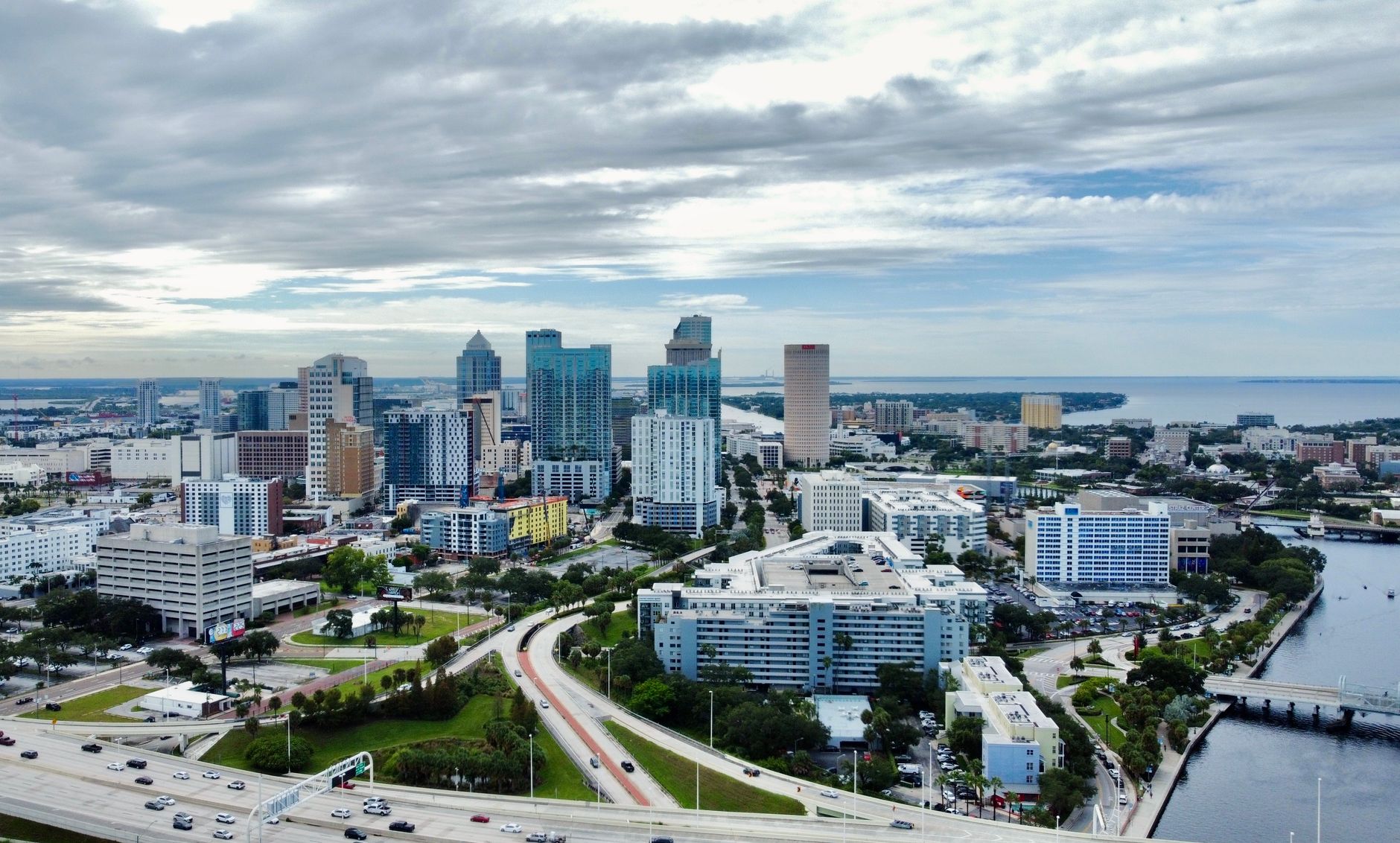
Tampa has become one of the most-searched relocation destinations in America — and the numbers back it up. The Tampa-St. Pete metro added roughly 150,000 people between 2020 and 2023. Remote workers from New York, Boston, and Chicago have been showing up with laptops and down payments, and the city's profile has changed fast enough that advice from three years ago is already obsolete.
The honest version of the Tampa story requires two things most moving guides skip: a real conversation about hurricane risk, and neighborhood-level data that shows which ZIP codes are actually worth the price. Here's both.
Is Tampa FL a Good Place to Live? The Quick Answer
Tampa earns three "Good for now" verdicts in WYLT's dataset, with four "Think twice" ratings. The "Think twice" ZIPs cover a wide range — from Hyde Park at $740K (too expensive for what you get) to East Tampa at $188K (affordable but limited amenities). The three good verdicts sit in the $188K–$478K range and represent the real Tampa that the marketing brochures aim for without quite hitting.
The bigger story isn't crime — Tampa's violent crime rate is elevated but geographically concentrated, much like most Florida metros. The bigger story is flood insurance and hurricane exposure, which are reshaping the cost calculus in ways that don't show up in the sticker price.
Tampa Hurricane Risk — The Number Every Buyer Needs to Know
Tampa Bay is consistently rated by meteorologists as one of the most hurricane-vulnerable metros in the United States. The geometry of the bay amplifies storm surge — a direct major hurricane hit could produce surge of 15–20 feet in some neighborhoods. This hasn't happened since 1921, which is precisely why so much of the current residential footprint was built in the surge zone.
Hurricane Milton in 2024 was a near-miss that put this risk into sharp focus. The evacuation orders covered most of the peninsula, and insurance rates responded accordingly. Florida homeowner's insurance has become the most expensive in the nation — average premiums in Tampa run $4,000–$8,000 per year depending on zone and coverage level. Flood insurance adds another $1,500–$4,000 for properties in FEMA Special Flood Hazard Areas.
This is not a reason to avoid Tampa. Millions of people live here and love it. It is a reason to get specific insurance quotes before you fall in love with a property, and to factor total housing cost — mortgage + insurance — rather than just the purchase price.
Tampa Neighborhood Breakdown — What WYLT's Data Shows
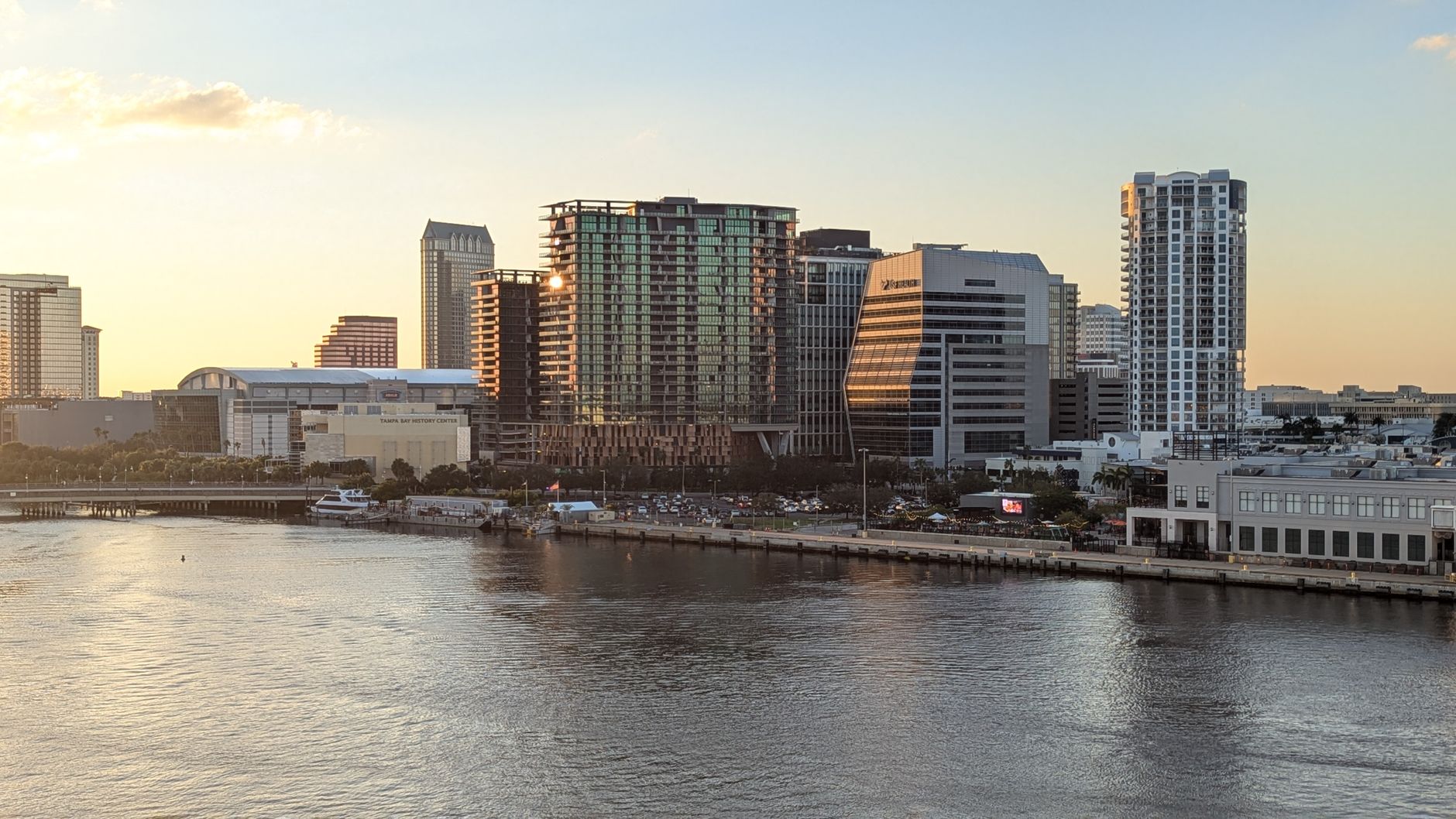
33602 — Downtown Tampa: Good for now ✅
Walk score 35, schools 6.9, median home $464,000. Downtown Tampa earns a "Good for now" as the most genuinely urban ZIP in the metro — the Riverwalk, Amalie Arena, and the Channel District restaurant scene are all walkable from here. The walk score of 35 is honest: it's better than most of Tampa but still car-dependent for daily errands. At $464K with a improving neighborhood trajectory, it's the most defensible urban buy in the city. Renters who want urban energy without South Tampa prices should look here first.
33609 — West Tampa / Beach Park: Good for now ✅
Walk score 43, schools 7.0, median home $478,000. The highest walk score in WYLT's Tampa dataset — Beach Park and the Kennedy corridor give this ZIP more day-to-day walkability than most of the peninsula. Schools rate 7.0, the best in the dataset. At $478K it's comparable to downtown but with a more residential feel and better school access. The catch: it's closer to the flood zones along Old Tampa Bay, so flood insurance quotes matter before you buy.
33610 — East Tampa: Good for now ✅
Walk score 8, schools 6.8, median home $188,000. The most affordable "Good for now" verdict in the dataset — East Tampa is the entry point for buyers who need Tampa but can't stretch to $460K+. Car-dependent, limited walkable amenities, longer commute to downtown. But the crime profile in this ZIP is manageable and the $188K median gives first-time buyers a path in. The school rating of 6.8 is middle of the road for Tampa. Worth considering for budget-constrained buyers who have researched the specific streets.
33606 — Hyde Park: Think twice ⚠️
Walk score 0, schools 7.0, median home $740,000. Hyde Park has the bungalows, the restaurants, and the Bayshore Boulevard waterfront — and it's wildly expensive for what the data supports. Walk score of 0. At $740K with full car dependence and flood exposure along the bay, the cost-to-value equation is off. You're paying for the address and the Instagram appeal, not the fundamentals. If South Tampa is calling you, the $478K West Tampa ZIP earns a better WYLT verdict at lower cost.
33629 — South Tampa: Think twice ⚠️
Walk score 8, schools 7.0, median home $726,000. South Tampa earns "Think twice" for the same reasons as Hyde Park, amplified by its extreme flood exposure. The Palma Ceia and Ballast Point neighborhoods along the bay are beautiful and expensive — and they're in FEMA Special Flood Hazard Areas. At $726K with walk score 8 and flood insurance premiums that can run $5,000+/year, the total cost of ownership is well into seven figures. For buyers with strong financial cushions who love this specific lifestyle, South Tampa works. For most buyers doing the math, it doesn't.
33605 — Ybor City: Think twice ⚠️
Walk score 25, schools 6.9, median home $214,000. Ybor City has the most cultural identity in Tampa — the cigar heritage, the nightlife on 7th Avenue, the historic architecture. The walk score of 25 is better than most of Tampa. But crime rates are elevated (Ybor's entertainment district has the expected incidents of any nightlife zone), the school rating is the lowest in the dataset at 6.9, and the "Think twice" reflects a neighborhood still in the middle of its transition. Great for renters wanting urban energy at low cost; more uncertain for buyers banking on appreciation.
33613 — North Tampa / University: Think twice ⚠️
Walk score 21, schools 6.6, median home $215,000. North Tampa near USF has the lowest school rating in the dataset (6.6) and the second-lowest price. The university adjacency drives rental demand but also the property crime and turnover that university corridors always carry. Walk score 21 is better than South Tampa's suburban ZIPs but doesn't reflect true walkable access to quality amenities. For investors targeting student rentals, it makes sense. For families or buyers wanting stability, the data points elsewhere.
Saint Petersburg — The Tampa Alternative Worth Knowing
Saint Pete gets lumped in with Tampa because it shares the metro, but it's a distinct city with its own character and WYLT data.
33701 — Downtown St. Pete: Think twice ⚠️ at $500,000 with a walk score of 82 — the highest walkability in the entire Tampa metro. The Beach Drive restaurant scene, the Dali Museum, the Mahaffey Theater, and the waterfront make downtown St. Pete arguably more livable than anything in Tampa proper on a day-to-day basis. The "Think twice" comes from price: at $500K with flood exposure on the peninsula, the insurance math applies here too. For buyers who specifically want the walkable small-city feel, St. Pete is worth the premium over Tampa's car-dependent south end.
33707 — Central St. Pete: Think twice ⚠️ at $305,000, walk score 7. The more affordable side of St. Pete — car-dependent, further from the waterfront energy, but significantly cheaper entry price. For buyers priced out of downtown who want the St. Pete zip code, this is the path.
Tampa Cost of Living — What the Numbers Actually Mean
Tampa is no longer cheap. The 2020–2023 migration wave pushed median home prices up 60–80% in most ZIPs. The metro that offered $180K bungalows five years ago now has $740K bungalows in Hyde Park and $726K townhomes in South Tampa.
The price range across WYLT's reviewed Tampa ZIPs runs $188,000 (East Tampa 33610) to $740,000 (Hyde Park 33606). The sweet spot is the $464K–$478K range in downtown and West Tampa, where the two urban "Good for now" verdicts sit. Property taxes in Hillsborough County run approximately 1.0–1.2% of assessed value annually. Florida's homestead exemption reduces assessed value by $50,000 for primary residences.
The variable that most incoming Tampa buyers underestimate: total insurance. Between homeowner's insurance and flood coverage, $8,000–$12,000 per year in insurance premiums is realistic for properties in flood-exposed ZIPs. On a $500K loan at 6.5%, that's adding roughly $650–$1,000/month to your effective housing cost before property taxes.
Tampa Job Market and Traffic Reality
Tampa's economy has more substance than it gets credit for. Major employers include Raymond James Financial (headquartered here), USAA's Tampa operations, Tampa General Hospital, BayCare Health System, and a growing fintech and healthcare IT sector. MacDill Air Force Base is a significant federal employer. The city has attracted tech company expansions and regional headquarters at a rate that makes the job market meaningfully broader than just tourism and services.
Traffic is the honest downside nobody wants to lead with. I-275 through downtown is genuinely painful during peak hours. The Selmon Expressway helps east-west movement but has tolls. The metro's transit system (HART) is underfunded and car dependence is near-total outside of downtown. Plan your commute by car, not by transit, and factor it into neighborhood selection — 33602 and 33609's 10–15 minute downtown commutes look very different from a North Tampa or Wesley Chapel commute that can hit 45+ minutes in traffic.
The Honest Verdict on Moving to Tampa
Tampa rewards buyers who do the work. The "Good for now" verdicts in downtown (33602), West Tampa (33609), and East Tampa (33610) represent genuine value at three different price points. The "Think twice" verdicts for Hyde Park and South Tampa are not about the lifestyle — it's excellent — they're about a price-to-fundamentals gap that the insurance math makes visible.
The one question every Tampa buyer should answer before signing: have you gotten actual flood insurance quotes for the specific property, added them to your monthly cost, and confirmed you're still comfortable? If yes, Tampa makes sense. If you haven't done that math, do it before you close.
For renters, Tampa is less fraught — lease while you research, and the city's trajectory is genuinely positive. The restaurant scene on 7th Avenue (Ybor), the Riverwalk, and St. Pete's Beach Drive give the metro a lifestyle quality that matches its price better than the raw insurance numbers suggest.
Also in the WYLT moving guides: Orlando FL, Miami FL, Jacksonville FL.