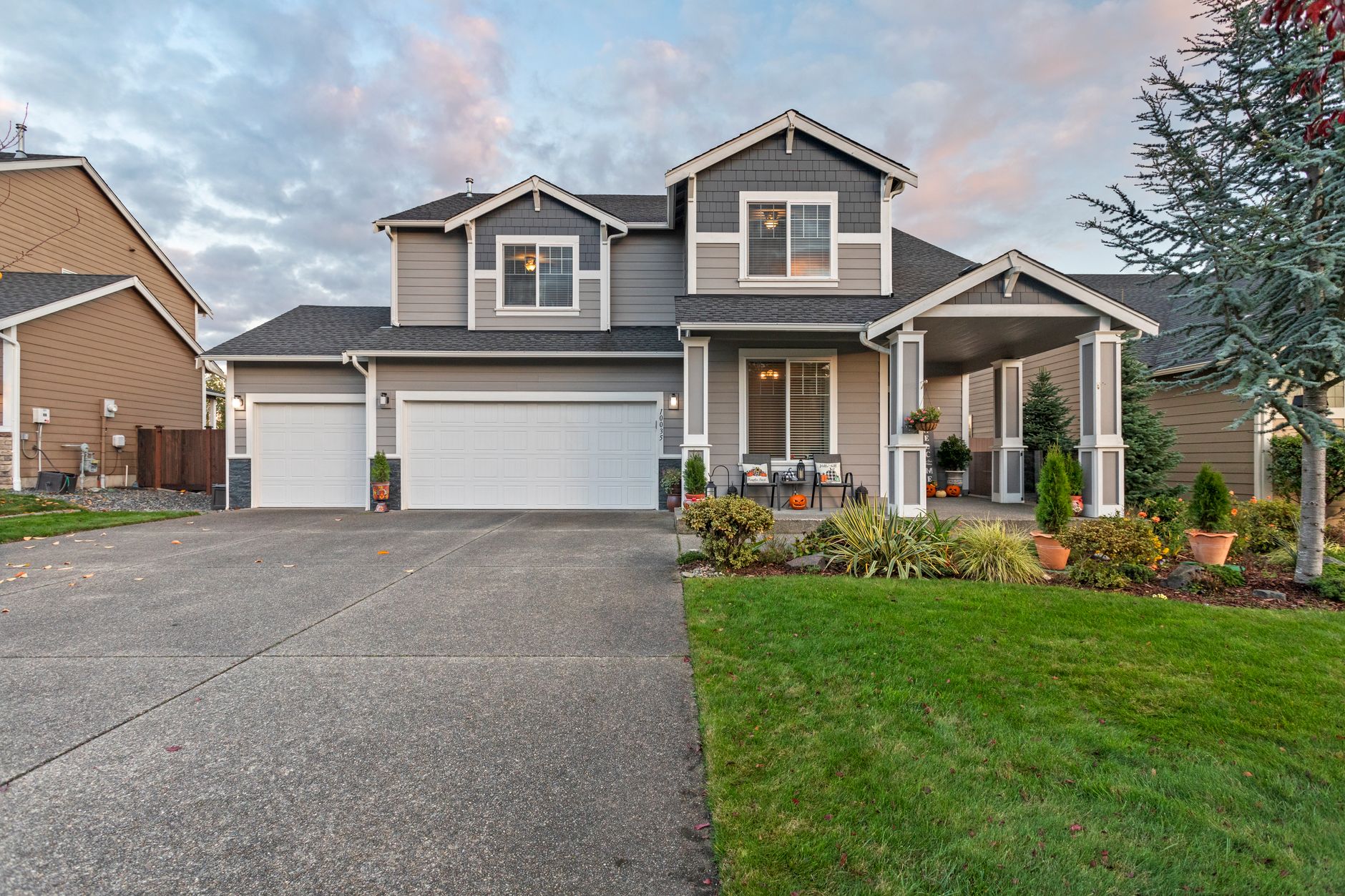
Moving to a new city means juggling a ton of factors—price, job prospects, safety, schools, and the everyday vibe you’ll live with. For anyone weighing Fort Worth against San Antonio, this comparison gives straight numbers and the honest pros and cons that real residents care about.
Both Texas cities have grown quickly over the past decade, but they pull in different crowds. Fort Worth feels more suburban with a classic western heritage, while San Antonio mixes military influence, a historic Spanish legacy, and a booming tech scene. The rest of this post breaks each element down side‑by‑side so you can decide which city fits your lifestyle and budget.
Cost of Living
When you look at the raw numbers, Fort Worth is roughly 15–20 % more expensive than San Antonio in every housing category. The median home price in Fort Worth is about $280,000, compared with $230,000 in San Antonio, and the median rent for a one‑bedroom apartment hovers around $1,600 per month versus $1,350. These differences ripple into utilities, property taxes, and the overall cost of living index.
Utilities in both cities are similar—average electricity bills of $110 and water/garbage around $70 per month. Property taxes are a little higher in San Antonio (about 2.6 % of assessed value) than in Fort Worth (roughly 2.5 %). Sales and income taxes are identical across the state, so the main tax difference is the local property levy.
Putting all of that together, a family that wants to buy a home would see a roughly $50,000 advantage in San Antonio, while a renter would save about $300 a month. The cost of living index confirms the trend: Fort Worth sits at 97, and San Antonio at 93—meaning San Antonio is consistently cheaper across most expense categories.
| Metric | Fort Worth | San Antonio |
|---|---|---|
| Median Home Price | $280,000 | $230,000 |
| Median Rent (1‑bedroom) | $1,600 | $1,350 |
| Median Household Income | $70,000 | $58,000 |
| Cost of Living Index | 97 | 93 |
Job Market & Economy
Fort Worth’s economy is anchored by defense, logistics, and financial services. The top employers include Lockheed Martin, USAA, Dell Technologies, and H‑EB, and the region hosts a growing number of tech startups thanks to the nearby Dallas‑Fort Worth metro market. The unemployment rate is just 3.1 %, slightly below the state average, and remote work is well supported by a robust fiber‑optic network.
San Antonio leans heavily on the military, with Joint Base San Antonio (JBS‑A) and Lackland Air Force Base driving a significant portion of the workforce. The city also hosts large corporate headquarters like USAA, Toyota, and a growing digital‑media sector. Unemployment sits at 3.4 %, with a notable proportion of jobs that can be done remotely, especially in tech and professional services.
Salary disparities are modest; tech roles in Fort Worth average $95,000, while San Antonio offers about $90,000 for similar positions. However, the lower cost of living in San Antonio means a net purchasing power advantage for most wage earners. If you’re a tech professional who wants a lower commute and a vibrant tech ecosystem, San Antonio edges out.
Neighborhoods
Fort Worth offers neighborhoods that blend historic charm with new‑wave amenities. Oak Cliff’s 21st Street (ZIP 76102) has homes averaging $350,000 and a walk score of 65; the area is known for its eclectic cafés and thriving arts scene. The Near‑Southside (ZIP 76107) features lofts around $300,000 and a walk score of 70, and is popular among young professionals. Downtown Fort Worth (ZIP 76102) has a mix of renovated warehouses and condominiums, with prices ranging from $200,000 to $400,000, and a walk score of 85.
San Antonio’s high‑end neighborhoods include Alamo Heights (ZIP 78202) where single‑family homes average $420,000 and walk scores hover around 60; the area is prized for its tree‑lined streets and upscale dining. Stone Oak (ZIP 78238) is the new‑wave hotspot, with single‑family homes from $280,000 and a walk score of 70; it’s a magnet for tech workers and families. Downtown San Antonio (ZIP 78205) has historic brick lofts and condos ranging from $150,000 to $350,000, with a walk score of 90 thanks to the Riverwalk and a dense public‑transport network.
Safety
Fort Worth’s overall crime rate is 18.3 per 1,000 residents, slightly higher than the Texas average. Neighborhoods like Oak Cliff and Near‑Southside report property crime rates around 25 per 1,000, while downtown sees a mix of petty thefts and vandalism during late‑night hours. The city has increased police patrols in the 76107 zip, but visitors should remain cautious around nightlife zones after 11 pm.
San Antonio’s crime index sits at 16.7 per 1,000 residents, marginally better than Fort Worth’s. However, certain areas in Northside (ZIP 78215) and the outskirts of Mission exhibit higher burglary rates, averaging 28 per 1,000. The downtown Riverwalk area enjoys a robust police presence, making it safe for families and tourists, though occasional pickpocket incidents can occur near crowded events.
Schools
Fort Worth ISD is rated 7.2/10 statewide, with top schools like T‑P High School and Fort Worth Academy drawing strong test scores. The private sector offers the St. Catherine School and the St. James Episcopal School, both rated above 9/10. Families seeking a balance between public excellence and private options will find Fort Worth competitive, though the district is larger and more varied.
San Antonio ISD receives a 6.8/10 rating, with standout schools such as Alamo High and Stone Oak High performing above 8/10. The private scene includes the St. George’s Catholic School and the San Antonio Christian School, each earning 9/10 in state surveys. While the public schools in San Antonio offer strong athletics and arts programs, some families may prefer the smaller class sizes of Fort Worth’s private schools.
Lifestyle & Things to Do
Fort Worth’s cultural scene thrives on a mix of western heritage and contemporary art. The Fort Worth Stockyards host a weekly rodeo, and the Modern Art Museum draws visitors year round. The city’s culinary map boasts barbecue joints like “Ruth’s Chris,” and the 21st Street district offers a variety of gastropubs. Climate-wise, Fort Worth experiences hot summers (average July high 98°F) and mild winters (average January low 29°F).
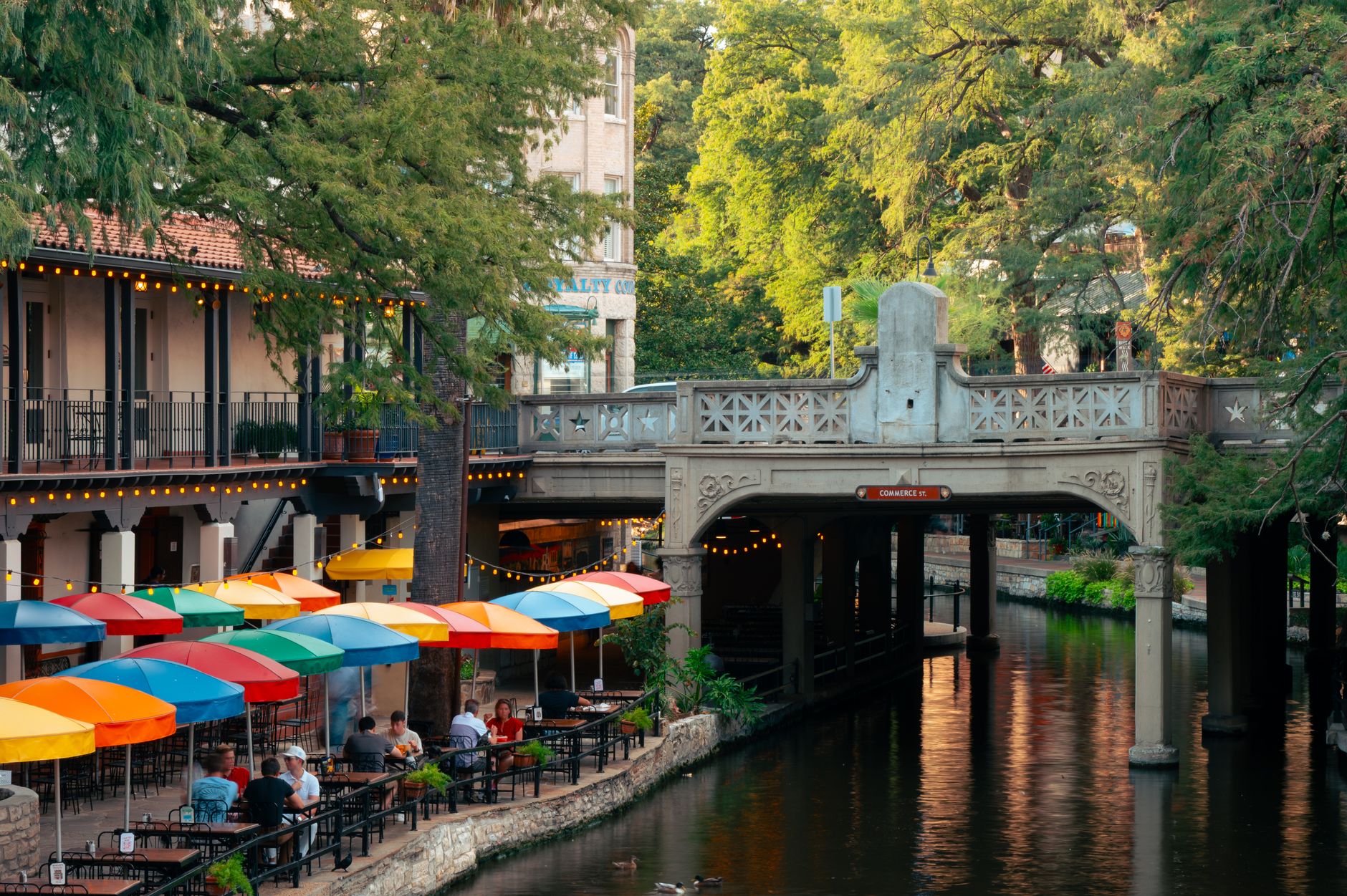
San Antonio is a blend of historic charm and military flair. The Riverwalk, a 10‑mile network of walkways, offers restaurants, boutiques, and the iconic bridge that frames the city’s skyline. The Alamo’s historic grounds remain a major tourist draw, while the San Antonio Museum of Art showcases contemporary pieces. Summers are hot (average July high 102°F), but the city’s lower elevation keeps evenings breezy, and winter lows average 36°F.
The Verdict
Fort Worth wins for those who prioritize a strong job market in defense and logistics, higher median incomes, and a suburban vibe that blends historic charm with modern amenities. Families who need a high‑scoring public school and a more varied private‑school landscape should lean toward Fort Worth.
San Antonio outshines for budget‑conscious renters, lower cost of living, and a dynamic military‑and‑tech economy that supports remote work. Its Riverwalk culture, historic attractions, and a tight‑knit community vibe make it ideal for young professionals and families who want affordable homes and a vibrant city feel.
Get the full data‑driven report on any neighborhood at WYLT's neighborhood finder.
Explore neighborhood-by-neighborhood data on WYLT: Fort Worth, TX (Fort Worth) · San Antonio, TX (San Antonio).