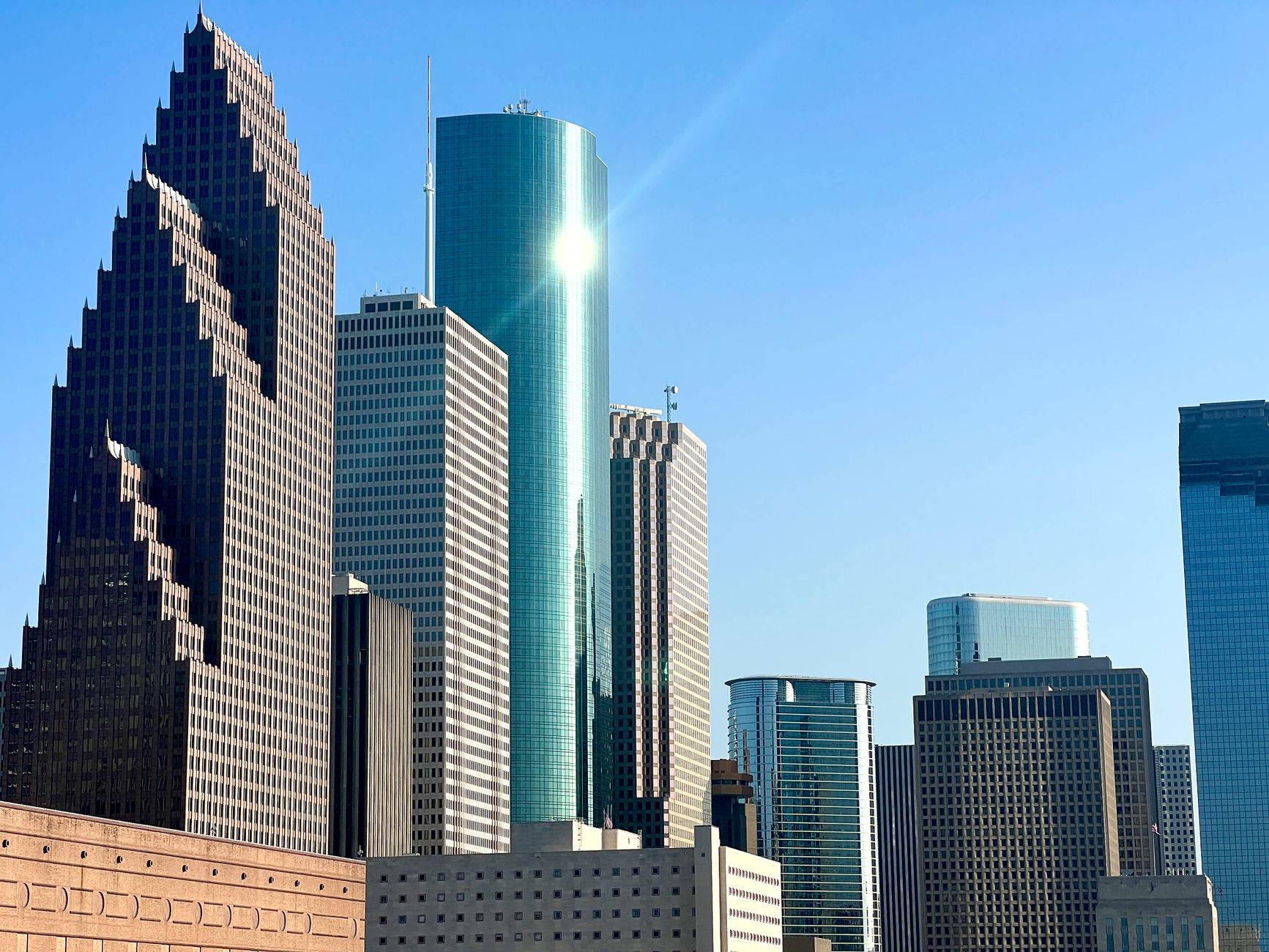
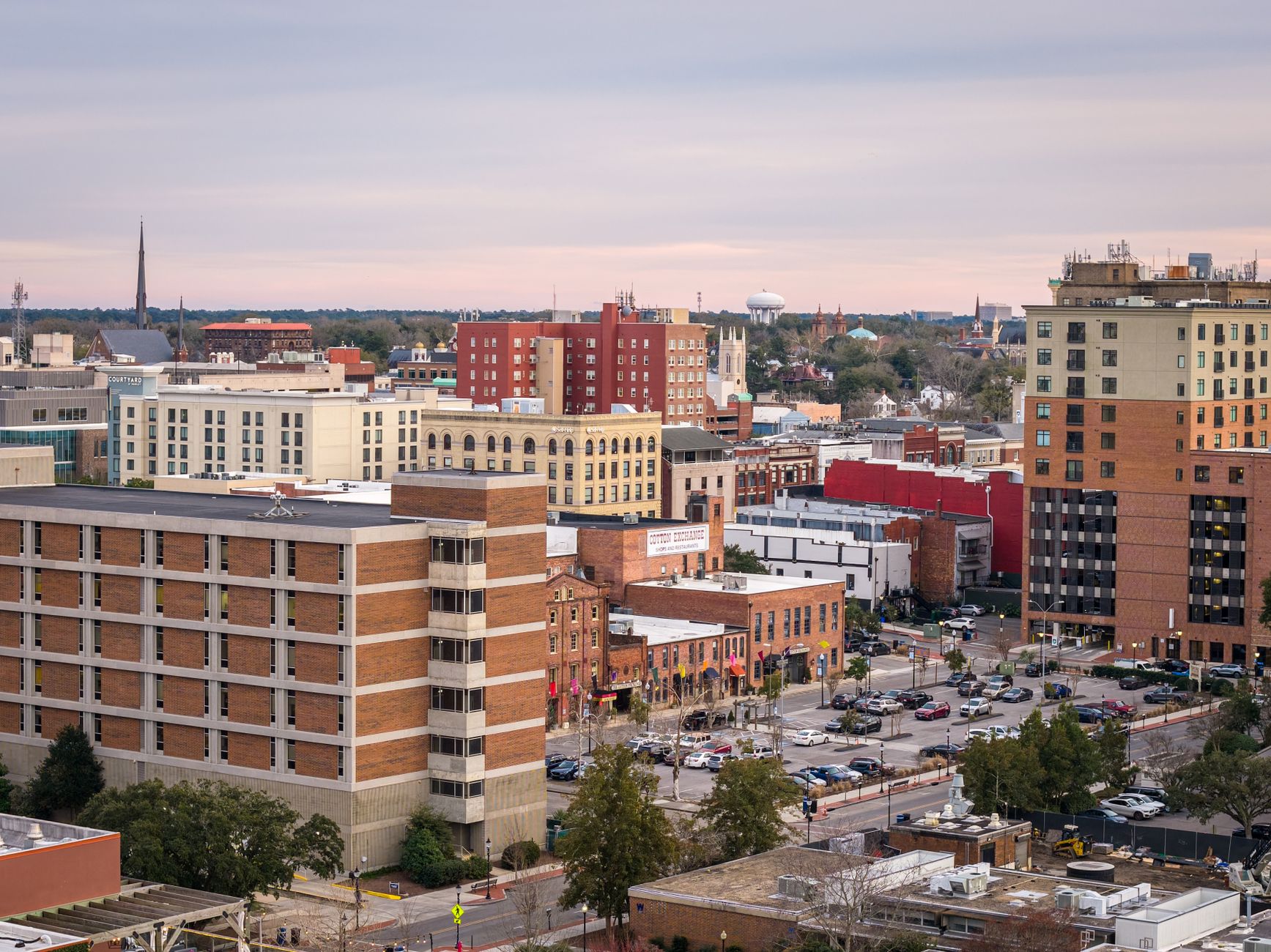
Everett and Bellevue sit on opposite ends of Washington’s north‑west corridor, yet they both promise a slice of Pacific Northwest life with very different flavors. This guide is for anyone who’s weighing the trade‑offs between the working‑class vibe of Everett’s waterfront and the upscale, tech‑driven pulse of Bellevue, and who wants hard data to back the decision.
We’ll walk through cost of living, jobs, neighborhoods, safety, schools, lifestyle, and finally a straight‑up verdict. If you’re a family, a remote worker, a tech nerd, or just someone who likes to know what’s up before you move, you’ll find the numbers here to be the real compass.
Cost of Living
| Metric | Everett (2026) | Bellevue (2026) |
|---|---|---|
| Median Home Price | $520,000 | $950,000 |
| Median 1‑Bed Rent | $2,050 | $3,100 |
| Median 2‑Bed Rent | $2,700 | $4,250 |
| Utilities (avg/yr) | $2,400 | $2,700 |
| Property Tax Rate | 1.2 % | 1.5 % |
| Cost‑of‑Living Index* | 106 | 130 |
*Relative to national average of 100. Everett’s index reflects modest housing and tax costs, while Bellevue’s higher index stems from its pricey real estate and premium amenities.
Renters in Everett enjoy roughly $1,000 less for a comparable apartment, and homeowners pay less than half the price of a Bellevue single‑family home. Utility bills are a bit higher in Bellevue, but the difference is marginal compared to the rent differential. Property taxes are also a cost edge for Everett, with a 0.3 % lower rate on average.
Job Market & Economy
Everett’s employment landscape is anchored by the Port of Everett, Boeing manufacturing, Amazon’s Seattle‑based operations, and a growing tech cluster around the University of Washington’s satellite campus. The unemployment rate hovers around 3.8 %, and remote work is viable for many tech and logistics roles.
Bellevue is the unofficial tech hub of the region, home to Microsoft’s Seattle campus, Amazon’s regional office, T‑Mobile’s corporate headquarters, and a host of startups. Its unemployment rate sits near 2.5 %, reflecting a robust demand for software, cloud, and data‑center talent. Remote work is widespread, but in‑office roles still dominate due to the concentration of headquarters.
Neighborhoods
Everett’s neighborhoods vary from the historic 5th Avenue district, where single‑family homes retail around $400,000–$650,000, to the newer Northport development offering condos at $250,000–$350,000. Walk scores average 35, with the waterfront promenade and the Everett Waterfront Park serving as key pedestrian hubs.
Bellevue’s key areas include Downtown Bellevue, where lofts and townhomes run from $800,000–$1.2 million, Lakeside, known for its upscale single‑family homes between $1.1 million and $1.8 million, and the burgeoning Bridle Trails area with new condos starting at $400,000. Walk scores are high—often above 80—thanks to dense retail, transit, and public spaces.
Safety
Everett’s overall crime rate is 23% above the national average, with property crime peaking in the East Hill and Northport zones. Violent crime remains low, but residents report higher burglary incidents near the waterfront commercial strip.
Bellevue enjoys a crime rate 15% below the national average, largely due to its affluent neighborhoods. However, the South Bellevue district near the interstate corridor has seen upticks in auto theft, and some waterfront properties are prone to vandalism during off‑season months.
Schools
Everett Public Schools score 6/10 on district ratings. Top public options include Everett High School (A‑grade) and the recently renovated Everett Elementary (A). Private choices like St. Joseph Catholic School provide alternative education, but tuition ranges from $12,000–$18,000.
Bellevue School District tops the state with an 8/10 rating, offering high‑ranking schools such as Bellevue High (A+) and Mercer Middle (A). Private schools like St. Mary’s Academy charge $20,000–$25,000 per year, reflecting the district’s strong academic reputation.
Lifestyle & Things to Do
Everett offers a waterfront experience with the Port of Everett’s maritime events, the historic Everett Harbor, and parks like Lake Washington Park. Restaurants lean toward seafood and craft beer, with staples such as the Pike & J. and the Port House Café. The climate is mild, with average annual precipitation of 39 inches, and a cool summer average of 73 °F.
Bellevue’s culture centers around high‑end retail at the Bellevue Collection, dining at places like the acclaimed Fork, and the Bellevue Arts Museum. Nightlife is vibrant, especially in the downtown district, with bars and live music. The climate is similar to Everett’s but slightly warmer in summer, averaging 75 °F. The city’s proximity to Seattle allows easy access to larger cultural venues.

The Verdict
If you’re a family looking for a lower cost of living, moderate school options, and a waterfront vibe, Everett wins. Its housing market is affordable, and the community has a steady manufacturing base that offers stable jobs.
If you’re a tech professional who values proximity to major corporate headquarters, high‑rating schools, and a walkable downtown, Bellevue is the clear choice. The higher cost pays for a premium lifestyle and strong job prospects.
Remote workers who prioritize lower rent and a laid‑back atmosphere will find Everett more appealing, whereas those who want the convenience of a dense urban core and top‑tier amenities will gravitate toward Bellevue.
Get the full data‑driven report on any neighborhood at WYLT's neighborhood finder.
Explore neighborhood-by-neighborhood data on WYLT: Everett, WA (Everett) · Bellevue, WA (Bellevue).