When considering a move within Eastern Nebraska, Bellevue and Omaha often come up as top contenders. While Omaha is the largest city in the state, Bellevue, its southern neighbor, offers a distinct suburban experience. This comparison is for anyone weighing the benefits of a bustling urban center against a more community-focused, military-influenced suburb, all while staying within the same metropolitan area.
We'll dive into the real numbers and everyday realities of living in both places in 2026, from housing costs and job markets to school quality and weekend activities. Our goal is to give you a clear, honest picture so you can decide which city truly aligns with your lifestyle and priorities.
Cost of Living
When it comes to your wallet, Bellevue generally offers a slight edge in affordability compared to Omaha. The median home price in Bellevue hovers around $270,000, while Omaha's median sits a bit higher at roughly $300,000. Rent prices follow a similar pattern; a median 1-bedroom apartment in Bellevue typically costs around $1,200, whereas in Omaha, you'd expect to pay closer to $1,350. Utilities and general goods are comparable given their proximity, but property taxes can vary by specific jurisdiction within each city. Both cities benefit from Nebraska's overall lower cost of living compared to the national average.
The cost of living index (with 100 being the national average) shows Bellevue at approximately 82.5, indicating it's about 17.5% cheaper than the U.S. average. Omaha is slightly higher at 88.0, still well below the national benchmark but marginally more expensive than its neighbor. This difference, while not dramatic, can add up over time, especially for housing. For families, the difference in housing costs can be a significant factor when deciding between a larger home in Bellevue versus a similar-sized property in certain Omaha neighborhoods.
| Metric | Bellevue, NE | Omaha, NE |
|---|---|---|
| Median Home Price | $270,000 | $300,000 |
| Median 1-Bedroom Rent | $1,200 | $1,350 |
| Median Household Income | $74,000 | $69,000 |
| Cost of Living Index (U.S. Avg=100) | 82.5 | 88.0 |
Job Market & Economy
Omaha boasts a more diverse and robust job market, serving as the economic engine for the entire state. Key industries include finance (Mutual of Omaha, Berkshire Hathaway, TD Ameritrade), insurance (WoodmenLife, Physicians Mutual), transportation (Union Pacific Railroad), and a rapidly growing tech sector with companies like PayPal's regional operations. Healthcare is also a major employer, anchored by Nebraska Medicine and the University of Nebraska Medical Center (UNMC). Omaha's unemployment rate typically tracks slightly below the national average, reflecting its healthy economy. For remote workers, Omaha offers a strong infrastructure and numerous coworking spaces.
Bellevue's economy is heavily influenced by Offutt Air Force Base, which is the largest employer in the area. This provides a stable base of government and defense contractor jobs, including companies like Northrop Grumman and BAE Systems. Beyond the base, Bellevue's job market is more service-oriented, with retail, education (Bellevue Public Schools, Bellevue University), and local healthcare providers making up a significant portion of employment. While it has fewer corporate headquarters than Omaha, its proximity means many Bellevue residents commute to Omaha for work. Commute times to downtown Omaha from Bellevue average around 20-30 minutes, depending on traffic and specific origin/destination.
Neighborhoods
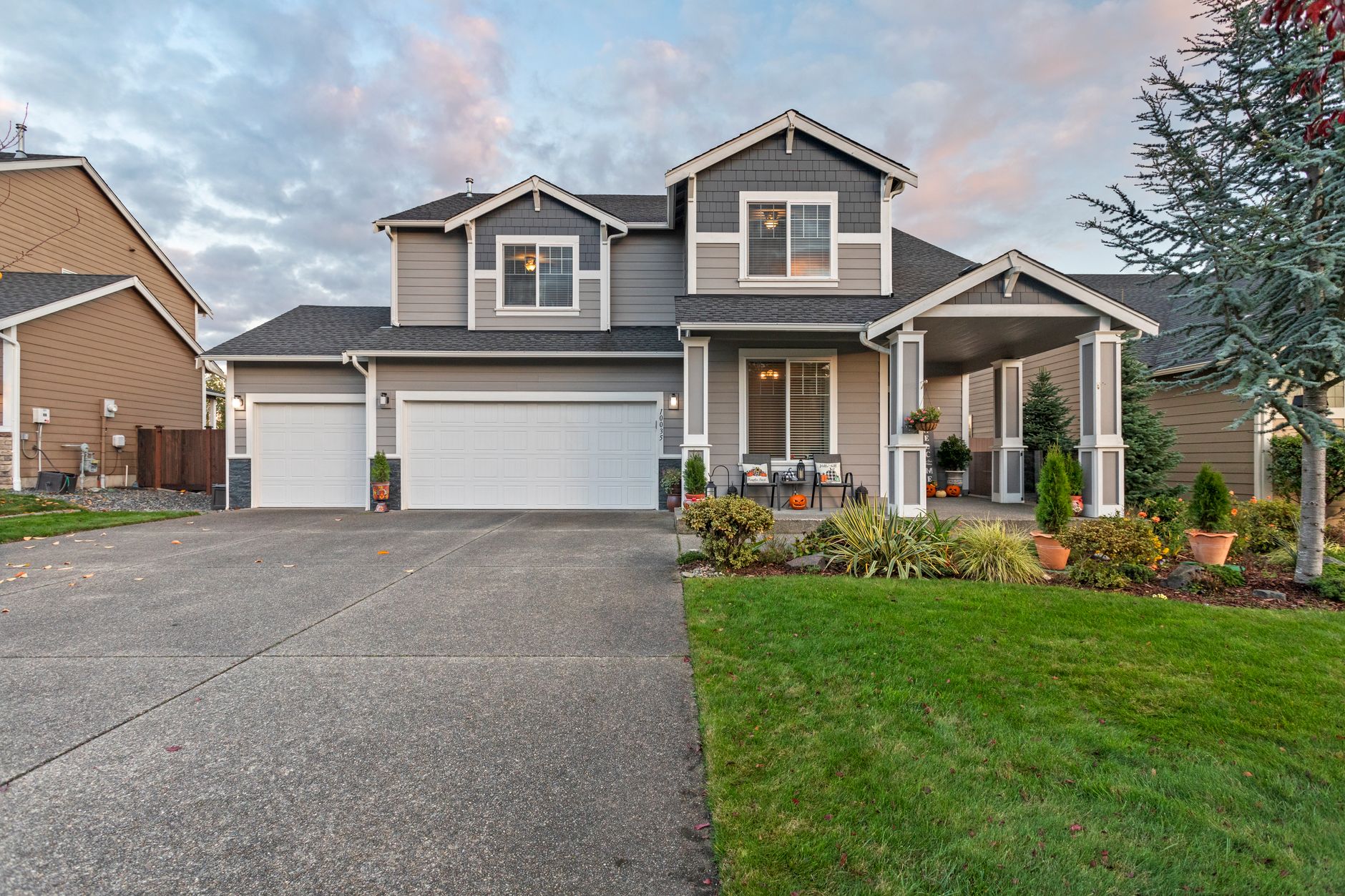
Bellevue offers a largely suburban residential experience, often characterized by well-maintained single-family homes and a strong sense of community. Areas like Willowdale (ZIP 68157) are popular with families, featuring mature trees, good schools, and homes typically ranging from $250,000 to $350,000. Its walk score is generally low, emphasizing car dependency. The historic Olde Towne district in Bellevue offers some older homes and local shops, but it's not a bustling urban core by any means. Residents appreciate Bellevue's quieter streets and generally slower pace.
Omaha, on the other hand, presents a much broader array of neighborhood types. For urban vibrancy, the Old Market (ZIP 68102) is famous for its cobblestone streets, art galleries, restaurants, and nightlife; housing here is primarily lofts and condos, often starting from $200,000. The Dundee neighborhood (ZIP 68132) is a historic, walkable area with charming bungalows, independent shops, and acclaimed restaurants, with home prices often ranging from $350,000 to $600,000+. For a more modern, planned community feel, Aksarben Village (ZIP 68106) offers a mix of apartments, townhomes, and retail, popular with young professionals and families, with rent for 2-bedrooms around $1,600-$2,000. Further west, neighborhoods like Millard (ZIP 68130, 68137) offer highly-rated suburban schools and newer housing developments, with median home prices similar to or slightly above Omaha's average, catering to families seeking top-tier schools.
Safety
Generally, Bellevue maintains a reputation as a very safe community, particularly within its residential areas. Its lower population density and strong community focus, coupled with the presence of Offutt AFB, contribute to a feeling of security. Serious violent crime is infrequent, and property crime rates are lower than in the more populated parts of Omaha. Residents typically feel safe walking in most neighborhoods, even after dark.
Omaha, as a larger metropolitan area, naturally has more varied crime statistics. While many neighborhoods, particularly in the western and southern parts of the city (like Millard or Elkhorn), are exceptionally safe with low crime rates, certain areas, especially parts of North Omaha, experience higher rates of property and violent crime. Downtown areas like the Old Market can see more petty theft and typical urban issues due to higher foot traffic and nightlife. Overall, Omaha's crime rate is comparable to other cities of its size, but prospective residents should research specific neighborhoods within the city to understand their localized safety profiles.
Schools
Bellevue Public Schools (BPS) is a highly regarded district, generally receiving ratings of 6-7/10 on GreatSchools.org. It serves the entire city of Bellevue and some surrounding areas. Schools like Mission Middle School and Bellevue East High School often receive solid marks for academic performance and student support. The district is known for its strong community involvement and stable funding, offering a consistent educational experience across its schools. For families prioritizing a cohesive, well-supported public school system in a suburban setting, Bellevue is a strong choice.
Omaha's school landscape is more complex and diverse. Omaha Public Schools (OPS) is the largest district, serving the central and eastern parts of the city, and its schools vary widely in performance, typically ranging from 4-6/10 overall on GreatSchools. However, within the broader Omaha metro area, there are several highly-rated suburban districts that attract families. Millard Public Schools (MPS), serving West Omaha, consistently ranks among the best in the state, with many schools scoring 8-9/10, including Millard North High School. Westside Community Schools (WCS), another top-tier district in central-west Omaha, also boasts strong ratings, often 7-8/10, with schools like Westside High School. Private school options are abundant in Omaha, including Creighton Preparatory School, Marian High School, and Brownell-Talbot, offering a wide range of academic and religious affiliations.
Lifestyle & Things to Do
Bellevue offers a quieter, family-oriented lifestyle. Its recreational offerings lean towards outdoor activities, with access to large green spaces like Fontenelle Forest, which provides miles of hiking trails and nature exploration. Dining consists mainly of local eateries and national chains, with a focus on casual family dining. Nightlife is minimal, revolving around a few local pubs. The community often gathers for local events, parades, and school-related activities. The pace is relaxed, and residents appreciate the easy access to nature and a less hurried existence.
Omaha provides a much more expansive and diverse lifestyle experience. Its culinary scene is vibrant and nationally recognized, with high-end restaurants in the Old Market and Dundee, ethnic cuisine across the city, and a thriving craft brewery scene in Benson. Arts and culture are plentiful, with institutions like the Durham Museum, Joslyn Art Museum, and the Holland Performing Arts Center. Major sporting events, from the College World Series to professional soccer and hockey, are regular occurrences. Parks like Zorinsky Lake Park and the newly renovated Gene Leahy Mall offer urban green spaces. While Omaha certainly has suburban areas, its core city offers significantly more in terms of entertainment, dining, and cultural attractions. Both cities experience classic Midwestern weather: hot, humid summers; cold, snowy winters; and beautiful, temperate springs and autumns.
The Verdict
Choosing between Bellevue and Omaha ultimately comes down to your personal priorities and lifestyle preferences, as they offer distinct experiences within the same metro area.
Choose Bellevue if: You are looking for a quieter, more traditional suburban environment with a strong sense of community. It's an excellent fit for military families or those prioritizing a slightly lower cost of living and a consistently good public school system (Bellevue Public Schools). If you value easy access to nature (like Fontenelle Forest) and prefer a slower pace of life with less traffic, Bellevue wins. It's ideal for those who don't need a bustling nightlife or a vast array of high-end dining options on their doorstep.
Choose Omaha if: You crave a more diverse and dynamic urban experience with a wider range of job opportunities, particularly in finance, tech, and healthcare. It's perfect for young professionals, foodies, and culture enthusiasts who want access to a thriving restaurant scene, museums, live music, and professional sports. Families who prioritize access to top-tier specific school districts like Millard Public Schools or Westside Community Schools, or who want a broader choice of private education, will find Omaha's options superior. If you're willing to pay a bit more for housing and enjoy a more active, metropolitan lifestyle, Omaha is your clear winner.
See the full data-driven report for Bellevue, NE and Omaha, NE.
Get the full data-driven report on any neighborhood at WYLT's neighborhood finder.