The national median home price crossed $420,000 in 2025. For first-time buyers with a household income under $100,000 — which describes most of the country — that number is essentially a hard stop. At a 7% interest rate with 5% down, a $420,000 home requires roughly $2,800 per month in principal and interest alone, before taxes, insurance, or maintenance. That's not a starter home. That's a stretch for a dual-income household.
But $300,000 is not a fantasy number in every market. In a meaningful slice of the country, $300,000 buys a real three-bedroom house with a yard — not a fixer-upper in a declining neighborhood, but a move-in-ready home in a city with a functioning economy, decent schools, and actual things to do. You just have to know where to look.
This guide covers the markets where $300,000 is still a legitimate starter-home budget — with real WYLT data on schools, walkability, and neighborhood quality so you can compare them honestly.

The markets where $300K works — at a glance
| City | State | WYLT Verdict | Median Home Price | School Rating | Walk Score |
|---|---|---|---|---|---|
| Cleveland | OH | Settle here | $282,800 | 6.9/10 | 74/100 |
| Columbus | OH | Settle here | $280,000 | 7.0/10 | 62/100 |
| Pittsburgh | PA | Good for now | $281,500 | 6.6/10 | 25/100 |
| Albuquerque | NM | Good for now | $278,400 | 7.4/10 | 12/100 |
| Milwaukee | WI | Good for now | $298,600 | 7.0/10 | 54/100 |
| Des Moines | IA | Good for now | $309,300 | 6.1/10 | 65/100 |
| Chesapeake | VA | Good for now | $312,300 | 8.6/10 | 39/100 |
| Hoover | AL | Good for now | $320,000 | 8.0/10 | — |
| Nashville | TN | Good for now | $337,000 | 7.6/10 | 27/100 |
1. Cleveland & Columbus, Ohio — "Settle here" under $285K
Ohio belongs at the top of this list. Two of the state's major cities — Cleveland 44113 ($282,800) and Columbus 43234 ($280,000) — earn WYLT's "Settle here" verdict, the highest rating on the platform. That's not a common combination: a city with sub-$285K median home prices and a "Settle here" verdict means the data supports it as a genuine long-term buy, not just a cheap-but-risky option.
Cleveland's case is particularly strong on walkability — a Walk Score of 74 means the Tremont, Ohio City, and West Side neighborhoods have real pedestrian infrastructure. Ohio City has become one of the better food and bar districts in the entire Midwest, anchored by the West Side Market (operating since 1912). The Cleveland Clinic and University Hospitals system make the city one of the major healthcare employment hubs in the country — which means real professional jobs at real salaries.
Columbus is the state capital, home to Ohio State University, and has been one of the fastest-growing cities in the Midwest for the past decade. Intel's $20 billion chip manufacturing facility outside Columbus — the single largest private investment in Ohio history — has added a technology employment layer on top of the existing state government and university economy. At $280,000 median, it is one of the most underpriced major-city markets in the country relative to its economic trajectory.
→ Full Cleveland report | → Full Columbus report
2. Pittsburgh, Pennsylvania — comeback city with $281K median
Pittsburgh 15206 has spent the last 20 years transforming from a post-industrial cautionary tale into one of the most cited "comeback cities" in American urban planning. Carnegie Mellon University and the University of Pittsburgh anchor a genuine technology and robotics research ecosystem — Uber's self-driving car program started here, Google maintains a significant Pittsburgh office, and a cluster of AI and robotics companies has grown around the university infrastructure.
At $281,500 median home price, Pittsburgh offers something rare: an architecturally interesting city with genuine hills and neighborhoods (Lawrenceville, Shadyside, Squirrel Hill, South Side), real restaurant and bar culture, two major research universities, and strong hospital employment — at a price that is essentially impossible to find in any comparable East Coast city. The city's famous "three rivers" geography and hillside neighborhoods give it a physical character that flat Midwestern cities can't match.
The honest caveat: Pittsburgh's school system has documented challenges district-wide, and the local economy is strong in specific sectors (healthcare, technology, education) without being broadly deep. Research the specific neighborhood and school cluster before buying. The East End neighborhoods — Squirrel Hill, Point Breeze, Shadyside — are generally the strongest choice for families prioritizing schools and walkability simultaneously.
→ Full Pittsburgh report: schools, crime, price trends, flood risk
3. Albuquerque, New Mexico — $278K with 7.4/10 schools and Southwest geography
Albuquerque 87107 is the most geographically distinctive city on this list. The Sandia Mountains rise 10,000 feet on its eastern edge. The Rio Grande runs through the city. The desert climate means 310+ days of sun annually and ski slopes within 30 minutes of downtown. For buyers who want outdoor access as part of their lifestyle, Albuquerque delivers something that Ohio and Pennsylvania simply cannot match.
The WYLT data: $278,400 median home price, school rating of 7.4/10 (the highest on this list among the sub-$290K cities), and a "Good for now" verdict. The University of New Mexico and Kirtland Air Force Base are the city's major institutional employers. Sandia National Laboratories — the federal nuclear research facility — adds a significant professional employment layer. The city's food scene reflects its location at the intersection of Native American, Hispanic, and Anglo Southwest cultures: authentic New Mexican chile dishes (red or green?), Pueblo-influenced cooking, and a growing contemporary restaurant scene along Central Avenue and the Nob Hill district.
→ Full Albuquerque report: schools, crime, price trends, flood risk

4. Milwaukee, Wisconsin — $298K, Walk Score 54, overlooked Great Lakes city
Milwaukee 53213 consistently lands near the top of "most underrated American cities" lists, and the housing data backs it up. At $298,600 median — just under the $300K threshold — and a Walk Score of 54, Milwaukee offers something rare in the sub-$300K market: genuine urban infrastructure. The East Side, Bay View, and Riverwest neighborhoods have functioning pedestrian commercial districts, independent restaurants and bars, and Lake Michigan access that gives the city a waterfront character entirely unlike a landlocked Midwestern hub.
Milwaukee's identity as a brewing city is historical, but its contemporary craft beer and food scene is genuinely excellent. The city is within 90 minutes of Chicago by Amtrak, and the proximity to the larger metro without paying Chicago prices has made it increasingly attractive to remote workers. The Harley-Davidson Museum, the Milwaukee Art Museum (the Santiago Calatrava-designed waterfront building), and a strong live music scene give the city cultural infrastructure that surprises people who've never visited. A school rating of 7.0/10 and "Good for now" verdict round out a package that's hard to beat at this price.
→ Full Milwaukee report: schools, crime, price trends, flood risk
5. Des Moines, Iowa — $309K, Walk Score 65, capital city value
Des Moines 50309 has been on "best places to live" lists for years, and the data is consistent: a Walk Score of 65 (genuinely walkable by Midwest standards), a "Good for now" verdict, and $309,300 median home price make it one of the strongest pure-value propositions for first-time buyers in the country. The city's insurance industry concentration (Principal Financial, Wellmark, EMC Insurance) provides stable, well-paying professional employment that doesn't depend on a single tech employer.
The Gray's Lake trail system, the Principal Riverwalk, and the downtown farmers market (one of the largest in the country, running Saturday mornings from May through October) give Des Moines a quality-of-life infrastructure that its population size doesn't necessarily predict. The city has invested heavily in its downtown core over the last decade, and the result is a walkable restaurant and bar district that regularly surprises people expecting nothing but corn.
→ Full Des Moines report: schools, crime, price trends, flood risk
6. Chesapeake, Virginia — $312K with 8.6/10 schools (the best on this list)
Chesapeake 23320 is the school quality standout on this list — a rating of 8.6/10 that beats every other city here by a meaningful margin, at a median home price of $312,300. Chesapeake is part of the Hampton Roads metro area, which includes Virginia Beach, Norfolk, and Portsmouth, giving residents access to the region's military employment base (the largest naval complex in the world is in Norfolk), the Virginia Beach oceanfront, and the Norfolk restaurant and arts scene — all without paying Virginia Beach or Norfolk prices directly.
Chesapeake is a large, sprawling city with a Walk Score of 39 — you will need a car for most daily activities. But for families who make school quality their primary filter and are working in the Hampton Roads military-industrial complex or with a remote income, $312K with 8.6/10 schools is a combination that is genuinely hard to find anywhere in the East Coast corridor.
→ Full Chesapeake report: schools, crime, price trends, flood risk
7. Hoover, Alabama and Nashville, Tennessee — the Sun Belt picks
Hoover 35244, a suburb of Birmingham, delivers a school rating of 8.0/10 at a median of $320,000. The Hoover City Schools system consistently ranks among the best in Alabama, and the suburban infrastructure — retail, healthcare, parks — is well-developed relative to its price. Birmingham's overall metro has been growing as a healthcare and financial services hub, and Hoover captures the upside of that growth at prices that still make starter-home math work.
Nashville 37211 represents the top of this list at $337,000 — and it requires honesty about where that number is heading. Nashville's metro has appreciated significantly and $337K in 2026 is likely toward the lower end of what's available rather than the median across the whole city. But the 37211 ZIP code — covering the Antioch and Haywood neighborhood corridor southeast of downtown — remains in the range, with a school rating of 7.6/10 and proximity to the broader Nashville economy. If you're considering Nashville, move quickly: this price window may not persist.
→ Full Hoover report | → Full Nashville 37211 report
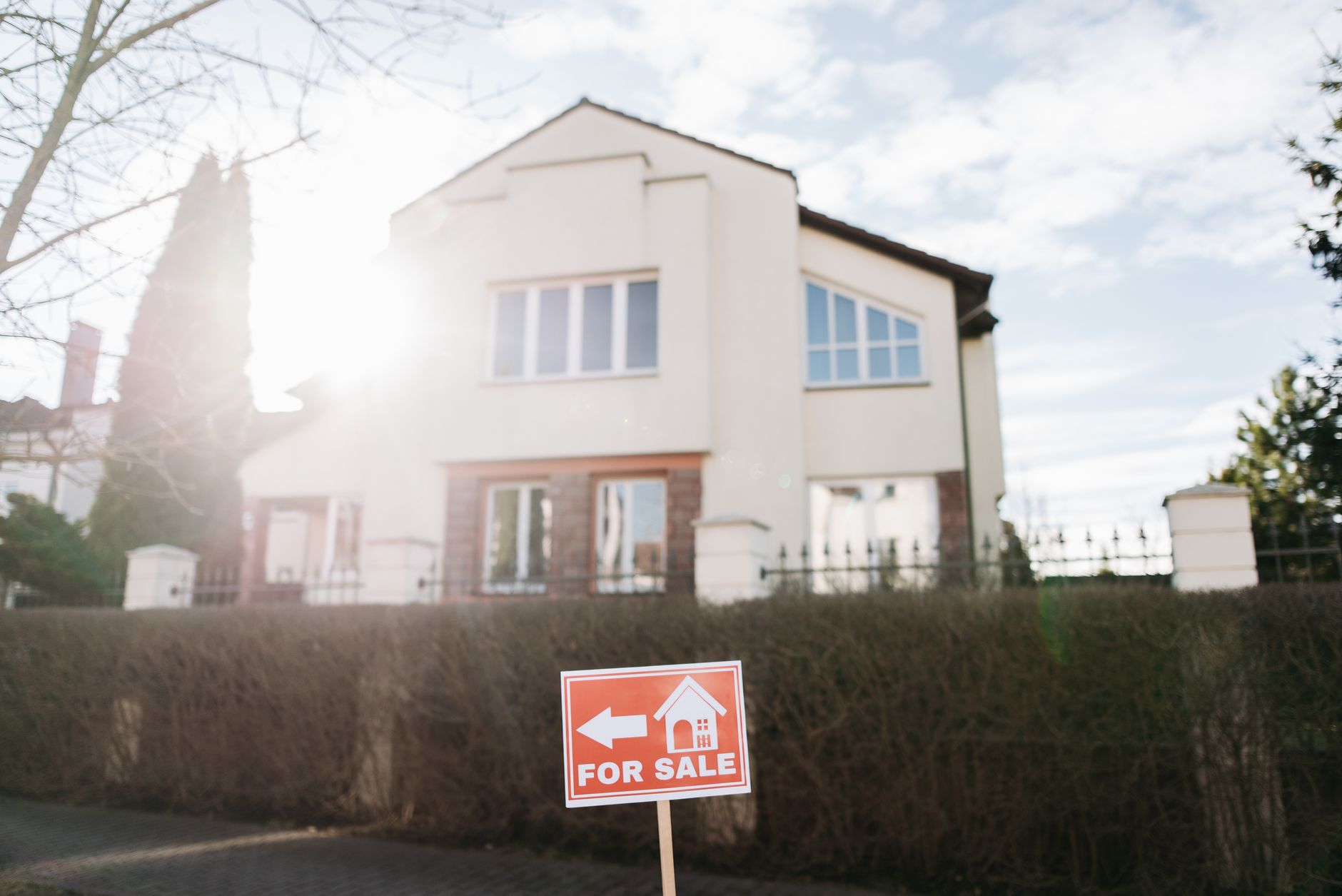
What $300K actually buys in these markets
The specific product you're getting matters. In Columbus, Cleveland, and Pittsburgh, $300K buys a three-bedroom house in an established neighborhood — often with original character architecture, a yard, a basement, and a two-car garage. In Albuquerque, it buys a Southwest-style adobe or stucco home with outdoor living space designed for the climate. In Nashville's 37211, it's likely a newer construction townhome or a smaller single-family home that reflects the city's rapid development over the last decade.
What $300K does not buy in any of these markets: a home in the most desirable, gentrified pocket of a trendy neighborhood. Tremont in Cleveland runs higher. Lawrenceville in Pittsburgh runs higher. That's the real tradeoff — you're buying into the broader city, not its most coveted zip code. Research the specific neighborhood using WYLT before you target a block.
The honest math at $300K in 2026
At a 6.8% interest rate with 5% down on a $300,000 home: your monthly principal and interest is approximately $1,870. Add property taxes (Ohio and Wisconsin are moderate; Alabama and Tennessee are lower) and homeowner's insurance, and you're looking at $2,200–$2,500 per month all-in depending on the state. That's achievable for a household income of $75,000–$85,000 — which is at or above the median household income in most of the cities on this list.
The PMI cost of 5% down adds roughly $100–$150/month until you reach 20% equity — factor that in. And the 6–7% rate environment makes the buy-vs-rent math tighter than it was in 2021, but in these markets, rents have also risen, so the comparison is less tilted against buying than it might appear nationally.
See the full WYLT data for every city on this list — crime, school ratings, walkability, flood risk, and price trends.
Cleveland → | Columbus → | Pittsburgh → | Albuquerque → | Milwaukee → | Des Moines → | Chesapeake → | Hoover → | Nashville →
Upstate New York is another overlooked option at this price. Rochester and Syracuse both have neighborhoods well under $400K, and Rochester earns a WYLT "Good for now" verdict with a walkable downtown. The Rochester vs Syracuse comparison shows exactly how they stack up on schools, walkability, and total cost.