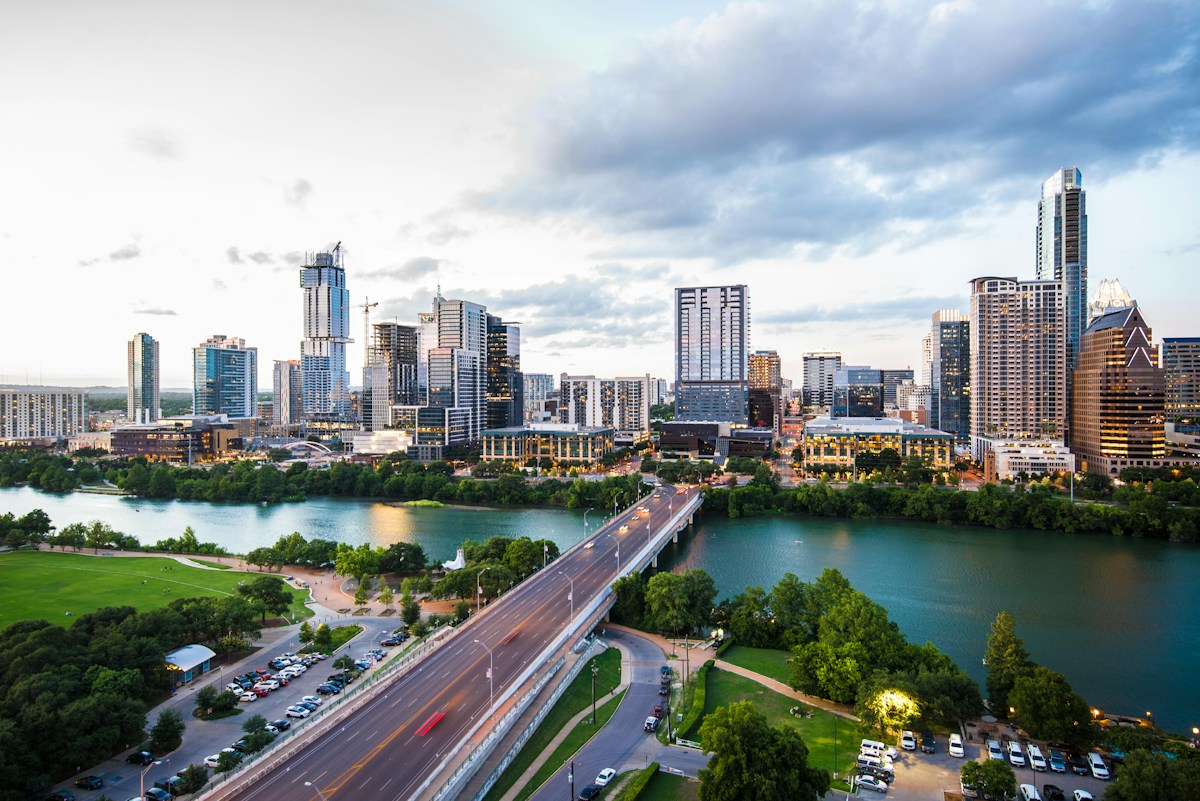
Austin has been the most talked-about city in America for relocation for the better part of a decade. The reality is more nuanced than the hype — and depends almost entirely on which part of Austin you're actually moving to.
Here's what you need to know before you pack the truck.
Why people move to Austin
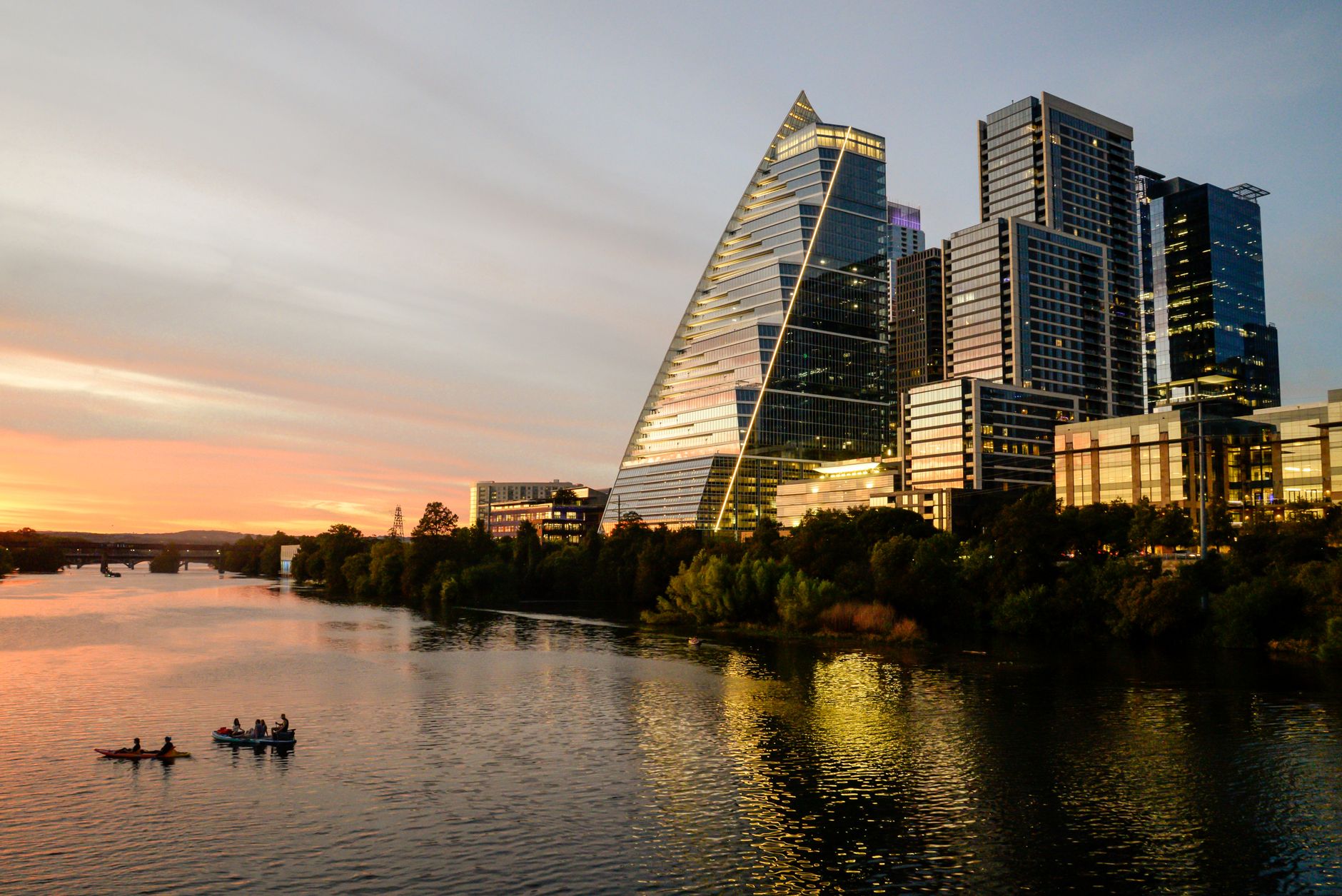
The reasons are consistent across almost every conversation about Austin relocation: no state income tax, a booming job market historically anchored by tech, a warm climate, a reputation for culture and food, and prices that — until recently — felt reasonable compared to California or New York.
Those reasons are all real. But several of them have changed meaningfully in the past few years.
What has actually changed since 2020
Austin was one of the fastest-appreciating real estate markets in the country between 2020 and 2022. Home prices in many neighborhoods doubled. Then in 2023 and into 2024 the market softened significantly as remote work policies tightened and interest rates rose.
What this means for you: Austin is no longer the obvious value play it once was compared to coastal cities. You need to do the math for your specific situation — factoring in property taxes, which are among the highest in Texas, and homeowners insurance, which has been rising steeply statewide.
Traffic has also gotten dramatically worse. Austin's road infrastructure has not kept pace with its population growth. Commutes that were manageable five years ago are genuinely painful today. Where you live relative to where you work matters more in Austin right now than it ever has.
The neighborhoods — what they're actually like
South Congress / Travis Heights: The Austin that people picture when they romanticize the city. Walkable by Austin standards, great restaurants and bars, strong community feel. Also among the most expensive zip codes in the city. Expect $600k+ for anything decent. Great for: young professionals, couples, people who want Austin's personality concentrated in one area.
East Austin (78702): The fastest-changed neighborhood in the city over the past decade. What was an affordable, culturally rich area is now expensive and heavily developed. Still has genuine character but it's increasingly a premium product. Great restaurants and bars. Not great for families with kids given limited school options. Good for: people who want urban density and nightlife access.
Mueller: A planned development built on a former airport that gets overlooked in most Austin neighborhood conversations. Walkable, family-friendly, good schools nearby, mixed-use design with parks and retail built in. More affordable than South Congress or East Austin for comparable quality of life. Often the right answer for families that gets dismissed because it lacks the cultural cachet of other neighborhoods.
North Loop / Hyde Park: A quieter, more residential stretch that has maintained some affordability relative to the rest of central Austin. Bungalow heavy, tree-lined streets, close to the University of Texas. Good for: academics, people who want central Austin without the nightlife noise.
Cedar Park / Round Rock (suburbs): Where families increasingly end up when central Austin prices push them out. Better school ratings, more space, dramatically lower price per square foot. The tradeoff is commute — plan on 45 to 75 minutes to downtown depending on traffic and time of day. If you're fully remote this becomes a much easier call.
Pflugerville / Buda / Kyle: The outer ring suburbs that have absorbed enormous population growth. Very affordable relative to the city. Limited walkability, car dependent, newer construction. Good for: buyers prioritizing space and price over location and character.
The property tax reality
This surprises almost every out-of-state buyer. Texas has no state income tax — which is real and meaningful — but it funds local government heavily through property taxes instead. Effective property tax rates in Austin typically run between 1.8% and 2.4% of assessed value annually.
On a $500,000 home that's $9,000 to $12,000 per year just in property taxes. Run the math for your specific situation before assuming the no-income-tax benefit fully offsets what you're used to paying.
The climate — honest version
Austin summers are extreme. Not "warm" — extreme. June through September regularly sees temperatures above 100°F with high humidity. The 2023 heat wave saw over 40 consecutive days above 100°F. Air conditioning is not optional — it's infrastructure. Budget for it.
Winters are mild with occasional ice storms that the city's infrastructure handles poorly. The 2021 winter storm that left millions without power for days was an extreme event but it revealed structural vulnerabilities in the Texas grid that haven't been fully resolved.
Is Austin right for you?
Austin is genuinely a great city — the food, the music, the outdoor scene, the energy are all real. But it's no longer the obvious relocation bargain it was five years ago and the growing pains are real. Go in with realistic expectations about traffic, property taxes, heat, and cost of living and you'll find a lot to love. Go in expecting the Austin of 2015 and you'll be disappointed.
Want an honest verdict on specific Austin neighborhoods? Search any Austin zip code at WYLT for a free data-driven report covering schools, commute times, flood risk, and a plain-English verdict.