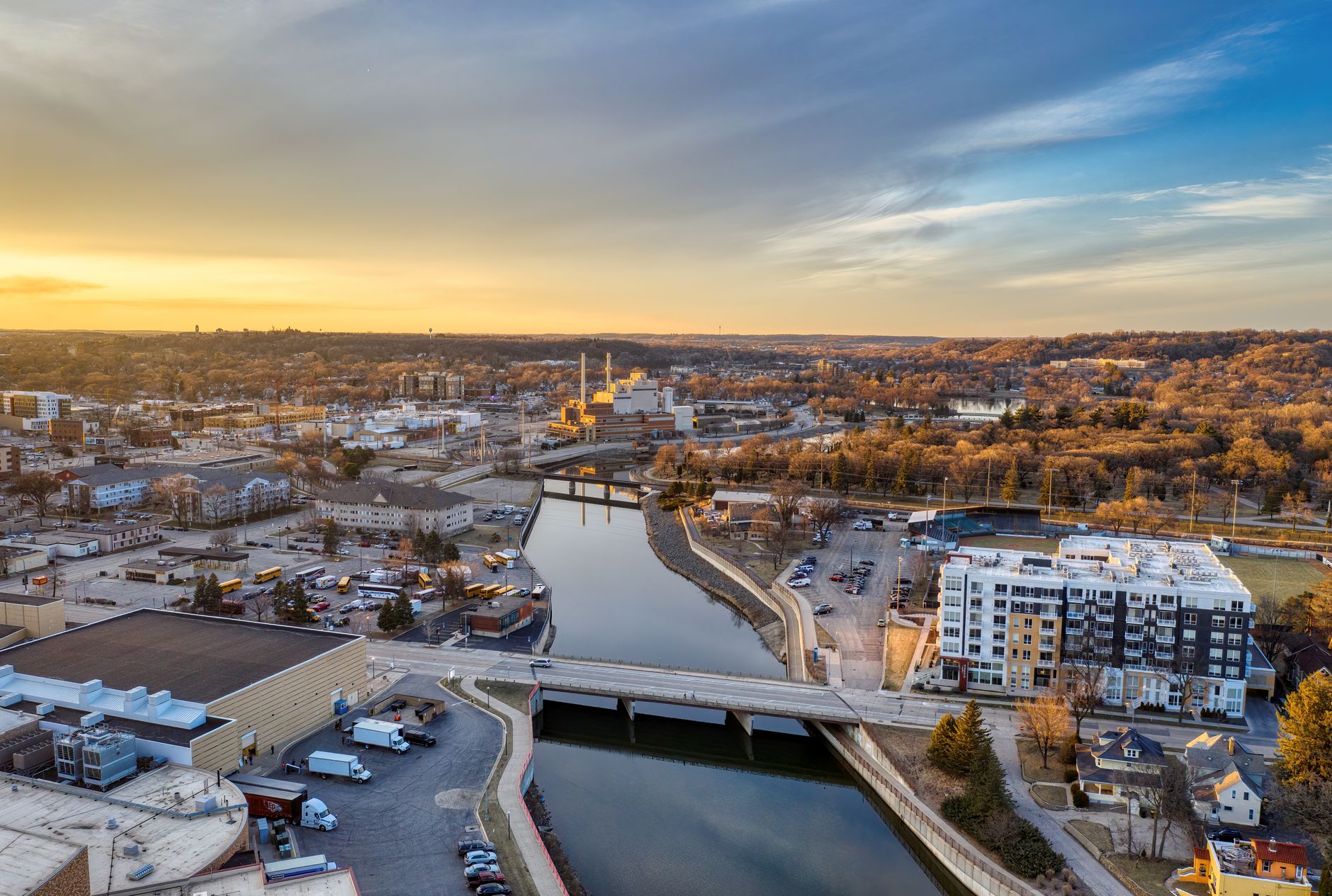
The cost of living in Redmond, OR has been steadily increasing over the years, making it essential for individuals and families to carefully consider their budget before making a move. As of 2026, the median home price in Redmond is around $440,000, with rent ranges from $1,300 to $2,000 per month for a 2-bedroom apartment. The city has several neighborhoods to choose from, including downtown Redmond and the surrounding areas like Terrebonne and Eagle Crest.
Commute and Transportation
Redmond is strategically located near Highway 97, making it an ideal location for those who commute to nearby cities like Bend and Prineville. The average commute time in Redmond is around 20-30 minutes, depending on traffic and the route taken. Major employers in the area include the Redmond School District, St. Charles Medical Center, and the City of Redmond.
Schools and Education
The Redmond School District serves the city, with schools like Redmond High School, Obsidian Middle School, and Tom McCall Elementary School. According to recent ratings, Redmond High School has a score of 7 out of 10, while Obsidian Middle School has a score of 6 out of 10. Tom McCall Elementary School has a score of 8 out of 10. Families with children should research these schools and their respective ratings to make an informed decision.
Housing Options
Redmond offers a range of housing options, from modern apartments to single-family homes. The cost of living in Redmond is relatively lower compared to other cities in Oregon, but it's still essential to consider factors like utility costs, groceries, and transportation expenses. Here's a breakdown of the average costs in Redmond:
| Category | Cost |
|---|---|
| Rent (2-bedroom apartment) | $1,300 - $2,000 per month |
| Median Home Price | $440,000 |
| Utilities (average) | $150 - $250 per month |
| Groceries (average) | $800 - $1,200 per month |
For those looking for alternative neighborhoods, Bend, OR is a nearby city with a slightly higher cost of living. However, it offers a more urban lifestyle and a wider range of amenities.

While Redmond has its downsides, such as limited job opportunities in certain industries and a relatively small downtown area, it's still a great option for those looking for a more laid-back lifestyle. The city's proximity to outdoor recreational activities and its growing community make it an attractive choice for families and individuals alike.
Get the full data-driven report on any neighborhood at WYLT's neighborhood finder.
The cost of living in Redmond, OR can be mitigated with some practical planning. For instance, buying in bulk can help reduce grocery bills, with stores like Costco and WinCo Foods offering affordable options. Additionally, exploring alternative transportation methods, such as the Cascades East Transit system, can help reduce fuel costs and parking expenses. According to data, the average household in Redmond spends around 12% of their income on transportation, so finding ways to reduce this expense can make a significant impact on overall cost of living.
When compared to nearby alternatives like Bend, OR, Redmond offers a more affordable housing market, with a 20% lower median home price. However, renters may find more options in Bend, with a slightly higher vacancy rate and more apartments available. For buyers, considering the trade-offs between Redmond and Bend is crucial. While Redmond may offer more affordable housing, Bend provides a more extensive range of amenities, including a larger airport and more job opportunities. Ultimately, weighing the pros and cons of each location will depend on individual priorities and lifestyle preferences. By doing their research and visiting both areas before making a decision, buyers and renters can make an informed choice that suits their needs and budget.