Chicago and Indianapolis are 180 miles apart on I-65, but they're separated by an even wider gap in cost, culture, and what your daily life actually looks like. Both are Midwest cities with no coastline premium, real winters, and reputations that outsiders tend to either overestimate or underestimate. For people relocating to the Midwest — or escaping other Midwest cities that have gotten too expensive — this is one of the most common decisions on the table.
Chicago is a major American city in every sense: real transit, world-class food, a genuine downtown, and a housing market that reflects all of that. Indianapolis is smaller, cheaper, and increasingly well-run — but it's a different kind of place. Picking the wrong one isn't a small mistake. Here's how they actually compare, built on WYLT's neighborhood-level data for both cities.
The 30-second version
Choose Chicago if: You want a walkable city with transit, a dense restaurant and cultural scene, and neighborhoods that earn WYLT's "Settle here" verdict — and you can absorb the higher cost of living. The premium is real, but so is what you get for it.
Choose Indianapolis if: Your budget tops out around $200K–$350K, you're in healthcare or tech, you work remotely and want low cost of living, and you're okay with a car-dependent lifestyle. Indianapolis delivers excellent infrastructure and low taxes for what it charges — but it's not a city you move to for walkable urban living.
Cost of living
Indianapolis wins on raw price, and it isn't close. The median home price across Indianapolis ZIP codes WYLT has reviewed ranges from $131,900 in Fountain Square (46203) to $360,000 in downtown (46204). Chicago's reviewed neighborhoods range from $353,200 in Uptown (60640) to $730,300 in Lincoln Park (60614). The overlap barely exists.
State taxes add another layer. Indiana's flat income tax rate is 3.23%. Illinois's flat rate is 4.95%, on top of local Chicago city taxes that push the effective rate higher for city residents. Property taxes in Chicago are also among the highest in the Midwest — the nominal purchase price understates the true carrying cost.
For a $400K budget: Chicago gives you Uptown or a one-bedroom in Logan Square. Indianapolis gives you a four-bedroom house in Carmel or a move-in-ready home in Broad Ripple. The price difference reflects real differences in city scale and demand — but it also means the dollar stretches in a way that's hard to fully describe until you've seen both markets.
Safety
Chicago's crime statistics are among the most misrepresented in American media. The city's aggregate numbers are driven heavily by a small number of ZIP codes on the Far South and West Sides — neighborhoods that most people moving to Chicago would never consider. The neighborhoods where people actually relocate (Lakeview, Wicker Park, Lincoln Park, the West Loop, Logan Square) have crime profiles that look more like a well-managed mid-size city than the aggregate Chicago statistic suggests.
That said, crime is not absent. Property crime is elevated in many Chicago neighborhoods. Violent crime in some transitional areas remains above national averages. The key is neighborhood selection — and Chicago's variance by ZIP code is extreme.
Indianapolis has a different problem: it's underestimated. The city's violent crime rate has been rising, and while it doesn't generate the national headlines Chicago does, Indianapolis now has higher per-capita violent crime than Chicago in some measurements. All four Indianapolis ZIP codes WYLT has reviewed carry "Think twice" verdicts — not because of any single catastrophic neighborhood, but because crime rates across the city are elevated enough to register across the board.
Neither city is uniformly safe or uniformly dangerous. Chicago rewards careful neighborhood research. Indianapolis requires it too — and fewer people know that going in.
Job market
Chicago is the third-largest job market in America. Financial services (CME Group, Morningstar, Northern Trust), consulting (McKinsey, Deloitte, A.T. Kearney all have major Chicago offices), technology (Google, Salesforce, McDonald's tech HQ), and healthcare (Northwestern Memorial, Rush, Advocate) anchor an employment base that Indianapolis can't replicate at scale. If career trajectory and sector depth matter, Chicago offers more.
Indianapolis punches above its weight in two specific areas: healthcare and technology. Eli Lilly is headquartered here — the largest private employer in the city and a global pharmaceutical company. Salesforce has a major Indianapolis presence, the company's HQ city name aside. The state's growing tech corridor, anchored by companies like Angi and ExactTarget (now Salesforce Marketing Cloud), has created an ecosystem that's deeper than the city's size suggests. For healthcare professionals and mid-tier tech roles, Indianapolis offers real opportunity at prices that make sense.
For remote workers, Indianapolis is the clear financial winner — lower housing cost, lower taxes, and a central time zone. Chicago remote workers pay a premium for the city experience.
Lifestyle and character

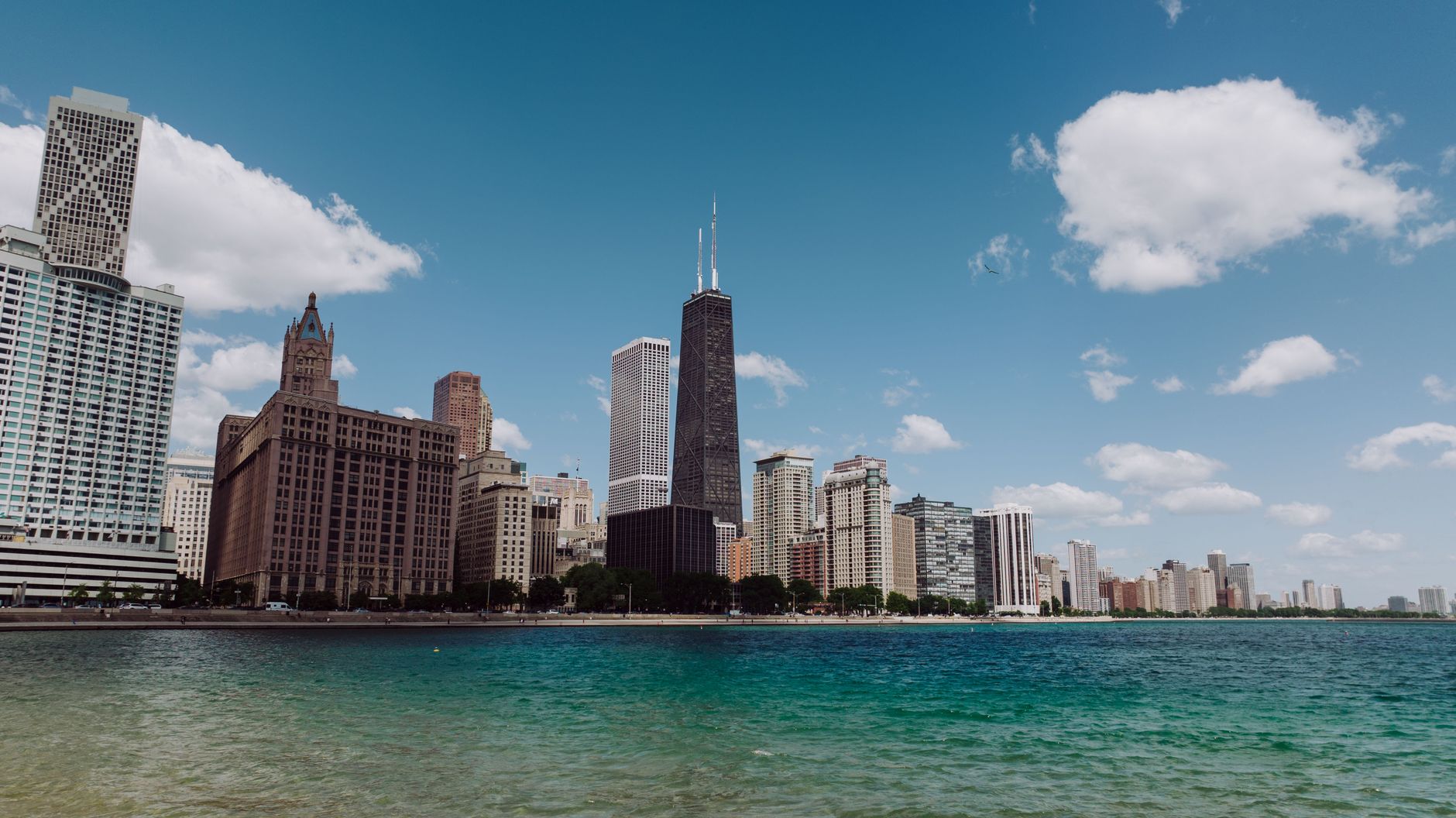
Chicago is one of the great American cities, full stop. The food scene is world-class — not "good for the Midwest" but genuinely competitive with New York and Los Angeles across every cuisine category. The architecture is internationally recognized. Lake Michigan provides a summer experience that Chicago residents treat as their ocean. The music scene (jazz, blues, electronic, indie rock), the art museums (the Art Institute is exceptional), and the 77 distinct neighborhoods give it a cultural density that cities five times its size don't always match.
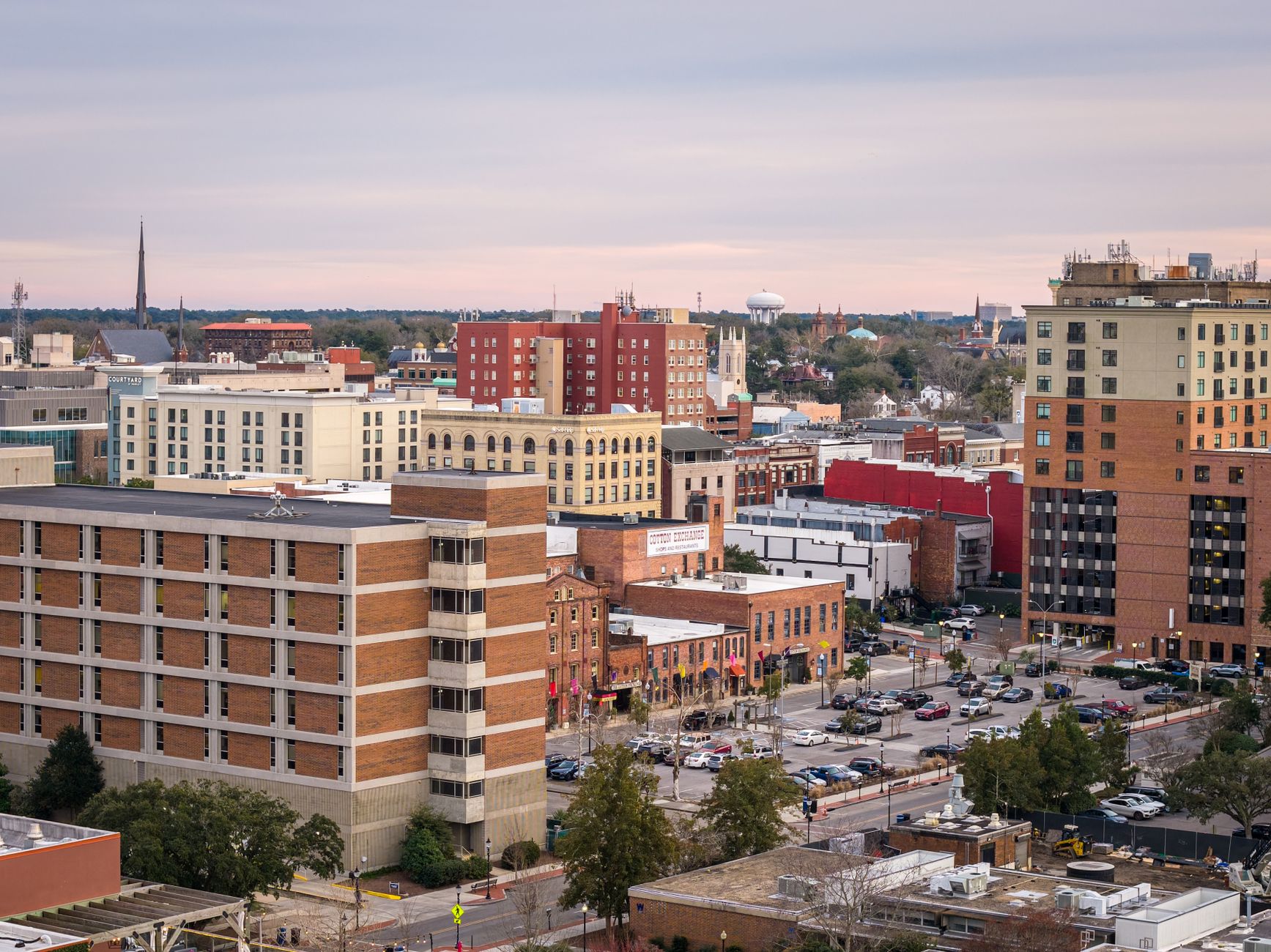
Indianapolis has surprised people in the last decade. The downtown revitalization — led in part by the convention center expansion, Lucas Oil Stadium, and Gainbridge Fieldhouse — has produced a core that's genuinely pleasant to spend time in. The food scene is legitimately good now, with a restaurant corridor on Mass Ave and a brewery scene (Sun King, Metazoa, Daredevil) that rivals much larger cities. The pace is calmer. The commutes are shorter. The people are friendlier in the specific way that Midwest smaller cities tend to be.
What Indianapolis doesn't have: Chicago's transit. Outside of the very limited IndyGo network, Indianapolis is almost entirely car-dependent. Even downtown Indianapolis requires a car for most daily errands outside a small walkable core. Chicago's CTA is imperfect but functional — you can genuinely live without a car in Lakeview or the West Loop.
What WYLT's data shows
Chicago — selected neighborhoods
- Wicker Park (60622) — Settle here: Walk score 78, schools 6.9, median home $616,500. One of Chicago's most complete urban neighborhoods — high walkability, transit access, strong restaurant and bar corridor along Milwaukee Ave. The price reflects real demand.
- Albany Park/North (60625) — Settle here: Walk score 59, schools 7.0, median home $395,000. The most value-for-money "Settle here" verdict in Chicago's North Side — lower price than Lakeview or Lincoln Park, still well-connected and genuinely livable.
- Uptown (60640) — Good for now: Walk score 93, schools 7.1, median home $353,200. The highest walk score in Chicago's reviewed neighborhoods at one of the lowest price points — proximity to the Red Line makes it exceptionally transit-accessible. Crime is the reason for the "Good for now" rather than "Settle here."
Indianapolis — selected neighborhoods
- Downtown Indianapolis (46204) — Think twice: Walk score 89, schools 6.7, median home $360,000. The most urban Indianapolis ZIP code — genuinely walkable by city standards, but crime rates are elevated and the schools underperform relative to price.
- Broad Ripple/North (46220) — Think twice: Walk score 16, schools 6.3, median home $301,700. The neighborhood most comparable to a Chicago bungalow corridor — character, older homes, a bar-and-restaurant strip — but car-dependent and with below-average schools for a $300K price point.
- Fountain Square (46203) — Think twice: Walk score 15, schools 6.3, median home $131,900. The most affordable reviewed Indianapolis ZIP — arts district character, improving trajectory — but crime and car dependence limit the verdict.
The verdict
Chicago is the better city. That's not a controversial statement — it's a city with genuine transit, walkable neighborhoods that earn "Settle here" verdicts, world-class food and culture, and a major job market. The premium is real, but so is what you get.
Indianapolis is the better financial decision if you're optimizing for cost. Lower home prices, lower taxes, improving downtown, and a job market strong enough in healthcare and tech to support a professional career. If you're a remote worker, a first-time buyer priced out of Chicago, or someone whose job is anchored to Indy's core industries, the math works in your favor.
The mistake is expecting Indianapolis to feel like Chicago. It doesn't, and won't. If a walkable, transit-connected urban experience is non-negotiable, Chicago is the answer — and Uptown or Albany Park bring it to you at a price that's high compared to Indianapolis but reasonable compared to the rest of Chicago's North Side.