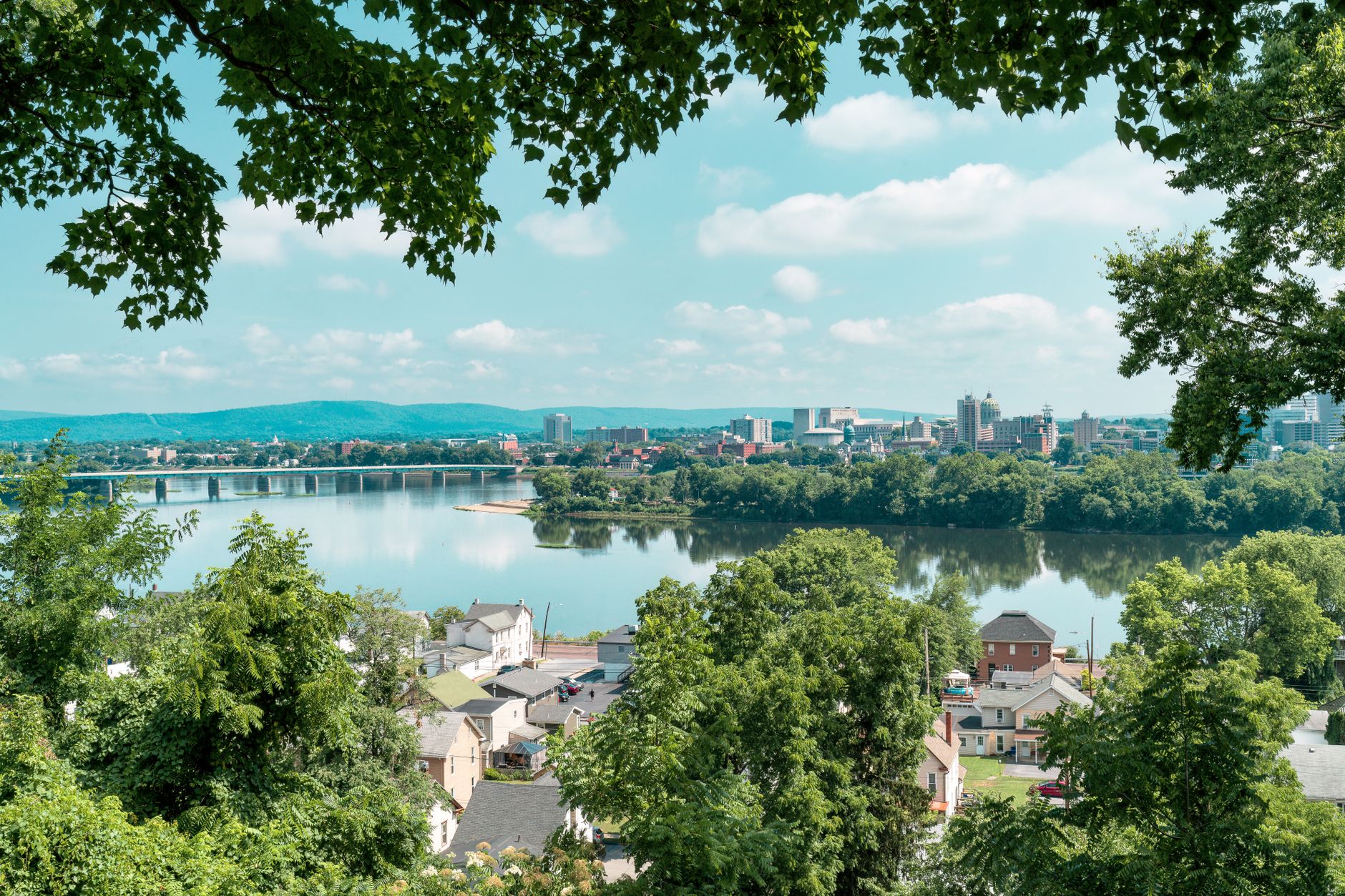
Deciding between Charleston and Columbia, South Carolina, involves weighing different lifestyles, career opportunities, and budgets. Charleston, with its historic charm and coastal appeal, draws in tourists and residents alike, while Columbia, as the state capital and home to a major university, offers a more traditional Southern urban experience with a distinctly different cost of living.
This comparison is for anyone considering a move within the Palmetto State, from young professionals and families to remote workers and retirees. We'll break down everything from housing costs and job markets to safety and schools, giving you the data-driven insights you need to make an informed decision between these two prominent South Carolina cities.
Cost of Living
The most significant difference between Charleston and Columbia is arguably the cost of living, primarily driven by housing. Charleston's median home price stands at a steep $644,500, reflecting its desirability, limited inventory, and strong tourism economy. Renters in Charleston can expect to pay around $2,099/month for a median rental. The median household income in Charleston is $84,227, which helps offset some of these higher costs for many residents, but the premium for coastal living is undeniable.
Columbia, by contrast, offers a much more accessible housing market. The median home price here is $300,000, less than half of Charleston's. Median rent is also significantly lower at $1,400/month. While Columbia's median household income of $38,000 is also considerably lower, the purchasing power for housing is far greater. General utilities and goods tend to be more affordable in Columbia as well, making it a clear choice for budget-conscious movers.
| Metric | Charleston, SC | Columbia, SC |
|---|---|---|
| Median Home Price | $644,500 | $300,000 |
| Median Rent | $2,099/mo | $1,400/mo |
| Median Household Income | $84,227 | $38,000 |
Job Market & Economy
Charleston's economy is robust and diverse, anchored by tourism, aerospace (with major players like Boeing and Volvo), healthcare (Medical University of South Carolina – MUSC), and logistics. The city has experienced significant job growth in recent years, particularly in professional services and technology sectors. Unemployment rates typically trend below the national average, making it a competitive but dynamic market. Remote work is highly viable here, especially for those in tech or creative fields, allowing residents to enjoy the city's amenities while working for companies elsewhere.
Columbia, as the state capital, has a more stable, government-centric economy. Major employers include the State of South Carolina, the University of South Carolina, and healthcare systems like Prisma Health and Providence Health. The insurance industry also has a strong presence with companies like Colonial Life and BlueCross BlueShield of SC. While less reliant on tourism, Columbia's job market is steady, though it may not offer the same rapid growth opportunities as Charleston's emerging tech and aerospace sectors. For remote workers, Columbia provides a lower cost of living, which can stretch a remote salary further, making it an attractive option.

Neighborhoods
In Charleston, desirable neighborhoods often come with a premium. South of Broad is the epitome of historic Charleston, featuring grand homes, cobblestone streets, and proximity to the Battery, with prices well above the city's median. For a more suburban, family-friendly vibe, Mount Pleasant (just over the Ravenel Bridge) offers excellent schools, modern amenities, and a range of housing options, though still at a high price point. James Island provides a slightly more laid-back, residential feel with closer access to Folly Beach, often presenting more diverse housing stock than downtown, though still expensive.
Columbia's neighborhoods offer a broader range of affordability and character. Shandon is a well-established, historic neighborhood known for its tree-lined streets, craftsman bungalows, and proximity to downtown and the University of South Carolina. While desirable, homes here are still significantly more affordable than Charleston's historic core. Forest Acres is an affluent, independent town surrounded by Columbia, known for its strong schools, upscale shopping, and mature residential areas. For those seeking more emerging or revitalized areas, neighborhoods like Rosewood or Earlewood offer more diverse housing at lower price points, appealing to younger professionals and artists.
Safety
When comparing safety, Charleston generally has a moderate crime rate, with areas like the historic downtown and tourist districts being relatively safe, particularly during the day. However, like any city, certain neighborhoods outside of the main tourist zones do experience higher property and violent crime. It's crucial for prospective residents to research specific areas within Charleston County that align with their comfort level.
Columbia, unfortunately, experiences significantly higher violent and property crime rates compared to Charleston. As a larger metropolitan area with a lower median income, some parts of the city face substantial challenges. While areas like Forest Acres and Shandon are generally considered safer, especially for families, downtown Columbia and other central areas can have high crime activity. Residents and visitors should exercise caution, particularly at night, and be aware of their surroundings. This is a crucial factor for many considering relocation.
Schools
Charleston County School District (CCSD) serves Charleston, and its schools vary widely in quality depending on location. Our composite rating for Charleston's schools is 8.4/10, indicating a generally strong performance across the district. Communities like Mount Pleasant are particularly known for their highly-rated schools, which contribute to the area's desirability and higher home values. Families prioritizing top-tier public education often focus their home search on these specific zones.
Columbia is served by multiple districts, primarily Richland County School District One and Richland County School District Two. Our composite rating for Columbia's schools is 8.3/10, which is very close to Charleston's overall score. Richland Two, which serves the northeastern suburbs, often receives higher praise for its academic performance and innovative programs compared to District One, which covers much of central Columbia. As with Charleston, school quality in Columbia is highly dependent on the specific attendance zone, and families should research individual schools thoroughly.
Lifestyle & Things to Do
Charleston offers a distinctive coastal lifestyle, steeped in history and culture. Its well-preserved architecture, world-class dining scene, and vibrant arts community (including Spoleto Festival USA) are major draws. Residents enjoy easy access to barrier islands like Folly Beach, Isle of Palms, and Sullivan's Island for beach activities. The city's walk score is 47/100 and transit score is 53/100, indicating some walkability and public transportation options, particularly in the dense downtown. The climate is humid subtropical, with hot summers and mild winters, often tempered by ocean breezes.
Columbia, as an inland state capital and university town, provides a different vibe. Its lifestyle is generally more casual and less tourist-driven. The city boasts a thriving craft brewery scene, a growing number of diverse restaurants, and cultural institutions like the South Carolina State Museum and the Koger Center for the Arts. Outdoor activities revolve around the Congaree River and nearby Lake Murray, offering boating and fishing. Columbia has a significantly lower transit score of 2/100, meaning car dependency is much higher. The climate is also humid subtropical, but without the coastal moderating effects, summers can feel hotter and more intense than in Charleston.
The Verdict
Choosing between Charleston and Columbia boils down to priorities. If you are seeking a vibrant, historic coastal lifestyle with a strong job market in aerospace, tech, or tourism, and you can afford the significantly higher cost of living, Charleston is the clear winner. It offers a unique charm, access to beaches, and a higher median household income to support its premium prices, making it ideal for established professionals, empty nesters, and families prioritizing specific top-tier school zones and coastal access.
However, if affordability is your primary concern, or if you're a remote worker seeking to maximize your dollar, Columbia is the superior choice. Its lower home prices and rents make homeownership far more attainable, especially for younger professionals, students, or those working in government or education. While it has higher crime rates and a less dynamic cultural scene than Charleston, Columbia offers a stable job market and a more traditional Southern urban experience without the tourist crowds, making it excellent for value-seekers and those who prefer an inland environment.
Explore neighborhood-by-neighborhood data on WYLT: Charleston, SC (Charleston) · Columbia, SC (Columbia).
Get the full data-driven report on any neighborhood at WYLT's neighborhood finder.