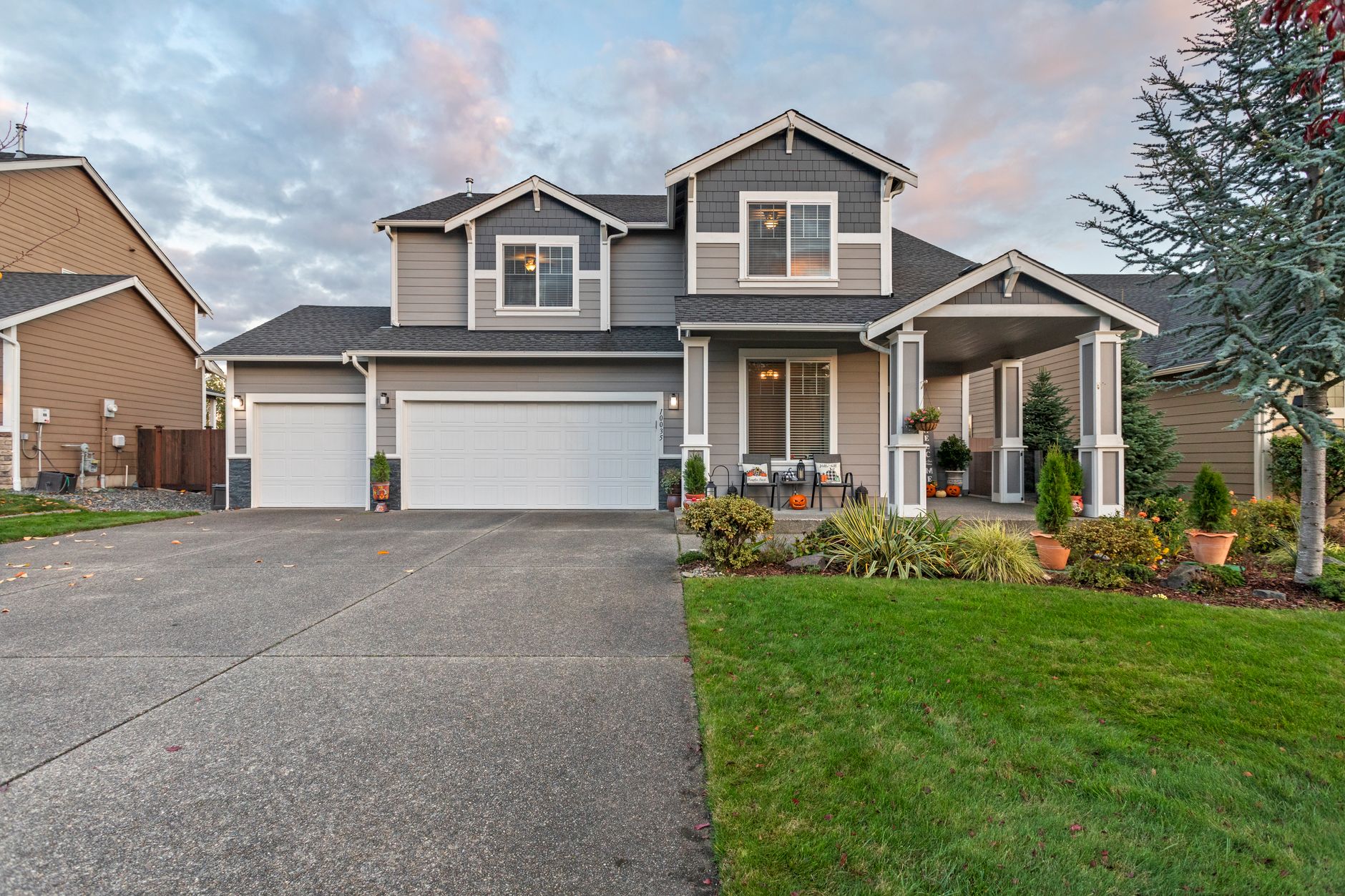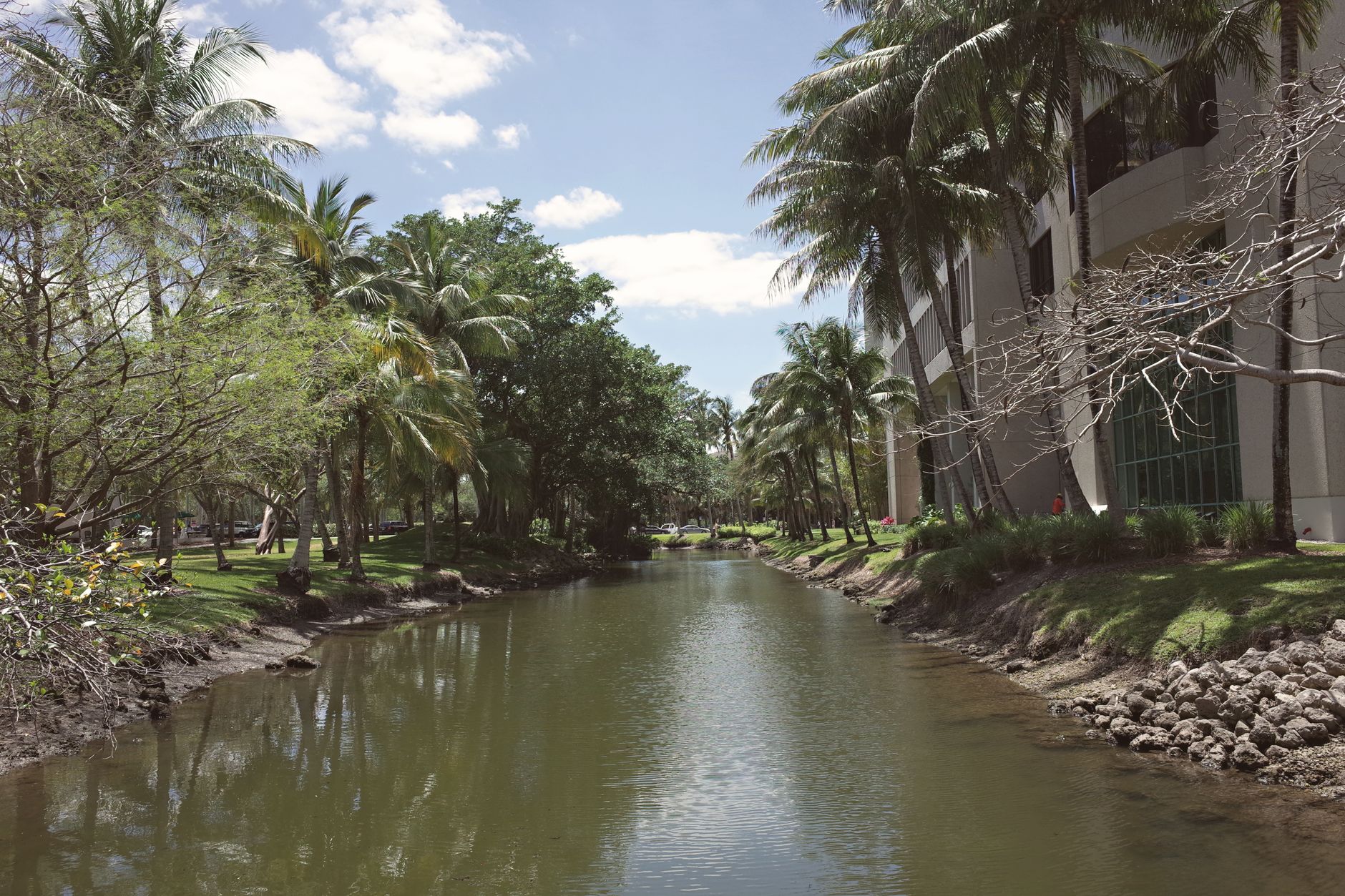
When comparing Cape Coral, FL, and Asheville, NC, as potential places to live, it's essential to consider various factors such as cost of living, job market, neighborhoods, safety, schools, and lifestyle. Both cities have their unique charm and drawbacks, making it crucial for individuals to weigh their priorities and make an informed decision. Cape Coral, located on the Gulf Coast of Florida, offers a subtropical climate and waterfront living, while Asheville, nestled in the Blue Ridge Mountains of North Carolina, boasts a vibrant arts scene and outdoor recreational opportunities.
For those torn between the sun-kissed beaches of Cape Coral and the mountainous scenery of Asheville, this comparison aims to provide a comprehensive overview of both cities. Whether you're a family looking for excellent schools, a remote worker seeking an affordable lifestyle, or a retiree wanting to enjoy leisure activities, understanding the pros and cons of each city is vital. This article will delve into the specifics of cost of living, job market, neighborhoods, safety, schools, and lifestyle in Cape Coral and Asheville, helping you make a well-informed decision about which city is the best fit for your needs.
Cost of Living
The cost of living in Cape Coral and Asheville varies significantly. Cape Coral has a lower overall cost of living index, with a score of 94.3 compared to Asheville's 118.2. The median home price in Cape Coral is around $340,000, while in Asheville, it's approximately $440,000. Renters can expect to pay between $1,400 and $2,000 per month for a two-bedroom apartment in Cape Coral, compared to $1,800 to $2,500 in Asheville.
A key factor to consider is the cost of utilities, with Cape Coral's warm climate resulting in higher electricity bills during the summer. However, Florida has no state income tax, which can be a significant advantage for some individuals. In contrast, North Carolina has a state income tax rate of 4.99%. The following table summarizes some key cost of living metrics for both cities:
| Category | Cape Coral, FL | Asheville, NC |
|---|---|---|
| Median Home Price | $340,000 | $440,000 |
| Median Rent (2-bedroom) | $1,600 | $2,100 |
| Median Household Income | $63,000 | $73,000 |
| Cost of Living Index | 94.3 | 118.2 |
Job Market & Economy
The job markets in Cape Coral and Asheville are diverse, with major industries including healthcare, technology, and tourism. Cape Coral is home to employers such as Lee Health and the School District of Lee County, while Asheville has a strong presence of companies like Mission Health and the City of Asheville. The unemployment rate in Cape Coral is around 3.5%, slightly higher than Asheville's 3.2%.
For remote workers, both cities offer a range of coworking spaces and coffee shops with reliable internet. However, Asheville's vibrant downtown area and surrounding mountains make it an attractive location for those seeking a balance between work and outdoor activities. Cape Coral, on the other hand, is more suited for individuals who prefer a relaxed, beach-oriented lifestyle. Those interested in exploring neighborhoods with high remote work viability can visit Pelican Bay in Cape Coral or Downtown Asheville for more information.
Neighborhoods
Cape Coral and Asheville have distinct neighborhood characteristics. In Cape Coral, the Cape Coral neighborhood offers a mix of older and newer homes, with prices ranging from $200,000 to over $1 million. The Surfside area is known for its beautiful beaches and waterfront properties, with prices starting at around $400,000. In contrast, Asheville's Montford neighborhood is famous for its historic homes and tree-lined streets, with prices between $400,000 and $1.5 million. The West Asheville area is a popular choice for families and young professionals, with a range of housing options from $250,000 to over $600,000.
Walkability and commute times are also important considerations. Cape Coral's downtown area is relatively small, with many amenities within walking distance. However, the city's sprawl can result in lengthy commute times, especially during rush hour. Asheville's downtown is more pedestrian-friendly, with a compact layout and access to public transportation. The commute time in Asheville is generally shorter, with average commute times of around 20 minutes.
Safety
Safety is a top priority when choosing a place to live. However, both cities have areas that are considered safer than others. In Cape Coral, the Cape Coral neighborhood is generally considered safe, while in Asheville, the Montford area is known for its low crime rate.
It's essential to research neighborhoods thoroughly and stay informed about local crime trends. Areas to avoid in Cape Coral include parts of the Pine Island area, which has higher crime rates. In Asheville, the Deaverview area has experienced issues with crime in the past. Visitors can explore the South Asheville area for a safer and more family-friendly environment.
Schools
The quality of schools is a critical factor for families. Cape Coral is served by the Lee County School District, which has a rating of 7 out of 10. Top-performing schools in the area include Cape Coral High School and Island Coast High School. Asheville, on the other hand, is part of the Buncombe County Schools district, which has a rating of 8 out of 10. Highly-regarded schools in Asheville include Asheville High School and Silva Magnet School.
In terms of private school options, both cities have a range of choices. In Cape Coral, Cape Coral Christian School and St. Andrew Catholic School are popular options, while in Asheville, Asheville Christian Academy and Carolina Day School are well-regarded. For those interested in exploring neighborhoods with top-rated schools, visit Pelican Bay in Cape Coral or North Asheville for more information.
Lifestyle & Things to Do
Cape Coral and Asheville offer distinct lifestyles and activities. Cape Coral is ideal for beach lovers and those who enjoy water sports, with its numerous beaches and boat launches. The city also hosts various festivals and events, such as the Cape Coral Festival of the Arts. Asheville, on the other hand, is a hub for arts and culture, with numerous galleries, museums, and performance venues. The city is also surrounded by beautiful mountains and forests, offering plenty of opportunities for hiking, mountain biking, and other outdoor activities.
The climate in both cities is also worth considering. Cape Coral has a subtropical climate, with hot summers and mild winters. Asheville, located in the mountains, has a more temperate climate, with cooler summers and colder winters. For those who enjoy outdoor activities, the scenic beauty of Asheville's surrounding mountains and forests can be a significant draw. The city's vibrant downtown area is also home to a variety of restaurants, bars, and coffee shops, making it an attractive location for foodies and socialites.

The Verdict
After careful consideration of the cost of living, job market, neighborhoods, safety, schools, and lifestyle in Cape Coral and Asheville, it's clear that each city caters to different priorities. If you're a family prioritizing schools and a more relaxed, beach-oriented lifestyle, Cape Coral might be the better choice. However, if you're a remote worker or individual who values a vibrant arts scene, outdoor recreational opportunities, and a more temperate climate, Asheville is likely the better fit.
Ultimately, the decision between Cape Coral and Asheville depends on your personal preferences and priorities. Both cities have their unique advantages and disadvantages, making it essential to weigh your needs and research each city thoroughly. For those seeking a more affordable lifestyle with plenty of outdoor activities, Cape Coral might be the way to go. On the other hand, individuals who value a rich cultural scene, beautiful mountain scenery, and a more compact, walkable downtown area will likely find Asheville to be the better choice.
Get the full data-driven report on any neighborhood at WYLT's neighborhood finder.